
Works for:
based on ingredients and %- Moisturizing
- Anti-aging
Can it cause trouble?
- Irritation risk: medium
- Comedogenic risk ingredients: 1
Key actives


Product Summary
Based on the ingredient list, "Paula's choice - Probiotic Nutrient Moisturizer" can work well for skin moisturization. This moisturizer uses a good combo of humectants and emollients. These both types of ingredients are essentials for improving the skin hydration and keeping the skin barrier healthy. Humectants in this product (alanine, arginine, betaine, faex and glutamic acid) help to increase the water content in the upper layer of the skin. (These ingredients do so by "capturing" water molecules from the outside air or from within the deeper layers of the skin). Emollients in this formulation (ceramide ng, arginine, cetyl alcohol, glycine soja seed extract and caprylyl glycol) help to reduce the moisture loss from the skin. They also soften the skin surface and relieve the feeling of dryness and tightness.
Ingredient callouts
- Another benefit is that this moisturizer contain ceramides (ceramide ng 0.25% - 0.50%). Ceramides are an important part of our natural skin barrier. The ceramides used in skincare are synthetic or come from plants. They help soften the skin and can help "fill the gaps" in the skin barrier, keeping the skin hydrated and resilient for longer.
- This moistruizer also contains peptides (palmitoyl dipeptide-10 0.25% - 0.45% and acetyl hexapeptide-1 0.30% - 0.50%). Peptides is a very big group of ingredients. They all consist of a different combination of amino-acids. Our skin produces peptides naturally. Some of them work as natural anti-biotics, promote wound-healing and production of collagen. The scientists are still studying how effective the topical application of peptides is, but it is very likely that peptides in skincare are helpful. They might be able to support skin barrier restoration and even have an anti-aging benefit. At the very least, they certainly help attract water to the skin and support the hydration in this way.
- Adenosine 0.20% - 0.35% in this product adds an anti-aging property to it. Adenosine is a chemical present inside our skin cells. A clinical trial confirmed that topical application of adenosine in a low concentration reduce dynamic wrinkles (these are the wrinkles that appear with age in a places where we our mimic is the most active, for example, in the corners of the eyes or on the forehead).
Irritation risk
This moisturizer contains some common irritants, including those without a benefit for the skin. We assess the overall irritancy of this moisturizer to be high. For a detailed overview of all potential irritants: click here
You can see the detailed formula review with the breakdown of all actives in the product and the full ingredient list with estimated concentrations in the tables below.
Price
The product retails for 42.00$ in the United States and for 8.50A$ in Australia.
For a detailed price comparison: click here.
Works for
Anti-aging
This product can help reduce and prevent fine lines and wrinkles, improve skin elasticity and firmness because it contains adenosine.
These ingredients in the product can also be helpful, even though there is less evidence for their effectiveness: acetyl hexapeptide-1, palmitoyl dipeptide-10, serine, threonine.
Keep in mind that it typically takes at least 6 weeks to notice any results because the changes that are needed to improve fine lines and elasticity happen in the deeper layers of the skin. No topical anti-aging product can “erase” wrinkles or fully reverse signs of aging.
Might help improve cell turnover and reduce inflammation in skin. One study shows that the ingredients might be able to help reduce dynamic wrinkles (for example, in the corners of the eyes or on the forehead)
A type of peptide. Peptides are excellent moisturizers and might be able support collagen production reducing fine lines and wrinkles
A type of peptide. Peptides are excellent moisturizers and might be able support collagen production reducing fine lines and wrinkles
An amino-acid that helps to attract water to the upper layer of the skin. In combination with other amino-acids, might help to reduce fine lines and wrinkles
An amino-acid that helps to attract water to the upper layer of the skin. In combination with other amino-acids, might help to reduce fine lines and wrinkles
An emollient that helps soften the skin. Might be somewhat helpful in evening the skin tone.
An amino acid that helps attract water to the upper layer of the skin. Might be helpful against lines and wrinkles, but evidence of effectiveness is lacking
An amino-acid that helps attract watet to the upper layer of the skin and might have some anti-aging properties
Is proven to be effective in reducing blemishes, evening out skin tone and helping to improve lines and wrinkles. It helps the skin to repair sun damage, calm down inflammation and keep maintain good levels of moisture. The concentration of about 2% is effective for supporting the skin barrier and evening out the skin tone. Concentration of 4-6% is better for helping with acne and balancing the sebum production
Being a lipid soluble form of vitamin C, it is more stable than ascorbic acid, but still degrades quickly and needs to be stabilized in a formulation with another ingredient. It is claimed to penetrate skin better than pure vitamin C and have the the similar benefits, but solid studies of its effectiveness are lacking. Is likely to require a higher concentration in a product than pure vitamin C to be effective. It might be able to help reduce pore clogging.
Pure form of vitamin E. Can help moisturise and protect the skin from free radicals. Often used to help stabilise other ingredients or the formula itself
Can contain potent anti-oxidant compounds (abbreviated ECG, GCG, EGC, and EGCG) that might help protect the skin from free radicals. Can help calm down inflammation and has some anti-bacterial properties. Unfortunately, these antioxidants are unstable and lose their effectiveness very quickly in products. The concentration of the antioxidant compounds in the extract also tends to be low to be effective in topical formulation
Moisturizing
What does the product description say?
Probiotic Nutrient Moisturizer
Source: Paula's Choice AUS
This product can help improve hydration of the skin with the two types of ingredients.
The first type is called “humectants”:
these ingredients help attract water.
When humectants are on the surface of the skin, they “pull in” the moisture from the outside environment, or from
within deeper layers of the skin. The following ingredients in this product do the job:
alanine, arginine.
This product also contains ingredients called “occlusives”. They help reduce the speed with which our skin loses moisture to the outside environment. These ingredients also help soften the upper layer of the skin, so it feels less tight and nicer to the touch. The following ingredients in this product do the job: arginine, cetyl alcohol.
The following ingredients in this product are especially good for supporting the skin barrier and helping with the hydration level: acetyl hexapeptide-1, ceramide ng, palmitoyl dipeptide-10
A type of peptide. Peptides are excellent moisturizers and might be able support collagen production reducing fine lines and wrinkles
An amino-acid that helps to attract water to the upper layer of the skin and might help to lighten the skin, but solid evidence is lacking
An amino acid that is naturally present in skin and helps keep it hydrated. When used together with AHAs, it can reduce their irritating effect on the skin
Helps attract water to the upper layer of the skin and improves the product texture
A type of lipid similar to ceramides naturally present in skin. Helps to soften the upper layer of the skin and supports the skin barrier function to keep it hydrated. Can help to prevent inflammation in skin
An amino-acid that helps attract water to the upper layer of the skin
One of the best moisturizing ingredients. Naturally present in skin. It attracts water to the upper layer of the skin working as a humectant
Helps to attract water to the upper layer of the skin and can help restore the skin barrier function
A fermentation product created by bacteria Lactobacillus. The fermented product has anti-bacterial properties and might be helpful in calming down inflammation, but studies are lacking. Helps attract water to the upper layer of the skin. Can be used as a preservative
An amino acid that helps attract water to the upper layer of the skin. Might be helpful against lines and wrinkles, but evidence of effectiveness is lacking
A type of peptide. Peptides are excellent moisturizers and might be able support collagen production reducing fine lines and wrinkles
An amino-acid that helps attract watet to the upper layer of the skin and might have some anti-aging properties
Naturally present in skin and helps to attract water to its upper layer
An amino-acid that helps to attract water to the upper layer of the skin. In combination with other amino-acids, might help to reduce fine lines and wrinkles
Helps attract water to the upper layer of the skin. Is often used to adjust the pH level of the product
Naturally present in skin and helps to attract water to its upper layer
An amino-acid that helps to attract water to the upper layer of the skin. In combination with other amino-acids, might help to reduce fine lines and wrinkles
Might help improve cell turnover and reduce inflammation in skin. One study shows that the ingredients might be able to help reduce dynamic wrinkles (for example, in the corners of the eyes or on the forehead)
Helps soften the upper layer of the skin and creates a nice product texture
A non-drying alcohol that works to soften the skin and stabilize product formulations helping oil and water mix together
An emollient that helps soften the skin. Might be somewhat helpful in evening the skin tone.
Used to create a nice product texture and help delivery of other ingredients. Might be somewhat helpful in attracting water to the upper layer of the skin
Helps preserve products and creates a nice product texture
An emollient that softens the skin and forms a protective layer on its surface. Helps water and oil mix together
Helps oil and water mix together and can enhance the penetration of other ingredients into the skin. It can be irritating
Helps soften the upper layer of the skin and create a thicker product consistency
Consists of remains of dead yeast bacteria cells. Helps to hydrate the skin and reduce irritation. Might has some anti-oxidant effect
Is proven to be effective in reducing blemishes, evening out skin tone and helping to improve lines and wrinkles. It helps the skin to repair sun damage, calm down inflammation and keep maintain good levels of moisture. The concentration of about 2% is effective for supporting the skin barrier and evening out the skin tone. Concentration of 4-6% is better for helping with acne and balancing the sebum production
A plant oil that can help soften the upper layer of the skin. Might be helpful in calming down inflammation in skin
Helps attract water to the upper layer of the skin and might have some anti-oxidant and skin lightening properties. It can help calm down inflammation in skin
Used mostly for creating emulsions - helping oil and water mix together. Helps soften the upper layer of the skin
Pure form of vitamin E. Can help moisturise and protect the skin from free radicals. Often used to help stabilise other ingredients or the formula itself
Can contain potent anti-oxidant compounds (abbreviated ECG, GCG, EGC, and EGCG) that might help protect the skin from free radicals. Can help calm down inflammation and has some anti-bacterial properties. Unfortunately, these antioxidants are unstable and lose their effectiveness very quickly in products. The concentration of the antioxidant compounds in the extract also tends to be low to be effective in topical formulation
How honest is this product?
| Promise | Can it deliver? |
|---|---|
| Moisturizing |
Total Promises Fulfilled score: 100/100.
We receive a small commission for purchases made through these links at no cost for you. Thank you for your support! Learn more
Potential irritants
Comedogenic ingredients
User reviews (0)
Averages from community submissions.
No reviews yet for this product.
Be the first to share your experience!
Tried this product?
Help capture what the ingredient list can't—texture, finish, pilling, scent, and more. Answer what you can, skip the rest.
Takes ~30 seconds.
Reviews are shown in aggregate. No personal details.
| Product | Similarity | Price | Irritancy |
|---|---|---|---|
 Paula's choice Probiotic Nutrient Moisturizer | Current | $42.00 | |
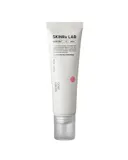 SkinRx Lab MadeCera Core Cream | 74% | $27.00 | |
 Transparent Lab Niacinamide Glow Cream | 74% | - | |
MIGUHARA Cica Bakuchiol Erasing Cream | 74% | $27.04 | |
 BARULAB Barusol Expert Repair Salve Cream | 74% | $17.10 | |
 NEOGEN X SUR.MEDIC Probiotics Youth Repair Cream | 73% | $24.30 |
Key Actives
Is proven to be effective in reducing blemishes, evening out skin tone and helping to improve lines and wrinkles. It helps the skin to repair sun damage, calm down inflammation and keep maintain good levels of moisture. The concentration of about 2% is effective for supporting the skin barrier and evening out the skin tone. Concentration of 4-6% is better for helping with acne and balancing the sebum production
Can contain potent anti-oxidant compounds (abbreviated ECG, GCG, EGC, and EGCG) that might help protect the skin from free radicals. Can help calm down inflammation and has some anti-bacterial properties. Unfortunately, these antioxidants are unstable and lose their effectiveness very quickly in products. The concentration of the antioxidant compounds in the extract also tends to be low to be effective in topical formulation
Helps attract water to the upper layer of the skin and might have some anti-oxidant and skin lightening properties. It can help calm down inflammation in skin
A fermentation product created by bacteria Lactobacillus. The fermented product has anti-bacterial properties and might be helpful in calming down inflammation, but studies are lacking. Helps attract water to the upper layer of the skin. Can be used as a preservative
Pure form of vitamin E. Can help moisturise and protect the skin from free radicals. Often used to help stabilise other ingredients or the formula itself
Consists of remains of dead yeast bacteria cells. Helps to hydrate the skin and reduce irritation. Might has some anti-oxidant effect
Might help improve cell turnover and reduce inflammation in skin. One study shows that the ingredients might be able to help reduce dynamic wrinkles (for example, in the corners of the eyes or on the forehead)
A type of peptide. Peptides are excellent moisturizers and might be able support collagen production reducing fine lines and wrinkles
A type of peptide. Peptides are excellent moisturizers and might be able support collagen production reducing fine lines and wrinkles
A type of lipid similar to ceramides naturally present in skin. Helps to soften the upper layer of the skin and supports the skin barrier function to keep it hydrated. Can help to prevent inflammation in skin
A plant oil that can help soften the upper layer of the skin. Might be helpful in calming down inflammation in skin
An amino-acid that helps attract watet to the upper layer of the skin and might have some anti-aging properties
An amino-acid that helps to attract water to the upper layer of the skin. In combination with other amino-acids, might help to reduce fine lines and wrinkles
An amino-acid that helps to attract water to the upper layer of the skin. In combination with other amino-acids, might help to reduce fine lines and wrinkles
An amino-acid that helps to attract water to the upper layer of the skin and might help to lighten the skin, but solid evidence is lacking
An amino acid that helps attract water to the upper layer of the skin. Might be helpful against lines and wrinkles, but evidence of effectiveness is lacking
One of the best moisturizing ingredients. Naturally present in skin. It attracts water to the upper layer of the skin working as a humectant
Helps to attract water to the upper layer of the skin and can help restore the skin barrier function
An amino acid that is naturally present in skin and helps keep it hydrated. When used together with AHAs, it can reduce their irritating effect on the skin
Naturally present in skin and helps to attract water to its upper layer
Helps attract water to the upper layer of the skin. Is often used to adjust the pH level of the product
Naturally present in skin and helps to attract water to its upper layer
An amino-acid that helps attract water to the upper layer of the skin
Helps attract water to the upper layer of the skin and improves the product texture
Potential irritants
Helps oil and water mix together and can enhance the penetration of other ingredients into the skin. It can be irritating
A preservative that comes from radishes fermented by a bacteria. New research suggests that the preservation properties in the ingredient come from an ammonium salt that is not present naturally in radish root but used in its cultivation. Is problematic because the exact amount of the preservative agents is difficult to determine
An emollient that helps soften the skin. Might be somewhat helpful in evening the skin tone.
Being a lipid soluble form of vitamin C, it is more stable than ascorbic acid, but still degrades quickly and needs to be stabilized in a formulation with another ingredient. It is claimed to penetrate skin better than pure vitamin C and have the the similar benefits, but solid studies of its effectiveness are lacking. Is likely to require a higher concentration in a product than pure vitamin C to be effective. It might be able to help reduce pore clogging.
A fruit extract that might have some anti-oxidant properties but evidence of effectiveness in skin is lacking
An alpha-hydroxy acid (AHA), but is mostly used to stabilize product formulations in cosmetics
Helps attract water to the upper layer of the skin. Is often used to adjust the pH level of the product
Helps soften the upper layer of the skin and create a thicker product consistency
Helps preserve products and creates a nice product texture
Comedogenic ingredients
Helps soften the upper layer of the skin and create a thicker product consistency
All ingredients
One of the best moisturizing ingredients. Naturally present in skin. It attracts water to the upper layer of the skin working as a humectant
Used to create a nice product texture and help delivery of other ingredients. Might be somewhat helpful in attracting water to the upper layer of the skin
A non-drying alcohol that works to soften the skin and stabilize product formulations helping oil and water mix together
Helps soften the upper layer of the skin and creates a nice product texture
A fermentation product created by bacteria Lactobacillus. The fermented product has anti-bacterial properties and might be helpful in calming down inflammation, but studies are lacking. Helps attract water to the upper layer of the skin. Can be used as a preservative
Consists of remains of dead yeast bacteria cells. Helps to hydrate the skin and reduce irritation. Might has some anti-oxidant effect
A preservative that comes from radishes fermented by a bacteria. New research suggests that the preservation properties in the ingredient come from an ammonium salt that is not present naturally in radish root but used in its cultivation. Is problematic because the exact amount of the preservative agents is difficult to determine
An emollient that helps soften the skin. Might be somewhat helpful in evening the skin tone.
Can contain potent anti-oxidant compounds (abbreviated ECG, GCG, EGC, and EGCG) that might help protect the skin from free radicals. Can help calm down inflammation and has some anti-bacterial properties. Unfortunately, these antioxidants are unstable and lose their effectiveness very quickly in products. The concentration of the antioxidant compounds in the extract also tends to be low to be effective in topical formulation
Being a lipid soluble form of vitamin C, it is more stable than ascorbic acid, but still degrades quickly and needs to be stabilized in a formulation with another ingredient. It is claimed to penetrate skin better than pure vitamin C and have the the similar benefits, but solid studies of its effectiveness are lacking. Is likely to require a higher concentration in a product than pure vitamin C to be effective. It might be able to help reduce pore clogging.
A type of peptide. Peptides are excellent moisturizers and might be able support collagen production reducing fine lines and wrinkles
A type of peptide. Peptides are excellent moisturizers and might be able support collagen production reducing fine lines and wrinkles
A type of lipid similar to ceramides naturally present in skin. Helps to soften the upper layer of the skin and supports the skin barrier function to keep it hydrated. Can help to prevent inflammation in skin
A plant oil that can help soften the upper layer of the skin. Might be helpful in calming down inflammation in skin
An amino-acid that helps attract watet to the upper layer of the skin and might have some anti-aging properties
Helps to attract water to the upper layer of the skin and can help restore the skin barrier function
An amino-acid that helps to attract water to the upper layer of the skin. In combination with other amino-acids, might help to reduce fine lines and wrinkles
An amino-acid that helps to attract water to the upper layer of the skin. In combination with other amino-acids, might help to reduce fine lines and wrinkles
An amino-acid that helps to attract water to the upper layer of the skin and might help to lighten the skin, but solid evidence is lacking
An amino acid that is naturally present in skin and helps keep it hydrated. When used together with AHAs, it can reduce their irritating effect on the skin
A fruit extract that might have some anti-oxidant properties but evidence of effectiveness in skin is lacking
Is proven to be effective in reducing blemishes, evening out skin tone and helping to improve lines and wrinkles. It helps the skin to repair sun damage, calm down inflammation and keep maintain good levels of moisture. The concentration of about 2% is effective for supporting the skin barrier and evening out the skin tone. Concentration of 4-6% is better for helping with acne and balancing the sebum production
Might help improve cell turnover and reduce inflammation in skin. One study shows that the ingredients might be able to help reduce dynamic wrinkles (for example, in the corners of the eyes or on the forehead)
Used mostly for creating emulsions - helping oil and water mix together. Helps soften the upper layer of the skin
An alpha-hydroxy acid (AHA), but is mostly used to stabilize product formulations in cosmetics
Helps attract water to the upper layer of the skin and might have some anti-oxidant and skin lightening properties. It can help calm down inflammation in skin
Pure form of vitamin E. Can help moisturise and protect the skin from free radicals. Often used to help stabilise other ingredients or the formula itself
Naturally present in skin and helps to attract water to its upper layer
Helps attract water to the upper layer of the skin. Is often used to adjust the pH level of the product
Naturally present in skin and helps to attract water to its upper layer
An amino acid that helps attract water to the upper layer of the skin. Might be helpful against lines and wrinkles, but evidence of effectiveness is lacking
Helps soften the upper layer of the skin and create a thicker product consistency
An amino-acid that helps attract water to the upper layer of the skin
Helps attract water to the upper layer of the skin and improves the product texture
An emollient that softens the skin and forms a protective layer on its surface. Helps water and oil mix together
Helps preserve products and creates a nice product texture
Helps oil and water mix together and can enhance the penetration of other ingredients into the skin. It can be irritating
A preservative. It helps prevent bacterial growth in cosmetic products
Ingredient list view
Water, Isoamyl laurate, Glycerin, Butylene glycol, Sodium polyacrylate starch, Cetyl alcohol, Lauroyl lysine, Lactobacillus/rye flour ferment, Lactobacillus ferment, Bifida ferment lysate, Glucomannan, Saccharomyces lysate, Leuconostoc/radish root ferment filtrate, Glycine soja seed extract, Camellia sinensis leaf extract, Tetrahexyldecyl ascorbate, Acetyl hexapeptide-1, Palmitoyl dipeptide-10, Ceramide ng, Orbignya oleifera seed oil, Palmitoyl proline, Glycine, Serine, Threonine, Alanine, Valine, Arginine, Proline, Lysine hcl, Rubus idaeus fruit extract, Niacinamide, Adenosine, Lecithin, Phytic acid, Yeast extract, Tocopherol, Sodium pca, Sodium lactate, Pca, Magnesium palmitoyl glutamate, Sodium palmitoyl sarcosinate, Isopropyl palmitate, Glutamic acid, Betaine, Glyceryl stearate, Hydroxyacetophenone, Sodium acrylates copolymer, Ceteth-20, Steareth-20, Polysorbate 20, Peg-75 stearate, Caprylyl glycol, Propylene glycol, 1,2-hexanediol, Phenoxyethanol, Ethylhexylglycerin
- Glycerol and the skin: holistic approach to its origin and functions
- The effect of probiotics on immune regulation, acne, and photoaging
- Comparison of clinical and histological effects between lactobacillus-fermented Chamaecyparis obtusa and tea tree oil for the treatment of acne: an eight-week double-blind randomized controlled split-face study
- Use of Probiotics for Dermal Applications
- Bifidobacterium longumlysate, a new ingredient forreactive skin
- Double-blind, half-face study comparing topical vitamin C and vehicle for rejuvenation of photodamage
- Application of tetra-isopalmitoyl ascorbic acid in cosmetic formulations: Stability studies and in vivo efficacy
- Topical emulsions containing ceramides: Effects on the skin barrier function and anti‐inflammatory properties
- Topically Applied Ceramides Interact with the Stratum Corneum Lipid Matrix in Compromised Ex Vivo Skin
- Anti-Inflammatory Activity of Babassu Oil and Development of a Microemulsion System for Topical Delivery
- Effect of Topical Application of Glycine and Proline on Recalcitrant Leg Ulcers of Prolidase Deficiency
- Functional glycine receptor in cultured human keratinocytes
- Topical palmitoyl pentapeptide provides improvement in photoaged human facial skin
- Combination of amino acids reduces pigmentation in B16F0 melanoma cells
- Niacinamide - mechanisms of action and its topical use in dermatology
- Gehring, W. (2004). Nicotinic acid/niacinamide and the skin. Journal of Cosmetic Dermatology, 3(2), 88–93. doi:10.1111/j.1473-2130.2004.00115.x
- Evaluation of anti-wrinkle efficacy of adenosine-containing products using the FOITS technique
- Cosmetic and dermatologic use of alpha hydroxy acids
- Comparative Evaluation of Efficacy and Tolerability of Glycolic Acid, Salicylic Mandelic Acid, and Phytic Acid Combination Peels in Melasma
- The natural yeast extract isolated by ethanol precipitation inhibits melanin synthesis by modulating tyrosinase activity and downregulating melanosome transfer
- Evaluation of dermatological effects of cosmetic formulations containing Saccharomyces cerevisiae extract and vitamins
- Vitamin E in dermatology
- Vitamin E and Skin Health
- Safety Assessment of Amino Acid Alkyl Amides as Used in Cosmetics
- Final Report on the Safety Assessment of Isopropyl Isostearate
- Final Report on the Safety Assessment of Acrylates Copolymer and 33 Related Cosmetic Ingredients
- Surfactants and experimental irritant contact dermatitis
- Propylene Glycol
- Skin-sensitizing and irritant properties of propylene glycol
- The influence of alkane chain length on the skin irritation potential of 1,2-alkanediols