Works for:
based on ingredients and %- Moisturizing
- Evens skin tone
Doesn't work for:
based on ingredients and %- Anti-aging
Can it cause trouble?
- Irritation risk: high
- Comedogenic risk ingredients: 3
Key actives
Moisturizing
What does the product description say?
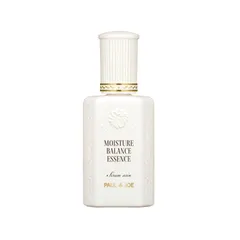
A gentle, alcohol-free moisturizing serum that restores balance and comfort to skin prone to dryness or sensitivity.
Source: Albion Garden
This product can help improve hydration of the skin with the two types of ingredients.
The first type is called “humectants”:
these ingredients help attract water.
When humectants are on the surface of the skin, they “pull in” the moisture from the outside environment, or from
within deeper layers of the skin. The following ingredients in this product do the job:
alcaligenes polysaccharides, glycerin.
This product also contains ingredients called “occlusives”. They help reduce the speed with which our skin loses moisture to the outside environment. These ingredients also help soften the upper layer of the skin, so it feels less tight and nicer to the touch. The following ingredients in this product do the job: beeswax, dimethicone.
The following ingredients in this product are especially good for supporting the skin barrier and helping with the hydration level: ceramide ng, paraffinum liquidum
One of the best moisturizing ingredients. Naturally present in skin. It attracts water to the upper layer of the skin working as a humectant
Forms a protective barrier that holds water and keeps dry skin hydrated. Keeps an emulsion from separating into its oil and liquid components, and increases the thickness of a product. Can be an allergen
A silicone that helps to reduce water loss from the surface of the skin. Can temporarily "fill in" lines and wrinkles, absorb oil, and create a nice product finish
Help attract water to the upper layer of the skin
A type of lipid similar to ceramides naturally present in skin. Helps to soften the upper layer of the skin and supports the skin barrier function to keep it hydrated. Can help to prevent inflammation in skin
Mineral oil. One of the most effective and well studied occlusive and emollient moisturizing ingredients. Helps reduce moisture loss in skin and repair skin barrier function
Helps soften the upper layer of the skin
An emollient that helps soften the skin but is not effective for restoring its barrier function. Might be helpful to calm down inflammation
A non-drying alcohol. Works as an emollient. Helps water and oil mix together and creates a nice product texture
Ethyl oleate is a long-chain fatty acid ethyl ester resulting from the formal condensation of the carboxy group of oleic acid with the hydroxy group of ethanol. It derives from an oleic acid. In skincare, it is used to soften the upper layer of the skin, improve the product texture and smell
Non-drying alcohol that helps water and oil mix together. Also serves as an emollient
Used to create a nice product texture and help delivery of other ingredients. Might be somewhat helpful in attracting water to the upper layer of the skin
An emollient that helps soften the skin and creates a thicker product texture
Used to improve the product consistency and soften the upper layer of the skin
One of the most effective and the most studied occlusive ingredients that creates a protective layer on top of the skin preventing moisture loss
Pure form of vitamin E. Can help moisturise and protect the skin from free radicals. Often used to help stabilise other ingredients or the formula itself
Evens skin tone
The following ingredient (ingredients) in this product might be helpful, but there is no evidence to confirm that it actually works: pancratium maritimum extract.
A plant extract that might help neutralize free radicals in skin. It might help reduce hyperpigmentation
Anti-aging
What does the product description say?
Ideal for those seeking a simple yet effective routine, it helps calm irritation, supports healthy turnover, and visibly reduces dullness and fine lines for radiant, well-balanced skin.
Source: Albion Garden
This product does not contain ingredients that are able to reduce fine lines and wrinkles or help with skin elasticity, but it can improve the look of the skin temporarily through moisturization. Well-moisturized skin might also be able to repair the sun damage better.
Pure form of vitamin E. Can help moisturise and protect the skin from free radicals. Often used to help stabilise other ingredients or the formula itself
How honest is this product?
| Promise | Can it deliver? |
|---|---|
| Moisturizing | |
| Anti-aging |
Total Promises Fulfilled score: 75/100.
We receive a small commission for purchases made through these links at no cost for you. Thank you for your support! Learn more
Affiliate link · supports WIMJ at no cost to you
Potential irritants
Comedogenic ingredients
User reviews (0)
Averages from community submissions.
No reviews yet for this product.
Be the first to share your experience!
Tried this product?
Help capture what the ingredient list can't—texture, finish, pilling, scent, and more. Answer what you can, skip the rest.
Takes ~30 seconds.
Reviews are shown in aggregate. No personal details.
| Product | Similarity | Price | Irritancy |
|---|---|---|---|
 Paul & Joe Moisture Balance Essence | Current | ≈ $52.14 | |
 Kose DECORTE Phytotune Refining Softener | 41% | $44.82 | |
 Piz Buin After Sun Instant Relief Mist Spray | 39% | ≈ $11.20 | |
 Koh Gen Do Oriental Plants W Essence | 38% | $96.40 | |
 pdc Naturina Aloe Essence Milk | 38% | $7.40 | |
 SAKURA ST Advanced Repair Essence | 37% | $123.98 |
Key Actives
Pure form of vitamin E. Can help moisturise and protect the skin from free radicals. Often used to help stabilise other ingredients or the formula itself
A type of lipid similar to ceramides naturally present in skin. Helps to soften the upper layer of the skin and supports the skin barrier function to keep it hydrated. Can help to prevent inflammation in skin
A plant extract that might help neutralize free radicals in skin. It might help reduce hyperpigmentation
A plant extract that might help neutralize free radicals in skin
A silicone that helps to reduce water loss from the surface of the skin. Can temporarily "fill in" lines and wrinkles, absorb oil, and create a nice product finish
One of the best moisturizing ingredients. Naturally present in skin. It attracts water to the upper layer of the skin working as a humectant
Mineral oil. One of the most effective and well studied occlusive and emollient moisturizing ingredients. Helps reduce moisture loss in skin and repair skin barrier function
One of the most effective and the most studied occlusive ingredients that creates a protective layer on top of the skin preventing moisture loss
Forms a protective barrier that holds water and keeps dry skin hydrated. Keeps an emulsion from separating into its oil and liquid components, and increases the thickness of a product. Can be an allergen
Help attract water to the upper layer of the skin
Potential irritants
A plant extract that might help neutralize free radicals in skin. It might help reduce hyperpigmentation
A plant extract that might help neutralize free radicals in skin
An aromatic blend of unspecified and possibly irritating ingredients
A fragrance. Potential allergen and can be irritating
Fragrance with sweet balsamic smell. Help to preserve products and dissolve other ingredients. Could trigger allergic reactions and be irritating
A common frangrance that can easily irritate skin, especially if exposed to air, light or heat
An emollient that helps soften the skin but is not effective for restoring its barrier function. Might be helpful to calm down inflammation
An emollient that helps soften the skin and creates a thicker product texture
Maintains the texture of skincare products. Allows the product to spread evenly. Helps oil and water mix together
Helps thicken the product formula and create a nice product formulation
Ethyl oleate is a long-chain fatty acid ethyl ester resulting from the formal condensation of the carboxy group of oleic acid with the hydroxy group of ethanol. It derives from an oleic acid. In skincare, it is used to soften the upper layer of the skin, improve the product texture and smell
Used to create a thicker product consistency and stabilize the formulation
Comedogenic ingredients
Helps thicken the product formula and create a nice product formulation
A non-drying alcohol. Works as an emollient. Helps water and oil mix together and creates a nice product texture
All ingredients
Used to create a nice product texture and help delivery of other ingredients. Might be somewhat helpful in attracting water to the upper layer of the skin
One of the best moisturizing ingredients. Naturally present in skin. It attracts water to the upper layer of the skin working as a humectant
Helps to dissolve other ingredients in a formulation. Slows down the rate of product drying
An emollient that helps soften the skin but is not effective for restoring its barrier function. Might be helpful to calm down inflammation
An emollient that helps soften the skin and creates a thicker product texture
Mineral oil. One of the most effective and well studied occlusive and emollient moisturizing ingredients. Helps reduce moisture loss in skin and repair skin barrier function
One of the most effective and the most studied occlusive ingredients that creates a protective layer on top of the skin preventing moisture loss
Forms a protective barrier that holds water and keeps dry skin hydrated. Keeps an emulsion from separating into its oil and liquid components, and increases the thickness of a product. Can be an allergen
Helps to retain moisture by creating a protective barrier on the skin. Rich in fatty acids. Improves product texture and helps with the penetration of other ingredients.
Help attract water to the upper layer of the skin
A type of lipid similar to ceramides naturally present in skin. Helps to soften the upper layer of the skin and supports the skin barrier function to keep it hydrated. Can help to prevent inflammation in skin
A plant extract that might help neutralize free radicals in skin. It might help reduce hyperpigmentation
A plant extract that might help neutralize free radicals in skin
Pure form of vitamin E. Can help moisturise and protect the skin from free radicals. Often used to help stabilise other ingredients or the formula itself
Maintains the texture of skincare products. Allows the product to spread evenly. Helps oil and water mix together
Non-drying alcohol that helps water and oil mix together. Also serves as an emollient
Helps create a thicker or gel-like product texture. It is not a surfactant but can be used in gentle cleansing formulations
Helps thicken the product formula and create a nice product formulation
A non-drying alcohol. Works as an emollient. Helps water and oil mix together and creates a nice product texture
A silicone that helps to reduce water loss from the surface of the skin. Can temporarily "fill in" lines and wrinkles, absorb oil, and create a nice product finish
Ethyl oleate is a long-chain fatty acid ethyl ester resulting from the formal condensation of the carboxy group of oleic acid with the hydroxy group of ethanol. It derives from an oleic acid. In skincare, it is used to soften the upper layer of the skin, improve the product texture and smell
Used to improve the product consistency and soften the upper layer of the skin
Used to create a thicker product consistency and stabilize the formulation
A preservative. It helps prevent bacterial growth in cosmetic products
An aromatic blend of unspecified and possibly irritating ingredients
A fragrance. Potential allergen and can be irritating
Fragrance with sweet balsamic smell. Help to preserve products and dissolve other ingredients. Could trigger allergic reactions and be irritating
A common frangrance that can easily irritate skin, especially if exposed to air, light or heat
Ingredient list view
Water, Butylene glycol, Glycerin, Dipropylene glycol, Olea europaea fruit oil, Cetyl ethylhexanoate, Phytosteryl oleate, Paraffinum liquidum, Petrolatum, Beeswax, Hydrogenated lecithin, Alcaligenes polysaccharides, Artemisia capillaris flower extract, Ceramide ng, Cymbopogon schoenanthus leaf/stem extract, Linum usitatissimum seed oil, Pancratium maritimum extract, Sambucus nigra flower extract, Tocopherol, Viola odorata flower extract, Acrylates/c10-30 alkyl acrylate crosspolymer, Behenyl alcohol, Carbomer, Carrageenan, Cetearyl alcohol, Dimethicone, Disodium edta, Ethyl oleate, Hydrogenated coconut oil, Hydrogenated palm oil, Hydrogenated polyisobutene, Hydroxypropyl methylcellulose, Isostearic acid, Peg-20 hydrogenated castor oil, Peg-60 hydrogenated castor oil, Silica, Sodium hydroxide, Phenoxyethanol, Parfum, Alpha-isomethyl ionone, Benzyl benzoate, Citronellol, Geraniol, Limonene, Linalool, Caramel
- Glycerol and the skin: holistic approach to its origin and functions
- Use of “natural” oils for moisturization: Review of olive, coconut, and sunflower seed oil
- A review on the extensive skin benefits of mineral oil
- Topical emulsions containing ceramides: Effects on the skin barrier function and anti‐inflammatory properties
- Topically Applied Ceramides Interact with the Stratum Corneum Lipid Matrix in Compromised Ex Vivo Skin
- Use of Pancratium maritimum extract as cosmetic antioxidizing agent and/or melanogenesis inhibitor in cosmetic composition e.g. to prevent/fight against the signs of skin aging, and for depigmenting of the skin, body hair and/or hair
- The antioxidant properties of alcoholic extracts from Sambucus nigra L. (antioxidant properties of extracts)
- Inhibition of Proinflammatory Activities of Major Periodontal Pathogens by Aqueous Extracts From Elder Flower (Sambucus nigra)
- Vitamin E in dermatology
- Vitamin E and Skin Health
- Dimethicone as a protective ingredient in topical medications
- Final Report on the Safety Assessment of Dimethicone Copolyol
- Final report of the cosmetic ingredient review expert panel on the safety assessment of Polyisobutene and Hydrogenated Polyisobutene as used in cosmetics
- Annex I: Clinical evidence regarding sensitisation to individual fragrance chemicals and to natural extracts