Works for:
based on ingredients and %- Cleansing
- Exfoliation
- Anti-blemish
Can it cause trouble?
- Irritation risk: high
- Comedogenic risk ingredients: 1
Key actives

Works for
Cleansing
What does the product description say?
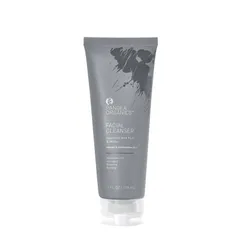
Australian Wild Plum Willow Facial Cleanser
Source: From product name
This product works by removing dirt and oil from the surface of the skin. It uses a combination of mild cleansing agents (decyl glucoside, potassium cocoate, xanthan gum) and should be able to cleanse the skin gently. Still keep in mind that any cleansing can disrupt the skin barrier, and most people do not need to cleanse their skin more than once per day.
Even though this formulation is mild, the following cleansing agents could trigger an irritation or allergy for some people: decyl glucoside
Helps oil and water mix together. Can be irritating
Used to create a thicker product consistency
Helps oil and water mix together and works as a cleansing agent
Exfoliation
This product can help exfoliate the skin. In other words, it helps break down the bonds between dead cells on the surface of the skin and speed up the skin turnover. Skin often appears softer and brighter after exfoliation, but overdoing it can result in disrupted skin barrier. The following ingredient is doing the exfoliating job in this product: gluconic acid.
A polyhydroxy acid (PHA) that helps shed the dead cells from the skin surface revealing smoother skin. Is believed to be genter than AHAs. It helps attract water to the upper layer of the skin and can stimulate production of skin's own hyaluronic acid resulting in imporved hydration levels. It has been shown to be helpful against acne and clogged pores. Might help reduce fine lines and wrinkles and improve skin tone with long-term application. Can help neutralize free radicals
A plant extract that can help neutralize free radicals in skin. It contains a compound salicin that can theoretically be converted into salicylic acid that, in turn, helps reduce inflammation in skin, but the evidence of effectiveness in skin is lacking and the extract is usually not used in a concentration that would enable an exfoliating effect
Anti-blemish
This product might be able to help reduce blemishes and clogged pores because it contains gluconic acid.
A polyhydroxy acid (PHA) that helps shed the dead cells from the skin surface revealing smoother skin. Is believed to be genter than AHAs. It helps attract water to the upper layer of the skin and can stimulate production of skin's own hyaluronic acid resulting in imporved hydration levels. It has been shown to be helpful against acne and clogged pores. Might help reduce fine lines and wrinkles and improve skin tone with long-term application. Can help neutralize free radicals
A plant extract that can help neutralize free radicals in skin. It contains a compound salicin that can theoretically be converted into salicylic acid that, in turn, helps reduce inflammation in skin, but the evidence of effectiveness in skin is lacking and the extract is usually not used in a concentration that would enable an exfoliating effect
Traditionally used to treat sunburns, dermatitis and inflammation, but evidence for its effectiveness is lacking. The extract can contain humectants that help attract water into the skin
How honest is this product?
| Promise | Can it deliver? |
|---|---|
| Cleansing |
Total Promises Fulfilled score: 100/100.
We receive a small commission for purchases made through these links at no cost for you. Thank you for your support! Learn more
Potential irritants
Comedogenic ingredients
User reviews (0)
Averages from community submissions.
No reviews yet for this product.
Be the first to share your experience!
Tried this product?
Help capture what the ingredient list can't—texture, finish, pilling, scent, and more. Answer what you can, skip the rest.
Takes ~30 seconds.
Reviews are shown in aggregate. No personal details.
| Product | Similarity | Price | Irritancy |
|---|---|---|---|
 Pangea Organics Australian Wild Plum Willow Facial Cleanser | Current | $32.00 | |
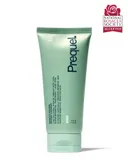 Prequel REDNESS REFORM SULFUR CLEANSER | 34% | $17.99 | |
 Acorelle Organic Baby Cleansing Gel | 34% | ≈ $15.95 | |
 Fitglow Beauty Vitamin Detox Charcoal Cleanser | 33% | $10.00 | |
 Adorn Cosmetics Basics Natural Gel Cleanser | Refillable | 33% | - | |
 Rogé Cavaillès Organic Macadamia Dry Skin Bath and Shower Gel | 33% | ≈ $7.61 |
Key Actives
A polyhydroxy acid (PHA) that helps shed the dead cells from the skin surface revealing smoother skin. Is believed to be genter than AHAs. It helps attract water to the upper layer of the skin and can stimulate production of skin's own hyaluronic acid resulting in imporved hydration levels. It has been shown to be helpful against acne and clogged pores. Might help reduce fine lines and wrinkles and improve skin tone with long-term application. Can help neutralize free radicals
A plant extract that contains resveratrol and other anti-oxidant compounds that can help neutralize free radicals, reduce inflammation in skin and even out its tone. Can be also used to stabilize the product formulation
An emollient that helps soften the upper layer of the skin. Might have some weak anti-oxidant properties
Helps oil and water mix together. Can be irritating
One of the best moisturizing ingredients. Naturally present in skin. It attracts water to the upper layer of the skin working as a humectant
Used to create a thicker product consistency
Helps oil and water mix together and works as a cleansing agent
Potential irritants
An essential oil. Potential allergen and can be irritating. It has some anti-bacterial properties
Used as a fragrance. It can be irritating and cause photosensitivity
A plant extract that can help neutralize free radicals in skin. It contains a compound salicin that can theoretically be converted into salicylic acid that, in turn, helps reduce inflammation in skin, but the evidence of effectiveness in skin is lacking and the extract is usually not used in a concentration that would enable an exfoliating effect
A plant extract that may contain a small amount of essential oils. Might be helpful in neutralizing free radicals in skin
A plant extract that is added for its fragrance. Can be irritating
Traditionally used to treat sunburns, dermatitis and inflammation, but evidence for its effectiveness is lacking. The extract can contain humectants that help attract water into the skin
A polyhydroxy acid (PHA) that helps shed the dead cells from the skin surface revealing smoother skin. Is believed to be genter than AHAs. It helps attract water to the upper layer of the skin and can stimulate production of skin's own hyaluronic acid resulting in imporved hydration levels. It has been shown to be helpful against acne and clogged pores. Might help reduce fine lines and wrinkles and improve skin tone with long-term application. Can help neutralize free radicals
A plant extract that might have some anti-oxidant effect in skin, but evidence is lacking
A fruit extract that might help attract water to the upper layer of the skin and have some anti-oxidant effect, but evidence of effectiveness in skin is lacking
A fruit extract that might help attract water to the upper layer of the skin and might have some antioxidant properties but evidence of effectiveness in skin is missing
Helps oil and water mix together and works as a cleansing agent
An emollient that helps soften the upper layer of the skin. Might have some weak anti-oxidant properties
Comedogenic ingredients
Used to thicken product formulation. Can help attract water to the upper layer of the skin
All ingredients
Traditionally used to treat sunburns, dermatitis and inflammation, but evidence for its effectiveness is lacking. The extract can contain humectants that help attract water into the skin
One of the best moisturizing ingredients. Naturally present in skin. It attracts water to the upper layer of the skin working as a humectant
A polyhydroxy acid (PHA) that helps shed the dead cells from the skin surface revealing smoother skin. Is believed to be genter than AHAs. It helps attract water to the upper layer of the skin and can stimulate production of skin's own hyaluronic acid resulting in imporved hydration levels. It has been shown to be helpful against acne and clogged pores. Might help reduce fine lines and wrinkles and improve skin tone with long-term application. Can help neutralize free radicals
An essential oil. Potential allergen and can be irritating. It has some anti-bacterial properties
Used as a fragrance. It can be irritating and cause photosensitivity
A plant extract that contains resveratrol and other anti-oxidant compounds that can help neutralize free radicals, reduce inflammation in skin and even out its tone. Can be also used to stabilize the product formulation
A plant extract that can help neutralize free radicals in skin. It contains a compound salicin that can theoretically be converted into salicylic acid that, in turn, helps reduce inflammation in skin, but the evidence of effectiveness in skin is lacking and the extract is usually not used in a concentration that would enable an exfoliating effect
A plant extract that may contain a small amount of essential oils. Might be helpful in neutralizing free radicals in skin
A plant extract that is added for its fragrance. Can be irritating
Used to thicken product formulation. Can help attract water to the upper layer of the skin
A plant extract that might have some anti-oxidant effect in skin, but evidence is lacking
A fruit extract that might help attract water to the upper layer of the skin and have some anti-oxidant effect, but evidence of effectiveness in skin is lacking
A fruit extract that might help attract water to the upper layer of the skin and might have some antioxidant properties but evidence of effectiveness in skin is missing
Helps oil and water mix together and works as a cleansing agent
An emollient that helps soften the upper layer of the skin. Might have some weak anti-oxidant properties
Ingredient list view
Aloe barbadensis leaf juice, Decyl glucoside, Water, Glycerin, Sodium benzoate, Gluconic acid, Water, Salvia sclarea oil, Salvia officinalis oil, Aniba rosaeodora wood oil, Lavandula angustifolia oil, Citrus aurantium dulcis oil, Citrus aurantium bergamia leaf oil, Elettaria cardamomum seed oil, Vitis vinifera seed extract, Salix alba bark extract, Sambucus nigra fruit extract, Melissa officinalis leaf extract, Tilia cordata flower extract, Algin, Xanthan gum, Potassium sorbate, Yucca schidigera root extract, Terminalia ferdinandiana fruit extract, Pleiogynium timoriense fruit extract, Podocarpus elatus fruit extract, Unknown, Mel, Potassium cocoate, Argania spinosa kernel oil
- Ecofriendly surfactant is allergen of the year
- Glycerol and the skin: holistic approach to its origin and functions
- Alpha-hydroxyacids and carboxylic acids
- Safety Assessment of Citrus-Derived Peel Oils as Used in Cosmetics
- Oxidized citrus oil (R-limonene): A frequent skin sensitizer in Europe
- Air oxidation increases skin irritation from fragrance terpenes
- Safety Assessment of Vitis Vinifera (Grape)-Derived Ingredients as Used in Cosmetics
- The Topical Effect of Grape Seed Extract 2% Cream on Surgery Wound Healing
- Review of the Pharmacological Effects of Vitis vinifera (Grape) and its Bioactive Constituents: An Update
- Efficacy and Safety of White Willow Bark (Salix alba) Extract
- An evaluation of the effect of a topical product containing salicin on the visible signs of human skin aging
- Assessment report on Sambucus nigra L., fructus
- SKIN PROTECTION AGAINST SOLAR UV RADIATION BY NATURAL PLANT PRODUCTS: EXTRACTS FROM ELDER FRUIT (SAMBUCUS NIGRA L.)
- The chemotherapeutic potential of Terminalia ferdinandiana: Phytochemistry and bioactivity
- Natural vegetable fats in the prevention of irritant contact dermatitis