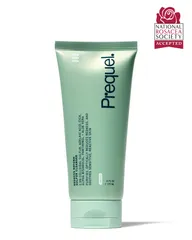
Works for:
based on ingredients and %- Cleansing
- Anti-blemish
Can it cause trouble?
- Irritation risk: medium
- Comedogenic risk ingredients: 2
Key actives


Works for
Anti-blemish
This product can help reduce breakouts and clogged pores because it contains the following ingredient: azelaic acid, sulfur. These ingredients is used for treating acne and can have a noticeable effect.
Is produced by a yeast that lives on normal human skin. It is used in medicine as a topical treatment for mild to moderate acne. It has a mild exfoliating effect. It can also help reduce hyperpigmentation, helps calm down inflammation and can help neutralize free radicals
A plant extract that has been shown to be able to reduce inflammation in skin, support restoration of skin barrier function, as well as support collagen production. Contains active compounds called centelloids: asiaticoside, madecasosside, asiatic acid and madecassic acid. Might be helpful in preventing stretch marks. It can be itself be irritating though.
Helps water and oil mix together. Has anti-bacterial properties that might be helpful in preventing blemishes
Traditionally used to treat sunburns, dermatitis and inflammation, but evidence for its effectiveness is lacking. The extract can contain humectants that help attract water into the skin
Cleansing
What does the product description say?
REDNESS REFORM SULFUR CLEANSER
Source: Prequel
This product works by removing dirt and oil from the surface of the skin. It uses a combination of mild cleansing agents (apricot kernel oil polyglyceryl-6 esters, capric acid, cetyl phosphate, cocamide mipa, cocamidopropyl hydroxysultaine, coconut acid, decyl glucoside, lauric acid, myristic acid, sodium lauroamphoacetate, sodium lauroyl isethionate, sodium lauroyl methyl isethionate, sorbitan palmitate, xanthan gum) and should be able to cleanse the skin gently. Still keep in mind that any cleansing can disrupt the skin barrier, and most people do not need to cleanse their skin more than once per day.
Even though this formulation is mild, the following cleansing agents could trigger an irritation or allergy for some people: decyl glucoside
Used to create a thicker product consistency
Helps oil and water mix together. Could be comedogenic
Works as a cleansing agent
Helps water and oil mix together and stabilize the product formulation
Helps oil and water mix together
Surfactant - foam booster, viscosity increasing agent - aqueous, emulsifying, emulsion stabilising, foam boosting, surfactant, and viscosity controlling. Comes from coconut acid. Doesn't appear to be a common irritant
Used as a cleansing agent. Helps water and oil mix together
Helps oil and water mix together. Can be irritating
Helps water and oil mix together. Has anti-bacterial properties that might be helpful in preventing blemishes
How honest is this product?
| Promise | Can it deliver? |
|---|---|
| Cleansing |
Total Promises Fulfilled score: 100/100.
We receive a small commission for purchases made through these links at no cost for you. Thank you for your support! Learn more
Potential irritants
Comedogenic ingredients
User reviews (0)
Averages from community submissions.
No reviews yet for this product.
Be the first to share your experience!
Tried this product?
Help capture what the ingredient list can't—texture, finish, pilling, scent, and more. Answer what you can, skip the rest.
Takes ~30 seconds.
Reviews are shown in aggregate. No personal details.
| Product | Similarity | Price | Irritancy |
|---|---|---|---|
 Prequel REDNESS REFORM SULFUR CLEANSER | Current | $17.99 | |
 Graydon Face Foam | 78% | $39.95 | |
 Skinfix USA Acne+ 2% BHA Cleanser | 76% | $35.00 | |
Bioderma Pigmentbio H2O - Micellar Water | 73% | ≈ $16.05 | |
 Tula Keep It Clear | 70% | $25.20 | |
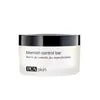 PCA SKIN Blemish Control Bar Cleanser | 69% | ≈ $64.20 |
Key Actives
A plant extract that has been shown to be able to reduce inflammation in skin, support restoration of skin barrier function, as well as support collagen production. Contains active compounds called centelloids: asiaticoside, madecasosside, asiatic acid and madecassic acid. Might be helpful in preventing stretch marks. It can be itself be irritating though.
Is produced by a yeast that lives on normal human skin. It is used in medicine as a topical treatment for mild to moderate acne. It has a mild exfoliating effect. It can also help reduce hyperpigmentation, helps calm down inflammation and can help neutralize free radicals
Helps attract water to the upper layer of the skin and can help improve skin barrier function
An active component of chamomile plant that historically has been used to calm down irritated skin. A recent study shows that bisabolol indeed can have some anti-inflammatory effect on skin, even though conclusive data is lacking. Bisabolol has a sweet floral scent and can be added to products for its aromatic properties
Helps water and oil mix together. Has anti-bacterial properties that might be helpful in preventing blemishes
One of the best moisturizing ingredients. Naturally present in skin. It attracts water to the upper layer of the skin working as a humectant
Helps oil and water mix together. Can be irritating
Used as a cleansing agent. Helps water and oil mix together
Works as a cleansing agent
Yeast extract that contains zinc. Can help to attract water to the upper layer of the skin. Evidence of effectiveness for other benefits is missing
A blue-colored ingredient that is traditionally used as a colorant. It has anti-inflammatory properties. For example, it is successfully used to treat diaper rash for new borns. It can help support the skin barrier by reducing inflammation
Helps oil and water mix together. Could be comedogenic
Used to create a thicker product consistency
Surfactant - foam booster, viscosity increasing agent - aqueous, emulsifying, emulsion stabilising, foam boosting, surfactant, and viscosity controlling. Comes from coconut acid. Doesn't appear to be a common irritant
Helps water and oil mix together and stabilize the product formulation
Potential irritants
Used as a cleansing agent. Helps water and oil mix together
Traditionally used to treat sunburns, dermatitis and inflammation, but evidence for its effectiveness is lacking. The extract can contain humectants that help attract water into the skin
A plant extract that has been shown to be able to reduce inflammation in skin, support restoration of skin barrier function, as well as support collagen production. Contains active compounds called centelloids: asiaticoside, madecasosside, asiatic acid and madecassic acid. Might be helpful in preventing stretch marks. It can be itself be irritating though.
Helps water and oil mix together. Has anti-bacterial properties that might be helpful in preventing blemishes
Helps oil and water mix together. Could be comedogenic
Helps mask the small of other ingredients and improve the product texture
Helps water and oil mix together and stabilize the product formulation
Can work as an exfoliant but is typically used to adjust the product pH
Comedogenic ingredients
Helps water and oil mix together. Has anti-bacterial properties that might be helpful in preventing blemishes
Helps oil and water mix together. Could be comedogenic
All ingredients
One of the best moisturizing ingredients. Naturally present in skin. It attracts water to the upper layer of the skin working as a humectant
Might be helpful in restoring skin barrier function and, when combined with zinc carbonate and malonic acid, reducing fine lines and wrinkles by stimulating elastin production. Also helps stabilize the product formulation
Used as a cleansing agent. Helps water and oil mix together
Is produced by a yeast that lives on normal human skin. It is used in medicine as a topical treatment for mild to moderate acne. It has a mild exfoliating effect. It can also help reduce hyperpigmentation, helps calm down inflammation and can help neutralize free radicals
Helps attract water to the upper layer of the skin and can help improve skin barrier function
An active component of chamomile plant that historically has been used to calm down irritated skin. A recent study shows that bisabolol indeed can have some anti-inflammatory effect on skin, even though conclusive data is lacking. Bisabolol has a sweet floral scent and can be added to products for its aromatic properties
Traditionally used to treat sunburns, dermatitis and inflammation, but evidence for its effectiveness is lacking. The extract can contain humectants that help attract water into the skin
A plant extract that has been shown to be able to reduce inflammation in skin, support restoration of skin barrier function, as well as support collagen production. Contains active compounds called centelloids: asiaticoside, madecasosside, asiatic acid and madecassic acid. Might be helpful in preventing stretch marks. It can be itself be irritating though.
Yeast extract that contains zinc. Can help to attract water to the upper layer of the skin. Evidence of effectiveness for other benefits is missing
A blue-colored ingredient that is traditionally used as a colorant. It has anti-inflammatory properties. For example, it is successfully used to treat diaper rash for new borns. It can help support the skin barrier by reducing inflammation
Helps water and oil mix together. Has anti-bacterial properties that might be helpful in preventing blemishes
Helps oil and water mix together. Could be comedogenic
Helps mask the small of other ingredients and improve the product texture
Acts as a solvent for other ingredients. Speeds up the absorption of other ingredients into the skin
Surfactant - foam booster, viscosity increasing agent - aqueous, emulsifying, emulsion stabilising, foam boosting, surfactant, and viscosity controlling. Comes from coconut acid. Doesn't appear to be a common irritant
Used to stabilize mixtures of oil and water, and create thicker, gel-like product textures
Helps water and oil mix together and stabilize the product formulation
Can work as an exfoliant but is typically used to adjust the product pH
Ingredient list view
Water, Glycerin, Sodium lauroyl isethionate, Magnesium aluminum silicate, Decyl glucoside, Cocamidopropyl hydroxysultaine, Sulfur, Sodium lauroyl methyl isethionate, Sodium lauroamphoacetate, Azelaic acid, Chamomilla recutita flower water, Osmanthus fragrans flower extract, Quartz, Panthenol, Bisabolol, Aloe barbadensis leaf juice, Centella asiatica extract, Polyglycerin-6, Saccharomyces/zinc ferment, Apricot kernel oil polyglyceryl-6 esters, Guaiazulene, Magnolol, Honokiol, Hydrolyzed garcinia mangostana fruit extract, Lauric acid, Coconut acid, Myristic acid, Acacia senegal gum, Capric acid, Xanthan gum, Propanediol, Cocamide mipa, Hydroxyacetophenone, Octenidine hcl, Potassium sorbate, Sodium benzoate, Sodium chloride, Sodium polyacryloyldimethyl taurate, Sodium isethionate, Polyglyceryl-10 oleate, Sorbitan palmitate, Cetyl phosphate, Potassium hydroxide, Citric acid
- Glycerol and the skin: holistic approach to its origin and functions
- Final report on the safety assessment of aluminum silicate, calcium silicate, magnesium aluminum silicate, magnesium silicate, magnesium trisilicate, sodium magnesium silicate, zirconium silicate, attapulgite, bentonite, Fuller's earth, hectorite, kaolin, lithium magnesium silicate, lithium magnesium sodium silicate, montmorillonite, pyrophyllite, and zeolite
- Extracellular matrix in cutaneous ageing: the effects of 0.1% copper-zinc malonate-containing cream on elastin biosynthesis
- Ecofriendly surfactant is allergen of the year
- Skin moisturizing effects of panthenol-based formulations
- Safety Assessment of Panthenol, Pantothenic Acid, and Derivatives as Used in Cosmetics
- α-(-)-Bisabolol Reduces Pro-Inflammatory Cytokine Production and Ameliorates Skin Inflammation
- Anti-Inflammatory Effect of Titrated Extract of Centella asiatica in Phthalic Anhydride-Induced Allergic Dermatitis Animal Model
- Centella asiatica in cosmetology
- Triterpene Composition and Bioactivities of Centella asiatica
- Asiaticoside induction for cell-cycle progression, proliferation and collagen synthesis in human dermal fibroblasts
- Assessment report on Centella asiatica (L.) Urban, herba
- Contact dermatitis due to Madecassol
- The Effects of a Standardized Extract of Centella asiatica on Postlaser Resurfacing Wound Healing on the Face: A Split-Face, Double-Blind, Randomized, Placebo-Controlled Trial
- Effect of a Guaiazulene-Containing Ointment on Nipple and Areola Area Health of Women
- Guaiazulene: a new treatment option for recalcitrant diaper dermatitis in NICU patients
- The fatty acid profile of the skin surface lipid layer in papulopustular rosacea
- Safety Assessment of Alkyl Phosphates as Used in Cosmetics