Works for:
based on ingredients and %- Cleansing
Can it cause trouble?
- Irritation risk: high
- Comedogenic risk ingredients: 0
Key actives

Works for
Cleansing
What does the product description say?
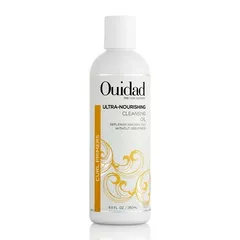
Ultra Nourishing Cleansing Oil
Source: From product name
This product works by removing dirt and oil from the surface of the skin. It uses a combination of mild cleansing agents (cetrimonium chloride, cocamidopropyl hydroxysultaine, peg-150 pentaerythrityl tetrastearate, peg-6 caprylic/capric glycerides, polysorbate 20, sodium c14-16 olefin sulfonate, sodium cocoamphoacetate) and should be able to cleanse the skin gently. Still keep in mind that any cleansing can disrupt the skin barrier, and most people do not need to cleanse their skin more than once per day.
Even though this formulation is mild, the following cleansing agents could trigger an irritation or allergy for some people: cetrimonium chloride, sodium c14-16 olefin sulfonate
Used as a cleansing agent. Helps water and oil mix together
Helps oil and water mix together
Helps dissolve other ingredients
Helps oil and water mix together
Helps oil and water mix together and used as a cleansing agent. Can be irritating and is better avoided for sensitive skin
Helps oil and water mix together and works as a cleansing agent. Creates foam
How honest is this product?
| Promise | Can it deliver? |
|---|---|
| Cleansing |
Total Promises Fulfilled score: 100/100.
We receive a small commission for purchases made through these links at no cost for you. Thank you for your support! Learn more
Potential irritants
Comedogenic ingredients
No comedogenic ingredients detected
User reviews (0)
Averages from community submissions.
No reviews yet for this product.
Be the first to share your experience!
Tried this product?
Help capture what the ingredient list can't—texture, finish, pilling, scent, and more. Answer what you can, skip the rest.
Takes ~30 seconds.
Reviews are shown in aggregate. No personal details.
Key Actives
An exfoliating and moisturizing alpha-hydroxy acid (AHA). Typically causes less irritation than other AHAs, for example, glycolic acid. At high concentrations (about 15%), lactic acid can help reduce lines and wrinkles. Recent studies show that lactic acid can support the "good" bacteria living on skin's surface (healthy skin microbiome)
Helps attract water to the upper layer of the skin and can help improve skin barrier function
This oil's cmposition is closest to rapeseed oil. It is a very stable oil and serves as an emoillient
Naturally present in skin (urea makes up about 7% of natural moisturizing factors in skin). Attracts water to the upper layer of the skin. Also has a positive effect on the skin barrier beyond the humectant action. Can enhance penetration of other ingredients. Is an exfoliating ingredient when used in high concentrations
Helps oil and water mix together and used as a cleansing agent. Can be irritating and is better avoided for sensitive skin
Helps oil and water mix together and works as a cleansing agent. Creates foam
Used as a cleansing agent. Helps water and oil mix together
One of the best moisturizing ingredients. Naturally present in skin. It attracts water to the upper layer of the skin working as a humectant
Helps soften the upper layer of the skin and might have some anti-oxidant properties
A good emollient helping to soften the skin. Might have some anti-oxidant properties. Adds a fragrance to the product
Helps oil and water mix together
Helps dissolve other ingredients
Helps attract water to the upper layer of the skin. Is often used to adjust the pH level of the product
Potential irritants
Helps oil and water mix together and used as a cleansing agent. Can be irritating and is better avoided for sensitive skin
A good emollient helping to soften the skin. Might have some anti-oxidant properties. Adds a fragrance to the product
An aromatic blend of unspecified and possibly irritating ingredients
Fragrance with sweet balsamic smell. Help to preserve products and dissolve other ingredients. Could trigger allergic reactions and be irritating
A fragrance. Can trigger allergic reactions and be irritating
A common frangrance that can easily irritate skin, especially if exposed to air, light or heat
Helps oil and water mix together and works as a cleansing agent. Creates foam
Used as a cleansing agent. Helps water and oil mix together
A plant oil that might help neutralize free radicals, but evidence of effectiveness in skin is lacking
Helps attract water to the upper layer of the skin. Is often used to adjust the pH level of the product
An exfoliating and moisturizing alpha-hydroxy acid (AHA). Typically causes less irritation than other AHAs, for example, glycolic acid. At high concentrations (about 15%), lactic acid can help reduce lines and wrinkles. Recent studies show that lactic acid can support the "good" bacteria living on skin's surface (healthy skin microbiome)
Used to thicken the product formulation and might help to add minerals to the surface of the skin. It is used in scrubs as a physical exfoliant. Can increase sensitivity to other ingredients if left on the skin or used in high concentration
Can work as an exfoliant but is typically used to adjust the product pH
Comedogenic ingredients
We couldn't find any comedogenic ingredients in this product
All ingredients
Helps oil and water mix together and used as a cleansing agent. Can be irritating and is better avoided for sensitive skin
Helps oil and water mix together and works as a cleansing agent. Creates foam
Acts as a solvent for other ingredients. Speeds up the absorption of other ingredients into the skin
Used as a cleansing agent. Helps water and oil mix together
One of the best moisturizing ingredients. Naturally present in skin. It attracts water to the upper layer of the skin working as a humectant
Helps attract water to the upper layer of the skin and can help improve skin barrier function
This oil's cmposition is closest to rapeseed oil. It is a very stable oil and serves as an emoillient
Helps soften the upper layer of the skin and might have some anti-oxidant properties
A good emollient helping to soften the skin. Might have some anti-oxidant properties. Adds a fragrance to the product
A plant oil that might help neutralize free radicals, but evidence of effectiveness in skin is lacking
Helps soften the upper layer of the skin and create a nice product texture
Helps soften the upper layer of the skin and create a nice product finish
Helps attract water to the upper layer of the skin. Is often used to adjust the pH level of the product
An exfoliating and moisturizing alpha-hydroxy acid (AHA). Typically causes less irritation than other AHAs, for example, glycolic acid. At high concentrations (about 15%), lactic acid can help reduce lines and wrinkles. Recent studies show that lactic acid can support the "good" bacteria living on skin's surface (healthy skin microbiome)
Naturally present in skin (urea makes up about 7% of natural moisturizing factors in skin). Attracts water to the upper layer of the skin. Also has a positive effect on the skin barrier beyond the humectant action. Can enhance penetration of other ingredients. Is an exfoliating ingredient when used in high concentrations
Used to thicken the product formulation and might help to add minerals to the surface of the skin. It is used in scrubs as a physical exfoliant. Can increase sensitivity to other ingredients if left on the skin or used in high concentration
A preservative. It helps prevent bacterial growth in cosmetic products
Can work as an exfoliant but is typically used to adjust the product pH
An aromatic blend of unspecified and possibly irritating ingredients
Fragrance with sweet balsamic smell. Help to preserve products and dissolve other ingredients. Could trigger allergic reactions and be irritating
A fragrance. Can trigger allergic reactions and be irritating
A common frangrance that can easily irritate skin, especially if exposed to air, light or heat
Ingredient list view
Water, Sodium c14-16 olefin sulfonate, Sodium cocoamphoacetate, Propanediol, Cocamidopropyl hydroxysultaine, Polysorbate 20, Glycerin, Panthenol, Citrullus lanatus seed oil, Limnanthes alba seed oil, Raphanus sativus root extract, Trichilia emetica seed butter, Oryza sativa bran oil, Passiflora edulis seed oil, Euterpe oleracea fruit oil, Cocodimonium hydroxypropyl silk amino acids, Peg-12 dimethicone, Peg-150 pentaerythrityl tetrastearate, Silicone quaternium-8, Polyquaternium-10, Chlorphenesin, Cetrimonium chloride, Starch hydroxypropyltrimonium chloride, Peg-6 caprylic/capric glycerides, Ethylhexylglycerin, Peg-12, Unknown, Disodium edta, Peg-12, Sodium lactate, Cyclotetrasiloxane, Lactic acid, Urea, Benzoic acid, Sea salt, Phenoxyethanol, Citric acid, Sorbic acid, Parfum, Benzyl benzoate, Butylphenyl methylpropional, Citronellol, Eugenol, Hexyl cinnamal, Limonene, Linalool
- Final Report On the Safety Assessment of Sodium Alpha-Olefin Sulfonates
- Glycerol and the skin: holistic approach to its origin and functions
- Skin moisturizing effects of panthenol-based formulations
- Safety Assessment of Panthenol, Pantothenic Acid, and Derivatives as Used in Cosmetics
- Study on the Composition of Rice Bran Oil and Its Higher Free Fatty Acids Value
- Antioxidant Capacity and Other Bioactivities of the Freeze-Dried Amazonian Palm Berry, Euterpe oleraceae Mart. (Acai)
- Augmentation of sebaceous lipogenesis by an ethanol extract of Grifola frondosa (Maitake mushroom) in hamsters in vivo and in vitro
- Epidermal and dermal effects of topical lactic acid
- Dual Effects of Alpha-Hydroxy Acids on the Skin
- Topical urea in skincare: A review