Works for:
based on ingredients and %- Moisturizing
- Anti-aging
- Evens skin tone
Can it cause trouble?
- Irritation risk: medium
- Comedogenic risk ingredients: 6
Key actives

Product Summary
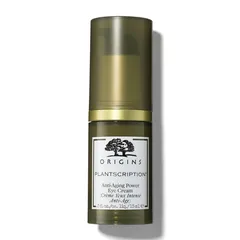
Judging from the ingredient list, "Origins - Plantscription Power Eye Cream" works well for improving skin hydration To work well, any moisturizer needs to include a combination of water-binding and emollient ingredients. Origins - Plantscription Power Eye Cream ticks this box. Humectants in this product (acetyl hexapeptide-8, glucosamine hcl, glycerin, sodium hyaluronate and trehalose) help to increase the water content in the upper layer of the skin. (These ingredients do so by "capturing" water molecules from the outside air or from within the deeper layers of the skin). Jojoba alcohol, jojoba esters, dimethicone, myristyl myristate and squalane in this product help decrease the water evoporation from the skin, so that it stays hydrated for longer. These ingredients also soften the skin and take away the feeling of tightness and dryness.
Ingredient callouts
- We like that this moisturizer contains peptides (acetyl hexapeptide-8 0.20% - 0.40%). There are many different kind of Peptides and they are naturally present in our skin. They all are a combination of aminoacids. Some of them work as natural antibiotics, promote wound-healing and production of collagen. The science is still not settled on how effective Peptides are in skincare, but it is very likely that they have a benefit. Peptides might help restore the skin barrier and fight the signs of aging. At the very least, Peptides work as humectants: they attract water to the upper layer of the skin and improve its hydration.
Irritation risk
This moisturizer contains some common irritants, including those without a benefit for the skin. We assess the overall irritancy of this moisturizer to be medium. For a detailed overview of all potential irritants: click here
You can see the detailed formula review with the breakdown of all actives in the product and the full ingredient list with estimated concentrations in the tables below.
Price
The product retails for 45.00£ in the United Kingdom.
For a detailed price comparison: click here.
Works for
Moisturizing
What does the product description say?
This ultra-moisturising cream soaks into the skin instantly and visibly reduces fine lines and wrinkles in just two weeks.
Source: Feelunique
This product can help improve hydration of the skin with the two types of ingredients.
The first type is called “humectants”:
these ingredients help attract water.
When humectants are on the surface of the skin, they “pull in” the moisture from the outside environment, or from
within deeper layers of the skin. The following ingredients in this product do the job:
glucosamine hcl, glycerin.
This product also contains ingredients called “occlusives”. They help reduce the speed with which our skin loses moisture to the outside environment. These ingredients also help soften the upper layer of the skin, so it feels less tight and nicer to the touch. The following ingredients in this product do the job: dimethicone, myristyl myristate.
The following ingredients in this product are especially good for supporting the skin barrier and helping with the hydration level: acetyl hexapeptide-8
Red seaweed extract. Can help attract water to the upper layer of the skin and might have some antioxidant effect
Brown seaweed extract. Can help attract water to the upper layer of the skin and might have some antioxidant effect
Consists of remains of dead bacteria cells. Is likely helpful in attracting water to the upper layer of the skin. Might be helpful in reducing inflammation and neutralizing free radicals in skin. It is claimed to be a "DNA repair enzyme"
An emollient. Is not recommended for acne-prone skin as it can be comedogenic
Helps soften the upper layer of the skin
One of the best moisturizing ingredients. Attracts water into the upper layer of the skin
A silicone that helps to reduce water loss from the surface of the skin. Can temporarily "fill in" lines and wrinkles, absorb oil, and create a nice product finish
Might be able to stimulate production of skin's natural moisturizing compounds such as hyaluronic acid. Could be helpful for evening the skin tone.
One of the best moisturizing ingredients. Naturally present in skin. It attracts water to the upper layer of the skin working as a humectant
An emollient made of jojoba oil. Helps soften the skin and support its barrier function
An oil naturally present in skin. Works as an emollient to soften the skin and form a protective layer on its surface without a greasy feeling.
A sugar that attracts water to the upper layer of the skin
A type of peptide. Peptides are excellent moisturizers and might be able support collagen production reducing fine lines and wrinkles
An oil from a mixture of different vegetables. Helps soften the upper layer of the skin
An emollient that helps soften the upper layer of the skin
An algae extract that might have anti-oxidant properties
A non-drying alcohol. Works as an emollient. Helps water and oil mix together and creates a nice product texture
A non-drying alcohol that works to soften the skin and stabilize product formulations helping oil and water mix together
Derived from brown algae. Helps attract water to the upper layer of the skin
Used to create a nice product texture and help delivery of other ingredients. Might be somewhat helpful in attracting water to the upper layer of the skin
Helps preserve products and creates a nice product texture
An emollient that softens the skin and forms a protective layer on its surface. Helps water and oil mix together
Helps attract water to the upper layer of the skin and improves the product texture
A good mix of fatty acids that forms a protective layer on the skin. Improves the shelf life of products. Derived from coconut and glycerin
Seaweed extract that helps the skin to attract water and make it more smooth for touch. Also shows promise of anti-aging properties, but good research is lacking at the moment
Used mostly for creating emulsions - helping oil and water mix together. Helps soften the upper layer of the skin
Anti-aging
What does the product description say?
Directions not available Composition Anogeissus help stimulate natural production of fibrillin, a protein that boosts skin firmness and elasticity.
Source: Feelunique
This product contains acetyl hexapeptide-8. This ingredient might be able to help reduce and prevent fine lines and wrinkles, improve skin elasticity and firmness, but there is not enough evidence that it actually works.
A type of peptide. Peptides are excellent moisturizers and might be able support collagen production reducing fine lines and wrinkles
Might be able to stimulate production of skin's natural moisturizing compounds such as hyaluronic acid. Could be helpful for evening the skin tone.
Being a lipid soluble form of vitamin C, it is more stable than ascorbic acid, but still degrades quickly and needs to be stabilized in a formulation with another ingredient. It is claimed to penetrate skin better than pure vitamin C and have the the similar benefits, but solid studies of its effectiveness are lacking. Is likely to require a higher concentration in a product than pure vitamin C to be effective. It might be able to help reduce pore clogging.
Seaweed extract that helps the skin to attract water and make it more smooth for touch. Also shows promise of anti-aging properties, but good research is lacking at the moment
Evens skin tone
The following ingredient (ingredients) in this product might be helpful, but there is no evidence to confirm that it actually works: glucosamine hcl.
Might be able to stimulate production of skin's natural moisturizing compounds such as hyaluronic acid. Could be helpful for evening the skin tone.
Being a lipid soluble form of vitamin C, it is more stable than ascorbic acid, but still degrades quickly and needs to be stabilized in a formulation with another ingredient. It is claimed to penetrate skin better than pure vitamin C and have the the similar benefits, but solid studies of its effectiveness are lacking. Is likely to require a higher concentration in a product than pure vitamin C to be effective. It might be able to help reduce pore clogging.
Might be helpful in protecting skin collagen and elastin from breaking down but solid research is lacking
How honest is this product?
| Promise | Can it deliver? |
|---|---|
| Moisturizing | |
| Anti-aging |
Total Promises Fulfilled score: 87/100.
We receive a small commission for purchases made through these links at no cost for you. Thank you for your support! Learn more
Potential irritants
Comedogenic ingredients
User reviews (0)
Averages from community submissions.
No reviews yet for this product.
Be the first to share your experience!
Tried this product?
Help capture what the ingredient list can't—texture, finish, pilling, scent, and more. Answer what you can, skip the rest.
Takes ~30 seconds.
Reviews are shown in aggregate. No personal details.
| Product | Similarity | Price | Irritancy |
|---|---|---|---|
 Origins Plantscription Power Eye Cream | Current | ≈ $44.71 | |
 Estée Lauder Re-Nutriv Ultimate Lift Age-Correcting Eye Crème | 54% | ≈ $158.96 | |
 SIDMOOL Min Jung Gi EFI Revive Eye Cream | 53% | - | |
 Clinique Pep-Start Eye Cream | 53% | ≈ $28.16 | |
 TOSOWOONG Anti-Wrinkle Eye Cream | 53% | $15.45 | |
 Soho Skin Eye Cream | 53% | ≈ $72.86 |
Key Actives
Might be able to stimulate production of skin's natural moisturizing compounds such as hyaluronic acid. Could be helpful for evening the skin tone.
Can be helpful in reducing inflammation in skin, including inflamed acne. It can be irritating
A plant extract that can help calm down inflammation in skin
Consists of remains of dead bacteria cells. Is likely helpful in attracting water to the upper layer of the skin. Might be helpful in reducing inflammation and neutralizing free radicals in skin. It is claimed to be a "DNA repair enzyme"
Brown seaweed extract. Can help attract water to the upper layer of the skin and might have some antioxidant effect
Red seaweed extract. Can help attract water to the upper layer of the skin and might have some antioxidant effect
A silicone that helps to reduce water loss from the surface of the skin. Can temporarily "fill in" lines and wrinkles, absorb oil, and create a nice product finish
Might be helpful in neutralizing free radicals. Can have a dehydration effect that might somewhat decrease the look of puffy eyes
A type of peptide. Peptides are excellent moisturizers and might be able support collagen production reducing fine lines and wrinkles
An emollient. Is not recommended for acne-prone skin as it can be comedogenic
An oil naturally present in skin. Works as an emollient to soften the skin and form a protective layer on its surface without a greasy feeling.
An emollient made of jojoba oil. Helps soften the skin and support its barrier function
A plant extract that can contain an anti-inflammatory compound
Helps soften the upper layer of the skin
One of the best moisturizing ingredients. Attracts water into the upper layer of the skin
A sugar that attracts water to the upper layer of the skin
One of the best moisturizing ingredients. Naturally present in skin. It attracts water to the upper layer of the skin working as a humectant
A good mix of fatty acids that forms a protective layer on the skin. Improves the shelf life of products. Derived from coconut and glycerin
Potential irritants
A tree bark extract that has antibacterial properties and might have an anti-oxidant effect. Its effectiveness in skin has not been studied
Can be helpful in reducing inflammation in skin, including inflamed acne. It can be irritating
An emollient. Is not recommended for acne-prone skin as it can be comedogenic
An emollient made of jojoba oil. Helps soften the skin and support its barrier function
A plant extract that might have some anti-oxidant properties but evidence of effectiveness in skin is lacking
A plant extract that can help calm down inflammation in skin
Might be helpful in protecting skin collagen and elastin from breaking down but solid research is lacking
A plant extract that can contain an anti-inflammatory compound
Might be helpful in neutralizing free radicals. Can have a dehydration effect that might somewhat decrease the look of puffy eyes
A good mix of fatty acids that forms a protective layer on the skin. Improves the shelf life of products. Derived from coconut and glycerin
Helps preserve products and creates a nice product texture
Being a lipid soluble form of vitamin C, it is more stable than ascorbic acid, but still degrades quickly and needs to be stabilized in a formulation with another ingredient. It is claimed to penetrate skin better than pure vitamin C and have the the similar benefits, but solid studies of its effectiveness are lacking. Is likely to require a higher concentration in a product than pure vitamin C to be effective. It might be able to help reduce pore clogging.
Comedogenic ingredients
An emollient. Is not recommended for acne-prone skin as it can be comedogenic
Derived from brown algae. Helps attract water to the upper layer of the skin
An oil from a mixture of different vegetables. Helps soften the upper layer of the skin
Seaweed extract that helps the skin to attract water and make it more smooth for touch. Also shows promise of anti-aging properties, but good research is lacking at the moment
An algae extract that might have anti-oxidant properties
A non-drying alcohol. Works as an emollient. Helps water and oil mix together and creates a nice product texture
All ingredients
An emollient that softens the skin and forms a protective layer on its surface. Helps water and oil mix together
Used to create a nice product texture and help delivery of other ingredients. Might be somewhat helpful in attracting water to the upper layer of the skin
An emollient. Is not recommended for acne-prone skin as it can be comedogenic
An oil naturally present in skin. Works as an emollient to soften the skin and form a protective layer on its surface without a greasy feeling.
An emollient made of jojoba oil. Helps soften the skin and support its barrier function
A non-drying alcohol that works to soften the skin and stabilize product formulations helping oil and water mix together
Helps oil and water mix togehter and creates a nice product texture
A tree bark extract that has antibacterial properties and might have an anti-oxidant effect. Its effectiveness in skin has not been studied
Brown seaweed extract. Can help attract water to the upper layer of the skin and might have some antioxidant effect
A plant extract that might have some anti-oxidant properties but evidence of effectiveness in skin is lacking
Can be helpful in reducing inflammation in skin, including inflamed acne. It can be irritating
Might be helpful in neutralizing free radicals in skin
Red seaweed extract. Can help attract water to the upper layer of the skin and might have some antioxidant effect
A plant extract that can help calm down inflammation in skin
Might be helpful in protecting skin collagen and elastin from breaking down but solid research is lacking
A plant extract that can contain an anti-inflammatory compound
One of the best moisturizing ingredients. Attracts water into the upper layer of the skin
Consists of remains of dead bacteria cells. Is likely helpful in attracting water to the upper layer of the skin. Might be helpful in reducing inflammation and neutralizing free radicals in skin. It is claimed to be a "DNA repair enzyme"
A silicone that helps to reduce water loss from the surface of the skin. Can temporarily "fill in" lines and wrinkles, absorb oil, and create a nice product finish
An emollient that helps soften the upper layer of the skin
Might be helpful in neutralizing free radicals. Can have a dehydration effect that might somewhat decrease the look of puffy eyes
One of the best moisturizing ingredients. Naturally present in skin. It attracts water to the upper layer of the skin working as a humectant
Derived from brown algae. Helps attract water to the upper layer of the skin
An oil from a mixture of different vegetables. Helps soften the upper layer of the skin
Seaweed extract that helps the skin to attract water and make it more smooth for touch. Also shows promise of anti-aging properties, but good research is lacking at the moment
Used mostly for creating emulsions - helping oil and water mix together. Helps soften the upper layer of the skin
Helps attract water to the upper layer of the skin and improves the product texture
A good mix of fatty acids that forms a protective layer on the skin. Improves the shelf life of products. Derived from coconut and glycerin
An algae extract that might have anti-oxidant properties
A type of peptide. Peptides are excellent moisturizers and might be able support collagen production reducing fine lines and wrinkles
Helps preserve products and creates a nice product texture
A non-drying alcohol. Works as an emollient. Helps water and oil mix together and creates a nice product texture
Might be able to stimulate production of skin's natural moisturizing compounds such as hyaluronic acid. Could be helpful for evening the skin tone.
Helps create a thicker or gel-like product texture. It is not a surfactant but can be used in gentle cleansing formulations
Being a lipid soluble form of vitamin C, it is more stable than ascorbic acid, but still degrades quickly and needs to be stabilized in a formulation with another ingredient. It is claimed to penetrate skin better than pure vitamin C and have the the similar benefits, but solid studies of its effectiveness are lacking. Is likely to require a higher concentration in a product than pure vitamin C to be effective. It might be able to help reduce pore clogging.
A preservative. It helps prevent bacterial growth in cosmetic products
Ingredient list view
Water, Glyceryl stearate, Butylene glycol, Myristyl myristate, Squalane, Jojoba esters, Cetyl alcohol, Peg-100 stearate, Anogeissus leiocarpus bark extract, Chrysanthellum indicum extract, Ascophyllum nodosum extract, Rubus idaeus leaf extract, Rosmarinus officinalis leaf extract, Coffea arabica seed extract, Asparagopsis armata extract, Centaurium erythraea extract, Bambusa vulgaris extract, Pisum sativum extract, Sigesbeckia orientalis extract, Simmondsia chinensis butter, Sodium hyaluronate, Trehalose, Micrococcus lysate, Dimethicone, Cetyl ricinoleate, Caffeine, Glycerin, Hydrolyzed algin, Hydrogenated vegetable oil, Laminaria digitata extract, Lecithin, Sorbitol, Caprylic/capric triglyceride, Crithmum maritimum extract, Peg-4 dilaurate, Acetyl hexapeptide-8, Jojoba alcohol, Isopropyl jojobate, Caprylyl glycol, Steareth-20, Cetearyl alcohol, Polysorbate 60, Glucosamine hcl, Ethylhexylglycerin, Potassium hydroxide, Carbomer, Tetrahexyldecyl ascorbate, Hexylene glycol, Phenoxyethanol
- Biological Evaluation of Four Selected African Medicinal Plants for Their Trypanocidal Properties, Mode of action, and Chemical Compounds
- Bacteriostatic and Bactericidal effects of ethyl acetate root bark extract of Terminalia avicennioides on Methicillin-resistant Staphylococcus aureus
- Volatile Aroma Composition of Chrysanthemum indicum L. Flower Oil
- Allergic contact dermatitis induced by rosemary leaf extract in a cleansing gel
- Safety Assessment of Rosmarinus officinalis (Rosemary)-Derived Ingredients as Used in Cosmetics
- Rosmarinus officinalis Extract Suppresses Propionibacterium acnes–Induced Inflammatory Responses
- Effect of green Coffea arabica L. seed oil on extracellular matrix components and water-channel expression in in vitro and ex vivo human skin models
- Acute and sub-chronic toxicity of a lyophilised aqueous extract of Centaurium erythraea in rodents
- Antioxidant Activity of Centaurium erythraea Infusion Evidenced by Its Superoxide Radical Scavenging and Xanthine Oxidase Inhibitory Activity
- Assessment report on Centaurium erythraea Rafn. s.l., herba
- Purified Pland Extracts
- Hyaluronic acid: A key molecule in skin aging
- Hyaluronan (Hyaluronic Acid): a natural moisturizer for skin care
- Dimethicone as a protective ingredient in topical medications
- Final Report on the Safety Assessment of Dimethicone Copolyol
- Glycerol and the skin: holistic approach to its origin and functions
- Safety Assessment of Plant Polysaccharide Gums as Used in Cosmetics
- Safety Assessment of Simmondsia Chinensis (Jojoba) Seed Oil, Simmondsia Chinensis (Jojoba) Seed Wax, and it's Derivatives
- Glucosamine: an ingredient with skin and other benefits
- Double-blind, half-face study comparing topical vitamin C and vehicle for rejuvenation of photodamage
- Application of tetra-isopalmitoyl ascorbic acid in cosmetic formulations: Stability studies and in vivo efficacy