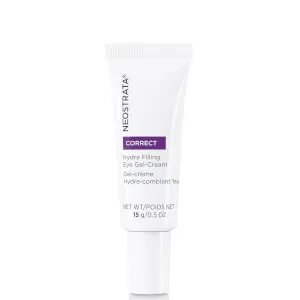
NEOSTRATA Hydra Filling Eye Gel-Cream

NEOSTRATA Hydra Filling Eye Gel-Cream

Efficacy100/100IrritancyMedium

Works for

Evens skin tone
Gluconolactone, Lactobionic acid + 2 more
Works well
What the product description says
“Lactobionic Acid: Part of the Polyhydroxy Acid (PHA) family and is derived from natural sugars.”
Source: Neostrata

This product can help reduce hypepigmentation and even out the skin tone because it contains the following effective ingredients: gluconolactone, lactobionic acid

The following ingredient (ingredients) in this product might be helpful, but there is no evidence to confirm that it actually can help even out the skin tone: glycyrrhiza glabra root extract, retinyl palmitate.

Keep in mind that you would need to apply any topical skincare targetted at hypigmentation consistently for a couple of months to get a result. No topical skincare product can help get rid of hyperpigmentation (including post-acne marks and age spots) instantly.

GluconolactoneKey activeEffect: HighA polyhydroxy acid (PHA) that helps shed the dead cells from the skin surface revealing smoother skin. Is believed to be genter than AHAs. It helps attract water to the upper layer of the skin and can stimulate production of skin's own hyaluronic acid resulting in improved hydration levels. It has been shown to be helpful against acne and clogged pores if used consistently (e.g over a period of 12 weeks) in high enough concentration. It can help reduce fine lines and wrinkles and improve skin tone with long-term application. Can help neutralize free radicals~4.4–5.4%
Lactobionic acidKey activeEffect: HighA polyhydroxy acid (PHA) that helps shed dead cells from the surface of the skin revealing a smoother, more even skin. PHAs tend to be gentler on the skin compared to AHAs (for example, glycolic acid). It also has hydrating properties and helps attract water to the upper layer of the skin. It can help calm down inflammation in skin and support restoration of the barrier function. It has an anti-oxidant effect as well. It can help reduce fine line, wrinkles and improve skin elasticity~0.55–0.85%
Retinyl palmitateKey activeEffect: MediumThree steps removed from the active form of vitamin A - retinoic acid. To have an effect in the skin, it first needs to be converted twice to become the retinoic acid. This means it is less potent than retinol, but could also be less irritating. Once converted to the retinoic acid in the skin, it helps against all signs of aging, improves skin cell turnover and helps fight blemishes and clogged pores. However, in many cosmetic formulations, it is used in a concentration that is too low to have the full effect~0.3–0.55%
Glycyrrhiza glabra root extractEffect: LowA plant extract that can help lighten the skin and calm down inflammation. Might be helpful in neutralizing free radicals~0.25–0.5%
Exfoliation
Gluconolactone, Lactobionic acid + 1 more
Works well
What the product description says
“Hydra Filling Eye Gel-Cream is for anyone seeking intense hydration and gentle exfoliation in a light yet intensely hydrating formulation.”
Source: Neostrata

This product can help exfoliate the skin. In other words, it helps break down the bonds between dead cells on the surface of the skin and speed up the skin turnover. Skin often appears softer and brighter after exfoliation, but overdoing it can result in disrupted skin barrier. The following ingredient is doing the exfoliating job in this product: gluconolactone, lactobionic acid.

GluconolactoneKey activeEffect: HighA polyhydroxy acid (PHA) that helps shed the dead cells from the skin surface revealing smoother skin. Is believed to be genter than AHAs. It helps attract water to the upper layer of the skin and can stimulate production of skin's own hyaluronic acid resulting in improved hydration levels. It has been shown to be helpful against acne and clogged pores if used consistently (e.g over a period of 12 weeks) in high enough concentration. It can help reduce fine lines and wrinkles and improve skin tone with long-term application. Can help neutralize free radicals~4.4–5.4%
Lactobionic acidKey activeEffect: HighA polyhydroxy acid (PHA) that helps shed dead cells from the surface of the skin revealing a smoother, more even skin. PHAs tend to be gentler on the skin compared to AHAs (for example, glycolic acid). It also has hydrating properties and helps attract water to the upper layer of the skin. It can help calm down inflammation in skin and support restoration of the barrier function. It has an anti-oxidant effect as well. It can help reduce fine line, wrinkles and improve skin elasticity~0.55–0.85%
Retinyl palmitateEffect: LowThree steps removed from the active form of vitamin A - retinoic acid. To have an effect in the skin, it first needs to be converted twice to become the retinoic acid. This means it is less potent than retinol, but could also be less irritating. Once converted to the retinoic acid in the skin, it helps against all signs of aging, improves skin cell turnover and helps fight blemishes and clogged pores. However, in many cosmetic formulations, it is used in a concentration that is too low to have the full effect~0.3–0.55%
Anti-aging
Gluconolactone, Lactobionic acid + 3 more
Works well
What the product description says
“This refilling eye gel-cream with Hyaluronic Acid and Polyhydroxy Acids (PHAs) delivers plumping moisture to visibly refill and smooth fine lines underneath the eyes.”
Source: Neostrata

This product can help reduce and prevent fine lines and wrinkles, improve skin elasticity and firmness because it contains gluconolactone, lactobionic acid.

These ingredients in the product can also be helpful, even though there is less evidence for their effectiveness: retinyl palmitate.

Keep in mind that it typically takes at least 6 weeks to notice any results because the changes that are needed to improve fine lines and elasticity happen in the deeper layers of the skin. No topical anti-aging product can “erase” wrinkles or fully reverse signs of aging.

GluconolactoneKey activeEffect: HighA polyhydroxy acid (PHA) that helps shed the dead cells from the skin surface revealing smoother skin. Is believed to be genter than AHAs. It helps attract water to the upper layer of the skin and can stimulate production of skin's own hyaluronic acid resulting in improved hydration levels. It has been shown to be helpful against acne and clogged pores if used consistently (e.g over a period of 12 weeks) in high enough concentration. It can help reduce fine lines and wrinkles and improve skin tone with long-term application. Can help neutralize free radicals~4.4–5.4%
Lactobionic acidKey activeEffect: HighA polyhydroxy acid (PHA) that helps shed dead cells from the surface of the skin revealing a smoother, more even skin. PHAs tend to be gentler on the skin compared to AHAs (for example, glycolic acid). It also has hydrating properties and helps attract water to the upper layer of the skin. It can help calm down inflammation in skin and support restoration of the barrier function. It has an anti-oxidant effect as well. It can help reduce fine line, wrinkles and improve skin elasticity~0.55–0.85%
Retinyl palmitateKey activeEffect: MediumThree steps removed from the active form of vitamin A - retinoic acid. To have an effect in the skin, it first needs to be converted twice to become the retinoic acid. This means it is less potent than retinol, but could also be less irritating. Once converted to the retinoic acid in the skin, it helps against all signs of aging, improves skin cell turnover and helps fight blemishes and clogged pores. However, in many cosmetic formulations, it is used in a concentration that is too low to have the full effect~0.3–0.55%
Ascorbyl palmitateEffect: Low, below effective doseBeing a lipid soluble form of vitamin C, it is more stable and can penetrate the skin better than L-Ascorbic acid. It is effective in protecting the skin from free radicals, as well as evening the skin tone, but is less effective in stimulating collagen production compared to L-Ascorbic acid.~0.35–0.65%
Laminaria saccharina extractEffect: Low, below effective doseA seaweed extract that contains sugars and can be helpful in attracting water to the upper layers of the skin if used in high enough concentrations~0.3–0.55%
Moisturizing
Lactobionic acid, C12-15 alkyl benzoate + 19 more
Works well
What the product description says
“This refilling eye gel-cream with Hyaluronic Acid and Polyhydroxy Acids (PHAs) delivers plumping moisture to visibly refill and smooth fine lines underneath the eyes.”
Source: Neostrata

This product can help improve hydration of the skin with the two types of ingredients.

The first type is called “humectants”:
these ingredients help attract water. When humectants are on the surface of the skin, they “pull in” the moisture from the outside environment, or from within deeper layers of the skin. The following ingredients in this product do the job: glycerin, sodium hyaluronate.

This product also contains ingredients called “occlusives”. They help reduce the speed with which our skin loses moisture to the outside environment. These ingredients also help soften the upper layer of the skin, so it feels less tight and nicer to the touch. The following ingredients in this product do the job: dimethicone, c12-15 alkyl benzoate.

The following ingredients in this product are especially good for supporting the skin barrier and helping with the hydration level: lactobionic acid

Lactobionic acidHeroEffect: HighA polyhydroxy acid (PHA) that helps shed dead cells from the surface of the skin revealing a smoother, more even skin. PHAs tend to be gentler on the skin compared to AHAs (for example, glycolic acid). It also has hydrating properties and helps attract water to the upper layer of the skin. It can help calm down inflammation in skin and support restoration of the barrier function. It has an anti-oxidant effect as well. It can help reduce fine line, wrinkles and improve skin elasticity~0.55–0.85%
C12-15 alkyl benzoateKey active· EmollientEffect: MediumEnhances the product texture and makes it more spreadable. Helps reduce water loss from the outer layer of skin. Extands the shelf life by preventing bacteria growth~5.4–6.6%
GluconolactoneKey activeEffect: HighA polyhydroxy acid (PHA) that helps shed the dead cells from the skin surface revealing smoother skin. Is believed to be genter than AHAs. It helps attract water to the upper layer of the skin and can stimulate production of skin's own hyaluronic acid resulting in improved hydration levels. It has been shown to be helpful against acne and clogged pores if used consistently (e.g over a period of 12 weeks) in high enough concentration. It can help reduce fine lines and wrinkles and improve skin tone with long-term application. Can help neutralize free radicals~4.4–5.4%
Octyldodecyl myristateKey active· EmollientEffect: MediumHelps soften the upper layer of the skin~2.4–3%
GlycerinKey active· HumectantEffect: HighOne of the best moisturizing ingredients. Naturally present in skin. It attracts water to the upper layer of the skin working as a humectant~2.1–2.5%
CyclopentasiloxaneKey active· EmollientEffect: MediumA silicone that helps improve the product texture and spreadability. Can absorb oil creating a short-term mattifying effect on the skin~1.7–2.1%
Cetearyl alcoholKey active· EmollientEffect: MediumA non-drying alcohol. Works as an emollient. Helps water and oil mix together and creates a nice product texture~1.5–1.8%
DimethiconeKey active· Emollient, OcclusiveEffect: HighA silicone that helps to reduce water loss from the surface of the skin. Can temporarily "fill in" lines and wrinkles, absorb oil, and create a nice product finish~0.55–0.85%
Sodium hyaluronateKey active· HumectantEffect: HighOne of the best moisturizing ingredients. Attracts water into the upper layer of the skin~0.4–0.65%
Hydrogenated vegetable oilKey active· EmollientEffect: MediumAn oil from a mixture of different vegetables. Helps soften the upper layer of the skin~0.3–0.5%
Propylene glycol· HumectantEffect: LowHelps oil and water mix together and can enhance the penetration of other ingredients into the skin. It can be irritating~3.1–3.8%
Cyclohexasiloxane· EmollientEffect: LowA silicone that serves as an emollient. Helps create a nice non-greasy feels~0.7–1.05%
Palmitic acid· EmollientEffect: LowAn emollient that is naturally present in skin and helps soften it~0.3–0.55%
C13-14 isoparaffin· EmollientEffect: LowHelps soften the upper layer of the skin, dissolve other ingredients and create a thicker product consistency~0.3–0.55%
Glyceryl stearate· EmollientEffect: LowAn emollient that softens the skin and forms a protective layer on its surface. Helps water and oil mix together~0.3–0.55%
Octyldodecanol· EmollientEffect: LowAn emollient that helps to soften the skin and create a pleasant product texture and stabilize the formulation~0.25–0.45%
Batyl alcohol· EmollientEffect: LowNon-drying alcohol. Used to stabilize other ingredients and is an emollient~0.25–0.5%
Butylene glycol· HumectantEffect: LowUsed to create a nice product texture and help delivery of other ingredients. Might be somewhat helpful in attracting water to the upper layer of the skin~0.25–0.45%
Caprylyl glycol· Humectant, EmollientEffect: LowHelps preserve products and creates a nice product texture~0.2–0.35%
Stearic acidEffect: Low, below effective doseHelps oil and water mix together and works as an emollient~0.4–0.65%
Laminaria saccharina extractUnder-dosedA seaweed extract that contains sugars and can be helpful in attracting water to the upper layers of the skin if used in high enough concentrations~0.3–0.55%
Anti-oxidation
Side benefit · Gluconolactone, Lactobionic acid + 4 more
Works well

This product contains antioxidants (lactobionic acid) that can help neutralize free radicals in skin. By doing so, they can lessen the damage the skin gets from the UV light (sun).

The following ingredients - gluconolactone also can have an antioxidant effect, but there is less evidence to confirm their effectiveness in skin.

GluconolactoneKey activeEffect: MediumA polyhydroxy acid (PHA) that helps shed the dead cells from the skin surface revealing smoother skin. Is believed to be genter than AHAs. It helps attract water to the upper layer of the skin and can stimulate production of skin's own hyaluronic acid resulting in improved hydration levels. It has been shown to be helpful against acne and clogged pores if used consistently (e.g over a period of 12 weeks) in high enough concentration. It can help reduce fine lines and wrinkles and improve skin tone with long-term application. Can help neutralize free radicals~4.4–5.4%
Lactobionic acidKey activeEffect: HighA polyhydroxy acid (PHA) that helps shed dead cells from the surface of the skin revealing a smoother, more even skin. PHAs tend to be gentler on the skin compared to AHAs (for example, glycolic acid). It also has hydrating properties and helps attract water to the upper layer of the skin. It can help calm down inflammation in skin and support restoration of the barrier function. It has an anti-oxidant effect as well. It can help reduce fine line, wrinkles and improve skin elasticity~0.55–0.85%
Glycyrrhiza glabra root extractEffect: LowA plant extract that can help lighten the skin and calm down inflammation. Might be helpful in neutralizing free radicals~0.25–0.5%
Calendula officinalis flower extractEffect: LowA plant extract that has some anti-oxidant and anti-bacterial properties. Can be irritating~0.25–0.45%
Tocopheryl acetateEffect: Low, below effective doseA more stable but less bio-available form of vitamin E compared to Tocopherol. Might help moisturize and protect the skin from free radicals, but mostly used in low concentrations to stabilize other ingredients.~0.45–0.65%
Ascorbyl palmitateEffect: Low, below effective doseBeing a lipid soluble form of vitamin C, it is more stable and can penetrate the skin better than L-Ascorbic acid. It is effective in protecting the skin from free radicals, as well as evening the skin tone, but is less effective in stimulating collagen production compared to L-Ascorbic acid.~0.35–0.65%

Can it cause trouble?

Irritancy
2 strong irritants: Retinyl palmitate, Calendula officinalis flower extract
Medium risk
We flagged 20 ingredients with irritancy potential. Severity depends on your sensitivity threshold; the table lists the worst offenders first.
IngredientFunctionIrritationEst. amount
Propylene glycolHelps oil and water mix together and can enhance the penetration of other ingredients into the skin. It can be irritatingHigh~3.1–3.8%est.
Retinyl palmitateThree steps removed from the active form of vitamin A - retinoic acid. To have an effect in the skin, it first needs to be converted twice to become the retinoic acid. This means it is less potent than retinol, but could also be less irritating. Once converted to the retinoic acid in the skin, it helps against all signs of aging, improves skin cell turnover and helps fight blemishes and clogged pores. However, in many cosmetic formulations, it is used in a concentration that is too low to have the full effectHigh~0.3–0.55%est.
Anthemis nobilis flower extractA plant extract that one one hand, can contain compounds that can help calm down skin irritation, but, on the other hand, its other compounds (especially fragrant ones) can themselves be irritatingHigh~0.25–0.45%est.
Calendula officinalis flower extractA plant extract that has some anti-oxidant and anti-bacterial properties. Can be irritatingHigh~0.25–0.45%est.
GluconolactoneA polyhydroxy acid (PHA) that helps shed the dead cells from the skin surface revealing smoother skin. Is believed to be genter than AHAs. It helps attract water to the upper layer of the skin and can stimulate production of skin's own hyaluronic acid resulting in improved hydration levels. It has been shown to be helpful against acne and clogged pores if used consistently (e.g over a period of 12 weeks) in high enough concentration. It can help reduce fine lines and wrinkles and improve skin tone with long-term application. Can help neutralize free radicalsMedium~4.4–5.4%est.
PolyacrylamideUsed to improve product texture and help oil and water mix togetherMedium~1.2–1.5%est.
TriethanolamineUsed to adjust pH of the product and can help improve the product's smellMedium~0.9–1.15%est.
Lactobionic acidA polyhydroxy acid (PHA) that helps shed dead cells from the surface of the skin revealing a smoother, more even skin. PHAs tend to be gentler on the skin compared to AHAs (for example, glycolic acid). It also has hydrating properties and helps attract water to the upper layer of the skin. It can help calm down inflammation in skin and support restoration of the barrier function. It has an anti-oxidant effect as well. It can help reduce fine line, wrinkles and improve skin elasticityMedium~0.55–0.85%est.
Tocopheryl acetateA more stable but less bio-available form of vitamin E compared to Tocopherol. Might help moisturize and protect the skin from free radicals, but mostly used in low concentrations to stabilize other ingredients.Medium~0.45–0.65%est.
Ascorbyl palmitateBeing a lipid soluble form of vitamin C, it is more stable and can penetrate the skin better than L-Ascorbic acid. It is effective in protecting the skin from free radicals, as well as evening the skin tone, but is less effective in stimulating collagen production compared to L-Ascorbic acid.Medium~0.35–0.65%est.
Glycyrrhiza glabra root extractA plant extract that can help lighten the skin and calm down inflammation. Might be helpful in neutralizing free radicalsMedium~0.25–0.5%est.
Hydrogenated coco-glyceridesHelps oil and water mix together while creating a nice finish on the skinMedium~0.3–0.5%est.
PhosphatidylcholineUsed to enhance the delivery of other ingredientsMedium~0.25–0.5%est.
Steareth-2Helps oil and water mix togetherMedium~0.25–0.5%est.
Myristic acidHelps oil and water mix together. Could be comedogenicMedium~0.3–0.55%est.
Laureth-7Helps oil and water mix togetherMedium~0.25–0.5%est.
Ceteareth-20Helps oil and water mix together. Has some emollient propertiesMedium~0.35–0.6%est.
Disodium edtaStabilizes the product formulationMedium~0.2–0.35%est.
Caprylyl glycolHelps preserve products and creates a nice product textureMedium~0.2–0.35%est.
ChlorphenesinA preservativeMedium~0.15–0.25%est.
Comedogenic
5 ingredients rated 2 or more on the 0–5 pore-clogging scale
5 flagged
These ingredients have a comedogenic rating of 2 or more on a 0–5 scale; the table shows each one's rating. In leave-on products they can clog pores in acne-prone skin.
IngredientFunctionRatingEst. amount
Laminaria saccharina extractA seaweed extract that contains sugars and can be helpful in attracting water to the upper layers of the skin if used in high enough concentrations3/5~0.3–0.55%est.
Myristic acidHelps oil and water mix together. Could be comedogenic3/5~0.3–0.55%est.
Cetearyl alcoholA non-drying alcohol. Works as an emollient. Helps water and oil mix together and creates a nice product texture2/5~1.5–1.8%est.
Hydrogenated vegetable oilAn oil from a mixture of different vegetables. Helps soften the upper layer of the skin2/5~0.3–0.5%est.
Ceteareth-20Helps oil and water mix together. Has some emollient properties2/5~0.35–0.6%est.

User reviews

Would you recommend?
No community reviews yet.

Be the first — your take helps the next person decide.

Ingredients

Filter by role to see what each ingredient is doing.

Water~45–55%
Formula
Irritation risk
Low

Plain old water

More about Water
C12-15 alkyl benzoate~5.4–6.6%
Key active
Irritation risk
Low
Works for
Moisturizing

Enhances the product texture and makes it more spreadable. Helps reduce water loss from the outer layer of skin. Extands the shelf life by preventing bacteria growth

More about C12-15 alkyl benzoate
Gluconolactone~4.4–5.4%
Key activeIrritant · medium
Irritation risk
Medium
Works for
MoisturizingAnti-agingEvens skin toneExfoliationAnti-blemishAnti-oxidation

A polyhydroxy acid (PHA) that helps shed the dead cells from the skin surface revealing smoother skin. Is believed to be genter than AHAs. It helps attract water to the upper layer of the skin and can stimulate production of skin's own hyaluronic acid resulting in improved hydration levels. It has been shown to be helpful against acne and clogged pores if used consistently (e.g over a period of 12 weeks) in high enough concentration. It can help reduce fine lines and wrinkles and improve skin tone with long-term application. Can help neutralize free radicals

More about Gluconolactone
Propylene glycol~3.1–3.8%
Irritant · high
Irritation risk
High
Works for
Moisturizing

Helps oil and water mix together and can enhance the penetration of other ingredients into the skin. It can be irritating

More about Propylene glycol
Octyldodecyl myristate~2.4–3%
Key active
Irritation risk
Low
Works for
Moisturizing

Helps soften the upper layer of the skin

More about Octyldodecyl myristate
Glycerin~2.1–2.5%
Key active
Irritation risk
Low
Works for
Moisturizing

One of the best moisturizing ingredients. Naturally present in skin. It attracts water to the upper layer of the skin working as a humectant

More about Glycerin
Cyclopentasiloxane~1.7–2.1%
Key active
Irritation risk
Low
Works for
MoisturizingMattifying

A silicone that helps improve the product texture and spreadability. Can absorb oil creating a short-term mattifying effect on the skin

More about Cyclopentasiloxane
Cetearyl alcohol~1.5–1.8%
Key activeComedogenic 2/5
Irritation risk
Low
Comedogenicity
2/5
Works for
CleansingMoisturizing

A non-drying alcohol. Works as an emollient. Helps water and oil mix together and creates a nice product texture

More about Cetearyl alcohol
Polyacrylamide~1.2–1.5%
Irritant · medium
Irritation risk
Medium

Used to improve product texture and help oil and water mix together

More about Polyacrylamide
Triethanolamine~0.9–1.15%
Irritant · medium
Irritation risk
Medium
Works for
Cleansing

Used to adjust pH of the product and can help improve the product's smell

More about Triethanolamine
Cyclohexasiloxane~0.7–1.05%
Formula
Irritation risk
Low
Works for
Moisturizing

A silicone that serves as an emollient. Helps create a nice non-greasy feels

More about Cyclohexasiloxane
Lactobionic acid~0.55–0.85%
Hero · MoisturizingIrritant · medium
Irritation risk
Medium
Works for
MoisturizingAnti-oxidationAnti-agingExfoliationEvens skin toneAnti-blemishAnti-inflammatory

A polyhydroxy acid (PHA) that helps shed dead cells from the surface of the skin revealing a smoother, more even skin. PHAs tend to be gentler on the skin compared to AHAs (for example, glycolic acid). It also has hydrating properties and helps attract water to the upper layer of the skin. It can help calm down inflammation in skin and support restoration of the barrier function. It has an anti-oxidant effect as well. It can help reduce fine line, wrinkles and improve skin elasticity

More about Lactobionic acid
Dimethicone~0.55–0.85%
Key active
Irritation risk
Low
Works for
MoisturizingMattifying

A silicone that helps to reduce water loss from the surface of the skin. Can temporarily "fill in" lines and wrinkles, absorb oil, and create a nice product finish

More about Dimethicone
Helianthus annuus seed extract~0.45–0.65%
Formula
Sodium hyaluronate~0.4–0.65%
Key active
Irritation risk
Low
Works for
Moisturizing

One of the best moisturizing ingredients. Attracts water into the upper layer of the skin

More about Sodium hyaluronate
Tocopheryl acetate~0.45–0.65%
Irritant · medium
Irritation risk
Medium
Works for
Anti-oxidation

A more stable but less bio-available form of vitamin E compared to Tocopherol. Might help moisturize and protect the skin from free radicals, but mostly used in low concentrations to stabilize other ingredients.

More about Tocopheryl acetate
Ascorbyl palmitate~0.35–0.65%
Irritant · medium
Irritation risk
Medium
Works for
Anti-oxidationAnti-aging

Being a lipid soluble form of vitamin C, it is more stable and can penetrate the skin better than L-Ascorbic acid. It is effective in protecting the skin from free radicals, as well as evening the skin tone, but is less effective in stimulating collagen production compared to L-Ascorbic acid.

More about Ascorbyl palmitate
Retinyl palmitate~0.3–0.55%
Key activeIrritant · high
Irritation risk
High
Works for
Anti-agingAnti-blemishEvens skin toneExfoliation

Three steps removed from the active form of vitamin A - retinoic acid. To have an effect in the skin, it first needs to be converted twice to become the retinoic acid. This means it is less potent than retinol, but could also be less irritating. Once converted to the retinoic acid in the skin, it helps against all signs of aging, improves skin cell turnover and helps fight blemishes and clogged pores. However, in many cosmetic formulations, it is used in a concentration that is too low to have the full effect

More about Retinyl palmitate
Glycyrrhiza glabra root extract~0.25–0.5%
Irritant · medium
Irritation risk
Medium
Works for
Anti-oxidationReduces rednessEvens skin toneAnti-inflammatoryAntibacterial

A plant extract that can help lighten the skin and calm down inflammation. Might be helpful in neutralizing free radicals

More about Glycyrrhiza glabra root extract
Laminaria saccharina extract~0.3–0.55%
Under-dosedComedogenic 3/5
Irritation risk
Low
Comedogenicity
3/5
Works for
MoisturizingAnti-aging

A seaweed extract that contains sugars and can be helpful in attracting water to the upper layers of the skin if used in high enough concentrations

More about Laminaria saccharina extract
Anthemis nobilis flower extract~0.25–0.45%
Irritant · high
Irritation risk
High
Works for
Anti-inflammatoryReduces irritation

A plant extract that one one hand, can contain compounds that can help calm down skin irritation, but, on the other hand, its other compounds (especially fragrant ones) can themselves be irritating

More about Anthemis nobilis flower extract
Calendula officinalis flower extract~0.25–0.45%
Irritant · high
Irritation risk
High
Works for
Anti-oxidation

A plant extract that has some anti-oxidant and anti-bacterial properties. Can be irritating

More about Calendula officinalis flower extract
Hydrogenated lecithin~0.25–0.5%
Formula
Irritation risk
Low
Works for
Cleansing

Helps to retain moisture by creating a protective barrier on the skin. Rich in fatty acids. Improves product texture and helps with the penetration of other ingredients.

More about Hydrogenated lecithin
Hydrogenated coco-glycerides~0.3–0.5%
Irritant · medium
Irritation risk
Medium

Helps oil and water mix together while creating a nice finish on the skin

More about Hydrogenated coco-glycerides
Phosphatidylcholine~0.25–0.5%
Irritant · medium
Irritation risk
Medium
Works for
Cleansing

Used to enhance the delivery of other ingredients

More about Phosphatidylcholine
Hydrogenated vegetable oil~0.3–0.5%
Key activeComedogenic 2/5
Irritation risk
Low
Comedogenicity
2/5
Works for
Moisturizing

An oil from a mixture of different vegetables. Helps soften the upper layer of the skin

More about Hydrogenated vegetable oil
C13-14 isoparaffin~0.3–0.55%
Formula
Irritation risk
Low
Works for
Moisturizing

Helps soften the upper layer of the skin, dissolve other ingredients and create a thicker product consistency

More about C13-14 isoparaffin
Butylene glycol~0.25–0.45%
Formula
Irritation risk
Low
Works for
Moisturizing

Used to create a nice product texture and help delivery of other ingredients. Might be somewhat helpful in attracting water to the upper layer of the skin

More about Butylene glycol
Steareth-2~0.25–0.5%
Irritant · medium
Irritation risk
Medium
Works for
Cleansing

Helps oil and water mix together

More about Steareth-2
Myristic acid~0.3–0.55%
Comedogenic 3/5Irritant · medium
Irritation risk
Medium
Comedogenicity
3/5
Works for
Cleansing

Helps oil and water mix together. Could be comedogenic

More about Myristic acid
Glyceryl stearate~0.3–0.55%
Formula
Irritation risk
Low
Works for
CleansingMoisturizing

An emollient that softens the skin and forms a protective layer on its surface. Helps water and oil mix together

More about Glyceryl stearate
Octyldodecanol~0.25–0.45%
Formula
Irritation risk
Low
Works for
Moisturizing

An emollient that helps to soften the skin and create a pleasant product texture and stabilize the formulation

More about Octyldodecanol
Laureth-7~0.25–0.5%
Irritant · medium
Irritation risk
Medium
Works for
Cleansing

Helps oil and water mix together

More about Laureth-7
Stearic acid~0.4–0.65%
Formula
Irritation risk
Low
Works for
CleansingMoisturizing

Helps oil and water mix together and works as an emollient

More about Stearic acid
Peg-100 stearate~0.35–0.6%
Formula
Irritation risk
Low
Works for
Cleansing

Helps oil and water mix togehter and creates a nice product texture

More about Peg-100 stearate
Palmitic acid~0.3–0.55%
Formula
Irritation risk
Low
Works for
CleansingMoisturizing

An emollient that is naturally present in skin and helps soften it

More about Palmitic acid
Ceteareth-20~0.35–0.6%
Comedogenic 2/5Irritant · medium
Irritation risk
Medium
Comedogenicity
2/5
Works for
Cleansing

Helps oil and water mix together. Has some emollient properties

More about Ceteareth-20
Batyl alcohol~0.25–0.5%
Formula
Irritation risk
Low
Works for
MoisturizingAntibacterial

Non-drying alcohol. Used to stabilize other ingredients and is an emollient

More about Batyl alcohol
Disodium edta~0.2–0.35%
Irritant · medium
Irritation risk
Medium

Stabilizes the product formulation

More about Disodium edta
Caprylyl glycol~0.2–0.35%
Irritant · medium
Irritation risk
Medium
Works for
Moisturizing

Helps preserve products and creates a nice product texture

More about Caprylyl glycol
Polyethylene~0.25–0.5%
Formula
Irritation risk
Low

Used to thicken the product's texture

More about Polyethylene
Xanthan gum~0.15–0.3%
Formula
Irritation risk
Low
Works for
Cleansing

Used to create a thicker product consistency

More about Xanthan gum
Chlorphenesin~0.15–0.25%
Irritant · medium
Irritation risk
Medium

A preservative

More about Chlorphenesin
Phenoxyethanol~0.15–0.25%
Formula
Irritation risk
Low

A preservative. It helps prevent bacterial growth in cosmetic products

More about Phenoxyethanol
Ingredient list view

Water, C12-15 alkyl benzoate, Gluconolactone, Propylene glycol, Octyldodecyl myristate, Glycerin, Cyclopentasiloxane, Cetearyl alcohol, Polyacrylamide, Triethanolamine, Cyclohexasiloxane, Lactobionic acid, Dimethicone, Helianthus annuus seed extract, Sodium hyaluronate, Tocopheryl acetate, Ascorbyl palmitate, Retinyl palmitate, Glycyrrhiza glabra root extract, Laminaria saccharina extract, Anthemis nobilis flower extract, Calendula officinalis flower extract, Hydrogenated lecithin, Hydrogenated coco-glycerides, Phosphatidylcholine, Hydrogenated vegetable oil, C13-14 isoparaffin, Butylene glycol, Steareth-2, Myristic acid, Glyceryl stearate, Octyldodecanol, Laureth-7, Stearic acid, Peg-100 stearate, Palmitic acid, Ceteareth-20, Batyl alcohol, Disodium edta, Caprylyl glycol, Polyethylene, Xanthan gum, Chlorphenesin, Phenoxyethanol

Compare prices

Retailers ranked by price — lowest first.

Neostrata
$54.00 Out of stock
Check
Amazon US
Price unavailable Out of stock
Check

Affiliate links · As an Amazon Associate, WIMJ earns from qualifying purchases.

Worth comparing, line by line.

Match % combines shared ingredients, the first five ingredients, shared actives and hero ingredients, irritancy (lower counts in the alternative's favour), texture and body area. Only products in the same routine step are compared.

Side-by-side comparison of this product against its closest alternatives
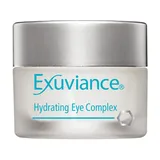
NEOSTRATAHydra Filling Eye Gel-CreamYOUR PRODUCTExuvianceDaily Eye SmootherNeutrogenaRapid Firming Peptide Multi Action Eye CreamExuviance by NeoStrataExuviance Hydrating Eye Complex
Match—66%55%52%
Price—$47.00$44.21—
Shared key ingredients—7 of 86 of 86 of 8
Key difference—Algae ExtractPalmitoyl Tetrapeptide-7Glycosphingolipids
Irritancy Medium Medium Medium Medium
Drying alcohol————
View product Shop Shop Shop

More alternatives: Obagi MD Intensive Daily Repair MoisturiserSOMD SUZANOBAGIMD IDR Intensive Daily Repair

Cheaper alternatives? See how this stacks up against similar formulas.
We compare ingredient profiles across our catalog — pick the closest match for your budget.
Open dupe finder

Product summary

"NEOSTRATA - Hydra Filling Eye Gel-Cream" is effective for: Exfoliation, Anti-aging, Moisturizing and Evens skin tone

Ingredient callouts

  • Exfoliating acids (). In this concentration, they will have a noticeable exfoliating effect. They can also have an anti-aging effect and stimulate collagen production in a long-run. PHAs (lactobionic acid 0.55% - 0.85% and gluconolactone 4.40% - 5.40%) in this product also work for improving skin hydration. They might be even able to stimulate the production of skin's natural humectants and support the healthy skin microbiome.
  • This moisturizer includes a form of Retinoids (vitamin A) - retinyl palmitate 0.30% - 0.55%, but this type of vitamin A is not very effective. It could in theory help with fine lines and wrinkles, but the effect is most likely minimal.

Price

The product retails from 32.94$ up to 54.00$ in the United States and from 39.99CA$ up to 54.00CA$ in Canada.

For a detailed price comparison: click here.

Sources cited in this review

Every concentration estimate and effectiveness label is anchored to one of these 31 studies and safety reviews.

  1. 1
  2. 2
  3. 3
  4. 4
  5. 5
  6. 6
NEOSTRATA Hydra Filling Eye Gel-Cream
NEOSTRATAHydra Filling Eye Gel-Cream

Affiliate links · As an Amazon Associate, WIMJ earns from qualifying purchases.

As an Amazon Associate, WIMJ earns from qualifying purchases.