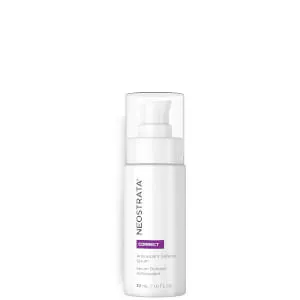
NEOSTRATA Correct Antioxidant Defense Serum for Normal, Dry and Oily Skin

NEOSTRATA Correct Antioxidant Defense Serum for Normal, Dry and Oily Skin

Efficacy100/100IrritancyHigh

Works for

Anti-aging
Maltobionic acid, Gluconolactone + 4 more
Works well
What the product description says
“Suitable for normal, dry and oily skin types, the lightweight serum helps to minimise the appearance of fine lines, enlarged pores and dullness.”
Source: Lookfantastic

This product can help reduce and prevent fine lines and wrinkles, improve skin elasticity and firmness because it contains gluconolactone, maltobionic acid.

These ingredients in the product can also be helpful, even though there is less evidence for their effectiveness: epigallocatechin gallate, vitis vinifera seed extract.

Keep in mind that it typically takes at least 6 weeks to notice any results because the changes that are needed to improve fine lines and elasticity happen in the deeper layers of the skin. No topical anti-aging product can “erase” wrinkles or fully reverse signs of aging.

Maltobionic acidKey activeEffect: HighA polyhydroxy acid (PHA) that helps shed the dead cells from the skin surface revealing smoother skin. Is genter than AHAs. In addition, it helps attract water to the upper layer of the skin. It has been shown to be helpful against acne and clogged pores. Might help reduce fine lines and wrinkles and improve skin tone with long-term application. Can help neutralize free radicals~3.1–3.8%
GluconolactoneKey activeEffect: HighA polyhydroxy acid (PHA) that helps shed the dead cells from the skin surface revealing smoother skin. Is believed to be genter than AHAs. It helps attract water to the upper layer of the skin and can stimulate production of skin's own hyaluronic acid resulting in improved hydration levels. It has been shown to be helpful against acne and clogged pores if used consistently (e.g over a period of 12 weeks) in high enough concentration. It can help reduce fine lines and wrinkles and improve skin tone with long-term application. Can help neutralize free radicals~2.2–2.7%
Epigallocatechin gallateKey activeEffect: MediumA polyphenol found in tea. This particular compound abbreviated EGCG is the most powerful antioxidant among those extracted from tea (usually green tea). Unfortunately, EGCG is unstable, requires a low pH (below 4) to prevent quick degradation, and does not penetrate the skin very well. This is why the full anti-oxidant effect of EGCG is typically not realized when it is added to topical skincare~0.55–0.8%
Vitis vinifera seed extractKey activeEffect: MediumA plant extract that contains resveratrol and other anti-oxidant compounds that can help neutralize free radicals, reduce inflammation in skin and even out its tone. Can be also used to stabilize the product formulation~0.45–0.65%
Camellia sinensis leaf extractEffect: LowCan contain potent anti-oxidant compounds (abbreviated ECG, GCG, EGC, and EGCG) that might help protect the skin from free radicals. Can help calm down inflammation and has some anti-bacterial properties. Unfortunately, these antioxidants are unstable and lose their effectiveness very quickly in products. The concentration of the antioxidant compounds in the extract also tends to be low to be effective in topical formulation~0.65–1%
Tetrahexyldecyl ascorbateUnder-dosedBeing a lipid soluble form of vitamin C, it is more stable than ascorbic acid, but still degrades quickly and needs to be stabilized in a formulation with another ingredient. It is claimed to penetrate skin better than pure vitamin C and have the the similar benefits, but solid studies of its effectiveness are lacking. Is likely to require a higher concentration in a product than pure vitamin C to be effective. It might be able to help reduce pore clogging.~0.9–1.1%
Exfoliation
Maltobionic acid, Gluconolactone
Works well
What the product description says
“Bionic and polyhydroxy acids are combined with citric acid, green tea and chardonnay grape seed extracts, creating an antioxidant-rich, gently exfoliating formula.”
Source: Lookfantastic

This product can help exfoliate the skin. In other words, it helps break down the bonds between dead cells on the surface of the skin and speed up the skin turnover. Skin often appears softer and brighter after exfoliation, but overdoing it can result in disrupted skin barrier. The following ingredient is doing the exfoliating job in this product: gluconolactone, maltobionic acid.

Maltobionic acidKey activeEffect: HighA polyhydroxy acid (PHA) that helps shed the dead cells from the skin surface revealing smoother skin. Is genter than AHAs. In addition, it helps attract water to the upper layer of the skin. It has been shown to be helpful against acne and clogged pores. Might help reduce fine lines and wrinkles and improve skin tone with long-term application. Can help neutralize free radicals~3.1–3.8%
GluconolactoneKey activeEffect: HighA polyhydroxy acid (PHA) that helps shed the dead cells from the skin surface revealing smoother skin. Is believed to be genter than AHAs. It helps attract water to the upper layer of the skin and can stimulate production of skin's own hyaluronic acid resulting in improved hydration levels. It has been shown to be helpful against acne and clogged pores if used consistently (e.g over a period of 12 weeks) in high enough concentration. It can help reduce fine lines and wrinkles and improve skin tone with long-term application. Can help neutralize free radicals~2.2–2.7%
Anti-oxidation
Side benefit · Gluconolactone, Camellia sinensis leaf extract + 8 more
Works well

This product contains antioxidants (vitis vinifera seed extract) that can help neutralize free radicals in skin. By doing so, they can lessen the damage the skin gets from the UV light (sun).

The following ingredients - camellia sinensis leaf extract, epigallocatechin gallate, gluconolactone also can have an antioxidant effect, but there is less evidence to confirm their effectiveness in skin.

GluconolactoneKey activeEffect: MediumA polyhydroxy acid (PHA) that helps shed the dead cells from the skin surface revealing smoother skin. Is believed to be genter than AHAs. It helps attract water to the upper layer of the skin and can stimulate production of skin's own hyaluronic acid resulting in improved hydration levels. It has been shown to be helpful against acne and clogged pores if used consistently (e.g over a period of 12 weeks) in high enough concentration. It can help reduce fine lines and wrinkles and improve skin tone with long-term application. Can help neutralize free radicals~2.2–2.7%
Camellia sinensis leaf extractKey activeEffect: MediumCan contain potent anti-oxidant compounds (abbreviated ECG, GCG, EGC, and EGCG) that might help protect the skin from free radicals. Can help calm down inflammation and has some anti-bacterial properties. Unfortunately, these antioxidants are unstable and lose their effectiveness very quickly in products. The concentration of the antioxidant compounds in the extract also tends to be low to be effective in topical formulation~0.65–1%
Epigallocatechin gallateKey activeEffect: MediumA polyphenol found in tea. This particular compound abbreviated EGCG is the most powerful antioxidant among those extracted from tea (usually green tea). Unfortunately, EGCG is unstable, requires a low pH (below 4) to prevent quick degradation, and does not penetrate the skin very well. This is why the full anti-oxidant effect of EGCG is typically not realized when it is added to topical skincare~0.55–0.8%
Vitis vinifera seed extractKey activeEffect: HighA plant extract that contains resveratrol and other anti-oxidant compounds that can help neutralize free radicals, reduce inflammation in skin and even out its tone. Can be also used to stabilize the product formulation~0.45–0.65%
Maltobionic acidEffect: LowA polyhydroxy acid (PHA) that helps shed the dead cells from the skin surface revealing smoother skin. Is genter than AHAs. In addition, it helps attract water to the upper layer of the skin. It has been shown to be helpful against acne and clogged pores. Might help reduce fine lines and wrinkles and improve skin tone with long-term application. Can help neutralize free radicals~3.1–3.8%
Tocopheryl acetateEffect: LowA more stable but less bio-available form of vitamin E compared to Tocopherol. Might help moisturize and protect the skin from free radicals, but mostly used in low concentrations to stabilize other ingredients.~1.1–1.3%
Coffea arabica seed extractEffect: LowMight be helpful in neutralizing free radicals in skin~0.35–0.65%
Cucumis melo cantalupensis fruit extractEffect: LowA fruit extract that might help attract water to the upper layer of the skin and might have some antioxidant properties but evidence of effectiveness in skin is missing~0.35–0.6%
Pyrus malus fruit extractEffect: Low, below effective doseCan have some moisturizing properties due to its sugar content~0.3–0.55%
Tetrahexyldecyl ascorbateUnder-dosedBeing a lipid soluble form of vitamin C, it is more stable than ascorbic acid, but still degrades quickly and needs to be stabilized in a formulation with another ingredient. It is claimed to penetrate skin better than pure vitamin C and have the the similar benefits, but solid studies of its effectiveness are lacking. Is likely to require a higher concentration in a product than pure vitamin C to be effective. It might be able to help reduce pore clogging.~0.9–1.1%
Evens skin tone
Side benefit · Maltobionic acid, Gluconolactone + 3 more
Works well

This product can help reduce hypepigmentation and even out the skin tone because it contains the following effective ingredients: gluconolactone, maltobionic acid

The following ingredient (ingredients) in this product might be helpful, but there is no evidence to confirm that it actually can help even out the skin tone: epigallocatechin gallate.

Keep in mind that you would need to apply any topical skincare targetted at hypigmentation consistently for a couple of months to get a result. No topical skincare product can help get rid of hyperpigmentation (including post-acne marks and age spots) instantly.

Maltobionic acidKey activeEffect: HighA polyhydroxy acid (PHA) that helps shed the dead cells from the skin surface revealing smoother skin. Is genter than AHAs. In addition, it helps attract water to the upper layer of the skin. It has been shown to be helpful against acne and clogged pores. Might help reduce fine lines and wrinkles and improve skin tone with long-term application. Can help neutralize free radicals~3.1–3.8%
GluconolactoneKey activeEffect: HighA polyhydroxy acid (PHA) that helps shed the dead cells from the skin surface revealing smoother skin. Is believed to be genter than AHAs. It helps attract water to the upper layer of the skin and can stimulate production of skin's own hyaluronic acid resulting in improved hydration levels. It has been shown to be helpful against acne and clogged pores if used consistently (e.g over a period of 12 weeks) in high enough concentration. It can help reduce fine lines and wrinkles and improve skin tone with long-term application. Can help neutralize free radicals~2.2–2.7%
Epigallocatechin gallateKey activeEffect: MediumA polyphenol found in tea. This particular compound abbreviated EGCG is the most powerful antioxidant among those extracted from tea (usually green tea). Unfortunately, EGCG is unstable, requires a low pH (below 4) to prevent quick degradation, and does not penetrate the skin very well. This is why the full anti-oxidant effect of EGCG is typically not realized when it is added to topical skincare~0.55–0.8%
Camellia sinensis leaf extractEffect: LowCan contain potent anti-oxidant compounds (abbreviated ECG, GCG, EGC, and EGCG) that might help protect the skin from free radicals. Can help calm down inflammation and has some anti-bacterial properties. Unfortunately, these antioxidants are unstable and lose their effectiveness very quickly in products. The concentration of the antioxidant compounds in the extract also tends to be low to be effective in topical formulation~0.65–1%
Tetrahexyldecyl ascorbateUnder-dosedBeing a lipid soluble form of vitamin C, it is more stable than ascorbic acid, but still degrades quickly and needs to be stabilized in a formulation with another ingredient. It is claimed to penetrate skin better than pure vitamin C and have the the similar benefits, but solid studies of its effectiveness are lacking. Is likely to require a higher concentration in a product than pure vitamin C to be effective. It might be able to help reduce pore clogging.~0.9–1.1%

Can it cause trouble?

Irritancy
5 strong irritants: Alcohol denat., Jasminum officinale flower/leaf extract + 3 more — patch-test recommended
High risk
We flagged 22 ingredients with irritancy potential. Severity depends on your sensitivity threshold; the table lists the worst offenders first.
IngredientFunctionIrritationEst. amount
Alcohol denat.Produces temporary toning effect. Can help dissolve other ingredients or preserve productsHigh~4.4–5.4%est.
Jasminum officinale flower/leaf extractUsed as a fragranceHigh~0.25–0.4%est.
Rose extractUsed as a fragrance. Can be irritatingHigh~0.25–0.45%est.
Elettaria cardamomum seed extractUsed as a fragranceHigh~0.2–0.4%est.
Eugenia caryophyllus flower extractA plant extract that is used as a fragrance. Can be irritatingHigh~0.25–0.45%est.
Propylene glycolHelps oil and water mix together and can enhance the penetration of other ingredients into the skin. It can be irritatingHigh~0.2–0.4%est.
Sodium bisulfiteA preservativeHigh~0.1–0.2%est.
Amyl cinnamal—High~0.15–0.3%est.
Ci 19140A yellow dyeHigh~0.05–0.1%est.
Maltobionic acidA polyhydroxy acid (PHA) that helps shed the dead cells from the skin surface revealing smoother skin. Is genter than AHAs. In addition, it helps attract water to the upper layer of the skin. It has been shown to be helpful against acne and clogged pores. Might help reduce fine lines and wrinkles and improve skin tone with long-term application. Can help neutralize free radicalsMedium~3.1–3.8%est.
GluconolactoneA polyhydroxy acid (PHA) that helps shed the dead cells from the skin surface revealing smoother skin. Is believed to be genter than AHAs. It helps attract water to the upper layer of the skin and can stimulate production of skin's own hyaluronic acid resulting in improved hydration levels. It has been shown to be helpful against acne and clogged pores if used consistently (e.g over a period of 12 weeks) in high enough concentration. It can help reduce fine lines and wrinkles and improve skin tone with long-term application. Can help neutralize free radicalsMedium~2.2–2.7%est.
Dimethicone peg-7 phosphateHelps oil and water mix togetherMedium~1.9–2.3%est.
Citric acidCan work as an exfoliant but is typically used to adjust the product pHMedium~1.4–1.7%est.
Tocopheryl acetateA more stable but less bio-available form of vitamin E compared to Tocopherol. Might help moisturize and protect the skin from free radicals, but mostly used in low concentrations to stabilize other ingredients.Medium~1.1–1.3%est.
Tetrahexyldecyl ascorbateBeing a lipid soluble form of vitamin C, it is more stable than ascorbic acid, but still degrades quickly and needs to be stabilized in a formulation with another ingredient. It is claimed to penetrate skin better than pure vitamin C and have the the similar benefits, but solid studies of its effectiveness are lacking. Is likely to require a higher concentration in a product than pure vitamin C to be effective. It might be able to help reduce pore clogging.Medium~0.9–1.1%est.
Cucumis melo cantalupensis fruit extractA fruit extract that might help attract water to the upper layer of the skin and might have some antioxidant properties but evidence of effectiveness in skin is missingMedium~0.35–0.6%est.
Pyrus malus fruit extractCan have some moisturizing properties due to its sugar contentMedium~0.3–0.55%est.
Caprylic/capric triglycerideA good mix of fatty acids that forms a protective layer on the skin. Improves the shelf life of products. Derived from coconut and glycerinMedium~0.3–0.55%est.
Ammonium hydroxideHelps adjust the product pHMedium~0.2–0.4%est.
Caprylyl glycolHelps preserve products and creates a nice product textureMedium~0.2–0.35%est.
ChlorphenesinA preservativeMedium~0.1–0.2%est.
Ci 14700A colorantMedium~0.1–0.15%est.
Comedogenic
Clean of flagged comedogenic ingredients
None flagged

User reviews

Would you recommend?
No community reviews yet.

Be the first — your take helps the next person decide.

Ingredients

Filter by role to see what each ingredient is doing.

Water~45–55%
Formula
Irritation risk
Low

Plain old water

More about Water
Butylene glycol~6.5–7.9%
Formula
Irritation risk
Low
Works for
Moisturizing

Used to create a nice product texture and help delivery of other ingredients. Might be somewhat helpful in attracting water to the upper layer of the skin

More about Butylene glycol
Alcohol denat.~4.4–5.4%
Irritant · high
Irritation risk
High

Produces temporary toning effect. Can help dissolve other ingredients or preserve products

More about Alcohol denat.
Maltobionic acid~3.1–3.8%
Key activeIrritant · medium
Irritation risk
Medium
Works for
Evens skin toneMoisturizingAnti-agingExfoliationAnti-blemishAnti-oxidation

A polyhydroxy acid (PHA) that helps shed the dead cells from the skin surface revealing smoother skin. Is genter than AHAs. In addition, it helps attract water to the upper layer of the skin. It has been shown to be helpful against acne and clogged pores. Might help reduce fine lines and wrinkles and improve skin tone with long-term application. Can help neutralize free radicals

More about Maltobionic acid
Gluconolactone~2.2–2.7%
Key activeIrritant · medium
Irritation risk
Medium
Works for
MoisturizingAnti-agingEvens skin toneExfoliationAnti-blemishAnti-oxidation

A polyhydroxy acid (PHA) that helps shed the dead cells from the skin surface revealing smoother skin. Is believed to be genter than AHAs. It helps attract water to the upper layer of the skin and can stimulate production of skin's own hyaluronic acid resulting in improved hydration levels. It has been shown to be helpful against acne and clogged pores if used consistently (e.g over a period of 12 weeks) in high enough concentration. It can help reduce fine lines and wrinkles and improve skin tone with long-term application. Can help neutralize free radicals

More about Gluconolactone
Polysorbate 80~1.9–2.3%
Formula
Irritation risk
Low
Works for
Cleansing

Helps water and oil mix together

More about Polysorbate 80
Dimethicone peg-7 phosphate~1.9–2.3%
Irritant · medium
Irritation risk
Medium
Works for
Cleansing

Helps oil and water mix together

More about Dimethicone peg-7 phosphate
Citric acid~1.4–1.7%
Irritant · medium
Irritation risk
Medium

Can work as an exfoliant but is typically used to adjust the product pH

More about Citric acid
Tocopheryl acetate~1.1–1.3%
Irritant · medium
Irritation risk
Medium
Works for
Anti-oxidation

A more stable but less bio-available form of vitamin E compared to Tocopherol. Might help moisturize and protect the skin from free radicals, but mostly used in low concentrations to stabilize other ingredients.

More about Tocopheryl acetate
Tetrahexyldecyl ascorbate~0.9–1.1%
Under-dosedIrritant · medium
Irritation risk
Medium
Works for
Anti-agingEvens skin toneAnti-oxidation

Being a lipid soluble form of vitamin C, it is more stable than ascorbic acid, but still degrades quickly and needs to be stabilized in a formulation with another ingredient. It is claimed to penetrate skin better than pure vitamin C and have the the similar benefits, but solid studies of its effectiveness are lacking. Is likely to require a higher concentration in a product than pure vitamin C to be effective. It might be able to help reduce pore clogging.

More about Tetrahexyldecyl ascorbate
Camellia sinensis leaf extract~0.65–1%
Key active
Irritation risk
Low
Works for
AntibacterialAnti-oxidationAnti-agingAnti-blemishEvens skin toneMoisturizing

Can contain potent anti-oxidant compounds (abbreviated ECG, GCG, EGC, and EGCG) that might help protect the skin from free radicals. Can help calm down inflammation and has some anti-bacterial properties. Unfortunately, these antioxidants are unstable and lose their effectiveness very quickly in products. The concentration of the antioxidant compounds in the extract also tends to be low to be effective in topical formulation

More about Camellia sinensis leaf extract
Epigallocatechin gallate~0.55–0.8%
Key active
Irritation risk
Low
Works for
Anti-blemishAnti-oxidationAnti-agingEvens skin toneMoisturizing

A polyphenol found in tea. This particular compound abbreviated EGCG is the most powerful antioxidant among those extracted from tea (usually green tea). Unfortunately, EGCG is unstable, requires a low pH (below 4) to prevent quick degradation, and does not penetrate the skin very well. This is why the full anti-oxidant effect of EGCG is typically not realized when it is added to topical skincare

More about Epigallocatechin gallate
Syringa vulgaris leaf cell culture extract~0.45–0.7%
Formula
Syringa vulgaris extract~0.35–0.65%
Formula
Coffea arabica seed extract~0.35–0.65%
Formula
Irritation risk
Low
Works for
Anti-oxidation

Might be helpful in neutralizing free radicals in skin

More about Coffea arabica seed extract
Vitis vinifera seed extract~0.45–0.65%
Key active
Irritation risk
Low
Works for
Anti-oxidationAnti-agingAnti-inflammatoryAntibacterial

A plant extract that contains resveratrol and other anti-oxidant compounds that can help neutralize free radicals, reduce inflammation in skin and even out its tone. Can be also used to stabilize the product formulation

More about Vitis vinifera seed extract
Cucumis melo cantalupensis fruit extract~0.35–0.6%
Irritant · medium
Irritation risk
Medium
Works for
Anti-oxidationMoisturizing

A fruit extract that might help attract water to the upper layer of the skin and might have some antioxidant properties but evidence of effectiveness in skin is missing

More about Cucumis melo cantalupensis fruit extract
Pyrus malus fruit extract~0.3–0.55%
Irritant · medium
Irritation risk
Medium
Works for
MoisturizingAnti-oxidation

Can have some moisturizing properties due to its sugar content

More about Pyrus malus fruit extract
Jasminum officinale flower/leaf extract~0.25–0.4%
Irritant · high
Irritation risk
High

Used as a fragrance

More about Jasminum officinale flower/leaf extract
Rose extract~0.25–0.45%
Irritant · high
Irritation risk
High

Used as a fragrance. Can be irritating

More about Rose extract
Elettaria cardamomum seed extract~0.2–0.4%
Irritant · high
Irritation risk
High

Used as a fragrance

More about Elettaria cardamomum seed extract
Abies balsamea extract~0.25–0.5%
Formula
Eugenia caryophyllus flower extract~0.25–0.45%
Irritant · high
Irritation risk
High

A plant extract that is used as a fragrance. Can be irritating

More about Eugenia caryophyllus flower extract
Maltodextrin~0.25–0.45%
Formula
Irritation risk
Low
Works for
Mattifying

Used to stabilize the product formulation and can help absorb oil

More about Maltodextrin
Caprylic/capric triglyceride~0.3–0.55%
Irritant · medium
Irritation risk
Medium
Works for
Moisturizing

A good mix of fatty acids that forms a protective layer on the skin. Improves the shelf life of products. Derived from coconut and glycerin

More about Caprylic/capric triglyceride
Propylene glycol~0.2–0.4%
Irritant · high
Irritation risk
High
Works for
Moisturizing

Helps oil and water mix together and can enhance the penetration of other ingredients into the skin. It can be irritating

More about Propylene glycol
Ammonium hydroxide~0.2–0.4%
Irritant · medium
Irritation risk
Medium

Helps adjust the product pH

More about Ammonium hydroxide
Hydroxyethylcellulose~0.25–0.4%
Formula
Irritation risk
Low

Used to thicken product formulations and create gel-like textures

More about Hydroxyethylcellulose
Sodium bisulfite~0.1–0.2%
Irritant · high
Irritation risk
High

A preservative

More about Sodium bisulfite
Amyl cinnamal~0.15–0.3%
Irritant · high
Irritation risk
High
More about Amyl cinnamal
Caprylyl glycol~0.2–0.35%
Irritant · medium
Irritation risk
Medium
Works for
Moisturizing

Helps preserve products and creates a nice product texture

More about Caprylyl glycol
Chlorphenesin~0.1–0.2%
Irritant · medium
Irritation risk
Medium

A preservative

More about Chlorphenesin
Phenoxyethanol~0.15–0.25%
Formula
Irritation risk
Low

A preservative. It helps prevent bacterial growth in cosmetic products

More about Phenoxyethanol
Caramel~0.1–0.2%
Formula
Irritation risk
Low
More about Caramel
Ci 14700~0.1–0.15%
Irritant · medium
Irritation risk
Medium

A colorant

More about Ci 14700
Ci 19140~0.05–0.1%
Irritant · high
Irritation risk
High

A yellow dye

More about Ci 19140
Ingredient list view

Water, Butylene glycol, Alcohol denat., Maltobionic acid, Gluconolactone, Polysorbate 80, Dimethicone peg-7 phosphate, Citric acid, Tocopheryl acetate, Tetrahexyldecyl ascorbate, Camellia sinensis leaf extract, Epigallocatechin gallate, Syringa vulgaris leaf cell culture extract, Syringa vulgaris extract, Coffea arabica seed extract, Vitis vinifera seed extract, Cucumis melo cantalupensis fruit extract, Pyrus malus fruit extract, Jasminum officinale flower/leaf extract, Rose extract, Elettaria cardamomum seed extract, Abies balsamea extract, Eugenia caryophyllus flower extract, Maltodextrin, Caprylic/capric triglyceride, Propylene glycol, Ammonium hydroxide, Hydroxyethylcellulose, Sodium bisulfite, Amyl cinnamal, Caprylyl glycol, Chlorphenesin, Phenoxyethanol, Caramel, Ci 14700, Ci 19140

Compare prices

Retailers ranked by price — lowest first.

🇬🇧 Lookfantastic (UK)30 ml
≈ $92.57 Out of stock
Check

Affiliate links · As an Amazon Associate, WIMJ earns from qualifying purchases.

Worth comparing, line by line.

Match % combines shared ingredients, the first five ingredients, shared actives and hero ingredients, irritancy (lower counts in the alternative's favour), texture and body area. Only products in the same routine step are compared.

Side-by-side comparison of this product against its closest alternatives
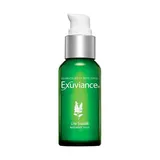
NEOSTRATACorrect Antioxidant Defense Serum for Normal, Dry and Oily SkinYOUR PRODUCTExuvianceLine Smooth Antioxidant SerumYouth To The People15% Vitamin C + Clean Caffeine Energy SerumSkingredientsSkin Veg
Match—62%46%44%
Price——$71.29$56.10
Shared key ingredients—7 of 72 of 72 of 7
Key difference——3-O-Ethyl Ascorbic AcidBeta-Glucan
Irritancy High High Medium Low
Drying alcohol Contains drying alcohol Contains drying alcohol ——
View product Shop Shop Shop

More alternatives: Jack Black Brightening Booster Vitamin C SerumGatineau Age Benefit Youth Revitalising Oil-Serum

Cheaper alternatives? See how this stacks up against similar formulas.
We compare ingredient profiles across our catalog — pick the closest match for your budget.
Open dupe finder

Sources cited in this review

Every concentration estimate and effectiveness label is anchored to one of these 24 studies and safety reviews.

  1. 1
  2. 2
  3. 3
  4. 4
  5. 5
  6. 6
NEOSTRATA Correct Antioxidant Defense Serum for Normal, Dry and Oily Skin
NEOSTRATACorrect Antioxidant Defense Serum for Normal, Dry and Oily Skin

Affiliate links · As an Amazon Associate, WIMJ earns from qualifying purchases.

As an Amazon Associate, WIMJ earns from qualifying purchases.