Works for:
based on ingredients and %- Moisturizing
- Evens skin tone
- Anti-oxidation
Can it cause trouble?
- Irritation risk: high
- Comedogenic risk ingredients: 0
Key actives

Product Summary
"Natura Bissé - C+C Vitamin Fluid" could be helpful for: Evens skin tone and Moisturizing, but its actives are not the most effective or are not well-studied.
Ingredient callouts
- This product also contains Vitamin C (Ascorbic Acid). It can be an effective active for anti-aging and evening out the skin tone, but in this product it is used for stabilizing other ingredients in the formulation. In this concentration (0.25% - 0.45%) it cannot have a noticeable benefit for the skin.
- Humectants (glycerin 1.80% - 2.20% and hydrolyzed collagen 0.45% - 0.70%). These ingredients help attract water to the upper layer of the skin and improve the skin hydration.
Price
The product retails for 115.00$ in the United States and from 92.25£ up to 99.00£ in the United Kingdom.
For a detailed price comparison: click here.
Works for
Anti-oxidation
This product contains antioxidants (3-o-ethyl ascorbic acid) that might be able to help neutralize free radicals in skin to lessen the damage it gets from the UV light (sun). There is not enough evidence to confirm their effectiveness in skin though.
A vitamin C derivative that is more stable but less potent than pure form of vitamin C. Can help neutralize free radicals and help reduce hyperpigmentation, but the required concentration is likely to be much higher than for the pure form of vitamin C, limiting the ingredient's effectiveness in products
A plant oil that might help neutralize free radicals and have an anti-bacterial effect
A tree bark extract that has antibacterial properties and might have an anti-oxidant effect. Its effectiveness in skin has not been studied
A great emollient that can also have anti-oxidant properties
Pure form of vitamin E. Can help moisturise and protect the skin from free radicals. Often used to help stabilise other ingredients or the formula itself
The most well-researched antioxidant that works in skin. Helps neutralize free radicals supporting collagen production, helping to even out the skin tone and preventing early signs of aging
A more stable but less bio-available form of vitamin E compared to Tocopherol. Might help moisturize and protect the skin from free radicals, but mostly used in low concentrations to stabilize other ingredients.
Being a lipid soluble form of vitamin C, it is more stable and can penetrate the skin better than L-Ascorbic acid. It is effective in protecting the skin from free radicals, as well as evening the skin tone, but is less effective in stimulating collagen production compared to L-Ascorbic acid.
Evens skin tone
The following ingredient (ingredients) in this product might be helpful, but there is no evidence to confirm that it actually works: 3-o-ethyl ascorbic acid.
A vitamin C derivative that is more stable but less potent than pure form of vitamin C. Can help neutralize free radicals and help reduce hyperpigmentation, but the required concentration is likely to be much higher than for the pure form of vitamin C, limiting the ingredient's effectiveness in products
The most well-researched antioxidant that works in skin. Helps neutralize free radicals supporting collagen production, helping to even out the skin tone and preventing early signs of aging
Moisturizing
What does the product description say?
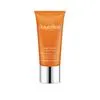
Achieve luminous skin with the C+C Fluid, formulated with antioxidants to create a light matte-finish while firming, moisturising, and repairing skin damage caused by UV radiation. Read more
Source: Face the future
This product can help improve hydration of the skin with the two types of ingredients.
The first type is called “humectants”:
these ingredients help attract water.
When humectants are on the surface of the skin, they “pull in” the moisture from the outside environment, or from
within deeper layers of the skin. The following ingredients in this product do the job:
glycerin, hydrolyzed collagen.
This product also contains ingredients called “occlusives”. They help reduce the speed with which our skin loses moisture to the outside environment. These ingredients also help soften the upper layer of the skin, so it feels less tight and nicer to the touch. The following ingredients in this product do the job: helianthus annuus seed oil, hydrolyzed collagen.
A great emollient that can also have anti-oxidant properties
A typically plant-derived compound that is supposed mimic human collagen. Cannot penetrate the skin barrier so is not particularly useful in skincare products beyond attracting water to the upper layer of the skin
One of the best moisturizing ingredients. Naturally present in skin. It attracts water to the upper layer of the skin working as a humectant
Pro-vitamin D. It is claimed to have anti-inflammatory effect in skin, but there is no research available confirming that this compound converts to vitamin D in skin or has any other benefits apart from softening the upper layer of the skin. This compound is different from the Vitamin D3 analogues used in medicine to treat psoriasis
A great emollient due to its high linoleic acid content. One of the most effective plant oils in helping skin hydration and repairing skin barrier function
Emollients that are naturaly present in skin. In addition, they help water and oil mix together in the product
A silicone that helps improve the product texture and spreadability. Can absorb oil creating a short-term mattifying effect on the skin
Helps soften the upper layer of the skin without creatng a greasy finish
Helps soften the upper layer of the skin
An emollient that helps soften the skin
Helps to soften the upper layer of the skin and create a nice product texture
An emollient that helps to soften the skin and create a pleasant product texture and stabilize the formulation
Helps water and oil mix together and softens the upper layer of the skin
Pure form of vitamin E. Can help moisturise and protect the skin from free radicals. Often used to help stabilise other ingredients or the formula itself
How honest is this product?
| Promise | Can it deliver? |
|---|---|
| Moisturizing |
Total Promises Fulfilled score: 75/100.
We receive a small commission for purchases made through these links at no cost for you. Thank you for your support! Learn more
Potential irritants
Comedogenic ingredients
No comedogenic ingredients detected
User reviews (0)
Averages from community submissions.
No reviews yet for this product.
Be the first to share your experience!
Tried this product?
Help capture what the ingredient list can't—texture, finish, pilling, scent, and more. Answer what you can, skip the rest.
Takes ~30 seconds.
Reviews are shown in aggregate. No personal details.
| Product | Similarity | Price | Irritancy |
|---|---|---|---|
 Natura Bissé C+C Vitamin Fluid | Current | ≈ $132.02 | |
 Functionalab Retinol 0,5% Serum | 52% | $130.00 | |
 Cosmetex Roland Beauty Liquid Concentrate Ultra Moisturizing Lotion Vitamin C | 51% | $11.07 | |
 SKIN&LAB Vitamin C Brightening Serum | 51% | $13.20 | |
 Josh Rosebrook C Complex Vitamin C Serum | 51% | $65.00 | |
 BABOR POWER SERUM AMPOULE: VITAMIN C | 51% | - |
Key Actives
Pure form of vitamin E. Can help moisturise and protect the skin from free radicals. Often used to help stabilise other ingredients or the formula itself
A vitamin C derivative that is more stable but less potent than pure form of vitamin C. Can help neutralize free radicals and help reduce hyperpigmentation, but the required concentration is likely to be much higher than for the pure form of vitamin C, limiting the ingredient's effectiveness in products
A silicone that helps improve the product texture and spreadability. Can absorb oil creating a short-term mattifying effect on the skin
A great emollient that can also have anti-oxidant properties
One of the best moisturizing ingredients. Naturally present in skin. It attracts water to the upper layer of the skin working as a humectant
A typically plant-derived compound that is supposed mimic human collagen. Cannot penetrate the skin barrier so is not particularly useful in skincare products beyond attracting water to the upper layer of the skin
A great emollient due to its high linoleic acid content. One of the most effective plant oils in helping skin hydration and repairing skin barrier function
Pro-vitamin D. It is claimed to have anti-inflammatory effect in skin, but there is no research available confirming that this compound converts to vitamin D in skin or has any other benefits apart from softening the upper layer of the skin. This compound is different from the Vitamin D3 analogues used in medicine to treat psoriasis
Potential irritants
A vitamin C derivative that is more stable but less potent than pure form of vitamin C. Can help neutralize free radicals and help reduce hyperpigmentation, but the required concentration is likely to be much higher than for the pure form of vitamin C, limiting the ingredient's effectiveness in products
A plant extract that can contain an active compound curcumin, that may have some anti-inflammatory properties when applied to the skin, but solid research is lacking and the typical concentration used in skincare products is too low. Can be an irritant
A tree bark extract that has antibacterial properties and might have an anti-oxidant effect. Its effectiveness in skin has not been studied
Used as a fragrance. It can be irritating and cause photosensitivity
The most well-researched antioxidant that works in skin. Helps neutralize free radicals supporting collagen production, helping to even out the skin tone and preventing early signs of aging
An aromatic blend of unspecified and possibly irritating ingredients
A common frangrance that can easily irritate skin, especially if exposed to air, light or heat
A great emollient that can also have anti-oxidant properties
A more stable but less bio-available form of vitamin E compared to Tocopherol. Might help moisturize and protect the skin from free radicals, but mostly used in low concentrations to stabilize other ingredients.
Pro-vitamin D. It is claimed to have anti-inflammatory effect in skin, but there is no research available confirming that this compound converts to vitamin D in skin or has any other benefits apart from softening the upper layer of the skin. This compound is different from the Vitamin D3 analogues used in medicine to treat psoriasis
Being a lipid soluble form of vitamin C, it is more stable and can penetrate the skin better than L-Ascorbic acid. It is effective in protecting the skin from free radicals, as well as evening the skin tone, but is less effective in stimulating collagen production compared to L-Ascorbic acid.
Helps to control the skin's pH level. Maintains the skin's natural film of amino-lactic acids and oils. Helps to preserve products
Helps water and oil mix together and softens the upper layer of the skin
Used to stabilize the product formulation protecting it from sun light
Can work as an exfoliant but is typically used to adjust the product pH
Comedogenic ingredients
We couldn't find any comedogenic ingredients in this product
All ingredients
A silicone that helps improve the product texture and spreadability. Can absorb oil creating a short-term mattifying effect on the skin
An emollient that helps to soften the skin and create a pleasant product texture and stabilize the formulation
A great emollient that can also have anti-oxidant properties
Acts as a solvent for other ingredients. Speeds up the absorption of other ingredients into the skin
One of the best moisturizing ingredients. Naturally present in skin. It attracts water to the upper layer of the skin working as a humectant
A vitamin C derivative that is more stable but less potent than pure form of vitamin C. Can help neutralize free radicals and help reduce hyperpigmentation, but the required concentration is likely to be much higher than for the pure form of vitamin C, limiting the ingredient's effectiveness in products
Helps soften the upper layer of the skin without creatng a greasy finish
A plant extract that can contain an active compound curcumin, that may have some anti-inflammatory properties when applied to the skin, but solid research is lacking and the typical concentration used in skincare products is too low. Can be an irritant
A tree bark extract that has antibacterial properties and might have an anti-oxidant effect. Its effectiveness in skin has not been studied
A typically plant-derived compound that is supposed mimic human collagen. Cannot penetrate the skin barrier so is not particularly useful in skincare products beyond attracting water to the upper layer of the skin
A more stable but less bio-available form of vitamin E compared to Tocopherol. Might help moisturize and protect the skin from free radicals, but mostly used in low concentrations to stabilize other ingredients.
A great emollient due to its high linoleic acid content. One of the most effective plant oils in helping skin hydration and repairing skin barrier function
Used as a fragrance. It can be irritating and cause photosensitivity
Emollients that are naturaly present in skin. In addition, they help water and oil mix together in the product
Pro-vitamin D. It is claimed to have anti-inflammatory effect in skin, but there is no research available confirming that this compound converts to vitamin D in skin or has any other benefits apart from softening the upper layer of the skin. This compound is different from the Vitamin D3 analogues used in medicine to treat psoriasis
The most well-researched antioxidant that works in skin. Helps neutralize free radicals supporting collagen production, helping to even out the skin tone and preventing early signs of aging
Pure form of vitamin E. Can help moisturise and protect the skin from free radicals. Often used to help stabilise other ingredients or the formula itself
A plant oil that might help neutralize free radicals and have an anti-bacterial effect
Being a lipid soluble form of vitamin C, it is more stable and can penetrate the skin better than L-Ascorbic acid. It is effective in protecting the skin from free radicals, as well as evening the skin tone, but is less effective in stimulating collagen production compared to L-Ascorbic acid.
Helps to control the skin's pH level. Maintains the skin's natural film of amino-lactic acids and oils. Helps to preserve products
Helps to soften the upper layer of the skin and create a nice product texture
Helps water and oil mix together and softens the upper layer of the skin
Used to stabilize the product formulation protecting it from sun light
A type of sugar that is used to support delivery of active ingredients and can enhance their penetration into the skin without disrupting the skin's barrier
Can work as an exfoliant but is typically used to adjust the product pH
A preservative. It helps prevent bacterial growth in cosmetic products
An aromatic blend of unspecified and possibly irritating ingredients
A common frangrance that can easily irritate skin, especially if exposed to air, light or heat
Ingredient list view
Water, Cetearyl ethylhexanoate, Cyclopentasiloxane, Octyldodecanol, Vitis vinifera seed oil, Propanediol, Glycerin, Polyacrylate crosspolymer-11, 3-o-ethyl ascorbic acid, Diisopropyl sebacate, Ethylhexyl stearate, Ppg-3 myristyl ether, Curcuma longa root extract, Anogeissus leiocarpus bark extract, Hydrolyzed collagen, Tocopheryl acetate, Helianthus annuus seed oil, Citrus nobilis oil, Citrus aurantium dulcis oil, Phospholipids, 7-dehydrocholesterol, Ascorbic acid, Tocopherol, Daucus carota sativa seed oil, Beta-carotene, Ascorbyl palmitate, Ethylhexylglycerin, Sodium acrylates copolymer, Sodium citrate, Hydrogenated polydecene, Polyglyceryl-10 stearate, Peg-20 palmitate, Benzotriazolyl dodecyl p-cresol, Peg-20 myristate, Octadecyl di-t-butyl-4-hydroxyhydrocinnamate, Cyclodextrin, Citric acid, Disodium edta, Phenoxyethanol, Parfum, Limonene, Linalool, Amyl cinnamal
- Glycerol and the skin: holistic approach to its origin and functions
- Antioxidant Ability and Stability Studies of 3-O-Ethyl Ascorbic Acid, a Cosmetic Tyrosinase Inhibitor
- Vaughn, A. R., Branum, A., & Sivamani, R. K. (2016). Effects of Turmeric (Curcuma longa) on Skin Health: A Systematic Review of the Clinical Evidence. Phytotherapy Research, 30(8), 1243–1264. doi:10.1002/ptr.5640
- Biological Evaluation of Four Selected African Medicinal Plants for Their Trypanocidal Properties, Mode of action, and Chemical Compounds
- Bacteriostatic and Bactericidal effects of ethyl acetate root bark extract of Terminalia avicennioides on Methicillin-resistant Staphylococcus aureus
- Effect of Olive and Sunflower Seed Oil on the Adult Skin Barrier: Implications for Neonatal Skin Care
- Topically Applied Sunflower Seed Oil Prevents Invasive Bacterial Infections in Preterm Infants in Egypt
- Effect of topically applied lipids on surfactant-irritated skin
- Impact of topical oils on the skin barrier: possible implications for neonatal health in developing countries
- Safety Assessment of Citrus-Derived Peel Oils as Used in Cosmetics
- Oxidized citrus oil (R-limonene): A frequent skin sensitizer in Europe
- Air oxidation increases skin irritation from fragrance terpenes
- Vitamin D Regulation of Cathelicidin in the Skin: Toward a Renaissance of Vitamin D in Dermatology?
- Off-Label Uses of Topical Vitamin D in Dermatology: A Systematic Review
- The Rationale Behind Topical Vitamin D Analogs in the Treatment of Psoriasis
- Vitamin E in dermatology
- Vitamin E and Skin Health
- New Claims for Wild Carrot (Daucus carota subsp. carota) Essential Oil
- Final Report on the Safety Assessment of Acrylates Copolymer and 33 Related Cosmetic Ingredients
- Safety Assessment of Polyene Group as Used in Cosmetics
- Safety Assessment of Polyglyceryl Fatty Acid Esters as Used in Cosmetics
- Cyclodextrins: new drug delivery systems in dermatology