Works for
ExfoliationGluconolactone, AllantoinWorks well
“Radiant Skin Exfoliating Wipes”
This product can help exfoliate the skin. In other words, it helps break down the bonds between dead cells on the surface of the skin and speed up the skin turnover. Skin often appears softer and brighter after exfoliation, but overdoing it can result in disrupted skin barrier. The following ingredient is doing the exfoliating job in this product: gluconolactone.
CleansingPolyglyceryl-10 laurateCan be harsh
“Refine and brighten your complexion with a gentle plant-derived solution, pre-soaked into ready-to-use wipes.”
This product works by removing dirt and oil from the surface of the skin.
Keep in mind that cleansing can disrupt the skin barrier, and most people do not need to cleanse their skin more than once per day.
Can it cause trouble?
Irritancy3 strong irritants: Pelargonium graveolens flower oil, Citrus aurantium dulcis fruit extract + 1 more — patch-test recommendedHigh risk
ComedogenicClean of flagged comedogenic ingredientsNone flagged


User reviews
Be the first — your take helps the next person decide.
Ingredients
Filter by role to see what each ingredient is doing.
Water~40–60%
Dipropylene glycol~7.3–10.9%
- Irritation risk
- Low
Helps to dissolve other ingredients in a formulation. Slows down the rate of product drying
More about Dipropylene glycolGlycerin~3.7–5.5%
- Irritation risk
- Low
One of the best moisturizing ingredients. Naturally present in skin. It attracts water to the upper layer of the skin working as a humectant
More about Glycerin1,2-hexanediol~1.5–2.3%
Dipotassium glycyrrhizate~2.1–3.1%
- Irritation risk
- Low
A salt derived from licorice. Works as an emollient to soften the upper layer of the skin and can help calm down inflammation. Might be helpful for skin lightening
More about Dipotassium glycyrrhizatePanthenol~1.6–2.4%
- Irritation risk
- Low
Helps attract water to the upper layer of the skin and can help improve skin barrier function
More about PanthenolAllantoin~1.3–1.9%
- Irritation risk
- Low
Helps calm down inflammation in skin and can help reduce itching. Helps to repair the skin barrier and keep skin hydrated
More about AllantoinSodium citrate~1.1–1.7%
- Irritation risk
- Medium
Helps to control the skin's pH level. Maintains the skin's natural film of amino-lactic acids and oils. Helps to preserve products
More about Sodium citrateGluconolactone~0.95–1.4%
- Irritation risk
- Medium
A polyhydroxy acid (PHA) that helps shed the dead cells from the skin surface revealing smoother skin. Is believed to be genter than AHAs. It helps attract water to the upper layer of the skin and can stimulate production of skin's own hyaluronic acid resulting in improved hydration levels. It has been shown to be helpful against acne and clogged pores if used consistently (e.g over a period of 12 weeks) in high enough concentration. It can help reduce fine lines and wrinkles and improve skin tone with long-term application. Can help neutralize free radicals
More about GluconolactonePropanediol~0.6–1.35%
- Irritation risk
- Low
Acts as a solvent for other ingredients. Speeds up the absorption of other ingredients into the skin
More about PropanediolPolyglyceryl-10 laurate~0.45–1%
- Irritation risk
- Medium
Helps water and oil mix together
More about Polyglyceryl-10 laurateEthylhexylglycerin~0.35–0.8%
Pelargonium graveolens flower oil~0.3–0.7%
- Irritation risk
- High
An essential oil. Can be irritating. Can become an allergen with oxidation
More about Pelargonium graveolens flower oilButylene glycol~0.15–0.65%
- Irritation risk
- Low
Used to create a nice product texture and help delivery of other ingredients. Might be somewhat helpful in attracting water to the upper layer of the skin
More about Butylene glycolSodium hyaluronate~0.1–0.5%
- Irritation risk
- Low
One of the best moisturizing ingredients. Attracts water into the upper layer of the skin
More about Sodium hyaluronateAloe barbadensis leaf extract~0.15–0.6%
- Irritation risk
- Medium
Traditionally used to treat sunburns, dermatitis and inflammation, but evidence for its effectiveness is lacking. The extract can contain humectants that help attract water into the skin
More about Aloe barbadensis leaf extractSodium ascorbyl phosphate~0.1–0.3%
- Irritation risk
- Medium
A stable derivative of vitamin C. It is oil-soluble which means it is more likely to penetrate the skin compared to the pure form of vitamin C (which is water-soluble), but it is less bio-available and is way less effective in stimulating collagen and reducing wrinkles compared to the pure form of vitamin C (L-ascorbic acid) and its other derivatives (for example, magnesium ascorbyl phosphate). At the same time, this vitamin C derivative has been shown in studies to be effective in reducing acne, blemishes and clogged pores. It is less irritating then the pure form of vitamin C
More about Sodium ascorbyl phosphateAscorbic acid~0.05–0.2%
- Irritation risk
- High
The most well-researched antioxidant that works in skin. Helps neutralize free radicals supporting collagen production, helping to even out the skin tone and preventing early signs of aging
More about Ascorbic acidCitrus aurantium dulcis fruit extract~0.05–0.15%
- Irritation risk
- High
A plant extract that is used as a fragrance. Can be irritating and lead to photosensitivity
More about Citrus aurantium dulcis fruit extractCarica papaya fruit extract~0.05–0.15%
- Irritation risk
- High
Ingredient list view
Water, Dipropylene glycol, Glycerin, 1,2-hexanediol, Dipotassium glycyrrhizate, Panthenol, Allantoin, Sodium citrate, Gluconolactone, Propanediol, Polyglyceryl-10 laurate, Ethylhexylglycerin, Pelargonium graveolens flower oil, Butylene glycol, Sodium hyaluronate, Aloe barbadensis leaf extract, Sodium ascorbyl phosphate, Ascorbic acid, Citrus aurantium dulcis fruit extract, Carica papaya fruit extract
Compare prices
Retailers ranked by price — lowest first.
Affiliate links · As an Amazon Associate, WIMJ earns from qualifying purchases.
Worth comparing, line by line.
Match % combines shared ingredients, the first five ingredients, shared actives and hero ingredients, irritancy (lower counts in the alternative's favour), texture and body area. Only products in the same routine step are compared.
| NatioRadiant Skin Exfoliating WipesYOUR PRODUCT | ULTARenewed Reality Cleansing Wipes | Spotles SKNJelly Cleanser | MEDIHEALRose PDRN Derma Cream Pack Cleanser | |
|---|---|---|---|---|
| Match | — | 53% | 52% | 52% |
| Price | — | — | $8.90 | $17.22 |
| Shared key ingredients | — | 2 of 7 | 3 of 7 | 2 of 7 |
| Key difference | — | Polyglyceryl-2 Dipolyhydroxystearate | Betaine | Hydrolyzed Hyaluronic Acid |
| Irritancy | High | Medium | Low | Medium |
| Drying alcohol | — | — | — | — |
| View product | Shop | Shop | Shop |

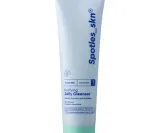
More alternatives: Facetheory HydraCleanse Rebalancing Gel Cleanser | Gentle Daily Face Wash - facetheory.comTypology Exfoliating Face Gel Cleanser — 5% PHA + Aloe Vera
Sources cited in this review
Every concentration estimate and effectiveness label is anchored to one of these 31 studies and safety reviews.
- 1
- 2
- 3
- 4
- 5Skin moisturizing effects of panthenol-based formulationspdfs.semanticscholar.org
- 6

Affiliate links · As an Amazon Associate, WIMJ earns from qualifying purchases.