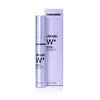
Mesoestetic Daily Deal: mesoestetic Ultimate W+ Whitening Spot Eraser

Mesoestetic Daily Deal: mesoestetic Ultimate W+ Whitening Spot Eraser

Efficacy100/100IrritancyMedium

Works for

Exfoliation
Glycolic acid, Retinyl palmitate
Works well
What the product description says
“Glycolic Acid – An alpha-hydroxy acid, which helps to stimulate cell renewal.”
Source: Face the future

This product can help exfoliate the skin. In other words, it helps break down the bonds between dead cells on the surface of the skin and speed up the skin turnover. Skin often appears softer and brighter after exfoliation, but overdoing it can result in disrupted skin barrier. The following ingredient is doing the exfoliating job in this product: glycolic acid.

Glycolic acidKey activeEffect: HighAn alpha-hydroxy acid (AHA) that helps to remove the dead skin cells on the surface of the skin reveling a more even, smoother complexation. It is also able to stimulate collagen production with long-term use. Could help to reduce pore congestion. It can be irritating to the skin. Apply sunscreen daily if using products with glycolic acid~0.7–1.05%
Retinyl palmitateEffect: Low, below effective doseThree steps removed from the active form of vitamin A - retinoic acid. To have an effect in the skin, it first needs to be converted twice to become the retinoic acid. This means it is less potent than retinol, but could also be less irritating. Once converted to the retinoic acid in the skin, it helps against all signs of aging, improves skin cell turnover and helps fight blemishes and clogged pores. However, in many cosmetic formulations, it is used in a concentration that is too low to have the full effect~0.25–0.5%
Evens skin tone
Niacinamide, Glycolic acid + 4 more
Works well
What the product description says
“Garden -cress – A strong phytonutrient that inhibits the binding of a-MSH to its receptor reducing the appearance of dark spots and providing whitening effects.”
Source: Face the future

This product can help reduce hypepigmentation and even out the skin tone because it contains the following effective ingredients: alpha-arbutin, glycolic acid, kojic acid, niacinamide

Keep in mind that you would need to apply any topical skincare targetted at hypigmentation consistently for a couple of months to get a result. No topical skincare product can help get rid of hyperpigmentation (including post-acne marks and age spots) instantly.

NiacinamideKey activeEffect: HighIs proven to be effective in reducing blemishes, evening out skin tone and helping to improve lines and wrinkles. It helps the skin to repair sun damage, calm down inflammation and keep maintain good levels of moisture. The concentration of about 2% is effective for supporting the skin barrier and evening out the skin tone. Concentration of 4-6% is better for helping with acne and balancing the sebum production~1.9–2.3%
Glycolic acidKey activeEffect: HighAn alpha-hydroxy acid (AHA) that helps to remove the dead skin cells on the surface of the skin reveling a more even, smoother complexation. It is also able to stimulate collagen production with long-term use. Could help to reduce pore congestion. It can be irritating to the skin. Apply sunscreen daily if using products with glycolic acid~0.7–1.05%
Alpha-arbutinKey activeEffect: HighMight help reduce hyperpigmentation when used regularly over a long period of time. Is more effective than beta-arbutin~0.5–0.75%
Kojic acidKey activeEffect: HighHelps to reduce hyperpigmentation and neutralize free radicals. Can be irritating~0.4–0.6%
Ascorbyl glucosideUnder-dosedA vitamin C derivative that is more stable but less potent than pure form of vitamin C. Has a potential to boost collagen production, nutralise free radicals and reduce hyperpigmentation, but the required concentration is likely to be much higher than for the pure form of vitamin C, limiting the ingredient's effectiveness in products~0.45–0.65%
Retinyl palmitateUnder-dosedThree steps removed from the active form of vitamin A - retinoic acid. To have an effect in the skin, it first needs to be converted twice to become the retinoic acid. This means it is less potent than retinol, but could also be less irritating. Once converted to the retinoic acid in the skin, it helps against all signs of aging, improves skin cell turnover and helps fight blemishes and clogged pores. However, in many cosmetic formulations, it is used in a concentration that is too low to have the full effect~0.25–0.5%
Anti-oxidation
Side benefit · Kojic acid, Bisabolol + 3 more
Works well

This product contains antioxidants (kojic acid) that can help neutralize free radicals in skin. By doing so, they can lessen the damage the skin gets from the UV light (sun).

Kojic acidKey activeEffect: HighHelps to reduce hyperpigmentation and neutralize free radicals. Can be irritating~0.4–0.6%
BisabololEffect: Low, below effective doseAn active component of chamomile plant that historically has been used to calm down irritated skin. A recent study shows that bisabolol indeed can have some anti-inflammatory effect on skin, even though conclusive data is lacking. Bisabolol has a sweet floral scent and can be added to products for its aromatic properties~0.35–0.6%
Tocopheryl acetateEffect: Low, below effective doseA more stable but less bio-available form of vitamin E compared to Tocopherol. Might help moisturize and protect the skin from free radicals, but mostly used in low concentrations to stabilize other ingredients.~0.35–0.65%
Ascorbyl glucosideUnder-dosedA vitamin C derivative that is more stable but less potent than pure form of vitamin C. Has a potential to boost collagen production, nutralise free radicals and reduce hyperpigmentation, but the required concentration is likely to be much higher than for the pure form of vitamin C, limiting the ingredient's effectiveness in products~0.45–0.65%
TocopherolUnder-dosedPure form of vitamin E. Can help moisturise and protect the skin from free radicals. Often used to help stabilise other ingredients or the formula itself~0.3–0.6%
Anti-aging
Side benefit · Niacinamide, Glycolic acid + 3 more
Works well

This product can help reduce and prevent fine lines and wrinkles, improve skin elasticity and firmness because it contains glycolic acid, niacinamide.

Keep in mind that it typically takes at least 6 weeks to notice any results because the changes that are needed to improve fine lines and elasticity happen in the deeper layers of the skin. No topical anti-aging product can “erase” wrinkles or fully reverse signs of aging.

NiacinamideKey activeEffect: HighIs proven to be effective in reducing blemishes, evening out skin tone and helping to improve lines and wrinkles. It helps the skin to repair sun damage, calm down inflammation and keep maintain good levels of moisture. The concentration of about 2% is effective for supporting the skin barrier and evening out the skin tone. Concentration of 4-6% is better for helping with acne and balancing the sebum production~1.9–2.3%
Glycolic acidKey activeEffect: HighAn alpha-hydroxy acid (AHA) that helps to remove the dead skin cells on the surface of the skin reveling a more even, smoother complexation. It is also able to stimulate collagen production with long-term use. Could help to reduce pore congestion. It can be irritating to the skin. Apply sunscreen daily if using products with glycolic acid~0.7–1.05%
TocopherolEffect: Low, below effective dosePure form of vitamin E. Can help moisturise and protect the skin from free radicals. Often used to help stabilise other ingredients or the formula itself~0.3–0.6%
Ascorbyl glucosideUnder-dosedA vitamin C derivative that is more stable but less potent than pure form of vitamin C. Has a potential to boost collagen production, nutralise free radicals and reduce hyperpigmentation, but the required concentration is likely to be much higher than for the pure form of vitamin C, limiting the ingredient's effectiveness in products~0.45–0.65%
Retinyl palmitateUnder-dosedThree steps removed from the active form of vitamin A - retinoic acid. To have an effect in the skin, it first needs to be converted twice to become the retinoic acid. This means it is less potent than retinol, but could also be less irritating. Once converted to the retinoic acid in the skin, it helps against all signs of aging, improves skin cell turnover and helps fight blemishes and clogged pores. However, in many cosmetic formulations, it is used in a concentration that is too low to have the full effect~0.25–0.5%
Moisturizing
Side benefit · Niacinamide, Glycerin + 9 more
Works well

This product can help improve hydration of the skin with the two types of ingredients.

The first type is called “humectants”:
these ingredients help attract water. When humectants are on the surface of the skin, they “pull in” the moisture from the outside environment, or from within deeper layers of the skin. The following ingredients in this product do the job: glycerin, butylene glycol.

This product also contains ingredients called “occlusives”. They help reduce the speed with which our skin loses moisture to the outside environment. These ingredients also help soften the upper layer of the skin, so it feels less tight and nicer to the touch. The following ingredients in this product do the job: caprylic/capric triglyceride, dimethicone.

The following ingredients in this product are especially good for supporting the skin barrier and helping with the hydration level: niacinamide

NiacinamideHeroEffect: HighIs proven to be effective in reducing blemishes, evening out skin tone and helping to improve lines and wrinkles. It helps the skin to repair sun damage, calm down inflammation and keep maintain good levels of moisture. The concentration of about 2% is effective for supporting the skin barrier and evening out the skin tone. Concentration of 4-6% is better for helping with acne and balancing the sebum production~1.9–2.3%
GlycerinKey active· HumectantEffect: HighOne of the best moisturizing ingredients. Naturally present in skin. It attracts water to the upper layer of the skin working as a humectant~4.9–6%
Caprylic/capric triglycerideKey active· Emollient, OcclusiveEffect: HighA good mix of fatty acids that forms a protective layer on the skin. Improves the shelf life of products. Derived from coconut and glycerin~3.2–3.9%
C12-15 alkyl benzoateKey active· EmollientEffect: MediumEnhances the product texture and makes it more spreadable. Helps reduce water loss from the outer layer of skin. Extands the shelf life by preventing bacteria growth~2.4–2.9%
CyclopentasiloxaneKey active· EmollientEffect: MediumA silicone that helps improve the product texture and spreadability. Can absorb oil creating a short-term mattifying effect on the skin~1.7–2%
DimethiconeKey active· Emollient, OcclusiveEffect: HighA silicone that helps to reduce water loss from the surface of the skin. Can temporarily "fill in" lines and wrinkles, absorb oil, and create a nice product finish~1.5–1.9%
Helianthus annuus seed oilKey active· Emollient, OcclusiveEffect: HighA great emollient due to its high linoleic acid content. One of the most effective plant oils in helping skin hydration and repairing skin barrier function~0.2–0.35%
Butylene glycol· HumectantEffect: LowUsed to create a nice product texture and help delivery of other ingredients. Might be somewhat helpful in attracting water to the upper layer of the skin~3.9–4.7%
C13-14 isoparaffin· EmollientEffect: LowHelps soften the upper layer of the skin, dissolve other ingredients and create a thicker product consistency~0.5–0.75%
TocopherolEffect: Low, below effective dosePure form of vitamin E. Can help moisturise and protect the skin from free radicals. Often used to help stabilise other ingredients or the formula itself~0.3–0.6%
LecithinEffect: Low, below effective doseUsed mostly for creating emulsions - helping oil and water mix together. Helps soften the upper layer of the skin~0.2–0.35%
Anti-blemish
Side benefit · Niacinamide, Glycolic acid + 1 more
Works well

This product can help reduce breakouts and clogged pores because it contains the following ingredient: niacinamide. This ingredient is used for treating acne and can have a noticeable effect.

The following ingredient (ingredients) in this product might be helpful, but there is no evidence to confirm that it actually works: glycolic acid

NiacinamideHeroEffect: HighIs proven to be effective in reducing blemishes, evening out skin tone and helping to improve lines and wrinkles. It helps the skin to repair sun damage, calm down inflammation and keep maintain good levels of moisture. The concentration of about 2% is effective for supporting the skin barrier and evening out the skin tone. Concentration of 4-6% is better for helping with acne and balancing the sebum production~1.9–2.3%
Glycolic acidKey activeEffect: MediumAn alpha-hydroxy acid (AHA) that helps to remove the dead skin cells on the surface of the skin reveling a more even, smoother complexation. It is also able to stimulate collagen production with long-term use. Could help to reduce pore congestion. It can be irritating to the skin. Apply sunscreen daily if using products with glycolic acid~0.7–1.05%
Retinyl palmitateUnder-dosedThree steps removed from the active form of vitamin A - retinoic acid. To have an effect in the skin, it first needs to be converted twice to become the retinoic acid. This means it is less potent than retinol, but could also be less irritating. Once converted to the retinoic acid in the skin, it helps against all signs of aging, improves skin cell turnover and helps fight blemishes and clogged pores. However, in many cosmetic formulations, it is used in a concentration that is too low to have the full effect~0.25–0.5%

Can it cause trouble?

Irritancy
2 strong irritants: Parfum, Retinyl palmitate
Medium risk
We flagged 19 ingredients with irritancy potential. Severity depends on your sensitivity threshold; the table lists the worst offenders first.
IngredientFunctionIrritationEst. amount
ParfumAn aromatic blend of unspecified and possibly irritating ingredientsHigh~0.95–1.15%est.
Glycolic acidAn alpha-hydroxy acid (AHA) that helps to remove the dead skin cells on the surface of the skin reveling a more even, smoother complexation. It is also able to stimulate collagen production with long-term use. Could help to reduce pore congestion. It can be irritating to the skin. Apply sunscreen daily if using products with glycolic acidHigh~0.7–1.05%est.
Kojic acidHelps to reduce hyperpigmentation and neutralize free radicals. Can be irritatingHigh~0.4–0.6%est.
Retinyl palmitateThree steps removed from the active form of vitamin A - retinoic acid. To have an effect in the skin, it first needs to be converted twice to become the retinoic acid. This means it is less potent than retinol, but could also be less irritating. Once converted to the retinoic acid in the skin, it helps against all signs of aging, improves skin cell turnover and helps fight blemishes and clogged pores. However, in many cosmetic formulations, it is used in a concentration that is too low to have the full effectHigh~0.25–0.5%est.
Caprylic/capric triglycerideA good mix of fatty acids that forms a protective layer on the skin. Improves the shelf life of products. Derived from coconut and glycerinMedium~3.2–3.9%est.
PolyacrylamideUsed to improve product texture and help oil and water mix togetherMedium~1.3–1.5%est.
Alpha-arbutinMight help reduce hyperpigmentation when used regularly over a long period of time. Is more effective than beta-arbutinMedium~0.5–0.75%est.
Ascorbyl glucosideA vitamin C derivative that is more stable but less potent than pure form of vitamin C. Has a potential to boost collagen production, nutralise free radicals and reduce hyperpigmentation, but the required concentration is likely to be much higher than for the pure form of vitamin C, limiting the ingredient's effectiveness in productsMedium~0.45–0.65%est.
Tocopheryl acetateA more stable but less bio-available form of vitamin E compared to Tocopherol. Might help moisturize and protect the skin from free radicals, but mostly used in low concentrations to stabilize other ingredients.Medium~0.35–0.65%est.
Peg-40 hydrogenated castor oilHelps oil and water mix togetherMedium~0.3–0.55%est.
OctocryleneA weak sunscreen that protects against the sun rays that cause sunburn (UVB) and is somewhat effective against the UVA rays. It is quite stable and can help stabilize other, more vulnerable, sunscreen ingredients like Avobenzone. It is an organic, or so called "chemical" sunscreenMedium~0.45–0.65%est.
Disodium edtaStabilizes the product formulationMedium~0.2–0.4%est.
Laureth-7Helps oil and water mix togetherMedium~0.25–0.4%est.
HomosalateA weak sunscreen that offers some protection against the sun rays that cause sunburn (UVB), but does not offer meaningful protection against protect against the most aging sun rays (UVA). It loses its effectiveness quickly when exposed to sunlight. It is an organic, or so called "chemical" sunscreen. When used in low concentrations, helps to stabilize the product formulationMedium~0.4–0.6%est.
BhaHelps preserve the product formulationMedium~0.2–0.35%est.
BhtA preservativeMedium~0.15–0.3%est.
Butyl methoxydibenzoylmethaneAvobenzone. An organic, or so-called "chemical" UV filter. Protects against both UVA and UVB rays. Needs to be combined with other filters in a formulation to be stable.Medium~0.3–0.6%est.
Acrylates/c10-30 alkyl acrylate crosspolymerMaintains the texture of skincare products. Allows the product to spread evenly. Helps oil and water mix togetherMedium~0.1–0.2%est.
EthylhexylglycerinA preservativeMedium~0.05–0.1%est.
Comedogenic
Clean of flagged comedogenic ingredients
None flagged
Did this help you decide?

User reviews

Would you recommend?
No community reviews yet.

Be the first — your take helps the next person decide.

Ingredients

Filter by role to see what each ingredient is doing.

Water~45–55%
Formula
Irritation risk
Low

Plain old water

More about Water
Glycerin~4.9–6%
Key active
Irritation risk
Low
Works for
Moisturizing

One of the best moisturizing ingredients. Naturally present in skin. It attracts water to the upper layer of the skin working as a humectant

More about Glycerin
Butylene glycol~3.9–4.7%
Formula
Irritation risk
Low
Works for
Moisturizing

Used to create a nice product texture and help delivery of other ingredients. Might be somewhat helpful in attracting water to the upper layer of the skin

More about Butylene glycol
Caprylic/capric triglyceride~3.2–3.9%
Key activeIrritant · medium
Irritation risk
Medium
Works for
Moisturizing

A good mix of fatty acids that forms a protective layer on the skin. Improves the shelf life of products. Derived from coconut and glycerin

More about Caprylic/capric triglyceride
C12-15 alkyl benzoate~2.4–2.9%
Key active
Irritation risk
Low
Works for
Moisturizing

Enhances the product texture and makes it more spreadable. Helps reduce water loss from the outer layer of skin. Extands the shelf life by preventing bacteria growth

More about C12-15 alkyl benzoate
Niacinamide~1.9–2.3%
Hero · Moisturizing, Anti-blemish
Irritation risk
Low
Works for
Anti-agingEvens skin toneAnti-blemishMoisturizingReduces irritationAntibacterialAnti-inflammatoryReduces redness

Is proven to be effective in reducing blemishes, evening out skin tone and helping to improve lines and wrinkles. It helps the skin to repair sun damage, calm down inflammation and keep maintain good levels of moisture. The concentration of about 2% is effective for supporting the skin barrier and evening out the skin tone. Concentration of 4-6% is better for helping with acne and balancing the sebum production

More about Niacinamide
Cyclopentasiloxane~1.7–2%
Key active
Irritation risk
Low
Works for
MoisturizingMattifying

A silicone that helps improve the product texture and spreadability. Can absorb oil creating a short-term mattifying effect on the skin

More about Cyclopentasiloxane
Dimethicone~1.5–1.9%
Key active
Irritation risk
Low
Works for
MoisturizingMattifying

A silicone that helps to reduce water loss from the surface of the skin. Can temporarily "fill in" lines and wrinkles, absorb oil, and create a nice product finish

More about Dimethicone
Polyacrylamide~1.3–1.5%
Irritant · medium
Irritation risk
Medium

Used to improve product texture and help oil and water mix together

More about Polyacrylamide
Parfum~0.95–1.15%
Irritant · high
Irritation risk
High

An aromatic blend of unspecified and possibly irritating ingredients

More about Parfum
Glycolic acid~0.7–1.05%
Key activeIrritant · high
Irritation risk
High
Works for
Anti-agingEvens skin toneExfoliationAnti-blemish

An alpha-hydroxy acid (AHA) that helps to remove the dead skin cells on the surface of the skin reveling a more even, smoother complexation. It is also able to stimulate collagen production with long-term use. Could help to reduce pore congestion. It can be irritating to the skin. Apply sunscreen daily if using products with glycolic acid

More about Glycolic acid
Polysorbate 20~0.6–0.9%
Formula
Irritation risk
Low
Works for
Cleansing

Helps oil and water mix together

More about Polysorbate 20
Alpha-arbutin~0.5–0.75%
Key activeIrritant · medium
Irritation risk
Medium
Works for
Evens skin tone

Might help reduce hyperpigmentation when used regularly over a long period of time. Is more effective than beta-arbutin

More about Alpha-arbutin
C13-14 isoparaffin~0.5–0.75%
Formula
Irritation risk
Low
Works for
Moisturizing

Helps soften the upper layer of the skin, dissolve other ingredients and create a thicker product consistency

More about C13-14 isoparaffin
Ascorbyl glucoside~0.45–0.65%
Under-dosedIrritant · medium
Irritation risk
Medium
Works for
Evens skin toneAnti-oxidationAnti-aging

A vitamin C derivative that is more stable but less potent than pure form of vitamin C. Has a potential to boost collagen production, nutralise free radicals and reduce hyperpigmentation, but the required concentration is likely to be much higher than for the pure form of vitamin C, limiting the ingredient's effectiveness in products

More about Ascorbyl glucoside
Bisabolol~0.35–0.6%
Formula
Irritation risk
Low
Works for
Reduces irritationAnti-inflammatoryAnti-oxidation

An active component of chamomile plant that historically has been used to calm down irritated skin. A recent study shows that bisabolol indeed can have some anti-inflammatory effect on skin, even though conclusive data is lacking. Bisabolol has a sweet floral scent and can be added to products for its aromatic properties

More about Bisabolol
Kojic acid~0.4–0.6%
Key activeIrritant · high
Irritation risk
High
Works for
Evens skin toneAnti-oxidation

Helps to reduce hyperpigmentation and neutralize free radicals. Can be irritating

More about Kojic acid
Tocopheryl acetate~0.35–0.65%
Irritant · medium
Irritation risk
Medium
Works for
Anti-oxidation

A more stable but less bio-available form of vitamin E compared to Tocopherol. Might help moisturize and protect the skin from free radicals, but mostly used in low concentrations to stabilize other ingredients.

More about Tocopheryl acetate
Tocopherol~0.3–0.6%
Under-dosed
Irritation risk
Low
Works for
Anti-oxidationAnti-agingAnti-inflammatoryMoisturizing

Pure form of vitamin E. Can help moisturise and protect the skin from free radicals. Often used to help stabilise other ingredients or the formula itself

More about Tocopherol
Retinyl palmitate~0.25–0.5%
Under-dosedIrritant · high
Irritation risk
High
Works for
Evens skin toneAnti-blemishAnti-agingExfoliation

Three steps removed from the active form of vitamin A - retinoic acid. To have an effect in the skin, it first needs to be converted twice to become the retinoic acid. This means it is less potent than retinol, but could also be less irritating. Once converted to the retinoic acid in the skin, it helps against all signs of aging, improves skin cell turnover and helps fight blemishes and clogged pores. However, in many cosmetic formulations, it is used in a concentration that is too low to have the full effect

More about Retinyl palmitate
Peg-40 hydrogenated castor oil~0.3–0.55%
Irritant · medium
Irritation risk
Medium
Works for
Cleansing

Helps oil and water mix together

More about Peg-40 hydrogenated castor oil
Octocrylene~0.45–0.65%
Irritant · medium
Irritation risk
Medium
Works for
Sun protection

A weak sunscreen that protects against the sun rays that cause sunburn (UVB) and is somewhat effective against the UVA rays. It is quite stable and can help stabilize other, more vulnerable, sunscreen ingredients like Avobenzone. It is an organic, or so called "chemical" sunscreen

More about Octocrylene
Disodium edta~0.2–0.4%
Irritant · medium
Irritation risk
Medium

Stabilizes the product formulation

More about Disodium edta
Laureth-7~0.25–0.4%
Irritant · medium
Irritation risk
Medium
Works for
Cleansing

Helps oil and water mix together

More about Laureth-7
Homosalate~0.4–0.6%
Irritant · medium
Irritation risk
Medium
Works for
Sun protection

A weak sunscreen that offers some protection against the sun rays that cause sunburn (UVB), but does not offer meaningful protection against protect against the most aging sun rays (UVA). It loses its effectiveness quickly when exposed to sunlight. It is an organic, or so called "chemical" sunscreen. When used in low concentrations, helps to stabilize the product formulation

More about Homosalate
Bha~0.2–0.35%
Irritant · medium
Irritation risk
Medium

Helps preserve the product formulation

More about Bha
Bht~0.15–0.3%
Irritant · medium
Irritation risk
Medium

A preservative

More about Bht
Butyl methoxydibenzoylmethane~0.3–0.6%
Irritant · medium
Irritation risk
Medium
Works for
Sun protection

Avobenzone. An organic, or so-called "chemical" UV filter. Protects against both UVA and UVB rays. Needs to be combined with other filters in a formulation to be stable.

More about Butyl methoxydibenzoylmethane
Helianthus annuus seed oil~0.2–0.35%
Key active
Irritation risk
Low
Works for
Moisturizing

A great emollient due to its high linoleic acid content. One of the most effective plant oils in helping skin hydration and repairing skin barrier function

More about Helianthus annuus seed oil
Lecithin~0.2–0.35%
Formula
Irritation risk
Low
Works for
CleansingMoisturizing

Used mostly for creating emulsions - helping oil and water mix together. Helps soften the upper layer of the skin

More about Lecithin
Lepidium sativum sprout extract~0.15–0.25%
Formula
Acrylates/c10-30 alkyl acrylate crosspolymer~0.1–0.2%
Irritant · medium
Irritation risk
Medium

Maintains the texture of skincare products. Allows the product to spread evenly. Helps oil and water mix together

More about Acrylates/c10-30 alkyl acrylate crosspolymer
Phenoxyethanol~0.1–0.2%
Formula
Irritation risk
Low

A preservative. It helps prevent bacterial growth in cosmetic products

More about Phenoxyethanol
Ethylhexylglycerin~0.05–0.1%
Irritant · medium
Irritation risk
Medium

A preservative

More about Ethylhexylglycerin
Ingredient list view

Water, Glycerin, Butylene glycol, Caprylic/capric triglyceride, C12-15 alkyl benzoate, Niacinamide, Cyclopentasiloxane, Dimethicone, Polyacrylamide, Parfum, Glycolic acid, Polysorbate 20, Alpha-arbutin, C13-14 isoparaffin, Ascorbyl glucoside, Bisabolol, Kojic acid, Tocopheryl acetate, Tocopherol, Retinyl palmitate, Peg-40 hydrogenated castor oil, Octocrylene, Disodium edta, Laureth-7, Homosalate, Bha, Bht, Butyl methoxydibenzoylmethane, Helianthus annuus seed oil, Lecithin, Lepidium sativum sprout extract, Acrylates/c10-30 alkyl acrylate crosspolymer, Phenoxyethanol, Ethylhexylglycerin

Compare prices

Retailers ranked by price — lowest first.

No pricing data available yet for this product.

Worth comparing, line by line.

Match % combines shared ingredients, the first five ingredients, shared actives and hero ingredients, irritancy (lower counts in the alternative's favour), texture and body area. Only products in the same routine step are compared.

Side-by-side comparison of this product against its closest alternatives
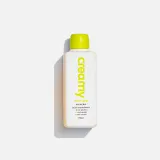
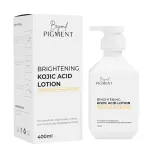
MesoesteticDaily Deal: mesoestetic Ultimate W+ Whitening Spot EraserYOUR PRODUCTCreamyTônico clareadorCodexialEnoliss Perfect Skin Spot Scrub Purifying Anti-Marks Correcting CareBeyond PigmentBrightening Kojic Acid Lotion
Match—81%75%72%
Price—$13.64$18.24$29.98
Shared key ingredients—7 of 165 of 164 of 16
Key difference—PanthenolSalicylic AcidVitamin C
Irritancy Medium Medium Low Low
Drying alcohol————
View product Shop Shop Shop

More alternatives: Balea Niacinamide AHA Peeling ConcentrateCeraVe Blemish Control Gel Moisturiser with 2% Salicylic Acid & Niacinamide for Blemish-Prone Skin

Cheaper alternatives? Browse formulas in the same category.
We compare ingredient profiles across our catalog — pick the closest match for your budget.
Open dupe finder

Product summary

"Mesoestetic - Daily Deal: mesoestetic Ultimate W+ Whitening Spot Eraser" is effective for: Exfoliation, Evens skin tone, Anti-oxidation, Anti-aging, Moisturizing and Anti-blemish

Ingredient callouts

  • A good concentration of Niacinamide (1.90% - 2.30%). Niacinamide is a well-studied multi-tasking active. It is stable, and can work well in almost any hydrating formulation. There is solid evidence that Niacinamide can help support skin barrier, regulate oil production and reduce acne and clogged pores. It also helps to fight photodamage and improve the skin tone, reducing pigmentation marks.
  • This product contains acids (glycolic acid 0.70% - 1.05%). Their concentration is low, and they will not have a strong exfoliating effect. Instead, they work to support the skin natural acid mantle and to attract water (as humectants).
  • This product includes a form of Retinoids (vitamin A) - retinyl palmitate 0.25% - 0.50%, but this type of vitamin A is not very effective. It could in theory help with fine lines and wrinkles, but the effect is most likely minimal.
  • Humectants (glycerin 4.90% - 6.00%). These ingredients help attract water to the upper layer of the skin and improve the skin hydration.

Sources cited in this review

Every concentration estimate and effectiveness label is anchored to one of these 22 studies and safety reviews.

  1. 1
  2. 2
  3. 3
  4. 4
  5. 5
  6. 6
Mesoestetic Daily Deal: mesoestetic Ultimate W+ Whitening Spot Eraser
MesoesteticDaily Deal: mesoestetic Ultimate W+ Whitening Spot Eraser

Affiliate links · As an Amazon Associate, WIMJ earns from qualifying purchases.

As an Amazon Associate, WIMJ earns from qualifying purchases.