Works for:
based on ingredients and %- Cleansing
- Anti-blemish
Can it cause trouble?
- Irritation risk: medium
- Comedogenic risk ingredients: 2
Key actives
Works for
Anti-blemish
What does the product description say?
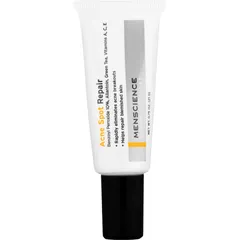
Acne Spot Repair
Source: From product name
This product can help reduce breakouts and clogged pores because it contains the following ingredient: benzoyl peroxide. This ingredient is used for treating acne and can have a noticeable effect.
A potent anti-bacterial ingredient that is effective against acne. Often leads to skin dryness and can be irritating
Three steps removed from the active form of vitamin A - retinoic acid. To have an effect in the skin, it first needs to be converted twice to become the retinoic acid. This means it is less potent than retinol, but could also be less irritating. Once converted to the retinoic acid in the skin, it helps against all signs of aging, improves skin cell turnover and helps fight blemishes and clogged pores. However, in many cosmetic formulations, it is used in a concentration that is too low to have the full effect
Helps calm down inflammation in skin and can help reduce itching. Helps to repair the skin barrier and keep skin hydrated
Cleansing
What does the product description say?
Wash face with liquid cleanser and lukewarm water and then dry itApply Acne Spot Repair to clean skin and only on the spot in a thin layerStart with 1 application daily, then gradually increase to 2 to 3 times a day if neededLOOKFANTASTIC tip.
Source: Lookfantastic CA
This product works by removing dirt and oil from the surface of the skin. It uses a combination of mild cleansing agents (cetearyl alcohol, peg-100 stearate, polysorbate 60, steareth-2, steareth-20) and should be able to cleanse the skin gently. Still keep in mind that any cleansing can disrupt the skin barrier, and most people do not need to cleanse their skin more than once per day.
A non-drying alcohol. Works as an emollient. Helps water and oil mix together and creates a nice product texture
Helps oil and water mix togehter and creates a nice product texture
Helps oil and water mix together
Helps oil and water mix together
Helps oil and water mix together
How honest is this product?
| Promise | Can it deliver? |
|---|---|
| Cleansing | |
| Anti-blemish |
Total Promises Fulfilled score: 100/100.
We receive a small commission for purchases made through these links at no cost for you. Thank you for your support! Learn more
Affiliate link · supports WIMJ at no cost to you
Potential irritants
Comedogenic ingredients
User reviews (0)
Averages from community submissions.
No reviews yet for this product.
Be the first to share your experience!
Tried this product?
Help capture what the ingredient list can't—texture, finish, pilling, scent, and more. Answer what you can, skip the rest.
Takes ~30 seconds.
Reviews are shown in aggregate. No personal details.
Key Actives
Three steps removed from the active form of vitamin A - retinoic acid. To have an effect in the skin, it first needs to be converted twice to become the retinoic acid. This means it is less potent than retinol, but could also be less irritating. Once converted to the retinoic acid in the skin, it helps against all signs of aging, improves skin cell turnover and helps fight blemishes and clogged pores. However, in many cosmetic formulations, it is used in a concentration that is too low to have the full effect
Pure form of vitamin E. Can help moisturise and protect the skin from free radicals. Often used to help stabilise other ingredients or the formula itself
Helps attract water to the upper layer of the skin and can help improve skin barrier function
Naturally present in skin (urea makes up about 7% of natural moisturizing factors in skin). Attracts water to the upper layer of the skin. Also has a positive effect on the skin barrier beyond the humectant action. Can enhance penetration of other ingredients. Is an exfoliating ingredient when used in high concentrations
A silicone that helps improve the product texture and spreadability. Can absorb oil creating a short-term mattifying effect on the skin
A plant extract that can help neutralize free radicals and reduce inflammation, even though it is not usually used in sufficient concentration in cosmetics
A non-drying alcohol. Works as an emollient. Helps water and oil mix together and creates a nice product texture
A silicone that helps to reduce water loss from the surface of the skin. Can temporarily "fill in" lines and wrinkles, absorb oil, and create a nice product finish
A potent anti-bacterial ingredient that is effective against acne. Often leads to skin dryness and can be irritating
Helps oil and water mix togehter and creates a nice product texture
An oil naturally present in skin. Works as an emollient to soften the skin and form a protective layer on its surface without a greasy feeling.
One of the best moisturizing ingredients. Naturally present in skin. It attracts water to the upper layer of the skin working as a humectant
Potential irritants
A potent anti-bacterial ingredient that is effective against acne. Often leads to skin dryness and can be irritating
Plant extract that can have healing and anti-inflammatory properties. It is a potential allergen and can be irritating
Three steps removed from the active form of vitamin A - retinoic acid. To have an effect in the skin, it first needs to be converted twice to become the retinoic acid. This means it is less potent than retinol, but could also be less irritating. Once converted to the retinoic acid in the skin, it helps against all signs of aging, improves skin cell turnover and helps fight blemishes and clogged pores. However, in many cosmetic formulations, it is used in a concentration that is too low to have the full effect
Helps oil and water mix together and can enhance the penetration of other ingredients into the skin. It can be irritating
Used to thicken the product's consistency
A gelling agent that thickens the product consistency and leaves the skin with a velvety finish
Being a lipid soluble form of vitamin C, it is more stable and can penetrate the skin better than L-Ascorbic acid. It is effective in protecting the skin from free radicals, as well as evening the skin tone, but is less effective in stimulating collagen production compared to L-Ascorbic acid.
Helps preserve products and creates a nice product texture
Maintains the texture of skincare products. Allows the product to spread evenly. Helps oil and water mix together
Comedogenic ingredients
Used to thicken the product's consistency
A non-drying alcohol. Works as an emollient. Helps water and oil mix together and creates a nice product texture
All ingredients
A potent anti-bacterial ingredient that is effective against acne. Often leads to skin dryness and can be irritating
Enhances the product texture and makes it more spreadable. Helps reduce water loss from the outer layer of skin. Extands the shelf life by preventing bacteria growth
Naturally present in skin (urea makes up about 7% of natural moisturizing factors in skin). Attracts water to the upper layer of the skin. Also has a positive effect on the skin barrier beyond the humectant action. Can enhance penetration of other ingredients. Is an exfoliating ingredient when used in high concentrations
Used to create a nice product texture and help delivery of other ingredients. Might be somewhat helpful in attracting water to the upper layer of the skin
A silicone that helps improve the product texture and spreadability. Can absorb oil creating a short-term mattifying effect on the skin
Might be helpful in restoring skin barrier function and, when combined with zinc carbonate and malonic acid, reducing fine lines and wrinkles by stimulating elastin production. Also helps stabilize the product formulation
Helps oil and water mix togehter and creates a nice product texture
Used to thicken the product's consistency
A gelling agent that thickens the product consistency and leaves the skin with a velvety finish
An oil naturally present in skin. Works as an emollient to soften the skin and form a protective layer on its surface without a greasy feeling.
Plant extract that can have healing and anti-inflammatory properties. It is a potential allergen and can be irritating
A plant extract that can help neutralize free radicals and reduce inflammation, even though it is not usually used in sufficient concentration in cosmetics
Emollients that are naturaly present in skin. In addition, they help water and oil mix together in the product
Three steps removed from the active form of vitamin A - retinoic acid. To have an effect in the skin, it first needs to be converted twice to become the retinoic acid. This means it is less potent than retinol, but could also be less irritating. Once converted to the retinoic acid in the skin, it helps against all signs of aging, improves skin cell turnover and helps fight blemishes and clogged pores. However, in many cosmetic formulations, it is used in a concentration that is too low to have the full effect
Pure form of vitamin E. Can help moisturise and protect the skin from free radicals. Often used to help stabilise other ingredients or the formula itself
Being a lipid soluble form of vitamin C, it is more stable and can penetrate the skin better than L-Ascorbic acid. It is effective in protecting the skin from free radicals, as well as evening the skin tone, but is less effective in stimulating collagen production compared to L-Ascorbic acid.
A non-drying alcohol. Works as an emollient. Helps water and oil mix together and creates a nice product texture
One of the best moisturizing ingredients. Naturally present in skin. It attracts water to the upper layer of the skin working as a humectant
Helps preserve products and creates a nice product texture
A silicone that helps to reduce water loss from the surface of the skin. Can temporarily "fill in" lines and wrinkles, absorb oil, and create a nice product finish
Maintains the texture of skincare products. Allows the product to spread evenly. Helps oil and water mix together
Used to create a nice product texture and help delivery of other ingredients. Might be somewhat helpful in attracting water to the upper layer of the skin
Helps oil and water mix together and can enhance the penetration of other ingredients into the skin. It can be irritating
Helps attract water to the upper layer of the skin and can help improve skin barrier function
Helps calm down inflammation in skin and can help reduce itching. Helps to repair the skin barrier and keep skin hydrated
Ingredient list view
Benzoyl peroxide, Water, C12-15 alkyl benzoate, Urea, Butylene glycol, Cyclopentasiloxane, Magnesium aluminum silicate, Steareth-20, Peg-100 stearate, Zea mays starch, Hydroxyethyl acrylate/sodium acryloyldimethyl taurate copolymer, Squalane, Polysorbate 60, Chamomilla recutita extract, Camellia oleifera leaf extract, Phospholipids, Retinyl palmitate, Tocopherol, Ascorbyl palmitate, Beta-carotene, Ethylhexylglycerin, Cetearyl alcohol, Glycerin, Caprylyl glycol, Dimethicone, Acrylates/c10-30 alkyl acrylate crosspolymer, Steareth-2, Butylene glycol, Propylene glycol, Panthenol, Disodium edta, Allantoin, Phytonadione
- Topical urea in skincare: A review
- Final report on the safety assessment of aluminum silicate, calcium silicate, magnesium aluminum silicate, magnesium silicate, magnesium trisilicate, sodium magnesium silicate, zirconium silicate, attapulgite, bentonite, Fuller's earth, hectorite, kaolin, lithium magnesium silicate, lithium magnesium sodium silicate, montmorillonite, pyrophyllite, and zeolite
- Extracellular matrix in cutaneous ageing: the effects of 0.1% copper-zinc malonate-containing cream on elastin biosynthesis
- Vitamin E in dermatology
- Vitamin E and Skin Health
- Glycerol and the skin: holistic approach to its origin and functions
- Dimethicone as a protective ingredient in topical medications
- Final Report on the Safety Assessment of Dimethicone Copolyol
- 5: Final Report on the Safety Assessment of Steareth-2,-4,-6,-7,-10,-11,-13,-15, and-20
- Surfactants and experimental irritant contact dermatitis
- Propylene Glycol
- Skin-sensitizing and irritant properties of propylene glycol
- Skin moisturizing effects of panthenol-based formulations
- Safety Assessment of Panthenol, Pantothenic Acid, and Derivatives as Used in Cosmetics
- Profile of wound healing process induced by allantoin