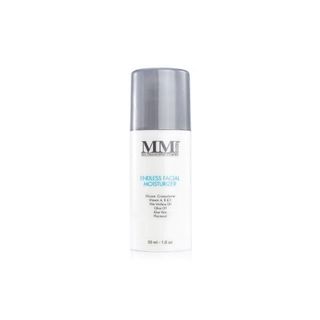
Works for
1 of 1 advertised claim delivered
MoisturizingUrea, Sodium pca + 18 moreStrong evidence
“Endless Facial Moisturiser”
This product can help improve hydration of the skin with the two types of ingredients.
The first type is called “humectants”:
these ingredients help attract water.
When humectants are on the surface of the skin, they “pull in” the moisture from the outside environment, or from
within deeper layers of the skin. The following ingredients in this product do the job:
cyclomethicone, glycerin.
This product also contains ingredients called “occlusives”. They help reduce the speed with which our skin loses moisture to the outside environment. These ingredients also help soften the upper layer of the skin, so it feels less tight and nicer to the touch. The following ingredients in this product do the job: cholesterol, cyclomethicone.
The following ingredients in this product are especially good for supporting the skin barrier and helping with the hydration level: urea
Can it cause trouble?
Irritancy6 strong irritants: Diazolidinyl urea, Rosa damascena extract + 4 more — patch-test recommendedHigh risk
Comedogenic1 ingredient rated 2 or more on the 0–5 pore-clogging scale1 flagged

User reviews
Be the first — your take helps the next person decide.
Ingredients
Filter by role to see what each ingredient is doing.
Water~45–55%
Cyclomethicone~5.7–7%
- Irritation risk
- Low
A type of silicone that leaves a nice silky finish on the skin and can help soften its upper layer
More about CyclomethiconeDimethicone/vinyl dimethicone crosspolymer~4.2–5.2%
- Irritation risk
- Low
Used to stabilize product formulations and create a nice product texture
More about Dimethicone/vinyl dimethicone crosspolymerGlycerin~3.1–3.8%
- Irritation risk
- Low
One of the best moisturizing ingredients. Naturally present in skin. It attracts water to the upper layer of the skin working as a humectant
More about GlycerinC12-15 alkyl benzoate~2.4–3%
- Irritation risk
- Low
Enhances the product texture and makes it more spreadable. Helps reduce water loss from the outer layer of skin. Extands the shelf life by preventing bacteria growth
More about C12-15 alkyl benzoateSaccharide isomerate~1.9–2.4%
- Irritation risk
- Low
Helps attract water to the upper layer of the skin
More about Saccharide isomerateSodium dihydroxycetyl phosphate~1.7–2%
Vitis vinifera oil~1.4–1.7%
- Irritation risk
- Medium
A great emollient that can also have anti-oxidant properties
More about Vitis vinifera oilOlea europaea fruit oil~1.2–1.5%
- Irritation risk
- Medium
An emollient that helps soften the skin but is not effective for restoring its barrier function. Might be helpful to calm down inflammation
More about Olea europaea fruit oilPeg-40 stearate~0.95–1.2%
Triethanolamine~0.7–1.05%
- Irritation risk
- Medium
Used to adjust pH of the product and can help improve the product's smell
More about TriethanolamineIsostearic acid~0.65–0.95%
- Irritation risk
- Low
Used to create a nice product texture
More about Isostearic acidButylene glycol~0.5–0.75%
- Irritation risk
- Low
Used to create a nice product texture and help delivery of other ingredients. Might be somewhat helpful in attracting water to the upper layer of the skin
More about Butylene glycolCholesterol~0.5–0.75%
- Irritation risk
- Low
An emollient that is naturally found in skin
More about CholesterolAcrylates/c10-30 alkyl acrylate crosspolymer~0.45–0.7%
- Irritation risk
- Medium
Maintains the texture of skincare products. Allows the product to spread evenly. Helps oil and water mix together
More about Acrylates/c10-30 alkyl acrylate crosspolymerDiazolidinyl urea~0.25–0.5%
- Irritation risk
- High
A preservative. Works by releasing formaldehyde. Can be irritating
More about Diazolidinyl ureaCarbomer~0.4–0.6%
- Irritation risk
- Low
Helps create a thicker or gel-like product texture. It is not a surfactant but can be used in gentle cleansing formulations
More about CarbomerTocopheryl acetate~0.35–0.6%
- Irritation risk
- Medium
A more stable but less bio-available form of vitamin E compared to Tocopherol. Might help moisturize and protect the skin from free radicals, but mostly used in low concentrations to stabilize other ingredients.
More about Tocopheryl acetateSodium hyaluronate~0.3–0.55%
- Irritation risk
- Low
One of the best moisturizing ingredients. Attracts water into the upper layer of the skin
More about Sodium hyaluronateEpilobium angustifolium extract~0.25–0.5%
- Irritation risk
- Medium
A plant extract that might help neutralize free radicals and calm down irritation in skin. However, it can contain compounds that can be irritating themselves
More about Epilobium angustifolium extractVaccinium myrtillus seed extract~0.25–0.45%
- Irritation risk
- Low
Panthenol~0.25–0.45%
- Irritation risk
- Low
Helps attract water to the upper layer of the skin and can help improve skin barrier function
More about PanthenolNiacinamide~0.2–0.4%
- Irritation risk
- Low
Is proven to be effective in reducing blemishes, evening out skin tone and helping to improve lines and wrinkles. It helps the skin to repair sun damage, calm down inflammation and keep maintain good levels of moisture. The concentration of about 2% is effective for supporting the skin barrier and evening out the skin tone. Concentration of 4-6% is better for helping with acne and balancing the sebum production
More about NiacinamideHypnea musciformis extract~0.2–0.4%
- Irritation risk
- Low
- Comedogenicity
- 3/5
Might help to attract water to the upper layer of the skin
More about Hypnea musciformis extractRosa damascena extract~0.2–0.4%
- Irritation risk
- High
Oil of a very fragrant pink rose used as fragrance in cosmetics. Extensive research has shown it has mixed benefits. In the pro column, inhaling this flower’s scent seems to have relaxing properties and the plant’s petals contain skin-soothing and antioxidant compounds that can benefit skin. On the flipside, the numerous chemicals that create this rose’s distinctive fragrance pose a risk of causing skin aggravation.
More about Rosa damascena extractSargassum filipendula extract~0.2–0.4%
- Irritation risk
- Low
Sorbitol~0.2–0.4%
- Irritation risk
- Low
Helps attract water to the upper layer of the skin and improves the product texture
More about SorbitolSaccharomyces~0.2–0.35%
- Irritation risk
- Low
Silicon~0.3–0.5%
Zinc~0.2–0.4%
- Irritation risk
- Low
Avena sativa kernel extract~0.25–0.45%
- Irritation risk
- Low
An effective moisturizing and skin barrier repair ingredient. Helps calm down inflammation and has some anti-oxidant properties
More about Avena sativa kernel extractSodium pca~0.2–0.4%
- Irritation risk
- Low
Naturally present in skin and helps to attract water to its upper layer
More about Sodium pcaAllantoin~0.2–0.35%
- Irritation risk
- Low
Helps calm down inflammation in skin and can help reduce itching. Helps to repair the skin barrier and keep skin hydrated
More about AllantoinUrea~0.2–0.4%
- Irritation risk
- Low
Naturally present in skin (urea makes up about 7% of natural moisturizing factors in skin). Attracts water to the upper layer of the skin. Also has a positive effect on the skin barrier beyond the humectant action. Can enhance penetration of other ingredients. Is an exfoliating ingredient when used in high concentrations
More about UreaTrehalose~0.2–0.35%
- Irritation risk
- Low
A sugar that attracts water to the upper layer of the skin
More about TrehalosePolyquaternium-51~0.2–0.4%
- Irritation risk
- Low
An emollient that helps create a nice silky finish on the skin
More about Polyquaternium-51Citrus aurantium amara flower oil~0.2–0.35%
- Irritation risk
- High
Used as a fragrance. Can be irritating
More about Citrus aurantium amara flower oilGeranium maculatum oil~0.15–0.3%
Lavandula angustifolia oil~0.15–0.3%
- Irritation risk
- High
An essential oil. Potential allergen and can be irritating. It has some anti-bacterial properties
More about Lavandula angustifolia oilRetinyl palmitate~0.15–0.3%
- Irritation risk
- High
Three steps removed from the active form of vitamin A - retinoic acid. To have an effect in the skin, it first needs to be converted twice to become the retinoic acid. This means it is less potent than retinol, but could also be less irritating. Once converted to the retinoic acid in the skin, it helps against all signs of aging, improves skin cell turnover and helps fight blemishes and clogged pores. However, in many cosmetic formulations, it is used in a concentration that is too low to have the full effect
More about Retinyl palmitateAloe barbadensis extract~0.15–0.3%
- Irritation risk
- Medium
Traditionally used to treat sunburns, dermatitis and inflammation, but evidence for its effectiveness is lacking. The extract can contain humectants that help attract water into the skin
More about Aloe barbadensis extractMethylparaben~0.15–0.3%
Propylparaben~0.15–0.25%
Tetrasodium edta~0.1–0.15%
Ingredient list view
Water, Cyclomethicone, Dimethicone/vinyl dimethicone crosspolymer, Unknown, Glycerin, C12-15 alkyl benzoate, Saccharide isomerate, Sodium dihydroxycetyl phosphate, Vitis vinifera oil, Olea europaea fruit oil, Peg-40 stearate, Triethanolamine, Isostearic acid, Butylene glycol, Cholesterol, Acrylates/c10-30 alkyl acrylate crosspolymer, Diazolidinyl urea, Carbomer, Tocopheryl acetate, Sodium hyaluronate, Epilobium angustifolium extract, Vaccinium myrtillus seed extract, Panthenol, Niacinamide, Hypnea musciformis extract, Rosa damascena extract, Sargassum filipendula extract, Sorbitol, Saccharomyces, Silicon, Unknown, Zinc, Unknown, Avena sativa kernel extract, Sodium pca, Allantoin, Urea, Trehalose, Polyquaternium-51, Citrus aurantium amara flower oil, Geranium maculatum oil, Lavandula angustifolia oil, Retinyl palmitate, Aloe barbadensis extract, Methylparaben, Propylparaben, Tetrasodium edta
Compare prices
Retailers ranked by price — lowest first.
Worth comparing, line by line.
Match % combines shared ingredients, the first five ingredients, shared actives and hero ingredients, irritancy (lower counts in the alternative's favour), texture and body area. Only products in the same routine step are compared.
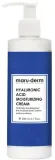
| Mene MoyEndless Facial MoisturiserYOUR PRODUCT | MarudermHyaluronic Acid Moisturizer Face & Body Cream | ISDINIsdinceutics Prevent Hyaluronic Moisture Oily and Combination Skin | AtwaterSkin Armor Facial Moisturizer | |
|---|---|---|---|---|
| Match | — | 84% | 83% | 83% |
| Price | $47.58 | $21.99−$25.59 | $42.17−$5.41 | $37.00−$10.58 |
| Shared key ingredients | — | 7 of 13 | 6 of 13 | 6 of 13 |
| Key difference | — | Dimethicone | Hydrolyzed Hyaluronic Acid | Glucosamine Hcl |
| Irritancy | High | Low | Medium | Medium |
| Drying alcohol | — | — | — | — |
| View product | Shop | Shop | Shop |


Product summary
Judging from the ingredient list, "Mene Moy - Endless Facial Moisturiser" works well for improving skin hydration The formulation is based on a combination of good humectants and emollients. Both are needed to increase the skin hydration level. Urea, cyclomethicone, glycerin, saccharide isomerate and sodium hyaluronate in this product (humectants) attract water molecules to the upper layer of the skin (the water comes from the outside air or from the deeper layers of the skin if the air is dry). Emollients in this formulation (cholesterol, cyclomethicone, c12-15 alkyl benzoate and olea europaea fruit oil) help to reduce the moisture loss from the skin. They also soften the skin surface and relieve the feeling of dryness and tightness.
Ingredient callouts
- this moisturizer includes a form of Retinoids (vitamin A) - retinyl palmitate 0.15% - 0.30%, but this type of vitamin A is not very effective. It could in theory help with fine lines and wrinkles, but the effect is most likely minimal.
Irritation risk
This moisturizer contains a bunch of common irritants, including ingredients that do not provide any known benefit for the skin. It might not be the best choice if your skin is sensitive. We assess the overall irritancy of this moisturizer to be high. For a detailed overview of all potential irritants: click here
You can see the detailed formula review with the breakdown of all actives in the product and the full ingredient list with estimated concentrations in the tables below.
Sources cited in this review
Every concentration estimate and effectiveness label is anchored to one of these 13 studies and safety reviews.
- 1
- 2Use of “natural” oils for moisturization: Review of olive, coconut, and sunflower seed oilonlinelibrary.wiley.com
- 3Hyaluronic acid: A key molecule in skin agingncbi.nlm.nih.gov
- 4
- 5
- 6

Affiliate links · As an Amazon Associate, WIMJ earns from qualifying purchases.