Works for:
based on ingredients and %- Cleansing
Can it cause trouble?
- Irritation risk: high
- Comedogenic risk ingredients: 1
Key actives

Works for
Cleansing
What does the product description say?
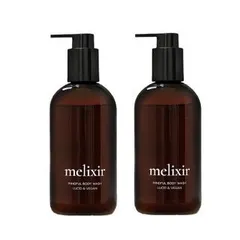
Mindful Body Wash . 2 Types
Source: From product name
This product works by removing dirt and oil from the surface of the skin. It uses a combination of mild cleansing agents (cocamide methyl mea, cocamidopropyl betaine, coco-glucoside, disodium cocoamphodiacetate, hexylene glycol, hydrogenated lecithin, polyglyceryl-10 laurate, quillaja saponaria bark extract, sodium cocoyl isethionate, sodium methyl cocoyl taurate, sodium stearoyl glutamate) and should be able to cleanse the skin gently. Still keep in mind that any cleansing can disrupt the skin barrier, and most people do not need to cleanse their skin more than once per day.
Even though this formulation is mild, the following cleansing agents could trigger an irritation or allergy for some people: cocamidopropyl betaine, coco-glucoside, sodium methyl cocoyl taurate
Helps water and oil mix together. Used as a cleansing ingredient. Could be an allergen
Used as a cleansing agent (surfactant) in cleansers. Helps water and oil mix together in lotions. Can be irritating
Helps oil and water mix together and works as a cleansing agent
Helps create a more spreadable product texture
Helps to retain moisture by creating a protective barrier on the skin. Rich in fatty acids. Improves product texture and helps with the penetration of other ingredients.
Helps water and oil mix together
Helps water and oil mix together
Helps water and oil mix together. Can be used as a cleansing agent
Helps oil and water mix together. Can be used as cleansing agent
Helps oil and water mix together
How honest is this product?
| Promise | Can it deliver? |
|---|---|
| Cleansing |
Total Promises Fulfilled score: 100/100.
We receive a small commission for purchases made through these links at no cost for you. Thank you for your support! Learn more
Potential irritants
Comedogenic ingredients
User reviews (0)
Averages from community submissions.
No reviews yet for this product.
Be the first to share your experience!
Tried this product?
Help capture what the ingredient list can't—texture, finish, pilling, scent, and more. Answer what you can, skip the rest.
Takes ~30 seconds.
Reviews are shown in aggregate. No personal details.
Key Actives
Can contain potent anti-oxidant compounds (abbreviated ECG, GCG, EGC, and EGCG) that might help protect the skin from free radicals. Can help calm down inflammation and has some anti-bacterial properties. Unfortunately, these antioxidants are unstable and lose their effectiveness very quickly in products. The concentration of the antioxidant compounds in the extract also tends to be low to be effective in topical formulation
A plant extract that might help neutralize free radicals and reduce inflammation in skin. It can be irritating
Might help improve cell turnover and reduce inflammation in skin. One study shows that the ingredients might be able to help reduce dynamic wrinkles (for example, in the corners of the eyes or on the forehead)
Helps attract water to the upper layer of the skin and can help improve skin barrier function
A type of lipid similar to ceramides naturally present in skin. Helps to soften the upper layer of the skin and supports the skin barrier function to keep it hydrated. Can help to prevent inflammation in skin
Helps water and oil mix together. Used as a cleansing ingredient. Could be an allergen
Helps oil and water mix together and works as a cleansing agent
Helps water and oil mix together
Helps oil and water mix together. Can be used as cleansing agent
Helps water and oil mix together
Used as a cleansing agent (surfactant) in cleansers. Helps water and oil mix together in lotions. Can be irritating
One of the best moisturizing ingredients. Naturally present in skin. It attracts water to the upper layer of the skin working as a humectant
Help attract water to the upper layer of the skin
Helps attract water to the upper layer of the skin
Helps water and oil mix together. Can be used as a cleansing agent
Helps create a more spreadable product texture
A good mix of fatty acids that forms a protective layer on the skin. Improves the shelf life of products. Derived from coconut and glycerin
Helps to retain moisture by creating a protective barrier on the skin. Rich in fatty acids. Improves product texture and helps with the penetration of other ingredients.
Helps oil and water mix together
Potential irritants
Helps water and oil mix together. Used as a cleansing ingredient. Could be an allergen
Helps oil and water mix together. Can be used as cleansing agent
An essential oil. Potential allergen and can be irritating. It has some anti-bacterial properties
A plant oil with high content of volatile compounds that can irritate the skin. Can be used as a fragrance. Has anti-bacterial properties and might help neutralize free radicals on the surface of the skin
An essential oil that can be very irritating. Has some anti-bacterial properties
An essentil oil from orange peel. Potential allergen and can be irritating
An essential oil used for fragrance. Can be an allergen and irritant
A plant extract that might help neutralize free radicals and reduce inflammation in skin. It can be irritating
A plant extract that can help neutralize free radicals in skin. It contains a compound salicin that can theoretically be converted into salicylic acid that, in turn, helps reduce inflammation in skin, but the evidence of effectiveness in skin is lacking and the extract is usually not used in a concentration that would enable an exfoliating effect
Used as a cleansing agent (surfactant) in cleansers. Helps water and oil mix together in lotions. Can be irritating
A common frangrance that can easily irritate skin, especially if exposed to air, light or heat
Helps oil and water mix together and works as a cleansing agent
A plant extract that can help to attract water to the upper layer of the skin and might have some anti-oxidant and anti-inflammatory properties
Cedarwood oil. Used as a fragrance. Can be irritating
An emollient that helps soften the skin. Might be somewhat helpful in evening the skin tone.
Helps water and oil mix together. Can be used as a cleansing agent
Used to preserve products, dissolve other ingredients and create a nice product texture
Can work as an exfoliant but is typically used to adjust the product pH
Helps preserve products and creates a nice product texture
A good mix of fatty acids that forms a protective layer on the skin. Improves the shelf life of products. Derived from coconut and glycerin
Comedogenic ingredients
A plant extract that can help to attract water to the upper layer of the skin and might have some anti-oxidant and anti-inflammatory properties
All ingredients
Helps water and oil mix together. Used as a cleansing ingredient. Could be an allergen
Helps oil and water mix together and works as a cleansing agent
Used to stabilize mixtures of oil and water, and create thicker, gel-like product textures
Helps oil and water mix together. Can be used as cleansing agent
A plant extract that can help to attract water to the upper layer of the skin and might have some anti-oxidant and anti-inflammatory properties
Cedarwood oil. Used as a fragrance. Can be irritating
An essential oil. Potential allergen and can be irritating. It has some anti-bacterial properties
A plant oil with high content of volatile compounds that can irritate the skin. Can be used as a fragrance. Has anti-bacterial properties and might help neutralize free radicals on the surface of the skin
An essential oil that can be very irritating. Has some anti-bacterial properties
An essentil oil from orange peel. Potential allergen and can be irritating
An emollient that helps soften the skin. Might be somewhat helpful in evening the skin tone.
An essential oil used for fragrance. Can be an allergen and irritant
Can contain potent anti-oxidant compounds (abbreviated ECG, GCG, EGC, and EGCG) that might help protect the skin from free radicals. Can help calm down inflammation and has some anti-bacterial properties. Unfortunately, these antioxidants are unstable and lose their effectiveness very quickly in products. The concentration of the antioxidant compounds in the extract also tends to be low to be effective in topical formulation
A plant extract that might help neutralize free radicals and reduce inflammation in skin. It can be irritating
A plant extract that can help neutralize free radicals in skin. It contains a compound salicin that can theoretically be converted into salicylic acid that, in turn, helps reduce inflammation in skin, but the evidence of effectiveness in skin is lacking and the extract is usually not used in a concentration that would enable an exfoliating effect
Used as a cleansing agent (surfactant) in cleansers. Helps water and oil mix together in lotions. Can be irritating
One of the best moisturizing ingredients. Naturally present in skin. It attracts water to the upper layer of the skin working as a humectant
Helps attract water to the upper layer of the skin. Could be helpful in restoring the skin barrier function
Used to create a nice product texture and help delivery of other ingredients. Might be somewhat helpful in attracting water to the upper layer of the skin
Help attract water to the upper layer of the skin
Helps water and oil mix together. Can be used as a cleansing agent
Used to preserve products, dissolve other ingredients and create a nice product texture
Can work as an exfoliant but is typically used to adjust the product pH
Might help improve cell turnover and reduce inflammation in skin. One study shows that the ingredients might be able to help reduce dynamic wrinkles (for example, in the corners of the eyes or on the forehead)
Helps attract water to the upper layer of the skin and can help improve skin barrier function
Helps preserve products and creates a nice product texture
A good mix of fatty acids that forms a protective layer on the skin. Improves the shelf life of products. Derived from coconut and glycerin
Helps to retain moisture by creating a protective barrier on the skin. Rich in fatty acids. Improves product texture and helps with the penetration of other ingredients.
A type of lipid similar to ceramides naturally present in skin. Helps to soften the upper layer of the skin and supports the skin barrier function to keep it hydrated. Can help to prevent inflammation in skin
A common frangrance that can easily irritate skin, especially if exposed to air, light or heat
Ingredient list view
Water, Cocamidopropyl betaine, Disodium cocoamphodiacetate, Sodium chloride, Polyglyceryl-10 laurate, Acrylates/steareth-20 methacrylate copolymer, Sodium methyl cocoyl taurate, Chlorella vulgaris extract, Juniperus virginiana oil, Lavandula angustifolia oil, Rosmarinus officinalis leaf oil, Eucalyptus globulus leaf oil, Malt extract, Citrus limon peel oil, Citrus aurantium dulcis peel oil, Glycine soja seed extract, Mentha viridis leaf oil, Citrus reticulata peel oil, Quillaja saponaria bark extract, Citrus paradisi peel oil, Camellia sinensis leaf extract, Ginkgo biloba leaf extract, Saponaria officinalis leaf extract, Eucalyptus globulus leaf extract, Salix alba bark extract, 1,2-hexanediol, Polyglyceryl-10 myristate, Coco-glucoside, Glycerin, Glucose, Tromethamine, Butylene glycol, Fructooligosaccharides, Fructose, Sodium cocoyl isethionate, Cocamide methyl mea, Sodium phytate, Hexylene glycol, Pentylene glycol, Citric acid, Octanediol, Ethylhexylglycerin, Adenosine, Hinokitiol, Panthenol, Caprylyl glycol, Caprylic/capric triglyceride, Hydrogenated lecithin, Ceramide np, Sodium stearoyl glutamate, Potassium sorbate, Sodium benzoate, Limonene, Linalool, Citral
- In Vitro Assessment of Skin Irritation Potential of Surfactant-based Formulations by Using a 3-D Skin Reconstructed Tissue Model and Cytokine Response
- Safety Assessment of Alkyl Taurate Amides and Taurate Salts as Used in Cosmetics
- Assessment report on Rosmarinus officinalis L., aetheroleum and Rosmarinus officinalis L., folium
- Screening of plant extracts for antimicrobial activity against bacteria and yeasts with dermatological relevance
- Occupational contact dermatitis due to essential oils
- The in vitro antimicrobial activity and chemometric modelling of 59 commercial essential oils against pathogens of dermatological relevance
- Antimicrobial and Antioxidant Properties of Rosemary and Sage (Rosmarinus officinalis L. and Salvia officinalis L., Lamiaceae) Essential Oils
- Chemical Composition, Plant Genetic Differences, Antimicrobial and Antifungal Activity Investigation of the Essential Oil of Rosmarinus officinalis L.
- Safety Assessment of Ginkgo biloba-Derived Ingredients as Used in Cosmetics
- Cosmeceutical Critique: Ginkgo Biloba
- Efficacy and Safety of White Willow Bark (Salix alba) Extract
- An evaluation of the effect of a topical product containing salicin on the visible signs of human skin aging
- The influence of alkane chain length on the skin irritation potential of 1,2-alkanediols
- Allergen of the Year—Alkyl Glucoside
- Glycerol and the skin: holistic approach to its origin and functions
- Topical Glucose Induces Claudin-1 and Filaggrin Expression in a Mouse Model of Atopic Dermatitis and in Keratinocyte Culture, Exerting Anti-inflammatory Effects by Repairing Skin Barrier Function
- Safety Assessment of Tromethamine as Used in Cosmetics
- Final Report on the Safety Assessment of Sodium Cocoyl Isethionate
- Evaluation of anti-wrinkle efficacy of adenosine-containing products using the FOITS technique
- Skin moisturizing effects of panthenol-based formulations
- Safety Assessment of Panthenol, Pantothenic Acid, and Derivatives as Used in Cosmetics
- Skin hydration is significantly increased by a cream formulated to mimic the skin’s own natural moisturizing systems
- Topically Applied Ceramides Interact with the Stratum Corneum Lipid Matrix in Compromised Ex Vivo Skin