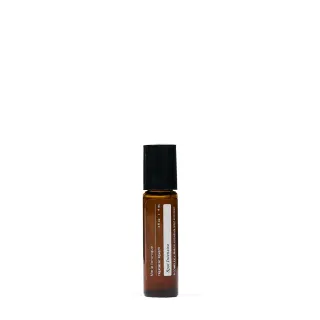
marie veronique Spot Intensive

marie veronique Spot Intensive

Efficacy100/100IrritancyMedium

Works for

Anti-blemish
Niacinamide, Camellia sinensis leaf extract + 1 more
Works well
What the product description says
“Supports skin function + a healthy ecosystem to reduce vulnerability for future breakouts.”
Source: Marie Veronique

This product can help reduce breakouts and clogged pores because it contains the following ingredient: niacinamide. This ingredient is used for treating acne and can have a noticeable effect.

NiacinamideHeroEffect: HighIs proven to be effective in reducing blemishes, evening out skin tone and helping to improve lines and wrinkles. It helps the skin to repair sun damage, calm down inflammation and keep maintain good levels of moisture. The concentration of about 2% is effective for supporting the skin barrier and evening out the skin tone. Concentration of 4-6% is better for helping with acne and balancing the sebum production~0.4–1%
Camellia sinensis leaf extractEffect: LowCan contain potent anti-oxidant compounds (abbreviated ECG, GCG, EGC, and EGCG) that might help protect the skin from free radicals. Can help calm down inflammation and has some anti-bacterial properties. Unfortunately, these antioxidants are unstable and lose their effectiveness very quickly in products. The concentration of the antioxidant compounds in the extract also tends to be low to be effective in topical formulation~5–7.4%
Rosmarinus officinalis leaf extractUnder-dosedCan be helpful in reducing inflammation in skin, including inflamed acne. It can be irritating~0.3–0.75%
Anti-aging
Side benefit · Niacinamide, Camellia sinensis leaf extract + 4 more
Works well

This product can help reduce and prevent fine lines and wrinkles, improve skin elasticity and firmness because it contains niacinamide.

Keep in mind that it typically takes at least 6 weeks to notice any results because the changes that are needed to improve fine lines and elasticity happen in the deeper layers of the skin. No topical anti-aging product can “erase” wrinkles or fully reverse signs of aging.

NiacinamideKey activeEffect: HighIs proven to be effective in reducing blemishes, evening out skin tone and helping to improve lines and wrinkles. It helps the skin to repair sun damage, calm down inflammation and keep maintain good levels of moisture. The concentration of about 2% is effective for supporting the skin barrier and evening out the skin tone. Concentration of 4-6% is better for helping with acne and balancing the sebum production~0.4–1%
Camellia sinensis leaf extractEffect: LowCan contain potent anti-oxidant compounds (abbreviated ECG, GCG, EGC, and EGCG) that might help protect the skin from free radicals. Can help calm down inflammation and has some anti-bacterial properties. Unfortunately, these antioxidants are unstable and lose their effectiveness very quickly in products. The concentration of the antioxidant compounds in the extract also tends to be low to be effective in topical formulation~5–7.4%
Glucosamine hclEffect: LowMight be able to stimulate production of skin's natural moisturizing compounds such as hyaluronic acid. Could be helpful for evening the skin tone.~0.45–1.05%
Sodium salicylateEffect: LowThe salt of salicylic acid. Helps exfoliate the upper layer of the skin. Can also work to preserve cosmetic products~0.25–0.5%
TocopherolEffect: Low, below effective dosePure form of vitamin E. Can help moisturise and protect the skin from free radicals. Often used to help stabilise other ingredients or the formula itself~0.4–0.9%
Lactic acidUnder-dosedAn exfoliating and moisturizing alpha-hydroxy acid (AHA). Typically causes less irritation than other AHAs, for example, glycolic acid. At high concentrations (about 15%), lactic acid can help reduce lines and wrinkles. Recent studies show that lactic acid can support the "good" bacteria living on skin's surface (healthy skin microbiome)~0.5–1.15%
Anti-oxidation
Side benefit · Camellia sinensis leaf extract, Squalene + 8 more
Works well

This product contains antioxidants (superoxide dismutase) that can help neutralize free radicals in skin. By doing so, they can lessen the damage the skin gets from the UV light (sun).

The following ingredients - camellia sinensis leaf extract, squalene also can have an antioxidant effect, but there is less evidence to confirm their effectiveness in skin.

Camellia sinensis leaf extractKey activeEffect: MediumCan contain potent anti-oxidant compounds (abbreviated ECG, GCG, EGC, and EGCG) that might help protect the skin from free radicals. Can help calm down inflammation and has some anti-bacterial properties. Unfortunately, these antioxidants are unstable and lose their effectiveness very quickly in products. The concentration of the antioxidant compounds in the extract also tends to be low to be effective in topical formulation~5–7.4%
SqualeneKey activeEffect: MediumAn oil that is naturally part of skin sebum that helps to soften its upper layer, reduce water loss and neutralize free radicals. It might be comedogenic. Avoid applying large concentrations (or pure oil) before sun exposure as oxidized squalene can clog pores and lead to skin irritation. Today squalene is mostly derived from vegetable oils or synthetized by yeast~0.45–1.05%
Superoxide dismutaseKey activeEffect: HighAn antioxidant enzyme that is naturally present in skin. It can help support skin barrier function and reduce inflammation in skin. It is used in topical medications for inflammatory skin conditions including atopic dermatitis (eczema) and psoriasis. There are three types of natural Superoxide Dismutase in human skin. The compound used in topical treatments and cosmetics are mimics of typically one of these natural variants~0.15–0.55%
Argania spinosa kernel oilEffect: LowAn emollient that helps soften the upper layer of the skin. Might have some weak anti-oxidant properties~22–34%
Oryza sativa extractEffect: LowA grain extract that helps to create a thicker product consistency. It might have some anti-oxidant properties and help attract water to the upper layer of the skin~0.5–1.2%
Glucosamine hclEffect: LowMight be able to stimulate production of skin's natural moisturizing compounds such as hyaluronic acid. Could be helpful for evening the skin tone.~0.45–1.05%
Glycyrrhiza glabra root extractEffect: LowA plant extract that can help lighten the skin and calm down inflammation. Might be helpful in neutralizing free radicals~0.4–0.9%
Daucus carota sativa seed oilEffect: LowA plant oil that might help neutralize free radicals and have an anti-bacterial effect~0.3–0.7%
Rosmarinus officinalis leaf extractEffect: Low, below effective doseCan be helpful in reducing inflammation in skin, including inflamed acne. It can be irritating~0.3–0.75%
TocopherolUnder-dosedPure form of vitamin E. Can help moisturise and protect the skin from free radicals. Often used to help stabilise other ingredients or the formula itself~0.4–0.9%
Moisturizing
Side benefit · Panthenol, Niacinamide + 16 more
Works well

This product can help improve hydration of the skin with the two types of ingredients.

The first type is called “humectants”:
these ingredients help attract water. When humectants are on the surface of the skin, they “pull in” the moisture from the outside environment, or from within deeper layers of the skin. The following ingredients in this product do the job: glucosamine hcl, glycerin.

This product also contains ingredients called “occlusives”. They help reduce the speed with which our skin loses moisture to the outside environment. These ingredients also help soften the upper layer of the skin, so it feels less tight and nicer to the touch. The following ingredients in this product do the job: helianthus annuus seed oil, squalane.

The following ingredients in this product are especially good for supporting the skin barrier and helping with the hydration level: niacinamide, panthenol

PanthenolHero· HumectantEffect: HighHelps attract water to the upper layer of the skin and can help improve skin barrier function~0.55–1.25%
NiacinamideHeroEffect: HighIs proven to be effective in reducing blemishes, evening out skin tone and helping to improve lines and wrinkles. It helps the skin to repair sun damage, calm down inflammation and keep maintain good levels of moisture. The concentration of about 2% is effective for supporting the skin barrier and evening out the skin tone. Concentration of 4-6% is better for helping with acne and balancing the sebum production~0.4–1%
Argania spinosa kernel oilKey active· EmollientEffect: HighAn emollient that helps soften the upper layer of the skin. Might have some weak anti-oxidant properties~22–34%
SqualaneKey active· Emollient, OcclusiveEffect: HighAn oil naturally present in skin. Works as an emollient to soften the skin and form a protective layer on its surface without a greasy feeling.~5.6–8.4%
Cucurbita pepo seed oilKey active· EmollientEffect: HighHelps soften the upper layer of the skin~3–4.4%
Calcium pantothenateKey activeEffect: HighHelps support skin barrier function improving skin hydration and reducing sensitivity~1.3–2%
Helianthus annuus seed oilKey active· Emollient, OcclusiveEffect: HighA great emollient due to its high linoleic acid content. One of the most effective plant oils in helping skin hydration and repairing skin barrier function~0.55–1.35%
Glucosamine hclKey active· HumectantEffect: HighMight be able to stimulate production of skin's natural moisturizing compounds such as hyaluronic acid. Could be helpful for evening the skin tone.~0.45–1.05%
SqualeneKey active· Emollient, OcclusiveEffect: HighAn oil that is naturally part of skin sebum that helps to soften its upper layer, reduce water loss and neutralize free radicals. It might be comedogenic. Avoid applying large concentrations (or pure oil) before sun exposure as oxidized squalene can clog pores and lead to skin irritation. Today squalene is mostly derived from vegetable oils or synthetized by yeast~0.45–1.05%
Beta-sitosterolKey active· EmollientEffect: HighA phytosterol that can support skin's barrier function and help the skin stay hydrated~0.45–1%
GlycerinKey active· HumectantEffect: HighOne of the best moisturizing ingredients. Naturally present in skin. It attracts water to the upper layer of the skin working as a humectant~0.4–0.95%
Saccharomyces/xylinum/black tea fermentKey activeEffect: HighA fermented sweet black tea. There is no studies on particular benefits of this ingredient in skin. It can help attract water to the upper layer of the skin, and might have some anti-oxidant effect. It is used in skincare for mostly marketing purposes because of the popularity of kombucha drinks~0.4–0.95%
Superoxide dismutaseKey activeEffect: HighAn antioxidant enzyme that is naturally present in skin. It can help support skin barrier function and reduce inflammation in skin. It is used in topical medications for inflammatory skin conditions including atopic dermatitis (eczema) and psoriasis. There are three types of natural Superoxide Dismutase in human skin. The compound used in topical treatments and cosmetics are mimics of typically one of these natural variants~0.15–0.55%
Camellia sinensis leaf extractEffect: LowCan contain potent anti-oxidant compounds (abbreviated ECG, GCG, EGC, and EGCG) that might help protect the skin from free radicals. Can help calm down inflammation and has some anti-bacterial properties. Unfortunately, these antioxidants are unstable and lose their effectiveness very quickly in products. The concentration of the antioxidant compounds in the extract also tends to be low to be effective in topical formulation~5–7.4%
Oryza sativa extractEffect: LowA grain extract that helps to create a thicker product consistency. It might have some anti-oxidant properties and help attract water to the upper layer of the skin~0.5–1.2%
Lecithin· EmollientEffect: LowUsed mostly for creating emulsions - helping oil and water mix together. Helps soften the upper layer of the skin~0.45–1.05%
TocopherolEffect: Low, below effective dosePure form of vitamin E. Can help moisturise and protect the skin from free radicals. Often used to help stabilise other ingredients or the formula itself~0.4–0.9%
Lactic acidUnder-dosedAn exfoliating and moisturizing alpha-hydroxy acid (AHA). Typically causes less irritation than other AHAs, for example, glycolic acid. At high concentrations (about 15%), lactic acid can help reduce lines and wrinkles. Recent studies show that lactic acid can support the "good" bacteria living on skin's surface (healthy skin microbiome)~0.5–1.15%
Evens skin tone
Side benefit · Glucosamine hcl, Niacinamide + 3 more
Works well

This product can help reduce hypepigmentation and even out the skin tone because it contains the following effective ingredients: niacinamide

The following ingredient (ingredients) in this product might be helpful, but there is no evidence to confirm that it actually can help even out the skin tone: glucosamine hcl, glycyrrhiza glabra root extract.

Keep in mind that you would need to apply any topical skincare targetted at hypigmentation consistently for a couple of months to get a result. No topical skincare product can help get rid of hyperpigmentation (including post-acne marks and age spots) instantly.

Glucosamine hclKey activeEffect: MediumMight be able to stimulate production of skin's natural moisturizing compounds such as hyaluronic acid. Could be helpful for evening the skin tone.~0.45–1.05%
NiacinamideKey activeEffect: HighIs proven to be effective in reducing blemishes, evening out skin tone and helping to improve lines and wrinkles. It helps the skin to repair sun damage, calm down inflammation and keep maintain good levels of moisture. The concentration of about 2% is effective for supporting the skin barrier and evening out the skin tone. Concentration of 4-6% is better for helping with acne and balancing the sebum production~0.4–1%
Camellia sinensis leaf extractEffect: LowCan contain potent anti-oxidant compounds (abbreviated ECG, GCG, EGC, and EGCG) that might help protect the skin from free radicals. Can help calm down inflammation and has some anti-bacterial properties. Unfortunately, these antioxidants are unstable and lose their effectiveness very quickly in products. The concentration of the antioxidant compounds in the extract also tends to be low to be effective in topical formulation~5–7.4%
Glycyrrhiza glabra root extractEffect: LowA plant extract that can help lighten the skin and calm down inflammation. Might be helpful in neutralizing free radicals~0.4–0.9%
Lactic acidUnder-dosedAn exfoliating and moisturizing alpha-hydroxy acid (AHA). Typically causes less irritation than other AHAs, for example, glycolic acid. At high concentrations (about 15%), lactic acid can help reduce lines and wrinkles. Recent studies show that lactic acid can support the "good" bacteria living on skin's surface (healthy skin microbiome)~0.5–1.15%

Can it cause trouble?

Irritancy
2 strong irritants: Rosmarinus officinalis leaf extract, Lavandula angustifolia flower oil
Medium risk
We flagged 10 ingredients with irritancy potential. Severity depends on your sensitivity threshold; the table lists the worst offenders first.
IngredientFunctionIrritationEst. amount
Rosmarinus officinalis leaf extractCan be helpful in reducing inflammation in skin, including inflamed acne. It can be irritatingHigh~0.3–0.75%est.
Lavandula angustifolia flower oilA fragrant plant oil, can be irritatingHigh~0.15–0.55%est.
Argania spinosa kernel oilAn emollient that helps soften the upper layer of the skin. Might have some weak anti-oxidant propertiesMedium~22–34%est.
Salix nigra bark extractA plant extract that might contain salicylic acidMedium~1.2–1.8%est.
Polyglyceryl-3 polyricinoleateHelps oil and water mix togetherMedium~1–1.6%est.
Lactic acidAn exfoliating and moisturizing alpha-hydroxy acid (AHA). Typically causes less irritation than other AHAs, for example, glycolic acid. At high concentrations (about 15%), lactic acid can help reduce lines and wrinkles. Recent studies show that lactic acid can support the "good" bacteria living on skin's surface (healthy skin microbiome)Medium~0.5–1.15%est.
Leuconostoc/radish root ferment filtrateA preservative that comes from radishes fermented by a bacteria. New research suggests that the preservation properties in the ingredient come from an ammonium salt that is not present naturally in radish root but used in its cultivation. Is problematic because the exact amount of the preservative agents is difficult to determineMedium~0.5–1.15%est.
Sodium salicylateThe salt of salicylic acid. Helps exfoliate the upper layer of the skin. Can also work to preserve cosmetic productsMedium~0.25–0.5%est.
Glycyrrhiza glabra root extractA plant extract that can help lighten the skin and calm down inflammation. Might be helpful in neutralizing free radicalsMedium~0.4–0.9%est.
Citric acidCan work as an exfoliant but is typically used to adjust the product pHMedium~0.1–0.3%est.
Comedogenic
1 ingredient rated 2 or more on the 0–5 pore-clogging scale
1 flagged
These ingredients have a comedogenic rating of 2 or more on a 0–5 scale; the table shows each one's rating. In leave-on products they can clog pores in acne-prone skin.
IngredientFunctionRatingEst. amount
SqualeneAn oil that is naturally part of skin sebum that helps to soften its upper layer, reduce water loss and neutralize free radicals. It might be comedogenic. Avoid applying large concentrations (or pure oil) before sun exposure as oxidized squalene can clog pores and lead to skin irritation. Today squalene is mostly derived from vegetable oils or synthetized by yeast2/5~0.45–1.05%est.

User reviews

Would you recommend?
No community reviews yet.

Be the first — your take helps the next person decide.

Ingredients

Filter by role to see what each ingredient is doing.

Argania spinosa kernel oil~22–34%
Key activeIrritant · medium
Irritation risk
Medium
Works for
MoisturizingAnti-oxidation

An emollient that helps soften the upper layer of the skin. Might have some weak anti-oxidant properties

More about Argania spinosa kernel oil
Squalane~5.6–8.4%
Key active
Irritation risk
Low
Works for
Moisturizing

An oil naturally present in skin. Works as an emollient to soften the skin and form a protective layer on its surface without a greasy feeling.

More about Squalane
Camellia sinensis leaf extract~5–7.4%
Key active
Irritation risk
Low
Works for
Anti-oxidationAntibacterialAnti-agingAnti-blemishEvens skin toneMoisturizing

Can contain potent anti-oxidant compounds (abbreviated ECG, GCG, EGC, and EGCG) that might help protect the skin from free radicals. Can help calm down inflammation and has some anti-bacterial properties. Unfortunately, these antioxidants are unstable and lose their effectiveness very quickly in products. The concentration of the antioxidant compounds in the extract also tends to be low to be effective in topical formulation

More about Camellia sinensis leaf extract
Dromiceius oil~3.9–5.9%
Formula
Irritation risk
Low
More about Dromiceius oil
Cucurbita pepo seed oil~3–4.4%
Key active
Irritation risk
Low
Works for
Moisturizing

Helps soften the upper layer of the skin

More about Cucurbita pepo seed oil
Calophyllum inophyllum seed oil~2.1–3.1%
Formula
Citrullus lanatus seed oil~1.7–2.5%
Formula
Calcium pantothenate~1.3–2%
Key active
Irritation risk
Low
Works for
MoisturizingReduces irritation

Helps support skin barrier function improving skin hydration and reducing sensitivity

More about Calcium pantothenate
Salix nigra bark extract~1.2–1.8%
Irritant · medium
Irritation risk
Medium
Works for
Exfoliation

A plant extract that might contain salicylic acid

More about Salix nigra bark extract
Polyglyceryl-3 polyricinoleate~1–1.6%
Irritant · medium
Irritation risk
Medium
Works for
Cleansing

Helps oil and water mix together

More about Polyglyceryl-3 polyricinoleate
Water~0.9–1.35%
Formula
Irritation risk
Low

Plain old water

More about Water
Populus tremuloides bark extract~0.6–1.35%
Formula
Panthenol~0.55–1.25%
Hero · Moisturizing
Irritation risk
Low
Works for
MoisturizingReduces rednessReduces irritation

Helps attract water to the upper layer of the skin and can help improve skin barrier function

More about Panthenol
Helianthus annuus seed oil~0.55–1.35%
Key active
Irritation risk
Low
Works for
Moisturizing

A great emollient due to its high linoleic acid content. One of the most effective plant oils in helping skin hydration and repairing skin barrier function

More about Helianthus annuus seed oil
Lactic acid~0.5–1.15%
Under-dosedIrritant · medium
Irritation risk
Medium
Works for
ExfoliationEvens skin toneMoisturizingAnti-aging

An exfoliating and moisturizing alpha-hydroxy acid (AHA). Typically causes less irritation than other AHAs, for example, glycolic acid. At high concentrations (about 15%), lactic acid can help reduce lines and wrinkles. Recent studies show that lactic acid can support the "good" bacteria living on skin's surface (healthy skin microbiome)

More about Lactic acid
Oryza sativa extract~0.5–1.2%
Formula
Irritation risk
Low
Works for
MoisturizingAnti-oxidation

A grain extract that helps to create a thicker product consistency. It might have some anti-oxidant properties and help attract water to the upper layer of the skin

More about Oryza sativa extract
Leuconostoc/radish root ferment filtrate~0.5–1.15%
Irritant · medium
Irritation risk
Medium

A preservative that comes from radishes fermented by a bacteria. New research suggests that the preservation properties in the ingredient come from an ammonium salt that is not present naturally in radish root but used in its cultivation. Is problematic because the exact amount of the preservative agents is difficult to determine

More about Leuconostoc/radish root ferment filtrate
Glucosamine hcl~0.45–1.05%
Key active
Irritation risk
Low
Works for
MoisturizingAntibacterialEvens skin toneAnti-oxidationAnti-aging

Might be able to stimulate production of skin's natural moisturizing compounds such as hyaluronic acid. Could be helpful for evening the skin tone.

More about Glucosamine hcl
Sodium salicylate~0.25–0.5%
Irritant · medium
Irritation risk
Medium
Works for
Anti-aging

The salt of salicylic acid. Helps exfoliate the upper layer of the skin. Can also work to preserve cosmetic products

More about Sodium salicylate
Niacinamide~0.4–1%
Hero · Moisturizing, Anti-blemish
Irritation risk
Low
Works for
MoisturizingEvens skin toneAnti-blemishAnti-agingReduces irritationReduces rednessAnti-inflammatoryAntibacterial

Is proven to be effective in reducing blemishes, evening out skin tone and helping to improve lines and wrinkles. It helps the skin to repair sun damage, calm down inflammation and keep maintain good levels of moisture. The concentration of about 2% is effective for supporting the skin barrier and evening out the skin tone. Concentration of 4-6% is better for helping with acne and balancing the sebum production

More about Niacinamide
Saccharomyces/xylinum/black tea ferment~0.4–0.95%
Key active
Irritation risk
Low
Works for
Moisturizing

A fermented sweet black tea. There is no studies on particular benefits of this ingredient in skin. It can help attract water to the upper layer of the skin, and might have some anti-oxidant effect. It is used in skincare for mostly marketing purposes because of the popularity of kombucha drinks

More about Saccharomyces/xylinum/black tea ferment
Glycyrrhiza glabra root extract~0.4–0.9%
Irritant · medium
Irritation risk
Medium
Works for
Anti-inflammatoryReduces rednessEvens skin toneAnti-oxidationAntibacterial

A plant extract that can help lighten the skin and calm down inflammation. Might be helpful in neutralizing free radicals

More about Glycyrrhiza glabra root extract
Glycerin~0.4–0.95%
Key active
Irritation risk
Low
Works for
Moisturizing

One of the best moisturizing ingredients. Naturally present in skin. It attracts water to the upper layer of the skin working as a humectant

More about Glycerin
Polyglyceryl-3 palmitate~0.45–1.1%
Formula
Irritation risk
Low
Works for
Cleansing
More about Polyglyceryl-3 palmitate
Usnea barbata extract~0.4–0.9%
Formula
Xanthan gum~0.4–0.95%
Formula
Irritation risk
Low
Works for
Cleansing

Used to create a thicker product consistency

More about Xanthan gum
Lecithin~0.45–1.05%
Formula
Irritation risk
Low
Works for
CleansingMoisturizing

Used mostly for creating emulsions - helping oil and water mix together. Helps soften the upper layer of the skin

More about Lecithin
Tocopherol~0.4–0.9%
Under-dosed
Irritation risk
Low
Works for
Anti-oxidationMoisturizingAnti-inflammatoryAnti-aging

Pure form of vitamin E. Can help moisturise and protect the skin from free radicals. Often used to help stabilise other ingredients or the formula itself

More about Tocopherol
Beta-sitosterol~0.45–1%
Key active
Irritation risk
Low
Works for
Moisturizing

A phytosterol that can support skin's barrier function and help the skin stay hydrated

More about Beta-sitosterol
Squalene~0.45–1.05%
Key activeComedogenic 2/5
Irritation risk
Low
Comedogenicity
2/5
Works for
MoisturizingAnti-oxidation

An oil that is naturally part of skin sebum that helps to soften its upper layer, reduce water loss and neutralize free radicals. It might be comedogenic. Avoid applying large concentrations (or pure oil) before sun exposure as oxidized squalene can clog pores and lead to skin irritation. Today squalene is mostly derived from vegetable oils or synthetized by yeast

More about Squalene
Rosmarinus officinalis leaf extract~0.3–0.75%
Under-dosedIrritant · high
Irritation risk
High
Works for
Anti-blemishAnti-oxidationAntibacterial

Can be helpful in reducing inflammation in skin, including inflamed acne. It can be irritating

More about Rosmarinus officinalis leaf extract
Helichrysum italicum flower oil~0.3–0.7%
Formula
Curcuma longa rhizome oil~0.3–0.75%
Formula
Daucus carota sativa seed oil~0.3–0.7%
Formula
Irritation risk
Low
Works for
Anti-oxidationAntibacterial

A plant oil that might help neutralize free radicals and have an anti-bacterial effect

More about Daucus carota sativa seed oil
Lavandula angustifolia flower oil~0.15–0.55%
Irritant · high
Irritation risk
High

A fragrant plant oil, can be irritating

More about Lavandula angustifolia flower oil
Superoxide dismutase~0.15–0.55%
Key active
Irritation risk
Low
Works for
Anti-oxidationMoisturizingAnti-inflammatory

An antioxidant enzyme that is naturally present in skin. It can help support skin barrier function and reduce inflammation in skin. It is used in topical medications for inflammatory skin conditions including atopic dermatitis (eczema) and psoriasis. There are three types of natural Superoxide Dismutase in human skin. The compound used in topical treatments and cosmetics are mimics of typically one of these natural variants

More about Superoxide dismutase
Soybean peroxidase~0.1–0.5%
Formula
Citric acid~0.1–0.3%
Irritant · medium
Irritation risk
Medium

Can work as an exfoliant but is typically used to adjust the product pH

More about Citric acid
Ingredient list view

Argania spinosa kernel oil, Squalane, Camellia sinensis leaf extract, Dromiceius oil, Cucurbita pepo seed oil, Calophyllum inophyllum seed oil, Citrullus lanatus seed oil, Calcium pantothenate, Salix nigra bark extract, Polyglyceryl-3 polyricinoleate, Water, Populus tremuloides bark extract, Panthenol, Helianthus annuus seed oil, Lactic acid, Oryza sativa extract, Leuconostoc/radish root ferment filtrate, Glucosamine hcl, Sodium salicylate, Niacinamide, Saccharomyces/xylinum/black tea ferment, Glycyrrhiza glabra root extract, Glycerin, Polyglyceryl-3 palmitate, Usnea barbata extract, Xanthan gum, Lecithin, Tocopherol, Beta-sitosterol, Squalene, Rosmarinus officinalis leaf extract, Helichrysum italicum flower oil, Curcuma longa rhizome oil, Daucus carota sativa seed oil, Lavandula angustifolia flower oil, Superoxide dismutase, Soybean peroxidase, Citric acid

Worth comparing, line by line.

Match % combines shared ingredients, the first five ingredients, shared actives and hero ingredients, irritancy (lower counts in the alternative's favour), texture and body area. Only products in the same routine step are compared.

Side-by-side comparison of this product against its closest alternatives
marie veroniqueSpot IntensiveYOUR PRODUCTCELLBNBlemish Spot CreamCiracleAnti-Blemish Spot Emulsion
Match—19%11%
Price$44.00$33.10−$10.90$11.90−$32.10
Shared key ingredients—5 of 174 of 17
Key difference—BakuchiolSalicylic Acid
Irritancy Medium High High
Drying alcohol—— Contains drying alcohol
View product Shop Shop
Cheaper alternatives? See how this stacks up against similar formulas.
We compare ingredient profiles across our catalog — pick the closest match for your budget.
Open dupe finder

Sources cited in this review

Every concentration estimate and effectiveness label is anchored to one of these 37 studies and safety reviews.

  1. 1
  2. 2
  3. 3
  4. 4
  5. 5
  6. 6
marie veronique Spot Intensive
marie veroniqueSpot Intensive