Works for
1 of 1 advertised claim delivered
Moisturizing12 ingredients credited for this claimGood evidence
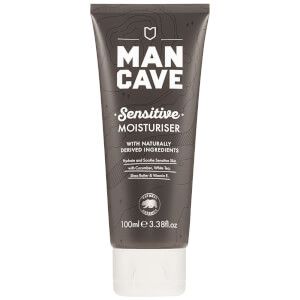
“Sensitive Moisturiser”
This product can help improve hydration of the skin with the two types of ingredients.
The first type is called “humectants”:
these ingredients help attract water.
When humectants are on the surface of the skin, they “pull in” the moisture from the outside environment, or from
within deeper layers of the skin. The following ingredients in this product do the job:
betaine, glycerin.
This product also contains ingredients called “occlusives”. They help reduce the speed with which our skin loses moisture to the outside environment. These ingredients also help soften the upper layer of the skin, so it feels less tight and nicer to the touch. The following ingredients in this product do the job: caprylic/capric triglyceride, c12-15 alkyl benzoate.
Can it cause trouble?
Irritancy3 strong irritants: Parfum, Melissa officinalis leaf extract + 1 more — patch-test recommendedHigh risk
Comedogenic3 ingredients rated 2 or more on the 0–5 pore-clogging scale3 flagged
User reviews
Be the first — your take helps the next person decide.
Ingredients
Filter by role to see what each ingredient is doing.
Water~40–60%
C12-15 alkyl benzoate~4.9–7.3%
- Irritation risk
- Low
Enhances the product texture and makes it more spreadable. Helps reduce water loss from the outer layer of skin. Extands the shelf life by preventing bacteria growth
More about C12-15 alkyl benzoateCetyl alcohol~3.2–4.8%
- Irritation risk
- Low
A non-drying alcohol that works to soften the skin and stabilize product formulations helping oil and water mix together
More about Cetyl alcoholGlycerin~2.8–4.2%
- Irritation risk
- Low
One of the best moisturizing ingredients. Naturally present in skin. It attracts water to the upper layer of the skin working as a humectant
More about GlycerinCaprylic/capric triglyceride~2.2–3.3%
- Irritation risk
- Medium
A good mix of fatty acids that forms a protective layer on the skin. Improves the shelf life of products. Derived from coconut and glycerin
More about Caprylic/capric triglycerideBetaine~1.7–2.5%
- Irritation risk
- Low
Helps attract water to the upper layer of the skin and improves the product texture
More about BetaineCetyl esters~1.5–2.2%
- Irritation risk
- Low
Helps soften upper layer of the skin and can enhance penetration of other ingredients into the upper layer of the skin
More about Cetyl estersPhenoxyethanol~0.5–1%
- Irritation risk
- Low
A preservative. It helps prevent bacterial growth in cosmetic products
More about PhenoxyethanolZea mays starch~1–1.5%
- Irritation risk
- Medium
- Comedogenicity
- 3/5
Used to thicken the product's consistency
More about Zea mays starchButyrospermum parkii butter~0.85–1.3%
- Irritation risk
- Low
- Comedogenicity
- 3/5
A great moisturising ingredient that softens the skin and reduces water loss from its upper layer. It also can be helpful in protecting skin from free radicals
More about Butyrospermum parkii butterSodium polyacrylate~0.55–1.25%
- Irritation risk
- Low
Used to create a gel-like product texture, as well as to stabilize emulsions
More about Sodium polyacrylateParfum~0.35–0.85%
- Irritation risk
- High
An aromatic blend of unspecified and possibly irritating ingredients
More about ParfumSodium stearoyl glutamate~0.4–0.9%
- Irritation risk
- Medium
Helps oil and water mix together
More about Sodium stearoyl glutamateBenzoic acid~0.25–0.5%
Allantoin~0.2–0.75%
- Irritation risk
- Low
Helps calm down inflammation in skin and can help reduce itching. Helps to repair the skin barrier and keep skin hydrated
More about AllantoinCarbomer~0.2–0.75%
- Irritation risk
- Low
Helps create a thicker or gel-like product texture. It is not a surfactant but can be used in gentle cleansing formulations
More about CarbomerAloe barbadensis leaf juice~0.2–0.75%
- Irritation risk
- Medium
Traditionally used to treat sunburns, dermatitis and inflammation, but evidence for its effectiveness is lacking. The extract can contain humectants that help attract water into the skin
More about Aloe barbadensis leaf juiceDehydroacetic acid~0.3–0.6%
Tocopheryl acetate~0.15–0.6%
- Irritation risk
- Medium
A more stable but less bio-available form of vitamin E compared to Tocopherol. Might help moisturize and protect the skin from free radicals, but mostly used in low concentrations to stabilize other ingredients.
More about Tocopheryl acetateEriophorum spissum flower/stem extract~0.15–0.55%
- Irritation risk
- Low
Bulnesia sarmientoi wood oil~0.1–0.5%
- Irritation risk
- Low
Cedrus atlantica bark oil~0.1–0.4%
- Irritation risk
- Low
Sodium hydroxide~0.1–0.4%
Cucumis sativus fruit extract~0.1–0.45%
- Irritation risk
- Medium
Might be somewhat helpful in reducing hyperpigmentation and neutralizing free radicals but its typical concentration in a product is too low for having an effect
More about Cucumis sativus fruit extractPotassium sorbate~0.1–0.45%
Camellia sinensis leaf extract~0.1–0.45%
- Irritation risk
- Low
Can contain potent anti-oxidant compounds (abbreviated ECG, GCG, EGC, and EGCG) that might help protect the skin from free radicals. Can help calm down inflammation and has some anti-bacterial properties. Unfortunately, these antioxidants are unstable and lose their effectiveness very quickly in products. The concentration of the antioxidant compounds in the extract also tends to be low to be effective in topical formulation
More about Camellia sinensis leaf extractLaminaria ochroleuca extract~0.1–0.4%
- Irritation risk
- Low
- Comedogenicity
- 3/5
Helps attract water to the upper layer of the skin
More about Laminaria ochroleuca extractMelissa officinalis leaf extract~0.1–0.4%
- Irritation risk
- High
A plant extract that is added for its fragrance. Can be irritating
More about Melissa officinalis leaf extractPogostemon cablin leaf oil~0.1–0.4%
Sodium benzoate~0.05–0.3%
Disodium rutinyl disulfate~0.1–0.3%
- Irritation risk
- Low
Hordeum distichon extract~0.05–0.25%
- Irritation risk
- Low
Sorbic acid~0.05–0.25%
Citric acid~0.05–0.1%
- Irritation risk
- Medium
Can work as an exfoliant but is typically used to adjust the product pH
More about Citric acidIngredient list view
Water, C12-15 alkyl benzoate, Cetyl alcohol, Glycerin, Caprylic/capric triglyceride, Betaine, Cetyl esters, Phenoxyethanol, Zea mays starch, Butyrospermum parkii butter, Sodium polyacrylate, Parfum, Sodium stearoyl glutamate, Benzoic acid, Allantoin, Carbomer, Aloe barbadensis leaf juice, Dehydroacetic acid, Tocopheryl acetate, Eriophorum spissum flower/stem extract, Bulnesia sarmientoi wood oil, Cedrus atlantica bark oil, Sodium hydroxide, Cucumis sativus fruit extract, Potassium sorbate, Camellia sinensis leaf extract, Laminaria ochroleuca extract, Melissa officinalis leaf extract, Pogostemon cablin leaf oil, Sodium benzoate, Disodium rutinyl disulfate, Hordeum distichon extract, Sorbic acid, Citric acid
Compare prices
Retailers ranked by price — lowest first.
Affiliate links · prices updated regularly · As an Amazon Associate, WIMJ earns from qualifying purchases.
Sources cited in this review
Every concentration estimate and effectiveness label is anchored to one of these 5 studies and safety reviews.
- 1
- 2
- 3
- 4
- 5

Affiliate links · As an Amazon Associate, WIMJ earns from qualifying purchases.