
Works for:
based on ingredients and %- Sun protection
- Evens skin tone
- Anti-oxidation
- Moisturizing
Can it cause trouble?
- Irritation risk: high
- Comedogenic risk ingredients: 0
Key actives
Product Summary
We believe that "Lancôme - Bienfait Multi-Vital Sunscreen Lotion Broad Spectrum SPF 30" can provide reliable sun protection based on the ingredients listed. It can protect from both UVA and UVB rays. This is great news because not all sunscreens with SPF ratings give UVA protection. (UVA rays do not cause sunburn, but still damage our skin and lead to early aging).
This moisturizer should also be hydrating enough to use without an additional moisturizer during the day.
Sunscreen filters
This sunscreen uses so-called "chemical", or organic UV filters (organic simply means that their molecules contain atoms of carbon). These filters typically give good sun protection and rarely leave a white cast, but they can be irritating for sensitive skin. Here are the exact UV filters in this sunscreen: avobenzone 3.00% (declared), octisalate 5.00% (declared) and octocrylene 7.00% (declared).
Irritation risk
There are quite a few common irritants in this product, including ingredients without particular skin benefits. We would not recommend it for sensitive skin. We assess the overall irritancy of this moisturizer to be high. For a detailed overview of all potential irritants: click here
You can see the detailed formula review with the breakdown of all actives in the product and the full ingredient list with estimated concentrations in the tables below.
Evens skin tone
This product offers broad spectrum sun protection. It means that it can prevent hyperpigmentation and help keep the skin tone even (sun damage is the main factor causing age spots, darkening of post-acne marks and other discolorations).
A vitamin C derivative that is more stable but less potent than pure form of vitamin C. Has a potential to boost collagen production, nutralise free radicals and reduce hyperpigmentation, but the required concentration is likely to be much higher than for the pure form of vitamin C, limiting the ingredient's effectiveness in products
Sun protection
This product offers a good level of protection against both UVB and UVA rays.
This sunscreen uses organic (so-called "chemical") sunscreen filters. Organic, or "chemical" filters usually provide reliable sun protection and rarely leave a white cast. Sunscreens with organic filters can sting eyes.
This product can be considered "reef safe" because it does not contain the UV filters (oxybenzone and octinoxate) that can be harmful to coral reefs when present in the water in high concentrations.
A weak sunscreen that protects against the sun rays that cause sunburn (UVB) and is somewhat effective against the UVA rays. It is quite stable and can help stabilize other, more vulnerable, sunscreen ingredients like Avobenzone. It is an organic, or so called "chemical" sunscreen
Avobenzone. An organic, or so-called "chemical" UV filter. Protects against both UVA and UVB rays. Needs to be combined with other filters in a formulation to be stable.
Octisalate. A UV filter. It offers some protection against the sun rays that cause sunburn (UVB), but does not protect against the most aging sun rays (UVA). It loses its effectiveness quickly when exposed to sunlight. It is an organic, or so called "chemical" sunscreen
Anti-oxidation
This product contains antioxidants (castanea sativa seed extract) that might be able to help neutralize free radicals in skin to lessen the damage it gets from the UV light (sun). There is not enough evidence to confirm their effectiveness in skin though.
A plant extract that helps attract water to the upper layer of the skin and can help neutralize free radicals
Might be helpful in neutralising free radicals in skin and have some hydration properties
An emollient. Can be helpful for restoring skin barrier function.
A vitamin C derivative that is more stable but less potent than pure form of vitamin C. Has a potential to boost collagen production, nutralise free radicals and reduce hyperpigmentation, but the required concentration is likely to be much higher than for the pure form of vitamin C, limiting the ingredient's effectiveness in products
A great emollient. Contains vitamin E (tocopherol) which may give it some anti-oxidant properties. Can contain volatile compounds and can be irritating
A more stable but less bio-available form of vitamin E compared to Tocopherol. Might help moisturize and protect the skin from free radicals, but mostly used in low concentrations to stabilize other ingredients.
Moisturizing
What does the product description say?
What it is A lightweight, antioxidant, and vitamin-enriched sunscreen lotion that delivers hydration to the skin.
Source: Sephora
This product can help improve hydration of the skin with the two types of ingredients.
The first type is called “humectants”:
these ingredients help attract water.
When humectants are on the surface of the skin, they “pull in” the moisture from the outside environment, or from
within deeper layers of the skin. The following ingredients in this product do the job:
glycerin, thermus thermophillus ferment.
This product also contains ingredients called “occlusives”. They help reduce the speed with which our skin loses moisture to the outside environment. These ingredients also help soften the upper layer of the skin, so it feels less tight and nicer to the touch. The following ingredients in this product do the job: dimethicone, helianthus annuus seed oil.
A silicone that helps to reduce water loss from the surface of the skin. Can temporarily "fill in" lines and wrinkles, absorb oil, and create a nice product finish
One of the best moisturizing ingredients. Naturally present in skin. It attracts water to the upper layer of the skin working as a humectant
An emollient. Can be helpful for restoring skin barrier function.
A great emollient due to its high linoleic acid content. One of the most effective plant oils in helping skin hydration and repairing skin barrier function
Might be helpful in neutralising free radicals in skin and have some hydration properties
Helps soften the upper layer of the skin and create a nice product texture
A plant extract that helps attract water to the upper layer of the skin and can help neutralize free radicals
Helps soften the upper layer of the skin without creatng a greasy finish
Forms a protective film on the surface of the skin to prevent moisture loss. Gives a velvety feel to products while reducing tackiness
Helps preserve products and creates a nice product texture
Might help attract water to the upper layer of the skin
A great emollient. Contains vitamin E (tocopherol) which may give it some anti-oxidant properties. Can contain volatile compounds and can be irritating
How honest is this product?
| Promise | Can it deliver? |
|---|---|
| Sun protection |
Total Promises Fulfilled score: 95/100.
Potential irritants
Comedogenic ingredients
No comedogenic ingredients detected
User reviews (0)
Averages from community submissions.
No reviews yet for this product.
Be the first to share your experience!
Tried this product?
Help capture what the ingredient list can't—texture, finish, pilling, scent, and more. Answer what you can, skip the rest.
Takes ~30 seconds.
Reviews are shown in aggregate. No personal details.
| Product | Similarity | Price | Irritancy |
|---|---|---|---|
 Lancôme Bienfait Multi-Vital Sunscreen Lotion Broad Spectrum SPF 30 | Current | - | |
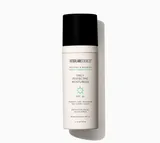 MDSolarSciences Daily Perfecting Moisturizer SPF 30 | 34% | $78.00 | |
 Banana Boat Protection + Vitamins | 32% | $10.95 | |
ISDIN Fusion Water MAGIC Repair LSF 50 | 32% | - | |
 SkinCeuticals Sport UV Defense SPF 50 | 32% | - | |
 Hawaiian Tropic Broad Spectrum Sunscreen Lotion, SPF 50 | 32% | $10.97 |
Key Actives
A vitamin C derivative that is more stable but less potent than pure form of vitamin C. Has a potential to boost collagen production, nutralise free radicals and reduce hyperpigmentation, but the required concentration is likely to be much higher than for the pure form of vitamin C, limiting the ingredient's effectiveness in products
Might be helpful in neutralising free radicals in skin and have some hydration properties
A silicone that helps to reduce water loss from the surface of the skin. Can temporarily "fill in" lines and wrinkles, absorb oil, and create a nice product finish
An emollient. Can be helpful for restoring skin barrier function.
A plant extract that helps attract water to the upper layer of the skin and can help neutralize free radicals
Avobenzone. An organic, or so-called "chemical" UV filter. Protects against both UVA and UVB rays. Needs to be combined with other filters in a formulation to be stable.
A weak sunscreen that protects against the sun rays that cause sunburn (UVB) and is somewhat effective against the UVA rays. It is quite stable and can help stabilize other, more vulnerable, sunscreen ingredients like Avobenzone. It is an organic, or so called "chemical" sunscreen
One of the best moisturizing ingredients. Naturally present in skin. It attracts water to the upper layer of the skin working as a humectant
A great emollient due to its high linoleic acid content. One of the most effective plant oils in helping skin hydration and repairing skin barrier function
Potential irritants
A fragrance. Can be irritating
A preservative. Can be used to mask unpleasant smell. Can be irritating
A fragrance. Potential allergen and can be irritating
An aromatic blend of unspecified and possibly irritating ingredients
Avobenzone. An organic, or so-called "chemical" UV filter. Protects against both UVA and UVB rays. Needs to be combined with other filters in a formulation to be stable.
A weak sunscreen that protects against the sun rays that cause sunburn (UVB) and is somewhat effective against the UVA rays. It is quite stable and can help stabilize other, more vulnerable, sunscreen ingredients like Avobenzone. It is an organic, or so called "chemical" sunscreen
Used to thicken the product's consistency
An emollient. Can be helpful for restoring skin barrier function.
A more stable but less bio-available form of vitamin E compared to Tocopherol. Might help moisturize and protect the skin from free radicals, but mostly used in low concentrations to stabilize other ingredients.
A vitamin C derivative that is more stable but less potent than pure form of vitamin C. Has a potential to boost collagen production, nutralise free radicals and reduce hyperpigmentation, but the required concentration is likely to be much higher than for the pure form of vitamin C, limiting the ingredient's effectiveness in products
Might be helpful in neutralising free radicals in skin and have some hydration properties
Used to adjust pH of the product and can help improve the product's smell
Helps preserve products and creates a nice product texture
A plant extract that helps attract water to the upper layer of the skin and can help neutralize free radicals
A great emollient. Contains vitamin E (tocopherol) which may give it some anti-oxidant properties. Can contain volatile compounds and can be irritating
Comedogenic ingredients
We couldn't find any comedogenic ingredients in this product
All ingredients
Avobenzone. An organic, or so-called "chemical" UV filter. Protects against both UVA and UVB rays. Needs to be combined with other filters in a formulation to be stable.
Octisalate. A UV filter. It offers some protection against the sun rays that cause sunburn (UVB), but does not protect against the most aging sun rays (UVA). It loses its effectiveness quickly when exposed to sunlight. It is an organic, or so called "chemical" sunscreen
A weak sunscreen that protects against the sun rays that cause sunburn (UVB) and is somewhat effective against the UVA rays. It is quite stable and can help stabilize other, more vulnerable, sunscreen ingredients like Avobenzone. It is an organic, or so called "chemical" sunscreen
Forms a protective film on the surface of the skin to prevent moisture loss. Gives a velvety feel to products while reducing tackiness
One of the best moisturizing ingredients. Naturally present in skin. It attracts water to the upper layer of the skin working as a humectant
A silicone that helps to reduce water loss from the surface of the skin. Can temporarily "fill in" lines and wrinkles, absorb oil, and create a nice product finish
Helps soften the upper layer of the skin without creatng a greasy finish
Used to thicken the product's consistency
An emollient. Can be helpful for restoring skin barrier function.
A more stable but less bio-available form of vitamin E compared to Tocopherol. Might help moisturize and protect the skin from free radicals, but mostly used in low concentrations to stabilize other ingredients.
A vitamin C derivative that is more stable but less potent than pure form of vitamin C. Has a potential to boost collagen production, nutralise free radicals and reduce hyperpigmentation, but the required concentration is likely to be much higher than for the pure form of vitamin C, limiting the ingredient's effectiveness in products
A fragrance. Can be irritating
A preservative. It helps prevent bacterial growth in cosmetic products
Might be helpful in neutralising free radicals in skin and have some hydration properties
Helps soften the upper layer of the skin and create a nice product texture
Used to adjust pH of the product and can help improve the product's smell
A great emollient due to its high linoleic acid content. One of the most effective plant oils in helping skin hydration and repairing skin barrier function
A preservative. Can be used to mask unpleasant smell. Can be irritating
Helps preserve products and creates a nice product texture
A fragrance. Potential allergen and can be irritating
Helps create a thicker or gel-like product texture. It is not a surfactant but can be used in gentle cleansing formulations
Might help attract water to the upper layer of the skin
A plant extract that helps attract water to the upper layer of the skin and can help neutralize free radicals
A great emollient. Contains vitamin E (tocopherol) which may give it some anti-oxidant properties. Can contain volatile compounds and can be irritating
An aromatic blend of unspecified and possibly irritating ingredients
Ingredient list view
Butyl methoxydibenzoylmethane, Ethylhexyl salicylate, Octocrylene, Water, Isononyl isononanoate, Glycerin, Dimethicone, Diisopropyl sebacate, Aluminum starch octenylsuccinate, Sucrose tristearate, Polysorbate 61, Ribes nigrum seed oil, Tocopheryl acetate, Ascorbyl glucoside, Sodium stearoyl glutamate, Hydroxycitronellal, Hydroxyisohexyl 3-cyclohexene carboxaldehyde, Phenoxyethanol, Thermus thermophillus ferment, Peg-12 dimethicone, Eugenol, Ethylparaben, Triethanolamine, Helianthus annuus seed oil, Dimethiconol panthenol, Xanthan gum, Benzyl salicylate, Benzyl alcohol, Linalool, Oxothiazolidinecarboxylic acid, Caprylyl glycol, Alpha-isomethyl ionone, Carbomer, Geraniol, Moringa pterygosperma seed extract, Disodium edta, Castanea sativa seed extract, Rosa canina fruit oil, Methylparaben, Citronellol, Hexyl cinnamal, Parfum
- Glycerol and the skin: holistic approach to its origin and functions
- Dimethicone as a protective ingredient in topical medications
- Final Report on the Safety Assessment of Dimethicone Copolyol
- The Roles of Vitamin C in Skin Health
- Stability, transdermal penetration, and cutaneous effects of ascorbic acid and its derivatives
- Effect of Olive and Sunflower Seed Oil on the Adult Skin Barrier: Implications for Neonatal Skin Care
- Topically Applied Sunflower Seed Oil Prevents Invasive Bacterial Infections in Preterm Infants in Egypt
- Effect of topically applied lipids on surfactant-irritated skin
- Impact of topical oils on the skin barrier: possible implications for neonatal health in developing countries
- Annex I: Clinical evidence regarding sensitisation to individual fragrance chemicals and to natural extracts
- Chestnut extract