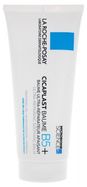
La Roche-Posay Cicaplast Balm B5+
Works for
1 of 3 advertised claims delivered
MoisturizingPanthenol, Glycerin + 13 moreStrong evidence
This product can help improve hydration of the skin with the two types of ingredients.
The first type is called “humectants”:
these ingredients help attract water.
When humectants are on the surface of the skin, they “pull in” the moisture from the outside environment, or from
within deeper layers of the skin. The following ingredients in this product do the job:
glycerin, butylene glycol.
This product also contains ingredients called “occlusives”. They help reduce the speed with which our skin loses moisture to the outside environment. These ingredients also help soften the upper layer of the skin, so it feels less tight and nicer to the touch. The following ingredients in this product do the job: butyrospermum parkii butter, dimethicone.
The following ingredients in this product are especially good for supporting the skin barrier and helping with the hydration level: panthenol
Evens skin toneZinc gluconateWeak evidence
Effective ingredients missing or their concentration is too low
Anti-blemishCentella asiatica leaf extract, Zinc gluconateWeak evidence
Effective ingredients missing or their concentration is too low.
Anti-agingNot advertised by the brand · Centella asiatica leaf extract, Butyrospermum parkii butter + 2 moreModerate evidence
This product contains centella asiatica leaf extract. This ingredient might be able to help reduce and prevent fine lines and wrinkles, improve skin elasticity and firmness, but there is not enough evidence that it actually works.
Can it cause trouble?
Irritancy8 flagged ingredientsLow risk
Comedogenic2 ingredients rated 2 or more on the 0–5 pore-clogging scale2 flagged
User reviews
Ingredients
Filter by role to see what each ingredient is doing.
Water~45–55%
Hydrogenated polyisobutene~5.8–7.1%
- Irritation risk
- Low
Used to improve the product consistency and soften the upper layer of the skin
More about Hydrogenated polyisobuteneDimethicone~4.2–5.1%
- Irritation risk
- Low
A silicone that helps to reduce water loss from the surface of the skin. Can temporarily "fill in" lines and wrinkles, absorb oil, and create a nice product finish
More about DimethiconeGlycerin~3–3.7%
- Irritation risk
- Low
One of the best moisturizing ingredients. Naturally present in skin. It attracts water to the upper layer of the skin working as a humectant
More about GlycerinButyrospermum parkii butter~2.4–2.9%
- Irritation risk
- Low
- Comedogenicity
- 3/5
A great moisturising ingredient that softens the skin and reduces water loss from its upper layer. It also can be helpful in protecting skin from free radicals
More about Butyrospermum parkii butterPanthenol~1.9–2.3%
- Irritation risk
- Low
Helps attract water to the upper layer of the skin and can help improve skin barrier function
More about PanthenolZea mays starch~1.6–2%
- Irritation risk
- Medium
- Comedogenicity
- 3/5
Used to thicken the product's consistency
More about Zea mays starchPropanediol~1.4–1.8%
- Irritation risk
- Low
Acts as a solvent for other ingredients. Speeds up the absorption of other ingredients into the skin
More about PropanediolButylene glycol~1.2–1.4%
- Irritation risk
- Low
Used to create a nice product texture and help delivery of other ingredients. Might be somewhat helpful in attracting water to the upper layer of the skin
More about Butylene glycolCetyl peg/ppg-10/1 dimethicone~0.95–1.15%
- Irritation risk
- Low
A type of silicone that helps water and oil mix together. Can help to soften upper layer of the skin
More about Cetyl peg/ppg-10/1 dimethiconeTrihydroxystearin~0.65–0.95%
- Irritation risk
- Low
Helps soften the upper layer of the skin and improve the product texture
More about TrihydroxystearinCentella asiatica leaf extract~0.55–0.8%
- Irritation risk
- Medium
A plant extract that has been shown to be able to reduce inflammation in skin, support restoration of skin barrier function, as well as support collagen production. It can be irritating to sensitive skin. Might be helpful in preventing stretch marks. It could, however, itself be irritating.
More about Centella asiatica leaf extractPolymnia sonchifolia root juice~0.5–0.75%
- Irritation risk
- High
A plant extract that helps attract water to the upper layer of the skin and might have some anti-oxidant properties
More about Polymnia sonchifolia root juiceZinc gluconate~0.45–0.65%
- Irritation risk
- Medium
Typically used to stabilize the product formulations. It is a salt of a polyhydroxy acid (PHA) and in larger concentrations, can help shed the dead cells from the skin surface revealing smoother skin. It can help attract water to the upper layer of the skin. Might to be helpful against acne and clogged pores. Could be helpful in neutralizing free radicals, but solid research is missing. Due to the zinc content, might help calm down inflammation in skin
More about Zinc gluconateAlpha-glucan oligosaccharide~0.45–0.7%
- Irritation risk
- Low
Helps attract water to the upper layer of the skin
More about Alpha-glucan oligosaccharideSilica~0.55–0.85%
Aluminum hydroxide~0.45–0.65%
- Irritation risk
- Low
Is used to add opaque (non-transparent) appearance to formulations. Can be used to coat other ingredients for even dispersion. This is a different ingredient compared to the ones used in antipersperants (aluminium chloride and aluminium chlorohydrate)
More about Aluminum hydroxideMagnesium sulfate~0.35–0.6%
Mannose~0.3–0.55%
- Irritation risk
- Low
Capryloyl glycine~0.35–0.6%
- Irritation risk
- Low
Helps oil and water mix together, preserve cosmetic products, and attract water to the upper layer of the skin
More about Capryloyl glycineCaprylyl glycol~0.25–0.5%
- Irritation risk
- Medium
Helps preserve products and creates a nice product texture
More about Caprylyl glycolVitreoscilla ferment~0.2–0.4%
- Irritation risk
- Low
Citric acid~0.2–0.35%
- Irritation risk
- Medium
Can work as an exfoliant but is typically used to adjust the product pH
More about Citric acidTrisodium ethylenediamine disuccinate~0.2–0.35%
- Irritation risk
- Medium
Used to improve stability of the formulation
More about Trisodium ethylenediamine disuccinateLactobacillus~0.15–0.3%
- Irritation risk
- Low
A non-living ingredient made by fermentation with the bacteria Lactobacillus. It can help attract water to the upper layer of the skin and might help reduce inflammation
More about LactobacillusAcetylated glycol stearate~0.2–0.4%
- Irritation risk
- Low
Maltodextrin~0.15–0.3%
- Irritation risk
- Low
Used to stabilize the product formulation and can help absorb oil
More about MaltodextrinPolyglyceryl-4 isostearate~0.15–0.3%
- Irritation risk
- Medium
Helps water and oil mix together
More about Polyglyceryl-4 isostearateTocopherol~0.15–0.25%
- Irritation risk
- Low
Pure form of vitamin E. Can help moisturise and protect the skin from free radicals. Often used to help stabilise other ingredients or the formula itself
More about TocopherolPentaerythrityl tetra-di-t-butyl hydroxyhydrocinnamate~0.15–0.25%
- Irritation risk
- Low
Used to increase stability of product formulations
More about Pentaerythrityl tetra-di-t-butyl hydroxyhydrocinnamateCi 77891~0.05–0.15%
- Irritation risk
- Low
Titanium dioxide~0.05–0.15%
- Irritation risk
- Low
Works as a UV filter when used in high concentrations. It is photostable and is effective mostly against the UVB light, with some protection in the UVA range. In small concentrations, used for its ability to improve the color of cosmetic products. Is usually well tolerated by the skin
More about Titanium dioxideIngredient list view
Water, Hydrogenated polyisobutene, Dimethicone, Glycerin, Butyrospermum parkii butter, Panthenol, Zea mays starch, Propanediol, Butylene glycol, Cetyl peg/ppg-10/1 dimethicone, Trihydroxystearin, Centella asiatica leaf extract, Polymnia sonchifolia root juice, Zinc gluconate, Alpha-glucan oligosaccharide, Silica, Aluminum hydroxide, Magnesium sulfate, Mannose, Capryloyl glycine, Caprylyl glycol, Vitreoscilla ferment, Citric acid, Trisodium ethylenediamine disuccinate, Lactobacillus, Acetylated glycol stearate, Maltodextrin, Polyglyceryl-4 isostearate, Tocopherol, Pentaerythrityl tetra-di-t-butyl hydroxyhydrocinnamate, Ci 77891, Titanium dioxide
Compare prices
Retailers ranked by price — lowest first.
Affiliate links · prices updated regularly · As an Amazon Associate, WIMJ earns from qualifying purchases.
Worth comparing, line by line.
Match % combines shared ingredients, the first five ingredients, shared actives and hero ingredients, irritancy (lower counts in the alternative's favour), texture and body area. Only products in the same routine step are compared.
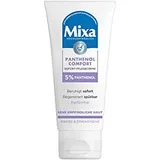
| La Roche-PosayCicaplast Balm B5+YOUR PRODUCT | MixaInstant Care Cream | |
|---|---|---|
| Match | — | 54% |
| Price | $6.34 | $5.26−$1.08 |
| Shared key ingredients | — | 4 of 8 |
| Key difference | — | Copper Gluconate |
| Irritancy | Low | Low |
| Drying alcohol | — | — |
| View product | Shop |
Product summary
"La Roche-Posay - Cicaplast Balm B5+" has a good moisturizing formula. This moisturizer uses a good combo of humectants and emollients. These both types of ingredients are essentials for improving the skin hydration and keeping the skin barrier healthy. Panthenol, glycerin, butylene glycol and caprylyl glycol in this product (humectants) attract water molecules to the upper layer of the skin (the water comes from the outside air or from the deeper layers of the skin if the air is dry). Emollients in this formulation (butyrospermum parkii butter, dimethicone, caprylyl glycol and hydrogenated polyisobutene) help to reduce the moisture loss from the skin. They also soften the skin surface and relieve the feeling of dryness and tightness.
Ingredient callouts
- Panthenol (pro-vitamin B5) at about 1.90% - 2.30% concentration. In this concentration, Panthenol works effectively to improve the skin barrier and reduce inflammation.
Irritation risk
This formulation includes some common irritants, including ingredients that do not provide a benefit for the skin. We assess the overall irritancy of this moisturizer to be low. For a detailed overview of all potential irritants: click here
You can see the detailed formula review with the breakdown of all actives in the product and the full ingredient list with estimated concentrations in the tables below.
Price
The product retails for 21.05A$ in Australia and from 4.74£ up to 12.84£ in the United Kingdom.
For a detailed price comparison: click here.
Sources cited in this review
Every concentration estimate and effectiveness label is anchored to one of these 19 studies and safety reviews.
- 1
- 2
- 3Final Report on the Safety Assessment of Dimethicone Copolyoljournals.sagepub.com
- 4
- 5Skin moisturizing effects of panthenol-based formulationspdfs.semanticscholar.org
- 6

Affiliate links · As an Amazon Associate, WIMJ earns from qualifying purchases.