Works for:
based on ingredients and %- Moisturizing
Can it cause trouble?
- Irritation risk: medium
- Comedogenic risk ingredients: 6
Key actives


Product Summary
"Kiehl's - Daily Hydrating Duo" is effective for: Moisturizing
Ingredient callouts
- Humectants (copper pca 0.10% - 0.20%, sodium pca 0.15% - 0.25% and glycerin 4.80% - 5.80%). These ingredients help attract water to the upper layer of the skin and improve the skin hydration.
Price
The product retails for 54.00£ in the United Kingdom.
For a detailed price comparison: click here.
Works for
Moisturizing
What does the product description say?
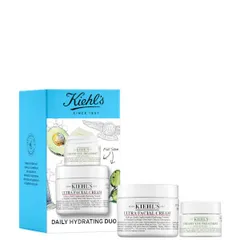
Daily Hydrating Duo
Source: From product name
This product can help improve hydration of the skin with the two types of ingredients.
The first type is called “humectants”:
these ingredients help attract water.
When humectants are on the surface of the skin, they “pull in” the moisture from the outside environment, or from
within deeper layers of the skin. The following ingredients in this product do the job:
copper pca, glycerin.
This product also contains ingredients called “occlusives”. They help reduce the speed with which our skin loses moisture to the outside environment. These ingredients also help soften the upper layer of the skin, so it feels less tight and nicer to the touch. The following ingredients in this product do the job: dimethicone, helianthus annuus seed oil.
The following ingredients in this product are especially good for supporting the skin barrier and helping with the hydration level: hydroxypalmitoyl sphinganine
Helps attract water to the upper layer of the skin
Helps soften the upper layer of the skin
A type of lipid similar to ceramides naturally present in skin. Helps to soften the upper layer of the skin and supports the skin barrier function to keep it hydrated. Can help to prevent inflammation in skin
An emollient. Is not recommended for acne-prone skin as it can be comedogenic
Helps soften the upper layer of the skin and might have some anti-oxidant properties
A silicone that helps to reduce water loss from the surface of the skin. Can temporarily "fill in" lines and wrinkles, absorb oil, and create a nice product finish
An emollient that helps soften the skin and could be helpful in repairing its barrier function
Naturally present in skin and helps to attract water to its upper layer
Helps soften the upper layer of the skin
One of the best moisturizing ingredients. Naturally present in skin. It attracts water to the upper layer of the skin working as a humectant
An oil naturally present in skin. Works as an emollient to soften the skin and form a protective layer on its surface without a greasy feeling.
A good emollient that helps soften the skin and helps repair its barrier function. It can clog pores if used in high concentrations.
A great emollient due to its high linoleic acid content. One of the most effective plant oils in helping skin hydration and repairing skin barrier function
An emollient that helps soften the skin but is not effective for restoring its barrier function. Might be helpful to calm down inflammation
A non-drying alcohol that works to soften the skin and stabilize product formulations helping oil and water mix together
A plant oil that can help soften the skin. It might be helpful in calming down inflammation, but solid research is lacking. Is often used in lip products to create the needed product consistency
Used to create a thicker product consistency and soften the upper layer of the skin
Used to create a nice product texture and help delivery of other ingredients. Might be somewhat helpful in attracting water to the upper layer of the skin
An emollient that softens the skin and forms a protective layer on its surface. Helps water and oil mix together
Helps soften the upper layer of the skin
Helps soften the upper layer of the skin and create a thicker product consistency
An emollient that is naturally present in skin and helps soften it
Helps oil and water mix together and can enhance the penetration of other ingredients into the skin. It can be irritating
Used to create a thicker product consistency and soften the upper layer of the skin
A type of silicone that helps soften the upper layer of the skin and create a nice product texture
A great moisturising ingredient that softens the skin and reduces water loss from its upper layer. It also can be helpful in protecting skin from free radicals
An emollient that helps soften the skin
Helps oil and water mix together and works as an emollient
Pure form of vitamin E. Can help moisturise and protect the skin from free radicals. Often used to help stabilise other ingredients or the formula itself
How honest is this product?
| Promise | Can it deliver? |
|---|---|
| Moisturizing |
Total Promises Fulfilled score: 100/100.
We receive a small commission for purchases made through these links at no cost for you. Thank you for your support! Learn more
Potential irritants
Comedogenic ingredients
User reviews (0)
Averages from community submissions.
No reviews yet for this product.
Be the first to share your experience!
Tried this product?
Help capture what the ingredient list can't—texture, finish, pilling, scent, and more. Answer what you can, skip the rest.
Takes ~30 seconds.
Reviews are shown in aggregate. No personal details.
| Product | Similarity | Price | Irritancy |
|---|---|---|---|
 Kiehl's Daily Hydrating Duo | Current | $54.00 | |
 Emma S Treatment Niacinamide Formula | 70% | - | |
Clinique Fresh Pressed Daily Booster with Pure Vitamin C 10% | 69% | $11.00 | |
 Glo Skin Beauty Anti-Stress CBD Drops | 69% | - | |
Nursem Caring Skin Fix | 69% | $14.99 | |
 One Ocean Beauty Revitalising Sea Serum | 69% | $46.80 |
Key Actives
Used for skin exfoliation. It has an anti-inflammatory and anti-bacterial effect, helps to unclog pores, prevent blemishes and speed up healing of the existing ones. Sometimes referred to as a BHA (beta-hydroxy acid)
A type of lipid similar to ceramides naturally present in skin. Helps to soften the upper layer of the skin and supports the skin barrier function to keep it hydrated. Can help to prevent inflammation in skin
A great moisturising ingredient that softens the skin and reduces water loss from its upper layer. It also can be helpful in protecting skin from free radicals
A silicone that helps to reduce water loss from the surface of the skin. Can temporarily "fill in" lines and wrinkles, absorb oil, and create a nice product finish
An emollient that helps soften the skin
One of the best moisturizing ingredients. Naturally present in skin. It attracts water to the upper layer of the skin working as a humectant
An oil naturally present in skin. Works as an emollient to soften the skin and form a protective layer on its surface without a greasy feeling.
An emollient. Is not recommended for acne-prone skin as it can be comedogenic
An emollient that helps soften the skin and could be helpful in repairing its barrier function
Helps soften the upper layer of the skin and might have some anti-oxidant properties
Helps soften the upper layer of the skin
A good emollient that helps soften the skin and helps repair its barrier function. It can clog pores if used in high concentrations.
A great emollient due to its high linoleic acid content. One of the most effective plant oils in helping skin hydration and repairing skin barrier function
An emollient that helps soften the skin and could be helpful in repairing its barrier function
Naturally present in skin and helps to attract water to its upper layer
Helps soften the upper layer of the skin
Helps attract water to the upper layer of the skin
A great emollient due to its high linoleic acid content. One of the most effective plant oils in helping skin hydration and repairing skin barrier function
Potential irritants
Used for skin exfoliation. It has an anti-inflammatory and anti-bacterial effect, helps to unclog pores, prevent blemishes and speed up healing of the existing ones. Sometimes referred to as a BHA (beta-hydroxy acid)
Can be helpful in reducing inflammation in skin, including inflamed acne. It can be irritating
Helps oil and water mix together and can enhance the penetration of other ingredients into the skin. It can be irritating
Used to help oil and water mix together. Can be irritating
Helps preserve products. Can mask unpleasant smell. Could be irritating
An emollient. Is not recommended for acne-prone skin as it can be comedogenic
An emollient that helps soften the skin and could be helpful in repairing its barrier function
An emollient that helps soften the skin but is not effective for restoring its barrier function. Might be helpful to calm down inflammation
Maintains the texture of skincare products. Allows the product to spread evenly. Helps oil and water mix together
Used to improve stability of the formulation
A good emollient that helps soften the skin and helps repair its barrier function. It can clog pores if used in high concentrations.
Helps oil and water mix together. Could be comedogenic
Can work as an exfoliant but is typically used to adjust the product pH
Used to create a thicker product consistency and soften the upper layer of the skin
Used to create a thicker product consistency and soften the upper layer of the skin
An emollient that helps soften the skin and could be helpful in repairing its barrier function
A plant oil that can help soften the skin. It might be helpful in calming down inflammation, but solid research is lacking. Is often used in lip products to create the needed product consistency
A more stable but less bio-available form of vitamin E compared to Tocopherol. Might help moisturize and protect the skin from free radicals, but mostly used in low concentrations to stabilize other ingredients.
Helps soften the upper layer of the skin and create a thicker product consistency
Can work as an exfoliant but is typically used to adjust the product pH
Comedogenic ingredients
An emollient. Is not recommended for acne-prone skin as it can be comedogenic
A good emollient that helps soften the skin and helps repair its barrier function. It can clog pores if used in high concentrations.
Helps oil and water mix together. Could be comedogenic
A great moisturising ingredient that softens the skin and reduces water loss from its upper layer. It also can be helpful in protecting skin from free radicals
Helps soften the upper layer of the skin and create a thicker product consistency
All ingredients
One of the best moisturizing ingredients. Naturally present in skin. It attracts water to the upper layer of the skin working as a humectant
A silicone that helps to reduce water loss from the surface of the skin. Can temporarily "fill in" lines and wrinkles, absorb oil, and create a nice product finish
An oil naturally present in skin. Works as an emollient to soften the skin and form a protective layer on its surface without a greasy feeling.
A type of silicone that helps soften the upper layer of the skin and create a nice product texture
An emollient. Is not recommended for acne-prone skin as it can be comedogenic
A preservative. It helps prevent bacterial growth in cosmetic products
An emollient that helps soften the skin and could be helpful in repairing its barrier function
An emollient that softens the skin and forms a protective layer on its surface. Helps water and oil mix together
A non-drying alcohol that works to soften the skin and stabilize product formulations helping oil and water mix together
Helps soften the upper layer of the skin and might have some anti-oxidant properties
An emollient that helps soften the skin but is not effective for restoring its barrier function. Might be helpful to calm down inflammation
An emollient that is naturally present in skin and helps soften it
Helps create a thicker or gel-like product texture. It is not a surfactant but can be used in gentle cleansing formulations
Maintains the texture of skincare products. Allows the product to spread evenly. Helps oil and water mix together
Used to improve stability of the formulation
Pure form of vitamin E. Can help moisturise and protect the skin from free radicals. Often used to help stabilise other ingredients or the formula itself
A good emollient that helps soften the skin and helps repair its barrier function. It can clog pores if used in high concentrations.
Helps oil and water mix together. Could be comedogenic
A type of lipid similar to ceramides naturally present in skin. Helps to soften the upper layer of the skin and supports the skin barrier function to keep it hydrated. Can help to prevent inflammation in skin
Used for skin exfoliation. It has an anti-inflammatory and anti-bacterial effect, helps to unclog pores, prevent blemishes and speed up healing of the existing ones. Sometimes referred to as a BHA (beta-hydroxy acid)
A great emollient due to its high linoleic acid content. One of the most effective plant oils in helping skin hydration and repairing skin barrier function
Can be helpful in reducing inflammation in skin, including inflamed acne. It can be irritating
Can work as an exfoliant but is typically used to adjust the product pH
A great moisturising ingredient that softens the skin and reduces water loss from its upper layer. It also can be helpful in protecting skin from free radicals
Used to create a nice product texture and help delivery of other ingredients. Might be somewhat helpful in attracting water to the upper layer of the skin
Used to create a thicker product consistency and soften the upper layer of the skin
Used to create a thicker product consistency and soften the upper layer of the skin
An emollient that helps soften the skin and could be helpful in repairing its barrier function
Helps oil and water mix together and can enhance the penetration of other ingredients into the skin. It can be irritating
Used to help oil and water mix together. Can be irritating
A plant oil that can help soften the skin. It might be helpful in calming down inflammation, but solid research is lacking. Is often used in lip products to create the needed product consistency
Naturally present in skin and helps to attract water to its upper layer
A preservative. It helps prevent bacterial growth in cosmetic products
Helps preserve products. Can mask unpleasant smell. Could be irritating
A more stable but less bio-available form of vitamin E compared to Tocopherol. Might help moisturize and protect the skin from free radicals, but mostly used in low concentrations to stabilize other ingredients.
Helps soften the upper layer of the skin and create a thicker product consistency
A great emollient due to its high linoleic acid content. One of the most effective plant oils in helping skin hydration and repairing skin barrier function
Can work as an exfoliant but is typically used to adjust the product pH
Ingredient list view
Water, Glycerin, Dimethicone, Squalane, Bis-peg-18 methyl ether dimethyl silane, Sucrose stearate, Stearyl alcohol, Peg-8 stearate, Myristyl myristate, Prunus armeniaca kernel oil, Phenoxyethanol, Persea gratissima oil, Glyceryl stearate, Cetyl alcohol, Oryza sativa bran oil, Olea europaea fruit oil, Chlorphenesin, Stearic acid, Palmitic acid, Carbomer, Acrylates/c10-30 alkyl acrylate crosspolymer, Trisodium ethylenediamine disuccinate, Prunus amygdalus dulcis seed, Xanthan gum, Ethylhexylglycerin, Sodium hydroxide, Tocopherol, Rna, Unknown, Glycine soja oil, Pseudoalteromonas ferment extract, Myristic acid, Hydroxypalmitoyl sphinganine, Salicylic acid, Helianthus annuus seed oil, Rosmarinus officinalis leaf extract, Citric acid, Cream, Persea gratissima fruit water, Butyrospermum parkii butter, Butylene glycol, Tridecyl stearate, Peg-30 dipolyhydroxystearate, Isodecyl salicylate, Tridecyl trimellitate, Persea gratissima oil, Isocetyl stearoyl stearate, Propylene glycol, Dipentaerythrityl hexacaprylate/hexacaprate, Sorbitan sesquioleate, Magnesium sulfate, Hydrogenated castor oil, Sodium pca, Phenoxyethanol, Chlorphenesin, Hydrogenated jojoba oil, P-anisic acid, Tocopheryl acetate, Isopropyl palmitate, Disodium edta, Copper pca, Helianthus annuus seed oil, Ci 40800, Beta-carotene, Citric acid
- Glycerol and the skin: holistic approach to its origin and functions
- Dimethicone as a protective ingredient in topical medications
- Final Report on the Safety Assessment of Dimethicone Copolyol
- Safety Assessment of PEG Diesters as Used in Cosmetics
- Study on the Composition of Rice Bran Oil and Its Higher Free Fatty Acids Value
- Use of “natural” oils for moisturization: Review of olive, coconut, and sunflower seed oil
- Vitamin E in dermatology
- Vitamin E and Skin Health
- The fatty acid profile of the skin surface lipid layer in papulopustular rosacea
- Acceptability and Efficacy of an Emollient Containing Ceramide-Precursor Lipids and Moisturizing Factors for Atopic Dermatitis in Pediatric Patients
- Emollient treatment of atopic dermatitis: latest evidence and clinical considerations
- Salicylic acid as a peeling agent: a comprehensive review
- Beta Hydroxy Acids
- A review of toxicity from topical salicylic acid preparations
- Glycolic Acid Peels Versus Salicylic–Mandelic Acid Peels in Active Acne Vulgaris and Post‐Acne Scarring and Hyperpigmentation: A Comparative Study
- Effect of Olive and Sunflower Seed Oil on the Adult Skin Barrier: Implications for Neonatal Skin Care
- Topically Applied Sunflower Seed Oil Prevents Invasive Bacterial Infections in Preterm Infants in Egypt
- Effect of topically applied lipids on surfactant-irritated skin
- Impact of topical oils on the skin barrier: possible implications for neonatal health in developing countries
- Allergic contact dermatitis induced by rosemary leaf extract in a cleansing gel
- Safety Assessment of Rosmarinus officinalis (Rosemary)-Derived Ingredients as Used in Cosmetics
- Rosmarinus officinalis Extract Suppresses Propionibacterium acnes–Induced Inflammatory Responses
- Amended Safety Assessment of Alkyl Esters as Used in Cosmetics
- Surfactants and experimental irritant contact dermatitis
- Propylene Glycol
- Skin-sensitizing and irritant properties of propylene glycol
- Sorbitan sesquioleate, a common emulsifier in topical corticosteroids, is an important contact allergen
- Safety Assessment of Magnesium Sulfate as Used in Cosmetics
- Final report on the safety assessment of Ricinus Communis (Castor) Seed Oil, Hydrogenated Castor Oil, Glyceryl Ricinoleate, Glyceryl Ricinoleate SE, Ricinoleic Acid, Potassium Ricinoleate, Sodium Ricinoleate, Zinc Ricinoleate, Cetyl Ricinoleate, Ethyl Ricinoleate, Glycol Ricinoleate, Isopropyl Ricinoleate, Methyl Ricinoleate, and Octyldodecyl Ricinoleate
- Castor Oil: Properties, Uses, and Optimization of Processing Parameters in Commercial Production
- Effect of ricinoleic acid in acute and subchronic experimental models of inflammation
- Sodium anisate
- Final Report on the Safety Assessment of Isopropyl Isostearate