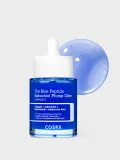
Jaxon Lane Super Serum

Jaxon Lane Super Serum

Efficacy100/100IrritancyMedium

Works for

Evens skin tone
Niacinamide, Tranexamic acid + 5 more
Works well
What the product description says
“Brightens skin tone, fights hyperpigmentation, and boosts skin barrier.”
Source: N/A

This product can help reduce hypepigmentation and even out the skin tone because it contains the following effective ingredients: bakuchiol, niacinamide, tranexamic acid

The following ingredient (ingredients) in this product might be helpful, but there is no evidence to confirm that it actually can help even out the skin tone: 3-o-ethyl ascorbic acid, madecassoside.

Keep in mind that you would need to apply any topical skincare targetted at hypigmentation consistently for a couple of months to get a result. No topical skincare product can help get rid of hyperpigmentation (including post-acne marks and age spots) instantly.

NiacinamideKey activeEffect: HighIs proven to be effective in reducing blemishes, evening out skin tone and helping to improve lines and wrinkles. It helps the skin to repair sun damage, calm down inflammation and keep maintain good levels of moisture. The concentration of about 2% is effective for supporting the skin barrier and evening out the skin tone. Concentration of 4-6% is better for helping with acne and balancing the sebum production~1.2–1.4%
Tranexamic acidKey activeEffect: HighAn amino acid that is effective in reducing hyperpigmentation and evening out the skin tone. It can also help in skin barrier recovery. It is used to treat melasma, especially with injections and when taken orally~0.8–1.2%
BakuchiolKey activeEffect: HighA plant extract that is, though different in chemical structure, acts similar to retinoids. First studies show that it can help reduce fine lines and wrinkles, improve skin tone, reduce clogged pores and blemishes, and reduce inflammation. There is no conclusive evidence that bakuchiol is as effective as retinol however. The study that directly compared retinol with bakuchiol used bakuchiol applied twice daily compared to once per day for the retinol. According to this study, bakuchiol is less irritating than retinol. Bakuchiol is extracted from seeds of Babchi plant. Other parts of the plant contain coumarins that could cause allergic and irritant reactions. These compounds should be removed in the extraction process when bakuchiol is produced, but it is a good idea to be cautious and stay away from products that include the Babchi plant extracts other than purified bakuchiol to avoid irritation~0.7–1%
3-o-ethyl ascorbic acidKey activeEffect: MediumA vitamin C derivative that is more stable but less potent than pure form of vitamin C. Can help neutralize free radicals and help reduce hyperpigmentation, but the required concentration is likely to be much higher than for the pure form of vitamin C, limiting the ingredient's effectiveness in products~0.65–0.95%
Camellia sinensis leaf extractEffect: LowCan contain potent anti-oxidant compounds (abbreviated ECG, GCG, EGC, and EGCG) that might help protect the skin from free radicals. Can help calm down inflammation and has some anti-bacterial properties. Unfortunately, these antioxidants are unstable and lose their effectiveness very quickly in products. The concentration of the antioxidant compounds in the extract also tends to be low to be effective in topical formulation~0.65–0.95%
MadecassosideEffect: LowAn antioxidant that is typically derived from plant Centella Asiatica. It can help neutralize free radicals in skin and support skin barrier function. It could, however, itself be irritating. It is often unstable in formulations~0.6–0.9%
Galactomyces ferment filtrateUnder-dosedA yeast ferment filtrate (also known as Pitera - a trademarked name for the filtrate reserved by the SK-II brand). It helps attract water to the upper layer of the skin, can help neutralize antioxidants and can be helpful in evening out the skin tone. It might be somewhat helpful in preventing premature skin aging but solid evidence is lacking. A small manufacturer study also shows that, when used in high concentrations, it can help reduce sebum production and help against blocked pores~1.6–1.9%
Moisturizing
Niacinamide, Copper tripeptide-1 + 22 more
Works well
What the product description says
“Brightens skin tone, fights hyperpigmentation, and boosts skin barrier.”
Source: N/A

This product can help improve hydration of the skin with the two types of ingredients.

The first type is called “humectants”:
these ingredients help attract water. When humectants are on the surface of the skin, they “pull in” the moisture from the outside environment, or from within deeper layers of the skin. The following ingredients in this product do the job: betaine, glycerin.

This product also contains ingredients called “occlusives”. They help reduce the speed with which our skin loses moisture to the outside environment. These ingredients also help soften the upper layer of the skin, so it feels less tight and nicer to the touch. The following ingredients in this product do the job: squalane.

The following ingredients in this product are especially good for supporting the skin barrier and helping with the hydration level: copper tripeptide-1, dipeptide-2, madecassoside, niacinamide, oligopeptide-1, palmitoyl pentapeptide-4, tripeptide-1

NiacinamideHeroEffect: HighIs proven to be effective in reducing blemishes, evening out skin tone and helping to improve lines and wrinkles. It helps the skin to repair sun damage, calm down inflammation and keep maintain good levels of moisture. The concentration of about 2% is effective for supporting the skin barrier and evening out the skin tone. Concentration of 4-6% is better for helping with acne and balancing the sebum production~1.2–1.4%
Copper tripeptide-1HeroEffect: HighA naturally occurring peptide. One of the most studied peptides in dermatology. It is sometimes abbreviated GHK-Cu. Belongs to the class of carrier peptides. It stimulates both synthesis and breakdown of collagen in skin. It is released in skin wounds and inflammation to support healing. It accelerates wound-healing of the skin and can stimulate hair growth. There are preliminary studies that confirm that copper tripeptide can help support collagen production reducing fine lines and wrinkles and decrease inflammation in skin.~0.6–0.9%
MadecassosideHeroEffect: HighAn antioxidant that is typically derived from plant Centella Asiatica. It can help neutralize free radicals in skin and support skin barrier function. It could, however, itself be irritating. It is often unstable in formulations~0.6–0.9%
Tripeptide-1Hero· EmollientEffect: HighA type of peptide. Peptides are excellent moisturizers and might be able support collagen production reducing fine lines and wrinkles~0.45–0.65%
Dipeptide-2HeroEffect: HighA type of peptide. Peptides are excellent moisturizers and might be able support collagen production reducing fine lines and wrinkles~0.25–0.45%
Palmitoyl pentapeptide-4HeroEffect: HighA type of peptide. Peptides are excellent moisturizers and might be able support collagen production reducing fine lines and wrinkles~0.25–0.5%
Oligopeptide-1HeroEffect: HighA type of peptide. Peptides are excellent moisturizers and might be able support collagen production reducing fine lines and wrinkles~0.2–0.35%
Hyaluronic acidKey active· HumectantEffect: HighOne of the best moisturizing ingredients. Attracts water into the upper layer of the skin. Naturally present in skin. Typically has large molecule size unless advertised otherwise on the product label. Helps support skin's barrier function and may help to reduce inflammation~3.5–4.3%
SqualaneKey active· Emollient, OcclusiveEffect: HighAn oil naturally present in skin. Works as an emollient to soften the skin and form a protective layer on its surface without a greasy feeling.~1–1.2%
GlycerinKey active· HumectantEffect: HighOne of the best moisturizing ingredients. Naturally present in skin. It attracts water to the upper layer of the skin working as a humectant~0.95–1.15%
Tranexamic acidKey activeEffect: HighAn amino acid that is effective in reducing hyperpigmentation and evening out the skin tone. It can also help in skin barrier recovery. It is used to treat melasma, especially with injections and when taken orally~0.8–1.2%
Centella asiatica extractKey activeEffect: HighA plant extract that has been shown to be able to reduce inflammation in skin, support restoration of skin barrier function, as well as support collagen production. Contains active compounds called centelloids: asiaticoside, madecasosside, asiatic acid and madecassic acid. Might be helpful in preventing stretch marks. It can be itself be irritating though.~0.7–1%
BetaineKey active· HumectantEffect: HighHelps attract water to the upper layer of the skin and improves the product texture~0.65–1%
Sodium hyaluronateKey active· HumectantEffect: HighOne of the best moisturizing ingredients. Attracts water into the upper layer of the skin~0.65–0.95%
AdenosineKey activeEffect: MediumMight help improve cell turnover and reduce inflammation in skin. One study shows that the ingredients might be able to help reduce dynamic wrinkles (for example, in the corners of the eyes or on the forehead)~0.65–0.95%
Leontopodium alpinum callus culture extractKey active· HumectantEffect: MediumA plant stem cell extract that might help neutralize free radicals and reduce inflammation in skin~0.6–0.95%
Madecassic acidKey activeEffect: HighAn active compound of Centella Asiatica plant extract. In combination with other active compounds of Centella Asiatica extract (asiaticoside, madecasosside and asiatic acid), madecassic acid has been shown to be helpful in wound-healing, restoring skin barrier function and supporting collagen production in skin. It can, however, itself be irritating~0.5–0.75%
AsiaticosideKey activeEffect: HighAn active compound of Centella Asiatica plant extract. In combination with other active compounds of Centella Asiatica extract (madecasosside, asiatic acid and madecassic acid), asiaticoside has been shown to be helpful in wound-healing, restoring skin barrier function and supporting collagen production in skin. It can, however, itself be irritating~0.4–0.6%
Asiatic acidKey activeEffect: HighAn active compound of Centella Asiatica plant extract. In combination with other active compounds of Centella Asiatica extract (asiaticoside, madecasosside and madecassic acid) asiatic acid has been shown to be helpful in wound-healing, restoring skin barrier function and supporting collagen production in skin. It can, however, itself be irritating~0.2–0.35%
Butylene glycol· HumectantEffect: LowUsed to create a nice product texture and help delivery of other ingredients. Might be somewhat helpful in attracting water to the upper layer of the skin~1–1.2%
Camellia sinensis leaf extractEffect: LowCan contain potent anti-oxidant compounds (abbreviated ECG, GCG, EGC, and EGCG) that might help protect the skin from free radicals. Can help calm down inflammation and has some anti-bacterial properties. Unfortunately, these antioxidants are unstable and lose their effectiveness very quickly in products. The concentration of the antioxidant compounds in the extract also tends to be low to be effective in topical formulation~0.65–0.95%
Portulaca oleracea extract· HumectantEffect: LowA plant extract that has some anti-oxidant activity, but solid research is lacking. Can help attract water to the upper layer of the skin~0.6–0.95%
TocopherolEffect: Low, below effective dosePure form of vitamin E. Can help moisturise and protect the skin from free radicals. Often used to help stabilise other ingredients or the formula itself~0.6–0.9%
Galactomyces ferment filtrateUnder-dosedA yeast ferment filtrate (also known as Pitera - a trademarked name for the filtrate reserved by the SK-II brand). It helps attract water to the upper layer of the skin, can help neutralize antioxidants and can be helpful in evening out the skin tone. It might be somewhat helpful in preventing premature skin aging but solid evidence is lacking. A small manufacturer study also shows that, when used in high concentrations, it can help reduce sebum production and help against blocked pores~1.6–1.9%
Anti-aging
Niacinamide, Bakuchiol + 14 more
Works well

This product can help reduce and prevent fine lines and wrinkles, improve skin elasticity and firmness because it contains adenosine, bakuchiol, niacinamide.

These ingredients in the product can also be helpful, even though there is less evidence for their effectiveness: asiaticoside, centella asiatica extract, copper tripeptide-1, dipeptide-2, madecassoside, oligopeptide-1, palmitoyl pentapeptide-4, tripeptide-1.

Keep in mind that it typically takes at least 6 weeks to notice any results because the changes that are needed to improve fine lines and elasticity happen in the deeper layers of the skin. No topical anti-aging product can “erase” wrinkles or fully reverse signs of aging.

NiacinamideKey activeEffect: HighIs proven to be effective in reducing blemishes, evening out skin tone and helping to improve lines and wrinkles. It helps the skin to repair sun damage, calm down inflammation and keep maintain good levels of moisture. The concentration of about 2% is effective for supporting the skin barrier and evening out the skin tone. Concentration of 4-6% is better for helping with acne and balancing the sebum production~1.2–1.4%
BakuchiolKey activeEffect: HighA plant extract that is, though different in chemical structure, acts similar to retinoids. First studies show that it can help reduce fine lines and wrinkles, improve skin tone, reduce clogged pores and blemishes, and reduce inflammation. There is no conclusive evidence that bakuchiol is as effective as retinol however. The study that directly compared retinol with bakuchiol used bakuchiol applied twice daily compared to once per day for the retinol. According to this study, bakuchiol is less irritating than retinol. Bakuchiol is extracted from seeds of Babchi plant. Other parts of the plant contain coumarins that could cause allergic and irritant reactions. These compounds should be removed in the extraction process when bakuchiol is produced, but it is a good idea to be cautious and stay away from products that include the Babchi plant extracts other than purified bakuchiol to avoid irritation~0.7–1%
Centella asiatica extractKey activeEffect: MediumA plant extract that has been shown to be able to reduce inflammation in skin, support restoration of skin barrier function, as well as support collagen production. Contains active compounds called centelloids: asiaticoside, madecasosside, asiatic acid and madecassic acid. Might be helpful in preventing stretch marks. It can be itself be irritating though.~0.7–1%
AdenosineKey activeEffect: HighMight help improve cell turnover and reduce inflammation in skin. One study shows that the ingredients might be able to help reduce dynamic wrinkles (for example, in the corners of the eyes or on the forehead)~0.65–0.95%
Copper tripeptide-1Key activeEffect: MediumA naturally occurring peptide. One of the most studied peptides in dermatology. It is sometimes abbreviated GHK-Cu. Belongs to the class of carrier peptides. It stimulates both synthesis and breakdown of collagen in skin. It is released in skin wounds and inflammation to support healing. It accelerates wound-healing of the skin and can stimulate hair growth. There are preliminary studies that confirm that copper tripeptide can help support collagen production reducing fine lines and wrinkles and decrease inflammation in skin.~0.6–0.9%
MadecassosideKey activeEffect: MediumAn antioxidant that is typically derived from plant Centella Asiatica. It can help neutralize free radicals in skin and support skin barrier function. It could, however, itself be irritating. It is often unstable in formulations~0.6–0.9%
Tripeptide-1Key activeEffect: MediumA type of peptide. Peptides are excellent moisturizers and might be able support collagen production reducing fine lines and wrinkles~0.45–0.65%
AsiaticosideKey activeEffect: MediumAn active compound of Centella Asiatica plant extract. In combination with other active compounds of Centella Asiatica extract (madecasosside, asiatic acid and madecassic acid), asiaticoside has been shown to be helpful in wound-healing, restoring skin barrier function and supporting collagen production in skin. It can, however, itself be irritating~0.4–0.6%
Dipeptide-2Key activeEffect: MediumA type of peptide. Peptides are excellent moisturizers and might be able support collagen production reducing fine lines and wrinkles~0.25–0.45%
Palmitoyl pentapeptide-4Key activeEffect: MediumA type of peptide. Peptides are excellent moisturizers and might be able support collagen production reducing fine lines and wrinkles~0.25–0.5%
Oligopeptide-1Key activeEffect: MediumA type of peptide. Peptides are excellent moisturizers and might be able support collagen production reducing fine lines and wrinkles~0.2–0.35%
Hyaluronic acidEffect: LowOne of the best moisturizing ingredients. Attracts water into the upper layer of the skin. Naturally present in skin. Typically has large molecule size unless advertised otherwise on the product label. Helps support skin's barrier function and may help to reduce inflammation~3.5–4.3%
3-o-ethyl ascorbic acidEffect: LowA vitamin C derivative that is more stable but less potent than pure form of vitamin C. Can help neutralize free radicals and help reduce hyperpigmentation, but the required concentration is likely to be much higher than for the pure form of vitamin C, limiting the ingredient's effectiveness in products~0.65–0.95%
Camellia sinensis leaf extractEffect: LowCan contain potent anti-oxidant compounds (abbreviated ECG, GCG, EGC, and EGCG) that might help protect the skin from free radicals. Can help calm down inflammation and has some anti-bacterial properties. Unfortunately, these antioxidants are unstable and lose their effectiveness very quickly in products. The concentration of the antioxidant compounds in the extract also tends to be low to be effective in topical formulation~0.65–0.95%
TocopherolEffect: Low, below effective dosePure form of vitamin E. Can help moisturise and protect the skin from free radicals. Often used to help stabilise other ingredients or the formula itself~0.6–0.9%
Galactomyces ferment filtrateUnder-dosedA yeast ferment filtrate (also known as Pitera - a trademarked name for the filtrate reserved by the SK-II brand). It helps attract water to the upper layer of the skin, can help neutralize antioxidants and can be helpful in evening out the skin tone. It might be somewhat helpful in preventing premature skin aging but solid evidence is lacking. A small manufacturer study also shows that, when used in high concentrations, it can help reduce sebum production and help against blocked pores~1.6–1.9%
Anti-oxidation
Not advertised by the brand · Camellia sinensis extract, Bakuchiol + 12 more
Works well

This product contains antioxidants (asiaticoside, bakuchiol, madecassoside) that can help neutralize free radicals in skin. By doing so, they can lessen the damage the skin gets from the UV light (sun).

The following ingredients - 3-o-ethyl ascorbic acid, camellia sinensis extract, camellia sinensis leaf extract, centella asiatica extract also can have an antioxidant effect, but there is less evidence to confirm their effectiveness in skin.

Camellia sinensis extractKey activeEffect: MediumTea extract. Might be helpful in neutralizing free radicals in skin~2.1–2.6%
BakuchiolKey activeEffect: HighA plant extract that is, though different in chemical structure, acts similar to retinoids. First studies show that it can help reduce fine lines and wrinkles, improve skin tone, reduce clogged pores and blemishes, and reduce inflammation. There is no conclusive evidence that bakuchiol is as effective as retinol however. The study that directly compared retinol with bakuchiol used bakuchiol applied twice daily compared to once per day for the retinol. According to this study, bakuchiol is less irritating than retinol. Bakuchiol is extracted from seeds of Babchi plant. Other parts of the plant contain coumarins that could cause allergic and irritant reactions. These compounds should be removed in the extraction process when bakuchiol is produced, but it is a good idea to be cautious and stay away from products that include the Babchi plant extracts other than purified bakuchiol to avoid irritation~0.7–1%
Centella asiatica extractKey activeEffect: MediumA plant extract that has been shown to be able to reduce inflammation in skin, support restoration of skin barrier function, as well as support collagen production. Contains active compounds called centelloids: asiaticoside, madecasosside, asiatic acid and madecassic acid. Might be helpful in preventing stretch marks. It can be itself be irritating though.~0.7–1%
Camellia sinensis leaf extractKey activeEffect: MediumCan contain potent anti-oxidant compounds (abbreviated ECG, GCG, EGC, and EGCG) that might help protect the skin from free radicals. Can help calm down inflammation and has some anti-bacterial properties. Unfortunately, these antioxidants are unstable and lose their effectiveness very quickly in products. The concentration of the antioxidant compounds in the extract also tends to be low to be effective in topical formulation~0.65–0.95%
3-o-ethyl ascorbic acidKey activeEffect: MediumA vitamin C derivative that is more stable but less potent than pure form of vitamin C. Can help neutralize free radicals and help reduce hyperpigmentation, but the required concentration is likely to be much higher than for the pure form of vitamin C, limiting the ingredient's effectiveness in products~0.65–0.95%
MadecassosideKey activeEffect: HighAn antioxidant that is typically derived from plant Centella Asiatica. It can help neutralize free radicals in skin and support skin barrier function. It could, however, itself be irritating. It is often unstable in formulations~0.6–0.9%
AsiaticosideKey activeEffect: HighAn active compound of Centella Asiatica plant extract. In combination with other active compounds of Centella Asiatica extract (madecasosside, asiatic acid and madecassic acid), asiaticoside has been shown to be helpful in wound-healing, restoring skin barrier function and supporting collagen production in skin. It can, however, itself be irritating~0.4–0.6%
AdenosineEffect: LowMight help improve cell turnover and reduce inflammation in skin. One study shows that the ingredients might be able to help reduce dynamic wrinkles (for example, in the corners of the eyes or on the forehead)~0.65–0.95%
Leontopodium alpinum callus culture extractEffect: LowA plant stem cell extract that might help neutralize free radicals and reduce inflammation in skin~0.6–0.95%
Portulaca oleracea extractEffect: LowA plant extract that has some anti-oxidant activity, but solid research is lacking. Can help attract water to the upper layer of the skin~0.6–0.95%
Zingiber officinale root extractEffect: LowA plant extract that can contain an irritating essential oil. Might have some anti-oxidant effect, but evidence is lacking~0.55–0.85%
Panax ginseng root extractEffect: Low, below effective doseA plant extract that might have some anti-inflammatory properties, but solid evidence is lacking. It can be irritating~0.7–1.1%
Galactomyces ferment filtrateUnder-dosedA yeast ferment filtrate (also known as Pitera - a trademarked name for the filtrate reserved by the SK-II brand). It helps attract water to the upper layer of the skin, can help neutralize antioxidants and can be helpful in evening out the skin tone. It might be somewhat helpful in preventing premature skin aging but solid evidence is lacking. A small manufacturer study also shows that, when used in high concentrations, it can help reduce sebum production and help against blocked pores~1.6–1.9%
TocopherolUnder-dosedPure form of vitamin E. Can help moisturise and protect the skin from free radicals. Often used to help stabilise other ingredients or the formula itself~0.6–0.9%
Anti-blemish
Not advertised by the brand · Niacinamide, Bakuchiol + 3 more
Works well

This product can help reduce breakouts and clogged pores because it contains the following ingredient: niacinamide. This ingredient is used for treating acne and can have a noticeable effect.

In addition, this product contains bakuchiol. It can help in reducing blemishes, even though it is less effective.

NiacinamideHeroEffect: HighIs proven to be effective in reducing blemishes, evening out skin tone and helping to improve lines and wrinkles. It helps the skin to repair sun damage, calm down inflammation and keep maintain good levels of moisture. The concentration of about 2% is effective for supporting the skin barrier and evening out the skin tone. Concentration of 4-6% is better for helping with acne and balancing the sebum production~1.2–1.4%
BakuchiolKey activeEffect: HighA plant extract that is, though different in chemical structure, acts similar to retinoids. First studies show that it can help reduce fine lines and wrinkles, improve skin tone, reduce clogged pores and blemishes, and reduce inflammation. There is no conclusive evidence that bakuchiol is as effective as retinol however. The study that directly compared retinol with bakuchiol used bakuchiol applied twice daily compared to once per day for the retinol. According to this study, bakuchiol is less irritating than retinol. Bakuchiol is extracted from seeds of Babchi plant. Other parts of the plant contain coumarins that could cause allergic and irritant reactions. These compounds should be removed in the extraction process when bakuchiol is produced, but it is a good idea to be cautious and stay away from products that include the Babchi plant extracts other than purified bakuchiol to avoid irritation~0.7–1%
Centella asiatica extractEffect: LowA plant extract that has been shown to be able to reduce inflammation in skin, support restoration of skin barrier function, as well as support collagen production. Contains active compounds called centelloids: asiaticoside, madecasosside, asiatic acid and madecassic acid. Might be helpful in preventing stretch marks. It can be itself be irritating though.~0.7–1%
Camellia sinensis leaf extractEffect: LowCan contain potent anti-oxidant compounds (abbreviated ECG, GCG, EGC, and EGCG) that might help protect the skin from free radicals. Can help calm down inflammation and has some anti-bacterial properties. Unfortunately, these antioxidants are unstable and lose their effectiveness very quickly in products. The concentration of the antioxidant compounds in the extract also tends to be low to be effective in topical formulation~0.65–0.95%
Galactomyces ferment filtrateEffect: Low, below effective doseA yeast ferment filtrate (also known as Pitera - a trademarked name for the filtrate reserved by the SK-II brand). It helps attract water to the upper layer of the skin, can help neutralize antioxidants and can be helpful in evening out the skin tone. It might be somewhat helpful in preventing premature skin aging but solid evidence is lacking. A small manufacturer study also shows that, when used in high concentrations, it can help reduce sebum production and help against blocked pores~1.6–1.9%

Can it cause trouble?

Irritancy
1 strong irritant: Zingiber officinale root extract
Medium risk
We flagged 17 ingredients with irritancy potential. Severity depends on your sensitivity threshold; the table lists the worst offenders first.
IngredientFunctionIrritationEst. amount
Panax ginseng root extractA plant extract that might have some anti-inflammatory properties, but solid evidence is lacking. It can be irritatingHigh~0.7–1.1%est.
Zingiber officinale root extractA plant extract that can contain an irritating essential oil. Might have some anti-oxidant effect, but evidence is lackingHigh~0.55–0.85%est.
3-o-ethyl ascorbic acidA vitamin C derivative that is more stable but less potent than pure form of vitamin C. Can help neutralize free radicals and help reduce hyperpigmentation, but the required concentration is likely to be much higher than for the pure form of vitamin C, limiting the ingredient's effectiveness in productsHigh~0.65–0.95%est.
BakuchiolA plant extract that is, though different in chemical structure, acts similar to retinoids. First studies show that it can help reduce fine lines and wrinkles, improve skin tone, reduce clogged pores and blemishes, and reduce inflammation. There is no conclusive evidence that bakuchiol is as effective as retinol however. The study that directly compared retinol with bakuchiol used bakuchiol applied twice daily compared to once per day for the retinol. According to this study, bakuchiol is less irritating than retinol. Bakuchiol is extracted from seeds of Babchi plant. Other parts of the plant contain coumarins that could cause allergic and irritant reactions. These compounds should be removed in the extraction process when bakuchiol is produced, but it is a good idea to be cautious and stay away from products that include the Babchi plant extracts other than purified bakuchiol to avoid irritationMedium~5.9–7.3%est.
1,2-hexanediolA preservativeMedium~0.9–1.1%est.
Sodium polyacryloyldimethyl taurateHelps oil and water mix togetherMedium~0.75–1.1%est.
Sodium stearoyl glutamateHelps oil and water mix togetherMedium~1–1.2%est.
Acrylates/c10-30 alkyl acrylate crosspolymerMaintains the texture of skincare products. Allows the product to spread evenly. Helps oil and water mix togetherMedium~0.8–1.2%est.
EthylhexylglycerinA preservativeMedium~0.65–1%est.
Disodium edtaStabilizes the product formulationMedium~0.65–0.95%est.
Citric acidCan work as an exfoliant but is typically used to adjust the product pHMedium~0.65–0.95%est.
Centella asiatica extractA plant extract that has been shown to be able to reduce inflammation in skin, support restoration of skin barrier function, as well as support collagen production. Contains active compounds called centelloids: asiaticoside, madecasosside, asiatic acid and madecassic acid. Might be helpful in preventing stretch marks. It can be itself be irritating though.Medium~0.7–1%est.
Portulaca oleracea extractA plant extract that has some anti-oxidant activity, but solid research is lacking. Can help attract water to the upper layer of the skinMedium~0.6–0.95%est.
MadecassosideAn antioxidant that is typically derived from plant Centella Asiatica. It can help neutralize free radicals in skin and support skin barrier function. It could, however, itself be irritating. It is often unstable in formulationsMedium~0.6–0.9%est.
Madecassic acidAn active compound of Centella Asiatica plant extract. In combination with other active compounds of Centella Asiatica extract (asiaticoside, madecasosside and asiatic acid), madecassic acid has been shown to be helpful in wound-healing, restoring skin barrier function and supporting collagen production in skin. It can, however, itself be irritatingMedium~0.5–0.75%est.
AsiaticosideAn active compound of Centella Asiatica plant extract. In combination with other active compounds of Centella Asiatica extract (madecasosside, asiatic acid and madecassic acid), asiaticoside has been shown to be helpful in wound-healing, restoring skin barrier function and supporting collagen production in skin. It can, however, itself be irritatingMedium~0.4–0.6%est.
Asiatic acidAn active compound of Centella Asiatica plant extract. In combination with other active compounds of Centella Asiatica extract (asiaticoside, madecasosside and madecassic acid) asiatic acid has been shown to be helpful in wound-healing, restoring skin barrier function and supporting collagen production in skin. It can, however, itself be irritatingMedium~0.25–0.45%est.
Comedogenic
Clean of flagged comedogenic ingredients
None flagged

User reviews

Would you recommend?
No community reviews yet.

Be the first — your take helps the next person decide.

Ingredients

Filter by role to see what each ingredient is doing.

Niacinamide~25–31%
Hero · Moisturizing, Anti-blemish
Irritation risk
Low
Works for
Evens skin toneAnti-blemishAnti-agingMoisturizingReduces irritationAntibacterialReduces rednessAnti-inflammatory

Is proven to be effective in reducing blemishes, evening out skin tone and helping to improve lines and wrinkles. It helps the skin to repair sun damage, calm down inflammation and keep maintain good levels of moisture. The concentration of about 2% is effective for supporting the skin barrier and evening out the skin tone. Concentration of 4-6% is better for helping with acne and balancing the sebum production

More about Niacinamide
Tranexamic acid~8.1–9.9%
Key active
Irritation risk
Low
Works for
Evens skin toneMoisturizing

An amino acid that is effective in reducing hyperpigmentation and evening out the skin tone. It can also help in skin barrier recovery. It is used to treat melasma, especially with injections and when taken orally

More about Tranexamic acid
Bakuchiol~5.9–7.3%
Key activeIrritant · medium
Irritation risk
Medium
Works for
Anti-agingAnti-inflammatoryAnti-blemishEvens skin toneAnti-oxidation

A plant extract that is, though different in chemical structure, acts similar to retinoids. First studies show that it can help reduce fine lines and wrinkles, improve skin tone, reduce clogged pores and blemishes, and reduce inflammation. There is no conclusive evidence that bakuchiol is as effective as retinol however. The study that directly compared retinol with bakuchiol used bakuchiol applied twice daily compared to once per day for the retinol. According to this study, bakuchiol is less irritating than retinol. Bakuchiol is extracted from seeds of Babchi plant. Other parts of the plant contain coumarins that could cause allergic and irritant reactions. These compounds should be removed in the extraction process when bakuchiol is produced, but it is a good idea to be cautious and stay away from products that include the Babchi plant extracts other than purified bakuchiol to avoid irritation

More about Bakuchiol
Lac~4.7–5.8%
Formula
Irritation risk
Low

Helps form a film on the surface of the skin and disperse other ingredients (like colorants) in cosmetics. Lac is a resinous substance secreted by parasite insects living on trees

More about Lac
Hyaluronic acid~3.5–4.3%
Key active
Irritation risk
Low
Works for
MoisturizingAnti-inflammatoryAnti-aging

One of the best moisturizing ingredients. Attracts water into the upper layer of the skin. Naturally present in skin. Typically has large molecule size unless advertised otherwise on the product label. Helps support skin's barrier function and may help to reduce inflammation

More about Hyaluronic acid
Squalane~3–3.7%
Key active
Irritation risk
Low
Works for
Moisturizing

An oil naturally present in skin. Works as an emollient to soften the skin and form a protective layer on its surface without a greasy feeling.

More about Squalane
Centella
Not recognized
Camellia sinensis extract~2.1–2.6%
Key active
Irritation risk
Low
Works for
Anti-oxidation

Tea extract. Might be helpful in neutralizing free radicals in skin

More about Camellia sinensis extract
Zingiber officinale extract~1.9–2.4%
Formula
Ginseng
Not recognized
Galactomyces ferment filtrate~1.6–1.9%
Under-dosed
Irritation risk
Low
Works for
Anti-oxidationMoisturizingMattifyingEvens skin toneAnti-agingAnti-blemish

A yeast ferment filtrate (also known as Pitera - a trademarked name for the filtrate reserved by the SK-II brand). It helps attract water to the upper layer of the skin, can help neutralize antioxidants and can be helpful in evening out the skin tone. It might be somewhat helpful in preventing premature skin aging but solid evidence is lacking. A small manufacturer study also shows that, when used in high concentrations, it can help reduce sebum production and help against blocked pores

More about Galactomyces ferment filtrate
Water~1.3–1.6%
Formula
Irritation risk
Low

Plain old water

More about Water
Niacinamide~1.2–1.4%
Hero · Moisturizing, Anti-blemish
Irritation risk
Low
Works for
Evens skin toneAnti-blemishAnti-agingMoisturizingReduces irritationAntibacterialReduces rednessAnti-inflammatory

Is proven to be effective in reducing blemishes, evening out skin tone and helping to improve lines and wrinkles. It helps the skin to repair sun damage, calm down inflammation and keep maintain good levels of moisture. The concentration of about 2% is effective for supporting the skin barrier and evening out the skin tone. Concentration of 4-6% is better for helping with acne and balancing the sebum production

More about Niacinamide
Butylene glycol~1–1.2%
Formula
Irritation risk
Low
Works for
Moisturizing

Used to create a nice product texture and help delivery of other ingredients. Might be somewhat helpful in attracting water to the upper layer of the skin

More about Butylene glycol
Propanediol~1–1.2%
Formula
Irritation risk
Low

Acts as a solvent for other ingredients. Speeds up the absorption of other ingredients into the skin

More about Propanediol
1,2-hexanediol~0.9–1.1%
Irritant · medium
Irritation risk
Medium

A preservative

More about 1,2-hexanediol
Tranexamic acid~0.8–1.2%
Key active
Irritation risk
Low
Works for
MoisturizingEvens skin tone

An amino acid that is effective in reducing hyperpigmentation and evening out the skin tone. It can also help in skin barrier recovery. It is used to treat melasma, especially with injections and when taken orally

More about Tranexamic acid
Glycerin~0.95–1.15%
Key active
Irritation risk
Low
Works for
Moisturizing

One of the best moisturizing ingredients. Naturally present in skin. It attracts water to the upper layer of the skin working as a humectant

More about Glycerin
Squalane~1–1.2%
Key active
Irritation risk
Low
Works for
Moisturizing

An oil naturally present in skin. Works as an emollient to soften the skin and form a protective layer on its surface without a greasy feeling.

More about Squalane
Sodium polyacryloyldimethyl taurate~0.75–1.1%
Irritant · medium
Irritation risk
Medium

Helps oil and water mix together

More about Sodium polyacryloyldimethyl taurate
Sodium stearoyl glutamate~1–1.2%
Irritant · medium
Irritation risk
Medium
Works for
Cleansing

Helps oil and water mix together

More about Sodium stearoyl glutamate
Inulin lauryl carbamate~0.7–1.05%
Formula
Irritation risk
Low
Works for
Cleansing
More about Inulin lauryl carbamate
Betaine~0.65–1%
Key active
Irritation risk
Low
Works for
Moisturizing

Helps attract water to the upper layer of the skin and improves the product texture

More about Betaine
Chamomilla recutita flower powder~0.65–1%
Formula
Acrylates/c10-30 alkyl acrylate crosspolymer~0.8–1.2%
Irritant · medium
Irritation risk
Medium

Maintains the texture of skincare products. Allows the product to spread evenly. Helps oil and water mix together

More about Acrylates/c10-30 alkyl acrylate crosspolymer
Tromethamine~0.65–1%
Formula
Irritation risk
Low

Helps adjust pH in products

More about Tromethamine
Ethylhexylglycerin~0.65–1%
Irritant · medium
Irritation risk
Medium

A preservative

More about Ethylhexylglycerin
Adenosine~0.65–0.95%
Key active
Irritation risk
Low
Works for
Anti-agingMoisturizingAnti-oxidation

Might help improve cell turnover and reduce inflammation in skin. One study shows that the ingredients might be able to help reduce dynamic wrinkles (for example, in the corners of the eyes or on the forehead)

More about Adenosine
Disodium edta~0.65–0.95%
Irritant · medium
Irritation risk
Medium

Stabilizes the product formulation

More about Disodium edta
Sodium hyaluronate~0.65–0.95%
Key active
Irritation risk
Low
Works for
Moisturizing

One of the best moisturizing ingredients. Attracts water into the upper layer of the skin

More about Sodium hyaluronate
Citric acid~0.65–0.95%
Irritant · medium
Irritation risk
Medium

Can work as an exfoliant but is typically used to adjust the product pH

More about Citric acid
Panax ginseng root extract~0.7–1.1%
Irritant · high
Irritation risk
High
Works for
Anti-inflammatoryAnti-oxidation

A plant extract that might have some anti-inflammatory properties, but solid evidence is lacking. It can be irritating

More about Panax ginseng root extract
Leontopodium alpinum callus culture extract~0.6–0.95%
Key active
Irritation risk
Low
Works for
MoisturizingAnti-inflammatoryAnti-oxidation

A plant stem cell extract that might help neutralize free radicals and reduce inflammation in skin

More about Leontopodium alpinum callus culture extract
Camellia sinensis leaf extract~0.65–0.95%
Key active
Irritation risk
Low
Works for
AntibacterialAnti-oxidationAnti-agingAnti-blemishEvens skin toneMoisturizing

Can contain potent anti-oxidant compounds (abbreviated ECG, GCG, EGC, and EGCG) that might help protect the skin from free radicals. Can help calm down inflammation and has some anti-bacterial properties. Unfortunately, these antioxidants are unstable and lose their effectiveness very quickly in products. The concentration of the antioxidant compounds in the extract also tends to be low to be effective in topical formulation

More about Camellia sinensis leaf extract
Bakuchiol~0.7–1%
Key activeIrritant · medium
Irritation risk
Medium
Works for
Anti-agingAnti-inflammatoryAnti-blemishEvens skin toneAnti-oxidation

A plant extract that is, though different in chemical structure, acts similar to retinoids. First studies show that it can help reduce fine lines and wrinkles, improve skin tone, reduce clogged pores and blemishes, and reduce inflammation. There is no conclusive evidence that bakuchiol is as effective as retinol however. The study that directly compared retinol with bakuchiol used bakuchiol applied twice daily compared to once per day for the retinol. According to this study, bakuchiol is less irritating than retinol. Bakuchiol is extracted from seeds of Babchi plant. Other parts of the plant contain coumarins that could cause allergic and irritant reactions. These compounds should be removed in the extraction process when bakuchiol is produced, but it is a good idea to be cautious and stay away from products that include the Babchi plant extracts other than purified bakuchiol to avoid irritation

More about Bakuchiol
Zingiber officinale root extract~0.55–0.85%
Irritant · high
Irritation risk
High
Works for
Anti-oxidation

A plant extract that can contain an irritating essential oil. Might have some anti-oxidant effect, but evidence is lacking

More about Zingiber officinale root extract
3-o-ethyl ascorbic acid~0.65–0.95%
Key activeIrritant · high
Irritation risk
High
Works for
Anti-oxidationEvens skin toneAnti-aging

A vitamin C derivative that is more stable but less potent than pure form of vitamin C. Can help neutralize free radicals and help reduce hyperpigmentation, but the required concentration is likely to be much higher than for the pure form of vitamin C, limiting the ingredient's effectiveness in products

More about 3-o-ethyl ascorbic acid
Tocopherol~0.6–0.9%
Under-dosed
Irritation risk
Low
Works for
Anti-oxidationAnti-agingAnti-inflammatoryMoisturizing

Pure form of vitamin E. Can help moisturise and protect the skin from free radicals. Often used to help stabilise other ingredients or the formula itself

More about Tocopherol
Centella asiatica extract~0.7–1%
Key activeIrritant · medium
Irritation risk
Medium
Works for
Reduces irritationReduces rednessMoisturizingAnti-inflammatoryAnti-agingAnti-oxidationAnti-blemish

A plant extract that has been shown to be able to reduce inflammation in skin, support restoration of skin barrier function, as well as support collagen production. Contains active compounds called centelloids: asiaticoside, madecasosside, asiatic acid and madecassic acid. Might be helpful in preventing stretch marks. It can be itself be irritating though.

More about Centella asiatica extract
Portulaca oleracea extract~0.6–0.95%
Irritant · medium
Irritation risk
Medium
Works for
Anti-oxidationMoisturizing

A plant extract that has some anti-oxidant activity, but solid research is lacking. Can help attract water to the upper layer of the skin

More about Portulaca oleracea extract
Madecassoside~0.6–0.9%
Hero · MoisturizingIrritant · medium
Irritation risk
Medium
Works for
MoisturizingAnti-oxidationAnti-agingEvens skin tone

An antioxidant that is typically derived from plant Centella Asiatica. It can help neutralize free radicals in skin and support skin barrier function. It could, however, itself be irritating. It is often unstable in formulations

More about Madecassoside
Copper tripeptide-1~0.6–0.9%
Hero · Moisturizing
Irritation risk
Low
Works for
MoisturizingAnti-aging

A naturally occurring peptide. One of the most studied peptides in dermatology. It is sometimes abbreviated GHK-Cu. Belongs to the class of carrier peptides. It stimulates both synthesis and breakdown of collagen in skin. It is released in skin wounds and inflammation to support healing. It accelerates wound-healing of the skin and can stimulate hair growth. There are preliminary studies that confirm that copper tripeptide can help support collagen production reducing fine lines and wrinkles and decrease inflammation in skin.

More about Copper tripeptide-1
Madecassic acid~0.5–0.75%
Key activeIrritant · medium
Irritation risk
Medium
Works for
MoisturizingReduces irritation

An active compound of Centella Asiatica plant extract. In combination with other active compounds of Centella Asiatica extract (asiaticoside, madecasosside and asiatic acid), madecassic acid has been shown to be helpful in wound-healing, restoring skin barrier function and supporting collagen production in skin. It can, however, itself be irritating

More about Madecassic acid
Asiaticoside~0.4–0.6%
Key activeIrritant · medium
Irritation risk
Medium
Works for
MoisturizingAnti-oxidationAnti-agingReduces irritation

An active compound of Centella Asiatica plant extract. In combination with other active compounds of Centella Asiatica extract (madecasosside, asiatic acid and madecassic acid), asiaticoside has been shown to be helpful in wound-healing, restoring skin barrier function and supporting collagen production in skin. It can, however, itself be irritating

More about Asiaticoside
Tripeptide-1~0.45–0.65%
Hero · Moisturizing
Irritation risk
Low
Works for
MoisturizingAnti-aging

A type of peptide. Peptides are excellent moisturizers and might be able support collagen production reducing fine lines and wrinkles

More about Tripeptide-1
Palmitoyl pentapeptide-4~0.25–0.5%
Hero · Moisturizing
Irritation risk
Low
Works for
MoisturizingAnti-aging

A type of peptide. Peptides are excellent moisturizers and might be able support collagen production reducing fine lines and wrinkles

More about Palmitoyl pentapeptide-4
Dipeptide-2~0.25–0.45%
Hero · Moisturizing
Irritation risk
Low
Works for
MoisturizingAnti-aging

A type of peptide. Peptides are excellent moisturizers and might be able support collagen production reducing fine lines and wrinkles

More about Dipeptide-2
Asiatic acid~0.25–0.45%
Key activeIrritant · medium
Irritation risk
Medium
Works for
Anti-inflammatoryReduces irritationMoisturizing

An active compound of Centella Asiatica plant extract. In combination with other active compounds of Centella Asiatica extract (asiaticoside, madecasosside and madecassic acid) asiatic acid has been shown to be helpful in wound-healing, restoring skin barrier function and supporting collagen production in skin. It can, however, itself be irritating

More about Asiatic acid
Oligopeptide-1~0.2–0.35%
Hero · Moisturizing
Irritation risk
Low
Works for
MoisturizingAnti-aging

A type of peptide. Peptides are excellent moisturizers and might be able support collagen production reducing fine lines and wrinkles

More about Oligopeptide-1
Asiatic acid~0.2–0.35%
Key activeIrritant · medium
Irritation risk
Medium
Works for
Reduces irritationAnti-inflammatoryMoisturizing

An active compound of Centella Asiatica plant extract. In combination with other active compounds of Centella Asiatica extract (asiaticoside, madecasosside and madecassic acid) asiatic acid has been shown to be helpful in wound-healing, restoring skin barrier function and supporting collagen production in skin. It can, however, itself be irritating

More about Asiatic acid
Ingredient list view

Niacinamide, Tranexamic acid, Bakuchiol, Lac, Hyaluronic acid, Squalane, Unknown, Camellia sinensis extract, Zingiber officinale extract, Unknown, Galactomyces ferment filtrate, Water, Niacinamide, Butylene glycol, Propanediol, 1,2-hexanediol, Tranexamic acid, Glycerin, Squalane, Sodium polyacryloyldimethyl taurate, Sodium stearoyl glutamate, Inulin lauryl carbamate, Betaine, Chamomilla recutita flower powder, Acrylates/c10-30 alkyl acrylate crosspolymer, Tromethamine, Ethylhexylglycerin, Adenosine, Disodium edta, Sodium hyaluronate, Citric acid, Panax ginseng root extract, Leontopodium alpinum callus culture extract, Camellia sinensis leaf extract, Bakuchiol, Zingiber officinale root extract, 3-o-ethyl ascorbic acid, Tocopherol, Centella asiatica extract, Portulaca oleracea extract, Madecassoside, Copper tripeptide-1, Madecassic acid, Asiaticoside, Tripeptide-1, Palmitoyl pentapeptide-4, Dipeptide-2, Asiatic acid, Oligopeptide-1, Asiatic acid

Compare prices

Retailers ranked by price — lowest first.

Amazon USPrice as of 11/7 09:02 GMT
$46.00
Buy
Jaxon Lane
Price unavailable
Check

Affiliate links · As an Amazon Associate, WIMJ earns from qualifying purchases.

Worth comparing, line by line.

Match % combines shared ingredients, the first five ingredients, shared actives and hero ingredients, irritancy (lower counts in the alternative's favour), texture and body area. Only products in the same routine step are compared.

Side-by-side comparison of this product against its closest alternatives
Jaxon LaneSuper SerumYOUR PRODUCTISNTREEHyper Retinol EX 1.0 SerumCOSRXThe Blue Peptide Bakuchiol Plump Glow SerumMIGUHARACica Bakuchiol Blemish Ampoule
Match—67%67%67%
Price$46.00$13.97−$32.03$19.99−$26.01$23.70−$22.30
Shared key ingredients—11 of 249 of 248 of 24
Key difference—RetinolAcetyl Octapeptide-3Centella Asiatica Flower/Leaf/Stem Extract
Irritancy Medium Medium Medium Medium
Drying alcohol—— Contains drying alcohol —
View product Shop Shop Shop

More alternatives: daymellow Galactomy bakuchiol serumEre Perez White Tea Phyto-Retinol Elixir

Cheaper alternatives? See how this stacks up against similar formulas.
We compare ingredient profiles across our catalog — pick the closest match for your budget.
Open dupe finder

Product summary

"Jaxon Lane - Super Serum" is effective for: Evens skin tone, Anti-blemish, Moisturizing and Anti-aging

Ingredient callouts

  • A good concentration of Niacinamide (25.00% - 31.00%). Niacinamide is a well-studied multi-tasking active. It is stable, and can work well in almost any hydrating formulation. There is solid evidence that Niacinamide can help support skin barrier, regulate oil production and reduce acne and clogged pores. It also helps to fight photodamage and improve the skin tone, reducing pigmentation marks.
  • Bakuchiol in this product (the concentration is about 0.70% - 1.00%). Helps fight photodamage (wrinkles, elasticity loss and pigmentation) and can reduce clogged pores and blemishes. Bakuchiol is a compound extracted from a plant Babchi. It acts similar to retinoids, but with less irritation risk.
  • Peptides (oligopeptide-1 0.20% - 0.35%, dipeptide-2 0.25% - 0.45%, palmitoyl pentapeptide-4 0.25% - 0.50%, tripeptide-1 0.45% - 0.65% and copper tripeptide-1 0.60% - 0.90%). Peptides are a very big group of ingredients. They all consist of a different combination of aminoacids. Our skin produces Peptides naturally. Some of them work as natural antibiotics, promote wound-healing and production of collagen. The scientists are still studying how effective the topical application of Peptides is, but it is very likely that theynare helpful. Peptides might be able to support skin barrier restoration and even have an anti-aging benefit. At the very least, they certainly help attract water to the skin and support the hydration in this way.
  • Adenosine 0.65% - 0.95%. It is a compound that in involved in many biological processes inside the skin cells. According one high-quality clinical trial, topical Adenosine in low concentrations can somewhat help improve "deep wrinkles" - the wrinkles that appear with age in places where our faces are most dynamic (for example, on the forehead or in the corners of the eyes).
  • Actives derived from an extract of the Centella Asiatica plant (also known as Gotu Kola) - asiatic acid 0.20% - 0.35%, asiatic acid 0.25% - 0.45%, asiaticoside 0.40% - 0.60%, madecassic acid 0.50% - 0.75% and madecassoside 0.60% - 0.90% The Centella Asiatica Actives, even in low concentration, can help reduce inflammation in skin, strengthen the skin barrier and reduce photodamage. They can also help to decrease scarring.
  • Humectants (sodium hyaluronate 0.65% - 0.95%, betaine 0.65% - 1.00%, glycerin 0.95% - 1.15% and hyaluronic acid 3.50% - 4.30%). These ingredients help attract water to the upper layer of the skin and improve the skin hydration.

Sources cited in this review

Every concentration estimate and effectiveness label is anchored to one of these 50 studies and safety reviews.

  1. 1
  2. 2
  3. 3
  4. 4
  5. 5
  6. 6

Affiliate links · As an Amazon Associate, WIMJ earns from qualifying purchases.

As an Amazon Associate, WIMJ earns from qualifying purchases.