JASON Organic Tea Tree Moisturiser

JASON Organic Tea Tree Moisturiser

Efficacy62/100IrritancyHigh

Works for

Moisturizing
Helianthus annuus seed oil, Glycerin + 10 more
Works
What the product description says
“This botanically-rich daily skin crème naturally delivers deep, long-lasting moisturization and helps defend skin from premature aging.”
Source: Supderdrug

This product can help improve hydration of the skin with the two types of ingredients.

The first type is called “humectants”:
these ingredients help attract water. When humectants are on the surface of the skin, they “pull in” the moisture from the outside environment, or from within deeper layers of the skin. The following ingredients in this product do the job: algae extract, glycerin.

This product also contains ingredients called “occlusives”. They help reduce the speed with which our skin loses moisture to the outside environment. These ingredients also help soften the upper layer of the skin, so it feels less tight and nicer to the touch. The following ingredients in this product do the job: dimethicone, helianthus annuus seed oil.

Helianthus annuus seed oilKey active· Emollient, OcclusiveEffect: HighA great emollient due to its high linoleic acid content. One of the most effective plant oils in helping skin hydration and repairing skin barrier function~5–6.1%
GlycerinKey active· HumectantEffect: HighOne of the best moisturizing ingredients. Naturally present in skin. It attracts water to the upper layer of the skin working as a humectant~3.9–4.8%
Cetyl alcoholKey active· EmollientEffect: MediumA non-drying alcohol that works to soften the skin and stabilize product formulations helping oil and water mix together~2.3–2.8%
DimethiconeKey active· Emollient, OcclusiveEffect: HighA silicone that helps to reduce water loss from the surface of the skin. Can temporarily "fill in" lines and wrinkles, absorb oil, and create a nice product finish~2–2.4%
Algae extractKey active· Humectant, EmollientEffect: HighPlant extract that helps the skin to attract water and make it more smooth for touch. Also shows promise of anti-aging properties, but research is not extensive yet~1.7–2.1%
Prunus amygdalus dulcis oilKey active· EmollientEffect: MediumAn emollient that softens the skin~0.45–0.7%
SqualaneKey active· Emollient, OcclusiveEffect: HighAn oil naturally present in skin. Works as an emollient to soften the skin and form a protective layer on its surface without a greasy feeling.~0.3–0.5%
Sodium hyaluronateKey active· HumectantEffect: HighOne of the best moisturizing ingredients. Attracts water into the upper layer of the skin~0.25–0.45%
Sodium pcaKey active· HumectantEffect: HighNaturally present in skin and helps to attract water to its upper layer~0.2–0.4%
Stearic acid· EmollientEffect: LowHelps oil and water mix together and works as an emollient~2.8–3.4%
Camellia sinensis leaf extractEffect: LowCan contain potent anti-oxidant compounds (abbreviated ECG, GCG, EGC, and EGCG) that might help protect the skin from free radicals. Can help calm down inflammation and has some anti-bacterial properties. Unfortunately, these antioxidants are unstable and lose their effectiveness very quickly in products. The concentration of the antioxidant compounds in the extract also tends to be low to be effective in topical formulation~1.1–1.4%
Aloe barbadensis leaf juiceEffect: Low, below effective doseTraditionally used to treat sunburns, dermatitis and inflammation, but evidence for its effectiveness is lacking. The extract can contain humectants that help attract water into the skin~1.4–1.7%
Anti-aging
Algae extract, Camellia sinensis leaf extract + 4 more
Not delivered
What the product description says
“This botanically-rich daily skin crème naturally delivers deep, long-lasting moisturization and helps defend skin from premature aging.”
Source: Supderdrug

This product does not contain ingredients that are able to reduce fine lines and wrinkles or help with skin elasticity, but it can improve the look of the skin temporarily through moisturization. Well-moisturized skin might also be able to repair the sun damage better.This ingredient - camellia sinensis leaf extract - could be helpful for preventing or repairing signs of aging in theory, but there is no evidence that it actually works.

This ingredient camellia sinensis leaf extract might be able to help neutralize free radicals in skin and help it fight off some of the sun damage.

Algae extractEffect: LowPlant extract that helps the skin to attract water and make it more smooth for touch. Also shows promise of anti-aging properties, but research is not extensive yet~1.7–2.1%
Camellia sinensis leaf extractEffect: LowCan contain potent anti-oxidant compounds (abbreviated ECG, GCG, EGC, and EGCG) that might help protect the skin from free radicals. Can help calm down inflammation and has some anti-bacterial properties. Unfortunately, these antioxidants are unstable and lose their effectiveness very quickly in products. The concentration of the antioxidant compounds in the extract also tends to be low to be effective in topical formulation~1.1–1.4%
Prunus amygdalus dulcis oilEffect: LowAn emollient that softens the skin~0.45–0.7%
Aloe barbadensis leaf juiceEffect: Low, below effective doseTraditionally used to treat sunburns, dermatitis and inflammation, but evidence for its effectiveness is lacking. The extract can contain humectants that help attract water into the skin~1.4–1.7%
Ascorbyl palmitateEffect: Low, below effective doseBeing a lipid soluble form of vitamin C, it is more stable and can penetrate the skin better than L-Ascorbic acid. It is effective in protecting the skin from free radicals, as well as evening the skin tone, but is less effective in stimulating collagen production compared to L-Ascorbic acid.~0.35–0.65%
Retinyl palmitateUnder-dosedThree steps removed from the active form of vitamin A - retinoic acid. To have an effect in the skin, it first needs to be converted twice to become the retinoic acid. This means it is less potent than retinol, but could also be less irritating. Once converted to the retinoic acid in the skin, it helps against all signs of aging, improves skin cell turnover and helps fight blemishes and clogged pores. However, in many cosmetic formulations, it is used in a concentration that is too low to have the full effect~0.25–0.4%
Anti-oxidation
Side benefit · Camellia sinensis leaf extract, Panax ginseng root extract + 3 more
May help

This product contains antioxidants (camellia sinensis leaf extract) that might be able to help neutralize free radicals in skin to lessen the damage it gets from the UV light (sun). There is not enough evidence to confirm their effectiveness in skin though.

Camellia sinensis leaf extractKey activeEffect: MediumCan contain potent anti-oxidant compounds (abbreviated ECG, GCG, EGC, and EGCG) that might help protect the skin from free radicals. Can help calm down inflammation and has some anti-bacterial properties. Unfortunately, these antioxidants are unstable and lose their effectiveness very quickly in products. The concentration of the antioxidant compounds in the extract also tends to be low to be effective in topical formulation~1.1–1.4%
Panax ginseng root extractEffect: LowA plant extract that might have some anti-inflammatory properties, but solid evidence is lacking. It can be irritating~0.7–1.05%
Prunus amygdalus dulcis oilEffect: LowAn emollient that softens the skin~0.45–0.7%
Ascorbyl palmitateEffect: Low, below effective doseBeing a lipid soluble form of vitamin C, it is more stable and can penetrate the skin better than L-Ascorbic acid. It is effective in protecting the skin from free radicals, as well as evening the skin tone, but is less effective in stimulating collagen production compared to L-Ascorbic acid.~0.35–0.65%
Tocopheryl acetateEffect: Low, below effective doseA more stable but less bio-available form of vitamin E compared to Tocopherol. Might help moisturize and protect the skin from free radicals, but mostly used in low concentrations to stabilize other ingredients.~0.25–0.45%

Can it cause trouble?

Irritancy
15 strong irritants: Retinyl palmitate, Alcohol + 13 more — patch-test recommended
High risk
We flagged 25 ingredients with irritancy potential. Severity depends on your sensitivity threshold; the table lists the worst offenders first.
IngredientFunctionIrritationEst. amount
Chamomilla recutita flower extractPlant extract that can have healing and anti-inflammatory properties. It is a potential allergen and can be irritatingHigh~0.8–1.15%est.
Panax ginseng root extractA plant extract that might have some anti-inflammatory properties, but solid evidence is lacking. It can be irritatingHigh~0.7–1.05%est.
Retinyl palmitateThree steps removed from the active form of vitamin A - retinoic acid. To have an effect in the skin, it first needs to be converted twice to become the retinoic acid. This means it is less potent than retinol, but could also be less irritating. Once converted to the retinoic acid in the skin, it helps against all signs of aging, improves skin cell turnover and helps fight blemishes and clogged pores. However, in many cosmetic formulations, it is used in a concentration that is too low to have the full effectHigh~0.25–0.4%est.
AlcoholCan be drying and contribute to skin irritation. Used in formulars to dissolve other ingredients, create a thinner product consistency or for its antibacterial propertiesHigh~0.25–0.4%est.
Benzyl alcoholA preservative. Can be used to mask unpleasant smell. Can be irritatingHigh~0.2–0.35%est.
Alpha-isomethyl iononeA fragrance. Potential allergen and can be irritatingHigh~0.2–0.35%est.
Amyl cinnamal—High~0.2–0.35%est.
Benzyl benzoateFragrance with sweet balsamic smell. Help to preserve products and dissolve other ingredients. Could trigger allergic reactions and be irritatingHigh~0.2–0.35%est.
Benzyl salicylateA fragrance. Is a likely irritantHigh~0.2–0.35%est.
CitronellolA fragrance. Can be irritatingHigh~0.15–0.3%est.
CoumarinA fragrance. Is a likely skin allergen and can be irritatingHigh~0.15–0.3%est.
GeraniolA fragrance. Can be irritatingHigh~0.15–0.3%est.
Hexyl cinnamalA fragrance with jasmine smell. A likely irritantHigh~0.15–0.25%est.
HydroxycitronellalA fragrance. A likely allergen and can be irritatingHigh~0.15–0.25%est.
Butylphenyl methylpropionalA fragrance. Can trigger allergic reactions and be irritatingHigh~0.1–0.2%est.
LimoneneA common frangrance that can easily irritate skin, especially if exposed to air, light or heatHigh~0.1–0.25%est.
LinaloolA fragrance. Can be irritatingHigh~0.1–0.2%est.
ParfumAn aromatic blend of unspecified and possibly irritating ingredientsHigh~0.05–0.1%est.
Aloe barbadensis leaf juiceTraditionally used to treat sunburns, dermatitis and inflammation, but evidence for its effectiveness is lacking. The extract can contain humectants that help attract water into the skinMedium~1.4–1.7%est.
Ascorbyl palmitateBeing a lipid soluble form of vitamin C, it is more stable and can penetrate the skin better than L-Ascorbic acid. It is effective in protecting the skin from free radicals, as well as evening the skin tone, but is less effective in stimulating collagen production compared to L-Ascorbic acid.Medium~0.35–0.65%est.
Methyl glucose sesquistearateHelps water and oil mix togetherMedium~0.35–0.65%est.
Potassium cetyl phosphateHelps oil and water mix togetherMedium~0.3–0.55%est.
Potassium hydroxideUsed to adjust the pH level of productsMedium~0.3–0.5%est.
Tocopheryl acetateA more stable but less bio-available form of vitamin E compared to Tocopherol. Might help moisturize and protect the skin from free radicals, but mostly used in low concentrations to stabilize other ingredients.Medium~0.25–0.45%est.
Potassium sorbateA preservativeMedium~0.25–0.45%est.
Comedogenic
2 ingredients rated 2 or more on the 0–5 pore-clogging scale
2 flagged
These ingredients have a comedogenic rating of 2 or more on a 0–5 scale; the table shows each one's rating. In leave-on products they can clog pores in acne-prone skin.
IngredientFunctionRatingEst. amount
Algae extractPlant extract that helps the skin to attract water and make it more smooth for touch. Also shows promise of anti-aging properties, but research is not extensive yet3/5~1.7–2.1%est.
Zea mays kernel extract—3/5~0.6–0.9%est.

User reviews

Would you recommend?
No community reviews yet.

Be the first — your take helps the next person decide.

Ingredients

Filter by role to see what each ingredient is doing.

Water~45–55%
Formula
Irritation risk
Low

Plain old water

More about Water
Helianthus annuus seed oil~5–6.1%
Key active
Irritation risk
Low
Works for
Moisturizing

A great emollient due to its high linoleic acid content. One of the most effective plant oils in helping skin hydration and repairing skin barrier function

More about Helianthus annuus seed oil
Glycerin~3.9–4.8%
Key active
Irritation risk
Low
Works for
Moisturizing

One of the best moisturizing ingredients. Naturally present in skin. It attracts water to the upper layer of the skin working as a humectant

More about Glycerin
Stearic acid~2.8–3.4%
Formula
Irritation risk
Low
Works for
CleansingMoisturizing

Helps oil and water mix together and works as an emollient

More about Stearic acid
Cetyl alcohol~2.3–2.8%
Key active
Irritation risk
Low
Works for
CleansingMoisturizing

A non-drying alcohol that works to soften the skin and stabilize product formulations helping oil and water mix together

More about Cetyl alcohol
Dimethicone~2–2.4%
Key active
Irritation risk
Low
Works for
MoisturizingMattifying

A silicone that helps to reduce water loss from the surface of the skin. Can temporarily "fill in" lines and wrinkles, absorb oil, and create a nice product finish

More about Dimethicone
Algae extract~1.7–2.1%
Key activeComedogenic 3/5
Irritation risk
Low
Comedogenicity
3/5
Works for
MoisturizingAnti-aging

Plant extract that helps the skin to attract water and make it more smooth for touch. Also shows promise of anti-aging properties, but research is not extensive yet

More about Algae extract
Aloe barbadensis leaf juice~1.4–1.7%
Irritant · medium
Irritation risk
Medium
Works for
MoisturizingAnti-inflammatoryReduces irritationReduces rednessAntibacterialAnti-blemishAnti-aging

Traditionally used to treat sunburns, dermatitis and inflammation, but evidence for its effectiveness is lacking. The extract can contain humectants that help attract water into the skin

More about Aloe barbadensis leaf juice
Camellia sinensis leaf extract~1.1–1.4%
Key active
Irritation risk
Low
Works for
Anti-oxidationAntibacterialAnti-agingMoisturizingAnti-blemishEvens skin tone

Can contain potent anti-oxidant compounds (abbreviated ECG, GCG, EGC, and EGCG) that might help protect the skin from free radicals. Can help calm down inflammation and has some anti-bacterial properties. Unfortunately, these antioxidants are unstable and lose their effectiveness very quickly in products. The concentration of the antioxidant compounds in the extract also tends to be low to be effective in topical formulation

More about Camellia sinensis leaf extract
Chamomilla recutita flower extract~0.8–1.15%
Irritant · high
Irritation risk
High
Works for
Anti-inflammatory

Plant extract that can have healing and anti-inflammatory properties. It is a potential allergen and can be irritating

More about Chamomilla recutita flower extract
Panax ginseng root extract~0.7–1.05%
Irritant · high
Irritation risk
High
Works for
Anti-inflammatoryAnti-oxidation

A plant extract that might have some anti-inflammatory properties, but solid evidence is lacking. It can be irritating

More about Panax ginseng root extract
Zea mays kernel extract~0.6–0.9%
Comedogenic 3/5
Irritation risk
Low
Comedogenicity
3/5
More about Zea mays kernel extract
Corylus avellana seed oil~0.5–0.7%
Formula
Prunus amygdalus dulcis oil~0.45–0.7%
Key active
Irritation risk
Low
Works for
MoisturizingAnti-oxidationAnti-aging

An emollient that softens the skin

More about Prunus amygdalus dulcis oil
Ascorbyl palmitate~0.35–0.65%
Irritant · medium
Irritation risk
Medium
Works for
Anti-oxidationAnti-aging

Being a lipid soluble form of vitamin C, it is more stable and can penetrate the skin better than L-Ascorbic acid. It is effective in protecting the skin from free radicals, as well as evening the skin tone, but is less effective in stimulating collagen production compared to L-Ascorbic acid.

More about Ascorbyl palmitate
Calcium ascorbate~0.35–0.6%
Formula
Carbomer~0.35–0.65%
Formula
Irritation risk
Low
Works for
Cleansing

Helps create a thicker or gel-like product texture. It is not a surfactant but can be used in gentle cleansing formulations

More about Carbomer
Methyl glucose sesquistearate~0.35–0.65%
Irritant · medium
Irritation risk
Medium
Works for
Cleansing

Helps water and oil mix together

More about Methyl glucose sesquistearate
Potassium cetyl phosphate~0.3–0.55%
Irritant · medium
Irritation risk
Medium
Works for
Cleansing

Helps oil and water mix together

More about Potassium cetyl phosphate
Potassium hydroxide~0.3–0.5%
Irritant · medium
Irritation risk
Medium

Used to adjust the pH level of products

More about Potassium hydroxide
Retinyl palmitate~0.25–0.4%
Under-dosedIrritant · high
Irritation risk
High
Works for
Anti-agingEvens skin toneAnti-blemishExfoliation

Three steps removed from the active form of vitamin A - retinoic acid. To have an effect in the skin, it first needs to be converted twice to become the retinoic acid. This means it is less potent than retinol, but could also be less irritating. Once converted to the retinoic acid in the skin, it helps against all signs of aging, improves skin cell turnover and helps fight blemishes and clogged pores. However, in many cosmetic formulations, it is used in a concentration that is too low to have the full effect

More about Retinyl palmitate
Sodium hyaluronate~0.25–0.45%
Key active
Irritation risk
Low
Works for
Moisturizing

One of the best moisturizing ingredients. Attracts water into the upper layer of the skin

More about Sodium hyaluronate
Sodium pca~0.2–0.4%
Key active
Irritation risk
Low
Works for
Moisturizing

Naturally present in skin and helps to attract water to its upper layer

More about Sodium pca
Squalane~0.3–0.5%
Key active
Irritation risk
Low
Works for
Moisturizing

An oil naturally present in skin. Works as an emollient to soften the skin and form a protective layer on its surface without a greasy feeling.

More about Squalane
Tocopheryl acetate~0.25–0.45%
Irritant · medium
Irritation risk
Medium
Works for
Anti-oxidation

A more stable but less bio-available form of vitamin E compared to Tocopherol. Might help moisturize and protect the skin from free radicals, but mostly used in low concentrations to stabilize other ingredients.

More about Tocopheryl acetate
Alcohol~0.25–0.4%
Irritant · high
Irritation risk
High
Works for
Antibacterial

Can be drying and contribute to skin irritation. Used in formulars to dissolve other ingredients, create a thinner product consistency or for its antibacterial properties

More about Alcohol
Benzyl alcohol~0.2–0.35%
Irritant · high
Irritation risk
High

A preservative. Can be used to mask unpleasant smell. Can be irritating

More about Benzyl alcohol
Potassium sorbate~0.25–0.45%
Irritant · medium
Irritation risk
Medium

A preservative

More about Potassium sorbate
Sodium benzoate~0.2–0.4%
Formula
Irritation risk
Low

A preservative

More about Sodium benzoate
Alpha-isomethyl ionone~0.2–0.35%
Irritant · high
Irritation risk
High

A fragrance. Potential allergen and can be irritating

More about Alpha-isomethyl ionone
Amyl cinnamal~0.2–0.35%
Irritant · high
Irritation risk
High
More about Amyl cinnamal
Benzyl benzoate~0.2–0.35%
Irritant · high
Irritation risk
High

Fragrance with sweet balsamic smell. Help to preserve products and dissolve other ingredients. Could trigger allergic reactions and be irritating

More about Benzyl benzoate
Benzyl salicylate~0.2–0.35%
Irritant · high
Irritation risk
High

A fragrance. Is a likely irritant

More about Benzyl salicylate
Citronellol~0.15–0.3%
Irritant · high
Irritation risk
High

A fragrance. Can be irritating

More about Citronellol
Coumarin~0.15–0.3%
Irritant · high
Irritation risk
High

A fragrance. Is a likely skin allergen and can be irritating

More about Coumarin
Geraniol~0.15–0.3%
Irritant · high
Irritation risk
High

A fragrance. Can be irritating

More about Geraniol
Hexyl cinnamal~0.15–0.25%
Irritant · high
Irritation risk
High

A fragrance with jasmine smell. A likely irritant

More about Hexyl cinnamal
Hydroxycitronellal~0.15–0.25%
Irritant · high
Irritation risk
High

A fragrance. A likely allergen and can be irritating

More about Hydroxycitronellal
Butylphenyl methylpropional~0.1–0.2%
Irritant · high
Irritation risk
High

A fragrance. Can trigger allergic reactions and be irritating

More about Butylphenyl methylpropional
Limonene~0.1–0.25%
Irritant · high
Irritation risk
High

A common frangrance that can easily irritate skin, especially if exposed to air, light or heat

More about Limonene
Linalool~0.1–0.2%
Irritant · high
Irritation risk
High

A fragrance. Can be irritating

More about Linalool
Parfum~0.05–0.1%
Irritant · high
Irritation risk
High

An aromatic blend of unspecified and possibly irritating ingredients

More about Parfum
Ingredient list view

Water, Helianthus annuus seed oil, Glycerin, Stearic acid, Cetyl alcohol, Dimethicone, Algae extract, Aloe barbadensis leaf juice, Camellia sinensis leaf extract, Chamomilla recutita flower extract, Panax ginseng root extract, Zea mays kernel extract, Corylus avellana seed oil, Prunus amygdalus dulcis oil, Ascorbyl palmitate, Calcium ascorbate, Carbomer, Methyl glucose sesquistearate, Potassium cetyl phosphate, Potassium hydroxide, Retinyl palmitate, Sodium hyaluronate, Sodium pca, Squalane, Tocopheryl acetate, Alcohol, Benzyl alcohol, Potassium sorbate, Sodium benzoate, Alpha-isomethyl ionone, Amyl cinnamal, Benzyl benzoate, Benzyl salicylate, Citronellol, Coumarin, Geraniol, Hexyl cinnamal, Hydroxycitronellal, Butylphenyl methylpropional, Limonene, Linalool, Parfum

Compare prices

Retailers ranked by price — lowest first.

🇬🇧 Supderdrug (UK)120 g
≈ $15.15 Out of stock
Check

Affiliate links · As an Amazon Associate, WIMJ earns from qualifying purchases.

Worth comparing, line by line.

Match % combines shared ingredients, the first five ingredients, shared actives and hero ingredients, irritancy (lower counts in the alternative's favour), texture and body area. Only products in the same routine step are compared.

Side-by-side comparison of this product against its closest alternatives
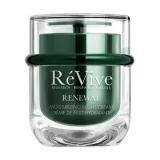
JASONOrganic Tea Tree MoisturiserYOUR PRODUCTSkin Resource.MDTotal Skin Moisturizer - New SizeAlpha-HLiquid Gold 24 Hour Moisture Repair CreamRéViveRenewal Moisturizing Night Cream
Match—43%41%41%
Price——$47.61$49.00
Shared key ingredients—6 of 96 of 96 of 9
Key difference—PanthenolLactic AcidGlycolic Acid
Irritancy High Medium Medium Medium
Drying alcohol Contains drying alcohol Contains drying alcohol ——
View product Shop Shop Shop

More alternatives: Estée Lauder Revitalizing Supreme+ Moisturizer Youth Power CremeMurad Hydro-Dynamicreg; Ultimate Moisture

Cheaper alternatives? See how this stacks up against similar formulas.
We compare ingredient profiles across our catalog — pick the closest match for your budget.
Open dupe finder
JASON Organic Tea Tree Moisturiser
JASONOrganic Tea Tree Moisturiser

Affiliate links · As an Amazon Associate, WIMJ earns from qualifying purchases.

As an Amazon Associate, WIMJ earns from qualifying purchases.