Works for:
based on ingredients and %- Moisturizing
Can it cause trouble?
- Irritation risk: high
- Comedogenic risk ingredients: 2
Key actives


Product Summary
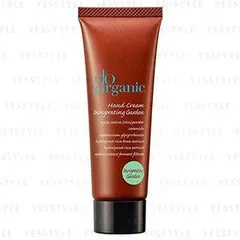
Based on the ingredients included, "JAPANORGANIC - Do Organic Hand Cream Invigar Rating Garden" works well for moisturizing the skin. As we expect from a proper moisturizer, the formula includes a combo of effective humectants and emollients. These are the two different types of ingredients that are essential for improving the skin hydration and supporting a healthy skin barrier. Humectants in this product (diglycerin, glycerin, sodium hyaluronate and rosa damascena flower water) help to increase the water content in the upper layer of the skin. (These ingredients do so by "capturing" water molecules from the outside air or from within the deeper layers of the skin). Ceramide np, jojoba esters, persea gratissima oil, caprylic/capric triglyceride and cetearyl alcohol in this product help decrease the water evoporation from the skin, so that it stays hydrated for longer. These ingredients also soften the skin and take away the feeling of tightness and dryness.
Ingredient callouts
- As a plus, this moisturizer also contains Ceramides (ceramide ap 0.35% - 0.75% and ceramide np 0.40% - 0.90%). Ceramides are a type of lipids that our skin produces itself. They are a building block of the skin's barrier. Ceramides used in skincare are synthetic or extracted from plants. They work well for softening the skin surface and "patch holes" in the skin's barrier.
Irritation risk
There are quite a few common irritants in this product, including ingredients without particular skin benefits. We would not recommend it for sensitive skin. We assess the overall irritancy of this moisturizer to be high. For a detailed overview of all potential irritants: click here
You can see the detailed formula review with the breakdown of all actives in the product and the full ingredient list with estimated concentrations in the tables below.
Price
The product retails for 29.57$ in the United States.
For a detailed price comparison: click here.
Works for
Moisturizing
What does the product description say?
Do Organic Hand Cream Invigar Rating Garden
Source: From product name
This product can help improve hydration of the skin with the two types of ingredients.
The first type is called “humectants”:
these ingredients help attract water.
When humectants are on the surface of the skin, they “pull in” the moisture from the outside environment, or from
within deeper layers of the skin. The following ingredients in this product do the job:
diglycerin, glycerin.
This product also contains ingredients called “occlusives”. They help reduce the speed with which our skin loses moisture to the outside environment. These ingredients also help soften the upper layer of the skin, so it feels less tight and nicer to the touch. The following ingredients in this product do the job: caprylic/capric triglyceride, jojoba esters.
The following ingredients in this product are especially good for supporting the skin barrier and helping with the hydration level: ceramide ap, ceramide np
An emollient made of jojoba oil. Helps soften the skin and support its barrier function
A good mix of fatty acids that forms a protective layer on the skin. Improves the shelf life of products. Derived from coconut and glycerin
A type of lipid similar to ceramides naturally present in skin. Helps to soften the upper layer of the skin and supports the skin barrier function to keep it hydrated. Can help to prevent inflammation in skin
One of the best moisturizing ingredients. Attracts water into the upper layer of the skin
An emollient that helps soften the skin and could be helpful in repairing its barrier function
A type of lipid similar to ceramides naturally present in skin. Helps to soften the upper layer of the skin and supports the skin barrier function to keep it hydrated. Can help to prevent inflammation in skin
Helps attract water to the upper layer of the skin
One of the best moisturizing ingredients. Naturally present in skin. It attracts water to the upper layer of the skin working as a humectant
A non-drying alcohol. Works as an emollient. Helps water and oil mix together and creates a nice product texture
An emollient that helps soften the skin but is not effective for restoring its barrier function. Might be helpful to calm down inflammation
An emollient that can also help water and oil mix together, as well as prevent bacteria growth in products
Used to add a nice rose smell to the product. Might help attract water to the upper layer of the skin and have some anti-oxidant effect. Can be irritating
Non-drying alcohol that helps water and oil mix together. Also serves as an emollient
Helps oil and water mix together and helps preserve the product formulation
A plant extract that is claimed to be helpful in moisturizing and lightening the skin, but evidence is missing
Pure form of vitamin E. Can help moisturise and protect the skin from free radicals. Often used to help stabilise other ingredients or the formula itself
How honest is this product?
| Promise | Can it deliver? |
|---|---|
| Moisturizing |
Total Promises Fulfilled score: 100/100.
We receive a small commission for purchases made through these links at no cost for you. Thank you for your support! Learn more
Potential irritants
Comedogenic ingredients
User reviews (0)
Averages from community submissions.
No reviews yet for this product.
Be the first to share your experience!
Tried this product?
Help capture what the ingredient list can't—texture, finish, pilling, scent, and more. Answer what you can, skip the rest.
Takes ~30 seconds.
Reviews are shown in aggregate. No personal details.
| Product | Similarity | Price | Irritancy |
|---|---|---|---|
 JAPANORGANIC Do Organic Hand Cream Invigar Rating Garden | Current | $29.57 | |
 Skintegra Cica-Cera | 60% | - | |
ROUND LAB Birch Juice Hand Cream 30ml | 60% | ≈ $5.58 | |
CeraVe Repairing Hand Cream | 60% | ≈ $8.01 | |
 EltaMD So Silky Hand Crème | 59% | $32.00 | |
![Arctic Hydra Care [Arktis] Moisture & Relief Rich Hand Cream](/_ipx/q_80&f_webp&fit_inside&s_160x160/https://image-delivery.nyc3.cdn.digitaloceanspaces.com/thumbs/big/0d122e293557a8730df3b91ac8b3f8769d00f20a.jpg) Lumene Arctic Hydra Care [Arktis] Moisture & Relief Rich Hand Cream | 59% | ≈ $10.08 |
Key Actives
Pure form of vitamin E. Can help moisturise and protect the skin from free radicals. Often used to help stabilise other ingredients or the formula itself
A type of lipid similar to ceramides naturally present in skin. Helps to soften the upper layer of the skin and supports the skin barrier function to keep it hydrated. Can help to prevent inflammation in skin
A type of lipid similar to ceramides naturally present in skin. Helps to soften the upper layer of the skin and supports the skin barrier function to keep it hydrated. Can help to prevent inflammation in skin
A good mix of fatty acids that forms a protective layer on the skin. Improves the shelf life of products. Derived from coconut and glycerin
One of the best moisturizing ingredients. Naturally present in skin. It attracts water to the upper layer of the skin working as a humectant
Helps attract water to the upper layer of the skin
An emollient made of jojoba oil. Helps soften the skin and support its barrier function
An emollient that helps soften the skin and could be helpful in repairing its barrier function
One of the best moisturizing ingredients. Attracts water into the upper layer of the skin
Potential irritants
Used to add a nice rose smell to the product. Might help attract water to the upper layer of the skin and have some anti-oxidant effect. Can be irritating
A drying alcohol. Can increase skin's sensitivity and cause dryness and irritation
Can be drying and contribute to skin irritation. Used in formulars to dissolve other ingredients, create a thinner product consistency or for its antibacterial properties
An essential oil that is used as a fragrance and can be irritating. It might have some anti-oxidant effect in skin
A good mix of fatty acids that forms a protective layer on the skin. Improves the shelf life of products. Derived from coconut and glycerin
Helps soften the upper layer of the skin and improve the product texture. It can be comedogenic
An emollient made of jojoba oil. Helps soften the skin and support its barrier function
Helps water and oil in the product mix well together and improves product texture
An emollient that helps soften the skin but is not effective for restoring its barrier function. Might be helpful to calm down inflammation
An emollient that helps soften the skin and could be helpful in repairing its barrier function
A plant extract that might contain salicylic acid
Helps oil and water mix together and helps preserve the product formulation
Can work as an exfoliant but is typically used to adjust the product pH
Helps to control the skin's pH level. Maintains the skin's natural film of amino-lactic acids and oils. Helps to preserve products
Comedogenic ingredients
A non-drying alcohol. Works as an emollient. Helps water and oil mix together and creates a nice product texture
Helps soften the upper layer of the skin and improve the product texture. It can be comedogenic
All ingredients
Used to add a nice rose smell to the product. Might help attract water to the upper layer of the skin and have some anti-oxidant effect. Can be irritating
A good mix of fatty acids that forms a protective layer on the skin. Improves the shelf life of products. Derived from coconut and glycerin
Acts as a solvent for other ingredients. Speeds up the absorption of other ingredients into the skin
One of the best moisturizing ingredients. Naturally present in skin. It attracts water to the upper layer of the skin working as a humectant
A non-drying alcohol. Works as an emollient. Helps water and oil mix together and creates a nice product texture
Helps soften the upper layer of the skin and improve the product texture. It can be comedogenic
An emollient made of jojoba oil. Helps soften the skin and support its barrier function
Helps water and oil in the product mix well together and improves product texture
An emollient that helps soften the skin but is not effective for restoring its barrier function. Might be helpful to calm down inflammation
An emollient that helps soften the skin and could be helpful in repairing its barrier function
Non-drying alcohol that helps water and oil mix together. Also serves as an emollient
A plant extract that might contain an active compound orthosilicic acid that could be helpful to regulate the level of pigment in skin, but solid research is lacking
A plant extract that is claimed to be helpful in moisturizing and lightening the skin, but evidence is missing
A plant extract that might contain salicylic acid
One of the best moisturizing ingredients. Attracts water into the upper layer of the skin
A type of lipid similar to ceramides naturally present in skin. Helps to soften the upper layer of the skin and supports the skin barrier function to keep it hydrated. Can help to prevent inflammation in skin
A type of lipid similar to ceramides naturally present in skin. Helps to soften the upper layer of the skin and supports the skin barrier function to keep it hydrated. Can help to prevent inflammation in skin
Pure form of vitamin E. Can help moisturise and protect the skin from free radicals. Often used to help stabilise other ingredients or the formula itself
A drying alcohol. Can increase skin's sensitivity and cause dryness and irritation
Can be drying and contribute to skin irritation. Used in formulars to dissolve other ingredients, create a thinner product consistency or for its antibacterial properties
An emollient that can also help water and oil mix together, as well as prevent bacteria growth in products
Helps oil and water mix together and helps preserve the product formulation
Can work as an exfoliant but is typically used to adjust the product pH
Helps to control the skin's pH level. Maintains the skin's natural film of amino-lactic acids and oils. Helps to preserve products
Can work as an exfoliant but is typically used to adjust the product pH
An essential oil that is used as a fragrance and can be irritating. It might have some anti-oxidant effect in skin
Ingredient list view
Citrus aurantium dulcis fruit water, Rosa damascena flower water, Water, Caprylic/capric triglyceride, Propanediol, Glycerin, Cetearyl alcohol, Dodecane, Diglycerin, Isostearyl isostearate, Jojoba esters, Oryza sativa, Unknown, Cetearyl glucoside, Olea europaea fruit oil, Persea gratissima oil, Behenyl alcohol, Hydrolyzed rice bran extract, Hydrolyzed rice extract, Vaccinium myrtillus leaf extract, Salix nigra bark extract, Unknown, Soymilk, Glycyrrhizic acid, Sodium hyaluronate, Ceramide np, Ceramide ap, Oryza sativa germ oil, Macadamia seed oil polyglyceryl-6 esters behenate, Tocopherol, Isopropyl alcohol, Alcohol, Xanthan gum, Glyceryl caprylate, Glyceryl undecylenate, Sodium stearoyl glutamate, Citric acid, Sodium citrate, Sodium gluconate, Benzoic acid, Unknown, Citric acid, Anthemis nobilis flower oil
- Annex I: Clinical evidence regarding sensitisation to individual fragrance chemicals and to natural extracts
- Glycerol and the skin: holistic approach to its origin and functions
- Use of “natural” oils for moisturization: Review of olive, coconut, and sunflower seed oil
- Pigmentation Effect of Rice Bran Extracted Minerals Comprising Soluble Silicic Acids
- Transdermal Absorption Enhancement of Rice Bran Bioactive Compounds Entrapped in Niosomes
- Hyaluronic acid: A key molecule in skin aging
- Hyaluronan (Hyaluronic Acid): a natural moisturizer for skin care
- Skin hydration is significantly increased by a cream formulated to mimic the skin’s own natural moisturizing systems
- Topically Applied Ceramides Interact with the Stratum Corneum Lipid Matrix in Compromised Ex Vivo Skin
- Vitamin E in dermatology
- Vitamin E and Skin Health
- Safety Assessment of Anthemis nobilis– Derived Ingredients as Used in Cosmetics