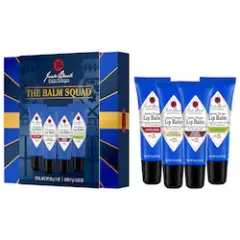
Works for:
based on ingredients and %- Moisturizing
Can it cause trouble?
- Irritation risk: medium
- Comedogenic risk ingredients: 4
Key actives

Works for
Moisturizing
What does the product description say?
- Shea Butter and Avocado Oil: Natural emollients which provide superior moisturization and conditioning.
Source: Sephora
This product can help soften the skin and reduce its moisture loss with emollients and occlusives: beeswax, butyrospermum parkii butter.
Keep in mind that this product does not contain effective ingredients to attract water to the upper layer of the skin. This is why an additional product with humectants like glycerin or hyaluronic acid can be helpful (apply it before this product for the best results).
The following ingredients in this product are especially good for supporting the skin barrier and helping with the hydration level: petrolatum
Forms a protective barrier that holds water and keeps dry skin hydrated. Keeps an emulsion from separating into its oil and liquid components, and increases the thickness of a product. Can be an allergen
A great moisturising ingredient that softens the skin and reduces water loss from its upper layer. It also can be helpful in protecting skin from free radicals
One of the most effective and the most studied occlusive ingredients that creates a protective layer on top of the skin preventing moisture loss
Helps soften the upper layer of the skin
Helps soften the upper layer of the skin and can be helpful in restoring the skin barrier function. Might have some anti-oxidant effect
A great emollient due to its high linoleic acid content. One of the most effective plant oils in helping skin hydration and repairing skin barrier function
An emollient that helps soften the skin and could be helpful in repairing its barrier function
A non-drying alcohol that works to soften the skin and stabilize product formulations helping oil and water mix together
Used mostly for creating emulsions - helping oil and water mix together. Helps soften the upper layer of the skin
Can contain potent anti-oxidant compounds (abbreviated ECG, GCG, EGC, and EGCG) that might help protect the skin from free radicals. Can help calm down inflammation and has some anti-bacterial properties. Unfortunately, these antioxidants are unstable and lose their effectiveness very quickly in products. The concentration of the antioxidant compounds in the extract also tends to be low to be effective in topical formulation
How honest is this product?
| Promise | Can it deliver? |
|---|---|
| Moisturizing |
Total Promises Fulfilled score: 100/100.
We receive a small commission for purchases made through these links at no cost for you. Thank you for your support! Learn more
Potential irritants
Comedogenic ingredients
User reviews (0)
Averages from community submissions.
No reviews yet for this product.
Be the first to share your experience!
Tried this product?
Help capture what the ingredient list can't—texture, finish, pilling, scent, and more. Answer what you can, skip the rest.
Takes ~30 seconds.
Reviews are shown in aggregate. No personal details.
| Product | Similarity | Price | Irritancy |
|---|---|---|---|
 Jack Black The Balm Squad - Lip Balm Gift Set - Limited Edition Holiday Flavors | Current | $28.00 | |
 Cetaphil Multi-Purpose Ointment | 56% | - | |
 evolutionofsmooth The Hero | 54% | $4.99 | |
 Skinfix Remedy+ 911 Ointment | 53% | ≈ $27.19 | |
 Tom Ford Hydrating Lip Balm | 53% | ≈ $26.48 | |
 Blistex Simple and Sensitive Lip balm | 53% | $6.47 |
Key Actives
Helps soften the upper layer of the skin and can be helpful in restoring the skin barrier function. Might have some anti-oxidant effect
A great moisturising ingredient that softens the skin and reduces water loss from its upper layer. It also can be helpful in protecting skin from free radicals
Avobenzone. An organic, or so-called "chemical" UV filter. Protects against both UVA and UVB rays. Needs to be combined with other filters in a formulation to be stable.
A weak sunscreen that offers some protection against the sun rays that cause sunburn (UVB), but does not offer meaningful protection against protect against the most aging sun rays (UVA). It loses its effectiveness quickly when exposed to sunlight. It is an organic, or so called "chemical" sunscreen. When used in low concentrations, helps to stabilize the product formulation
One of the most effective and the most studied occlusive ingredients that creates a protective layer on top of the skin preventing moisture loss
Forms a protective barrier that holds water and keeps dry skin hydrated. Keeps an emulsion from separating into its oil and liquid components, and increases the thickness of a product. Can be an allergen
A synthetic ester of salicylic acid that is used to help disperse pigments and boost effectiveness of sunscreen ingredients. It is able to absorb UV light (working as an organic, or chemical filter), but is not approved as a sunscreen ingredient on its own
Helps soften the upper layer of the skin
An emollient that helps soften the skin and could be helpful in repairing its barrier function
A great emollient due to its high linoleic acid content. One of the most effective plant oils in helping skin hydration and repairing skin barrier function
Potential irritants
An aromatic blend of unspecified and possibly irritating ingredients
Avobenzone. An organic, or so-called "chemical" UV filter. Protects against both UVA and UVB rays. Needs to be combined with other filters in a formulation to be stable.
A weak sunscreen that offers some protection against the sun rays that cause sunburn (UVB), but does not offer meaningful protection against protect against the most aging sun rays (UVA). It loses its effectiveness quickly when exposed to sunlight. It is an organic, or so called "chemical" sunscreen. When used in low concentrations, helps to stabilize the product formulation
Helps water and oil mix together. Could be an allergen (beeswax)
A synthetic ester of salicylic acid that is used to help disperse pigments and boost effectiveness of sunscreen ingredients. It is able to absorb UV light (working as an organic, or chemical filter), but is not approved as a sunscreen ingredient on its own
Helps improve stability of sunscreen filters and boost their effectiveness
An emollient that helps soften the skin and could be helpful in repairing its barrier function
A more stable but less bio-available form of vitamin E compared to Tocopherol. Might help moisturize and protect the skin from free radicals, but mostly used in low concentrations to stabilize other ingredients.
Comedogenic ingredients
Helps soften the upper layer of the skin and can be helpful in restoring the skin barrier function. Might have some anti-oxidant effect
A great moisturising ingredient that softens the skin and reduces water loss from its upper layer. It also can be helpful in protecting skin from free radicals
All ingredients
Avobenzone. An organic, or so-called "chemical" UV filter. Protects against both UVA and UVB rays. Needs to be combined with other filters in a formulation to be stable.
A weak sunscreen that offers some protection against the sun rays that cause sunburn (UVB), but does not offer meaningful protection against protect against the most aging sun rays (UVA). It loses its effectiveness quickly when exposed to sunlight. It is an organic, or so called "chemical" sunscreen. When used in low concentrations, helps to stabilize the product formulation
Octisalate. A UV filter. It offers some protection against the sun rays that cause sunburn (UVB), but does not protect against the most aging sun rays (UVA). It loses its effectiveness quickly when exposed to sunlight. It is an organic, or so called "chemical" sunscreen
One of the most effective and the most studied occlusive ingredients that creates a protective layer on top of the skin preventing moisture loss
Forms a protective barrier that holds water and keeps dry skin hydrated. Keeps an emulsion from separating into its oil and liquid components, and increases the thickness of a product. Can be an allergen
Helps water and oil mix together. Could be an allergen (beeswax)
A synthetic ester of salicylic acid that is used to help disperse pigments and boost effectiveness of sunscreen ingredients. It is able to absorb UV light (working as an organic, or chemical filter), but is not approved as a sunscreen ingredient on its own
Helps improve stability of sunscreen filters and boost their effectiveness
An aromatic blend of unspecified and possibly irritating ingredients
Helps soften the upper layer of the skin and can be helpful in restoring the skin barrier function. Might have some anti-oxidant effect
A non-drying alcohol that works to soften the skin and stabilize product formulations helping oil and water mix together
A great moisturising ingredient that softens the skin and reduces water loss from its upper layer. It also can be helpful in protecting skin from free radicals
An emollient that helps soften the skin and could be helpful in repairing its barrier function
A more stable but less bio-available form of vitamin E compared to Tocopherol. Might help moisturize and protect the skin from free radicals, but mostly used in low concentrations to stabilize other ingredients.
Used mostly for creating emulsions - helping oil and water mix together. Helps soften the upper layer of the skin
A great emollient due to its high linoleic acid content. One of the most effective plant oils in helping skin hydration and repairing skin barrier function
Can contain potent anti-oxidant compounds (abbreviated ECG, GCG, EGC, and EGCG) that might help protect the skin from free radicals. Can help calm down inflammation and has some anti-bacterial properties. Unfortunately, these antioxidants are unstable and lose their effectiveness very quickly in products. The concentration of the antioxidant compounds in the extract also tends to be low to be effective in topical formulation
Ingredient list view
Butyl methoxydibenzoylmethane, Homosalate, Ethylhexyl salicylate, Petrolatum, Beeswax, Ozokerite, Polyglyceryl-3 beeswax, Butyloctyl salicylate, Unknown, Ethylhexyl methoxycrylene, Hydrogenated soybean oil, Hydrogenated coconut oil, Parfum, Theobroma cacao seed butter, Synthetic beeswax, Cetyl alcohol, Euphorbia cerifera wax, Butyrospermum parkii butter, Persea gratissima oil, Tocopheryl acetate, Lecithin, Helianthus annuus seed oil, Microcrystalline wax, Camellia sinensis leaf extract
- Opinion on Homosalate - Scientific Committee on Consumer Products
- Safety Assessment of Polyglyceryl Fatty Acid Esters as Used in Cosmetics
- Safety assessment of Salicylic Acid, Butyloctyl Salicylate, Calcium Salicylate, C12-15 Alkyl Salicylate, Capryloyl Salicylic Acid, Hexyldodecyl Salicylate, Isocetyl Salicylate, Isodecyl Salicylate, Magnesium Salicylate, MEA-Salicylate, Ethylhexyl Salicylate, Potassium Salicylate, Methyl Salicylate, Myristyl Salicylate, Sodium Salicylate, TEA-Salicylate, and Tridecyl Salicylate
- Cocoa polyphenols and their influence on parameters involved in ex vivo skin restructuring
- Effect of Olive and Sunflower Seed Oil on the Adult Skin Barrier: Implications for Neonatal Skin Care
- Topically Applied Sunflower Seed Oil Prevents Invasive Bacterial Infections in Preterm Infants in Egypt
- Effect of topically applied lipids on surfactant-irritated skin
- Impact of topical oils on the skin barrier: possible implications for neonatal health in developing countries