Works for
4 of 4 advertised claims delivered
Evens skin tone2 ingredients credited for this claimStrong support
“Find out why we love it here.Vitamin C – Brightens, tones and tightens the appearance of skin Niacinamide – Works to reduce sensitivity and redness caused by breakouts and blemishes Hyaluronic Acid – Locks in moisture to plump and smooth the appearance of skin Aloe Vera – Soothes and nourishes the skin Read more”
This product can help reduce hypepigmentation and even out the skin tone because it contains the following effective ingredients: niacinamide
Keep in mind that you would need to apply any topical skincare targetted at hypigmentation consistently for a couple of months to get a result. No topical skincare product can help get rid of hyperpigmentation (including post-acne marks and age spots) instantly.
Anti-blemish5 ingredients credited for this claimStrong support
“Find out why we love it here.Vitamin C – Brightens, tones and tightens the appearance of skin Niacinamide – Works to reduce sensitivity and redness caused by breakouts and blemishes Hyaluronic Acid – Locks in moisture to plump and smooth the appearance of skin Aloe Vera – Soothes and nourishes the skin Read more”
This product can help reduce breakouts and clogged pores because it contains the following ingredient: niacinamide. This ingredient is used for treating acne and can have a noticeable effect.
Anti-aging6 ingredients credited for this claimStrong support
“The power of Vitamin C is enhanced with Niacinamide, Hyaluronic Acid and plant extracts to soften the appearance of lines and wrinkles while supporting a radiant and healthy complexion.Reduces and prevents the appearance of lines and wrinkles Energizes and brightens overall skin tone Creates the appearance of firmness and elasticity Provides lightweight moisture to nourish all skin types Defends against environmental aggressors and scavenges free radicals to maintain optimal skin health”
This product can help reduce and prevent fine lines and wrinkles, improve skin elasticity and firmness because it contains niacinamide.
Keep in mind that it typically takes at least 6 weeks to notice any results because the changes that are needed to improve fine lines and elasticity happen in the deeper layers of the skin. No topical anti-aging product can “erase” wrinkles or fully reverse signs of aging.
Moisturizing21 ingredients credited for this claimStrong support
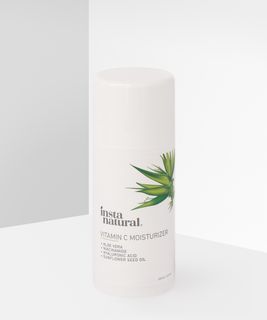
“Vitamin C Moisturizer”
This product can help improve hydration of the skin with the two types of ingredients.
The first type is called “humectants”:
these ingredients help attract water.
When humectants are on the surface of the skin, they “pull in” the moisture from the outside environment, or from
within deeper layers of the skin. The following ingredients in this product do the job:
glycerin, sodium hyaluronate.
This product also contains ingredients called “occlusives”. They help reduce the speed with which our skin loses moisture to the outside environment. These ingredients also help soften the upper layer of the skin, so it feels less tight and nicer to the touch. The following ingredients in this product do the job: caprylic/capric triglyceride, helianthus annuus seed oil.
The following ingredients in this product are especially good for supporting the skin barrier and helping with the hydration level: niacinamide
Can it cause trouble?
Irritancy6 strong irritants: Citrus nobilis peel oil, Rosmarinus officinalis leaf extract + 4 more — patch-test recommendedHigh risk
Comedogenic1 ingredient rated 2 or more on the 0–5 pore-clogging scale1 flagged


User reviews
Be the first — your take helps the next person decide.
Ingredients
Filter by role to see what each ingredient is doing.
Water~45–55%
Shea butter ethyl esters~6–7.3%
- Irritation risk
- Low
Helps soften the upper layer of the skin
More about Shea butter ethyl estersCaprylic/capric triglyceride~4.2–5.1%
- Irritation risk
- Medium
A good mix of fatty acids that forms a protective layer on the skin. Improves the shelf life of products. Derived from coconut and glycerin
More about Caprylic/capric triglycerideCetearyl olivate~2.4–3%
Sodium ascorbyl phosphate~2.1–2.6%
- Irritation risk
- Medium
A stable derivative of vitamin C. It is oil-soluble which means it is more likely to penetrate the skin compared to the pure form of vitamin C (which is water-soluble), but it is less bio-available and is way less effective in stimulating collagen and reducing wrinkles compared to the pure form of vitamin C (L-ascorbic acid) and its other derivatives (for example, magnesium ascorbyl phosphate). At the same time, this vitamin C derivative has been shown in studies to be effective in reducing acne, blemishes and clogged pores. It is less irritating then the pure form of vitamin C
More about Sodium ascorbyl phosphateHelianthus annuus seed oil~1.9–2.3%
- Irritation risk
- Low
A great emollient due to its high linoleic acid content. One of the most effective plant oils in helping skin hydration and repairing skin barrier function
More about Helianthus annuus seed oilGlycerin~1.6–1.9%
- Irritation risk
- Low
One of the best moisturizing ingredients. Naturally present in skin. It attracts water to the upper layer of the skin working as a humectant
More about GlycerinLimnanthes alba seed oil~1.5–1.8%
- Irritation risk
- Low
This oil's cmposition is closest to rapeseed oil. It is a very stable oil and serves as an emoillient
More about Limnanthes alba seed oilNiacinamide~1.2–1.4%
- Irritation risk
- Low
Is proven to be effective in reducing blemishes, evening out skin tone and helping to improve lines and wrinkles. It helps the skin to repair sun damage, calm down inflammation and keep maintain good levels of moisture. The concentration of about 2% is effective for supporting the skin barrier and evening out the skin tone. Concentration of 4-6% is better for helping with acne and balancing the sebum production
More about NiacinamideSorbitan olivate~0.95–1.15%
Cetyl alcohol~0.8–1.2%
- Irritation risk
- Low
A non-drying alcohol that works to soften the skin and stabilize product formulations helping oil and water mix together
More about Cetyl alcoholCitrus nobilis peel oil~0.55–0.8%
- Irritation risk
- High
A plant oil with high content of volatile compounds that, especially when exposed to air, can cause allergic reactions and irritate the skin
More about Citrus nobilis peel oilAloe barbadensis leaf extract~0.6–0.9%
- Irritation risk
- Medium
Traditionally used to treat sunburns, dermatitis and inflammation, but evidence for its effectiveness is lacking. The extract can contain humectants that help attract water into the skin
More about Aloe barbadensis leaf extractSodium hyaluronate~0.5–0.75%
- Irritation risk
- Low
One of the best moisturizing ingredients. Attracts water into the upper layer of the skin
More about Sodium hyaluronateCarthamus tinctorius seed oil~0.5–0.75%
- Irritation risk
- Low
An emollient that helps soften the skin and might help calm down inflammation
More about Carthamus tinctorius seed oilArgania spinosa kernel oil~0.5–0.7%
- Irritation risk
- Medium
An emollient that helps soften the upper layer of the skin. Might have some weak anti-oxidant properties
More about Argania spinosa kernel oilPersea gratissima oil~0.5–0.8%
- Irritation risk
- Medium
An emollient that helps soften the skin and could be helpful in repairing its barrier function
More about Persea gratissima oilSimmondsia chinensis seed oil~0.5–0.75%
- Irritation risk
- Medium
Softens the upper layer of skin and helps restore the healthy skin barrier. Has shown to help calm down inflammation in skin. It is a stable oil, meaning that it retains its properties even when exposed to air.
More about Simmondsia chinensis seed oilRosa canina fruit oil~0.45–0.65%
- Irritation risk
- Medium
A great emollient. Contains vitamin E (tocopherol) which may give it some anti-oxidant properties. Can contain volatile compounds and can be irritating
More about Rosa canina fruit oilSqualane~0.45–0.65%
- Irritation risk
- Low
An oil naturally present in skin. Works as an emollient to soften the skin and form a protective layer on its surface without a greasy feeling.
More about SqualaneHesperidin~0.4–0.6%
- Irritation risk
- Low
Rosmarinus officinalis leaf extract~0.3–0.55%
- Irritation risk
- High
Can be helpful in reducing inflammation in skin, including inflamed acne. It can be irritating
More about Rosmarinus officinalis leaf extractCentella asiatica extract~0.35–0.65%
- Irritation risk
- Medium
A plant extract that has been shown to be able to reduce inflammation in skin, support restoration of skin barrier function, as well as support collagen production. Contains active compounds called centelloids: asiaticoside, madecasosside, asiatic acid and madecassic acid. Might be helpful in preventing stretch marks. It can be itself be irritating though.
More about Centella asiatica extractHibiscus rosa-sinensis flower extract~0.3–0.55%
- Irritation risk
- High
Citrus grandis peel extract~0.25–0.45%
- Irritation risk
- High
An aromatic irritating plant extract that can cause photosensitivity in skin
More about Citrus grandis peel extractCamellia sinensis leaf extract~0.3–0.55%
- Irritation risk
- Low
Can contain potent anti-oxidant compounds (abbreviated ECG, GCG, EGC, and EGCG) that might help protect the skin from free radicals. Can help calm down inflammation and has some anti-bacterial properties. Unfortunately, these antioxidants are unstable and lose their effectiveness very quickly in products. The concentration of the antioxidant compounds in the extract also tends to be low to be effective in topical formulation
More about Camellia sinensis leaf extractChamomilla recutita flower extract~0.25–0.5%
- Irritation risk
- High
Plant extract that can have healing and anti-inflammatory properties. It is a potential allergen and can be irritating
More about Chamomilla recutita flower extractTocopherol~0.25–0.5%
- Irritation risk
- Low
Pure form of vitamin E. Can help moisturise and protect the skin from free radicals. Often used to help stabilise other ingredients or the formula itself
More about TocopherolPanthenol~0.25–0.5%
- Irritation risk
- Low
Helps attract water to the upper layer of the skin and can help improve skin barrier function
More about PanthenolXanthan gum~0.25–0.45%
- Irritation risk
- Low
Used to create a thicker product consistency
More about Xanthan gumCaprylhydroxamic acid~0.2–0.4%
Glyceryl caprylate~0.25–0.45%
- Irritation risk
- Low
An emollient that can also help water and oil mix together, as well as prevent bacteria growth in products
More about Glyceryl caprylatePhenoxyethanol~0.15–0.25%
- Irritation risk
- Low
A preservative. It helps prevent bacterial growth in cosmetic products
More about PhenoxyethanolCitric acid~0.15–0.25%
- Irritation risk
- Medium
Can work as an exfoliant but is typically used to adjust the product pH
More about Citric acidGlycine soja oil~0.15–0.25%
- Irritation risk
- Medium
- Comedogenicity
- 2/5
A good emollient that helps soften the skin and helps repair its barrier function. It can clog pores if used in high concentrations.
More about Glycine soja oilSunflower seed oil glycerides~0.15–0.25%
Limonene~0.05–0.1%
- Irritation risk
- High
A common frangrance that can easily irritate skin, especially if exposed to air, light or heat
More about LimoneneLinalool~0.05–0.1%
Ingredient list view
Water, Shea butter ethyl esters, Caprylic/capric triglyceride, Cetearyl olivate, Sodium ascorbyl phosphate, Helianthus annuus seed oil, Glycerin, Limnanthes alba seed oil, Niacinamide, Sorbitan olivate, Cetyl alcohol, Citrus nobilis peel oil, Aloe barbadensis leaf extract, Sodium hyaluronate, Carthamus tinctorius seed oil, Argania spinosa kernel oil, Persea gratissima oil, Simmondsia chinensis seed oil, Rosa canina fruit oil, Squalane, Hesperidin, Rosmarinus officinalis leaf extract, Centella asiatica extract, Hibiscus rosa-sinensis flower extract, Citrus grandis peel extract, Camellia sinensis leaf extract, Chamomilla recutita flower extract, Tocopherol, Panthenol, Xanthan gum, Caprylhydroxamic acid, Glyceryl caprylate, Phenoxyethanol, Citric acid, Glycine soja oil, Sunflower seed oil glycerides, Limonene, Linalool
Compare prices
Retailers ranked by price — lowest first.
Affiliate links · prices updated regularly · As an Amazon Associate, WIMJ earns from qualifying purchases.
Worth comparing, line by line.
Match % combines shared ingredients, the first five ingredients, shared actives and hero ingredients, irritancy (lower counts in the alternative's favour), texture and body area. Only products in the same routine step are compared.
| InstaNaturalVitamin C MoisturizerYOUR PRODUCT | MelyonDay Cream - Niacinamide, Vitamin E, Vitamin C | OlayAnti-Aging Night Firming Cream, Face Moisturizer | Natura SibericaOblepikha C-Berrica Toning Light Face Cream-Fluid | |
|---|---|---|---|---|
| Match | — | 79% | 78% | 76% |
| Price | $16.95 | $36.00+$19.05 | $16.63 | $13.21−$3.74 |
| Shared key ingredients | — | 6 of 19 | 5 of 19 | 6 of 19 |
| Key difference | — | Salicylic Acid | Polymethylsilsesquioxane | Sambucus Nigra Flower Extract |
| Irritancy | High | Medium | Medium | High |
| Drying alcohol | — | — | — | — |
| View product | Shop | Shop | Shop |

Product summary
Based on the ingredient list, "InstaNatural - Vitamin C Moisturizer" can work well for skin moisturization. This moisturizer uses a good combo of humectants and emollients. These both types of ingredients are essentials for improving the skin hydration and keeping the skin barrier healthy. Glycerin and sodium hyaluronate in this product (humectants) attract water molecules to the upper layer of the skin (the water comes from the outside air or from the deeper layers of the skin if the air is dry). Emollients in this formulation (carthamus tinctorius seed oil, glycine soja oil, limnanthes alba seed oil, persea gratissima oil and caprylic/capric triglyceride) help to reduce the moisture loss from the skin. They also soften the skin surface and relieve the feeling of dryness and tightness.
This product contains ingredients that could be beneficial, but their concentrations are too low in this formulation: vitamin e, sodium ascorbyl phosphate, rosehip oil, jojoba oil and agran oilIrritation risk
There are quite a few common irritants in this product, including ingredients without particular skin benefits. We would not recommend it for sensitive skin. We assess the overall irritancy of this moisturizer to be high. For a detailed overview of all potential irritants: click here
You can see the detailed formula review with the breakdown of all actives in the product and the full ingredient list with estimated concentrations in the tables below.
About the brand
According to Cruelty-Free Kitty "InstaNatural" is cruelty free and so is its parent company.
Price
The product retails for 29.00$ in the United States.
For a detailed price comparison: click here.
Sources cited in this review
Every concentration estimate and effectiveness label is anchored to one of these 36 studies and safety reviews.
- 1
- 2Sodium ascorbyl phosphate in topical microemulsionssciencedirect.com
- 3
- 4
- 5
- 6

Affiliate links · As an Amazon Associate, WIMJ earns from qualifying purchases.