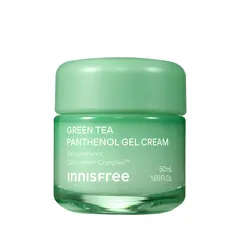
Works for:
based on ingredients and %- Moisturizing
- Exfoliation
- Evens skin tone
Can it cause trouble?
- Irritation risk: medium
- Comedogenic risk ingredients: 0
Key actives

Works for
Exfoliation
This product can help exfoliate the skin. In other words, it helps break down the bonds between dead cells on the surface of the skin and speed up the skin turnover. Skin often appears softer and brighter after exfoliation, but overdoing it can result in disrupted skin barrier. The following ingredient is doing the exfoliating job in this product: capryloyl salicylic acid.
Moisturizing
What does the product description say?
manage moisture levels
Source: Innisfree
This product can help improve hydration of the skin with the two types of ingredients.
The first type is called “humectants”:
these ingredients help attract water.
When humectants are on the surface of the skin, they “pull in” the moisture from the outside environment, or from
within deeper layers of the skin. The following ingredients in this product do the job:
erythritol, glycerin.
This product also contains ingredients called “occlusives”. They help reduce the speed with which our skin loses moisture to the outside environment. These ingredients also help soften the upper layer of the skin, so it feels less tight and nicer to the touch. The following ingredients in this product do the job: caprylic/capric triglyceride, dimethicone.
The following ingredients in this product are especially good for supporting the skin barrier and helping with the hydration level: panthenol
Helps soften the upper layer of the skin and might have some anti-oxidant properties
An oil naturally present in skin. Works as an emollient to soften the skin and form a protective layer on its surface without a greasy feeling.
Lipids that work as an emollient and can be helpful in repairing skin barrier function
Helps attract water to the upper layer of the skin and can help improve skin barrier function
A good mix of fatty acids that forms a protective layer on the skin. Improves the shelf life of products. Derived from coconut and glycerin
A silicone that helps to reduce water loss from the surface of the skin. Can temporarily "fill in" lines and wrinkles, absorb oil, and create a nice product finish
Helps to attract water to the upper layer of the skin
One of the best moisturizing ingredients. Naturally present in skin. It attracts water to the upper layer of the skin working as a humectant
A blue-colored ingredient that is traditionally used as a colorant. It has anti-inflammatory properties. For example, it is successfully used to treat diaper rash for new borns. It can help support the skin barrier by reducing inflammation
A type of silicone that helps soften the upper layer of the skin and reduces the water loss from the skin surface
Helps soften the upper layer of the skin
Used to soften the upper layer of the skin and create a thicker product consistency
Used to create a nice product texture and help delivery of other ingredients. Might be somewhat helpful in attracting water to the upper layer of the skin
Used to preserve products, dissolve other ingredients and create a nice product texture
Helps water and oil mix together and softens the upper layer of the skin
Non-drying alcohol that helps water and oil mix together. Also serves as an emollient
A plant oil that helps to soften the upper layer of the skin and can help restore the skin barrier. Might have some anti-oxidant effect
Pure form of vitamin E. Can help moisturise and protect the skin from free radicals. Often used to help stabilise other ingredients or the formula itself
Can contain potent anti-oxidant compounds (abbreviated ECG, GCG, EGC, and EGCG) that might help protect the skin from free radicals. Can help calm down inflammation and has some anti-bacterial properties. Unfortunately, these antioxidants are unstable and lose their effectiveness very quickly in products. The concentration of the antioxidant compounds in the extract also tends to be low to be effective in topical formulation
Evens skin tone
The following ingredient (ingredients) in this product might be helpful, but there is no evidence to confirm that it actually works: capryloyl salicylic acid.
Can contain potent anti-oxidant compounds (abbreviated ECG, GCG, EGC, and EGCG) that might help protect the skin from free radicals. Can help calm down inflammation and has some anti-bacterial properties. Unfortunately, these antioxidants are unstable and lose their effectiveness very quickly in products. The concentration of the antioxidant compounds in the extract also tends to be low to be effective in topical formulation
How honest is this product?
| Promise | Can it deliver? |
|---|---|
| Moisturizing |
Total Promises Fulfilled score: 100/100.
We receive a small commission for purchases made through these links at no cost for you. Thank you for your support! Learn more
Potential irritants
Comedogenic ingredients
No comedogenic ingredients detected
User reviews (0)
Averages from community submissions.
No reviews yet for this product.
Be the first to share your experience!
Tried this product?
Help capture what the ingredient list can't—texture, finish, pilling, scent, and more. Answer what you can, skip the rest.
Takes ~30 seconds.
Reviews are shown in aggregate. No personal details.
Key Actives
Can contain potent anti-oxidant compounds (abbreviated ECG, GCG, EGC, and EGCG) that might help protect the skin from free radicals. Can help calm down inflammation and has some anti-bacterial properties. Unfortunately, these antioxidants are unstable and lose their effectiveness very quickly in products. The concentration of the antioxidant compounds in the extract also tends to be low to be effective in topical formulation
Pure form of vitamin E. Can help moisturise and protect the skin from free radicals. Often used to help stabilise other ingredients or the formula itself
Helps attract water to the upper layer of the skin and can help improve skin barrier function
A silicone that helps to reduce water loss from the surface of the skin. Can temporarily "fill in" lines and wrinkles, absorb oil, and create a nice product finish
A good mix of fatty acids that forms a protective layer on the skin. Improves the shelf life of products. Derived from coconut and glycerin
One of the best moisturizing ingredients. Naturally present in skin. It attracts water to the upper layer of the skin working as a humectant
An oil naturally present in skin. Works as an emollient to soften the skin and form a protective layer on its surface without a greasy feeling.
Helps to attract water to the upper layer of the skin
Lipids that work as an emollient and can be helpful in repairing skin barrier function
A blue-colored ingredient that is traditionally used as a colorant. It has anti-inflammatory properties. For example, it is successfully used to treat diaper rash for new borns. It can help support the skin barrier by reducing inflammation
A type of silicone that helps soften the upper layer of the skin and reduces the water loss from the skin surface
Helps soften the upper layer of the skin and might have some anti-oxidant properties
Potential irritants
A plant extract that might have some anti-oxidant properties
A good mix of fatty acids that forms a protective layer on the skin. Improves the shelf life of products. Derived from coconut and glycerin
Maintains the texture of skincare products. Allows the product to spread evenly. Helps oil and water mix together
Used to preserve products, dissolve other ingredients and create a nice product texture
Lipids that work as an emollient and can be helpful in repairing skin barrier function
Helps water and oil mix together and softens the upper layer of the skin
Comedogenic ingredients
We couldn't find any comedogenic ingredients in this product
All ingredients
Acts as a solvent for other ingredients. Speeds up the absorption of other ingredients into the skin
Green tea leaf water. Might have some minimal anti-oxidant effect
A good mix of fatty acids that forms a protective layer on the skin. Improves the shelf life of products. Derived from coconut and glycerin
A silicone that helps to reduce water loss from the surface of the skin. Can temporarily "fill in" lines and wrinkles, absorb oil, and create a nice product finish
One of the best moisturizing ingredients. Naturally present in skin. It attracts water to the upper layer of the skin working as a humectant
An oil naturally present in skin. Works as an emollient to soften the skin and form a protective layer on its surface without a greasy feeling.
Helps attract water to the upper layer of the skin and repair the skin barrier function
Helps attract water to the upper layer of the skin and can help improve skin barrier function
Non-drying alcohol that helps water and oil mix together. Also serves as an emollient
Used to create a nice product texture and help delivery of other ingredients. Might be somewhat helpful in attracting water to the upper layer of the skin
Helps create a thicker or gel-like product texture. It is not a surfactant but can be used in gentle cleansing formulations
Maintains the texture of skincare products. Allows the product to spread evenly. Helps oil and water mix together
Used to soften the upper layer of the skin and create a thicker product consistency
Used to preserve products, dissolve other ingredients and create a nice product texture
Lipids that work as an emollient and can be helpful in repairing skin barrier function
Pure form of vitamin E. Can help moisturise and protect the skin from free radicals. Often used to help stabilise other ingredients or the formula itself
A plant extract that might have some anti-oxidant properties
A blue-colored ingredient that is traditionally used as a colorant. It has anti-inflammatory properties. For example, it is successfully used to treat diaper rash for new borns. It can help support the skin barrier by reducing inflammation
Helps to retain moisture by creating a protective barrier on the skin. Rich in fatty acids. Improves product texture and helps with the penetration of other ingredients.
Helps water and oil mix together and softens the upper layer of the skin
Can contain potent anti-oxidant compounds (abbreviated ECG, GCG, EGC, and EGCG) that might help protect the skin from free radicals. Can help calm down inflammation and has some anti-bacterial properties. Unfortunately, these antioxidants are unstable and lose their effectiveness very quickly in products. The concentration of the antioxidant compounds in the extract also tends to be low to be effective in topical formulation
A type of silicone that helps soften the upper layer of the skin and reduces the water loss from the skin surface
A plant oil that helps to soften the upper layer of the skin and can help restore the skin barrier. Might have some anti-oxidant effect
Helps soften the upper layer of the skin and might have some anti-oxidant properties
Ingredient list view
Water, Propanediol, Camellia sinensis leaf water, Caprylic/capric triglyceride, Dimethicone, Glycerin, 1,2-hexanediol, Squalane, Xylitol, Erythritol, Panthenol, Behenyl alcohol, Tromethamine, Butylene glycol, Carbomer, Acrylates/c10-30 alkyl acrylate crosspolymer, Arachidyl alcohol, Ethylhexylglycerin, Pentylene glycol, Arachidyl glucoside, Sodium gluconate, Phytosterols, Tocopherol, Coptis japonica root extract, Sodium metaphosphate, Polyglyceryl-10 oleate, Guaiazulene, Inositol, Hydrogenated lecithin, Silica, Capryloyl salicylic acid, Polyglyceryl-10 stearate, Camellia sinensis leaf extract, Methicone, Sodium stearoyl glutamate, Camellia sinensis seed oil, Oryza sativa bran oil
- Dimethicone as a protective ingredient in topical medications
- Final Report on the Safety Assessment of Dimethicone Copolyol
- Glycerol and the skin: holistic approach to its origin and functions
- The influence of alkane chain length on the skin irritation potential of 1,2-alkanediols
- Skin moisturizing effects of panthenol-based formulations
- Safety Assessment of Panthenol, Pantothenic Acid, and Derivatives as Used in Cosmetics
- Safety Assessment of Tromethamine as Used in Cosmetics
- Vitamin E in dermatology
- Vitamin E and Skin Health
- Final report on the safety assessment of Sodium Metaphosphate, Sodium Trimetaphosphate, and Sodium Hexametaphosphate
- Effect of a Guaiazulene-Containing Ointment on Nipple and Areola Area Health of Women
- Guaiazulene: a new treatment option for recalcitrant diaper dermatitis in NICU patients
- Safety Assessment of Polyglyceryl Fatty Acid Esters as Used in Cosmetics
- Characteristics of Tea Seed Oil in Comparison with Sunflower and Olive Oils and Its Effect as a Natural Antioxidant
- Study on the Composition of Rice Bran Oil and Its Higher Free Fatty Acids Value