Works for:
based on ingredients and %- Moisturizing
Can it cause trouble?
- Irritation risk: high
- Comedogenic risk ingredients: 5
Key actives


Product Summary
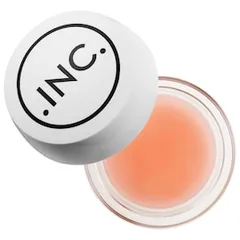
"INC. Redible - Salve The Day Multi Balm" has a good moisturizing formula. The formulation is based on a combination of good humectants and emollients. Both are needed to increase the skin hydration level. Caprylyl glycol in this product (humectants) attract water molecules to the upper layer of the skin (the water comes from the outside air or from the deeper layers of the skin if the air is dry). Petrolatum, glycine soja oil, isopropyl myristate, triticum vulgare germ oil and beeswax in this product help decrease the water evoporation from the skin, so that it stays hydrated for longer. These ingredients also soften the skin and take away the feeling of tightness and dryness.
This product contains ingredients that could be beneficial, but their concentrations are too low in this formulation: vitamin e and lactic acidIrritation risk
This moisturizer contains a bunch of common irritants, including ingredients that do not provide any known benefit for the skin. It might not be the best choice if your skin is sensitive. We assess the overall irritancy of this moisturizer to be high. For a detailed overview of all potential irritants: click here
You can see the detailed formula review with the breakdown of all actives in the product and the full ingredient list with estimated concentrations in the tables below.
Price
The product retails for 12.00£ in the United Kingdom and for 8.50$ in the United States.
For a detailed price comparison: click here.
Works for
Moisturizing
What does the product description say?
This versatile pot of antioxidant-rich skin goodness will intensely rehydrate, nourish, and repair your skin.
Source: Sephora
This product can help soften the skin and reduce its moisture loss with emollients and occlusives: beeswax, butyrospermum parkii butter.
Keep in mind that this product does not contain effective ingredients to attract water to the upper layer of the skin. This is why an additional product with humectants like glycerin or hyaluronic acid can be helpful (apply it before this product for the best results).
The following ingredients in this product are especially good for supporting the skin barrier and helping with the hydration level: petrolatum
A good emoillient. Contains vitamin E which can help neutralise free radicals, however the oil is unstable. Avoid if you have gluten or wheat sensitivity (including food allergies).
Forms a protective barrier that holds water and keeps dry skin hydrated. Keeps an emulsion from separating into its oil and liquid components, and increases the thickness of a product. Can be an allergen
A great moisturising ingredient that softens the skin and reduces water loss from its upper layer. It also can be helpful in protecting skin from free radicals
Forms a protective barrier that holds water and keeps dry skin hydrated. Keeps an emulsion from separating into its oil and liquid components, and increases the thickness of a product. Can be an allergen
A good emollient that helps soften the skin and helps repair its barrier function. It can clog pores if used in high concentrations.
An emollient that helps soften the skin. Could be comedogenic
One of the most effective and the most studied occlusive ingredients that creates a protective layer on top of the skin preventing moisture loss
A plant oil that can help soften the skin. It might be helpful in calming down inflammation, but solid research is lacking. Is often used in lip products to create the needed product consistency
A "broth" with parts of dead cells of lactobacteria. Might be helpful supporting diverse microbiome in skin, but evidence is lacking
Helps preserve products and creates a nice product texture
An exfoliating and moisturizing alpha-hydroxy acid (AHA). Typically causes less irritation than other AHAs, for example, glycolic acid. At high concentrations (about 15%), lactic acid can help reduce lines and wrinkles. Recent studies show that lactic acid can support the "good" bacteria living on skin's surface (healthy skin microbiome)
Pure form of vitamin E. Can help moisturise and protect the skin from free radicals. Often used to help stabilise other ingredients or the formula itself
Traditionally used to treat sunburns, dermatitis and inflammation, but evidence for its effectiveness is lacking. The extract can contain humectants that help attract water into the skin
How honest is this product?
| Promise | Can it deliver? |
|---|---|
| Moisturizing |
Total Promises Fulfilled score: 100/100.
We receive a small commission for purchases made through these links at no cost for you. Thank you for your support! Learn more
Potential irritants
Comedogenic ingredients
User reviews (0)
Averages from community submissions.
No reviews yet for this product.
Be the first to share your experience!
Tried this product?
Help capture what the ingredient list can't—texture, finish, pilling, scent, and more. Answer what you can, skip the rest.
Takes ~30 seconds.
Reviews are shown in aggregate. No personal details.
| Product | Similarity | Price | Irritancy |
|---|---|---|---|
 INC.redible Salve The Day Multi Balm | Current | $8.50 | |
 JOANNA CZECH The Balm | 55% | $230.00 | |
 Eco Your Skin Botanical Vital Balm Plus | 55% | - | |
 Skinfix Remedy+ 911 Ointment | 53% | ≈ $27.09 | |
evolutionofsmooth The Hero | 52% | $4.99 | |
 Mario Badescu Caviar Night Cream | 51% | $22.00 |
Key Actives
A great moisturising ingredient that softens the skin and reduces water loss from its upper layer. It also can be helpful in protecting skin from free radicals
Forms a protective barrier that holds water and keeps dry skin hydrated. Keeps an emulsion from separating into its oil and liquid components, and increases the thickness of a product. Can be an allergen
A good emoillient. Contains vitamin E which can help neutralise free radicals, however the oil is unstable. Avoid if you have gluten or wheat sensitivity (including food allergies).
A plant oil that can help soften the skin. It might be helpful in calming down inflammation, but solid research is lacking. Is often used in lip products to create the needed product consistency
One of the most effective and the most studied occlusive ingredients that creates a protective layer on top of the skin preventing moisture loss
Forms a protective barrier that holds water and keeps dry skin hydrated. Keeps an emulsion from separating into its oil and liquid components, and increases the thickness of a product. Can be an allergen
An emollient that helps soften the skin. Could be comedogenic
Avobenzone. An organic, or so-called "chemical" UV filter. Protects against both UVA and UVB rays. Needs to be combined with other filters in a formulation to be stable.
A good emollient that helps soften the skin and helps repair its barrier function. It can clog pores if used in high concentrations.
An emollient that helps soften the skin. Could be comedogenic
Potential irritants
An aromatic blend of unspecified and possibly irritating ingredients
A preservative. Can be used to mask unpleasant smell. Can be irritating
Forms a protective barrier that holds water and keeps dry skin hydrated. Keeps an emulsion from separating into its oil and liquid components, and increases the thickness of a product. Can be an allergen
A more stable but less bio-available form of vitamin E compared to Tocopherol. Might help moisturize and protect the skin from free radicals, but mostly used in low concentrations to stabilize other ingredients.
Avobenzone. An organic, or so-called "chemical" UV filter. Protects against both UVA and UVB rays. Needs to be combined with other filters in a formulation to be stable.
A good emollient that helps soften the skin and helps repair its barrier function. It can clog pores if used in high concentrations.
Traditionally used to treat sunburns, dermatitis and inflammation, but evidence for its effectiveness is lacking. The extract can contain humectants that help attract water into the skin
An exfoliating and moisturizing alpha-hydroxy acid (AHA). Typically causes less irritation than other AHAs, for example, glycolic acid. At high concentrations (about 15%), lactic acid can help reduce lines and wrinkles. Recent studies show that lactic acid can support the "good" bacteria living on skin's surface (healthy skin microbiome)
A plant oil that can help soften the skin. It might be helpful in calming down inflammation, but solid research is lacking. Is often used in lip products to create the needed product consistency
Can work as an exfoliant but is typically used to adjust the product pH
Comedogenic ingredients
A great moisturising ingredient that softens the skin and reduces water loss from its upper layer. It also can be helpful in protecting skin from free radicals
An emollient that helps soften the skin. Could be comedogenic
A good emoillient. Contains vitamin E which can help neutralise free radicals, however the oil is unstable. Avoid if you have gluten or wheat sensitivity (including food allergies).
A good emollient that helps soften the skin and helps repair its barrier function. It can clog pores if used in high concentrations.
An emollient that helps soften the skin. Could be comedogenic
All ingredients
One of the most effective and the most studied occlusive ingredients that creates a protective layer on top of the skin preventing moisture loss
Forms a protective barrier that holds water and keeps dry skin hydrated. Keeps an emulsion from separating into its oil and liquid components, and increases the thickness of a product. Can be an allergen
Forms a protective barrier that holds water and keeps dry skin hydrated. Keeps an emulsion from separating into its oil and liquid components, and increases the thickness of a product. Can be an allergen
A great moisturising ingredient that softens the skin and reduces water loss from its upper layer. It also can be helpful in protecting skin from free radicals
An emollient that helps soften the skin. Could be comedogenic
A more stable but less bio-available form of vitamin E compared to Tocopherol. Might help moisturize and protect the skin from free radicals, but mostly used in low concentrations to stabilize other ingredients.
A good emoillient. Contains vitamin E which can help neutralise free radicals, however the oil is unstable. Avoid if you have gluten or wheat sensitivity (including food allergies).
Avobenzone. An organic, or so-called "chemical" UV filter. Protects against both UVA and UVB rays. Needs to be combined with other filters in a formulation to be stable.
A good emollient that helps soften the skin and helps repair its barrier function. It can clog pores if used in high concentrations.
An aromatic blend of unspecified and possibly irritating ingredients
An emollient that helps soften the skin. Could be comedogenic
Traditionally used to treat sunburns, dermatitis and inflammation, but evidence for its effectiveness is lacking. The extract can contain humectants that help attract water into the skin
An exfoliating and moisturizing alpha-hydroxy acid (AHA). Typically causes less irritation than other AHAs, for example, glycolic acid. At high concentrations (about 15%), lactic acid can help reduce lines and wrinkles. Recent studies show that lactic acid can support the "good" bacteria living on skin's surface (healthy skin microbiome)
A preservative. Can be used to mask unpleasant smell. Can be irritating
A plant oil that can help soften the skin. It might be helpful in calming down inflammation, but solid research is lacking. Is often used in lip products to create the needed product consistency
Pure form of vitamin E. Can help moisturise and protect the skin from free radicals. Often used to help stabilise other ingredients or the formula itself
A "broth" with parts of dead cells of lactobacteria. Might be helpful supporting diverse microbiome in skin, but evidence is lacking
Can work as an exfoliant but is typically used to adjust the product pH
Ingredient list view
Petrolatum, Cera alba, Beeswax, Butyrospermum parkii butter, Isopropyl myristate, Tocopheryl acetate, Polysorbate 60, Triticum vulgare germ oil, Butyl methoxydibenzoylmethane, Caprylyl glycol, Glycine soja oil, Bht, Silica, Parfum, Hexyl cinnamal, Isopropyl myristate, Aloe barbadensis leaf extract, Water, Linalool, Lactic acid, Benzyl alcohol, Ricinus communis seed oil, Benzyl salicylate, Amyl cinnamal, Ci 19140, Tocopherol, Lactobacillus ferment lysate, Ci 15850, Citric acid, Sodium benzoate, Potassium sorbate
- Efficacy of barrier creams in comparison to skin care products in dental laboratory technicians--a controlled trial
- Epidermal and dermal effects of topical lactic acid
- Dual Effects of Alpha-Hydroxy Acids on the Skin
- Final report on the safety assessment of Ricinus Communis (Castor) Seed Oil, Hydrogenated Castor Oil, Glyceryl Ricinoleate, Glyceryl Ricinoleate SE, Ricinoleic Acid, Potassium Ricinoleate, Sodium Ricinoleate, Zinc Ricinoleate, Cetyl Ricinoleate, Ethyl Ricinoleate, Glycol Ricinoleate, Isopropyl Ricinoleate, Methyl Ricinoleate, and Octyldodecyl Ricinoleate
- Castor Oil: Properties, Uses, and Optimization of Processing Parameters in Commercial Production