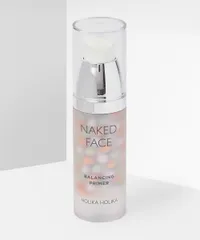
Works for:
based on ingredients and %- Evens skin tone
- Moisturizing
- Anti-blemish
- Anti-aging
Can it cause trouble?
- Irritation risk: high
- Comedogenic risk ingredients: 6
Key actives
Product Summary
"Holika Holika - Naked Face Balancing Primer" is effective for: Anti-blemish, Anti-inflammatory, Evens skin tone, Anti-aging and Moisturizing
Ingredient callouts
- A good concentration of Niacinamide (1.50% - 2.20%). Niacinamide is a well-studied multi-tasking active. It is stable, and can work well in almost any hydrating formulation. There is solid evidence that Niacinamide can help support skin barrier, regulate oil production and reduce acne and clogged pores. It also helps to fight photodamage and improve the skin tone, reducing pigmentation marks.
- Adenosine 0.10% - 0.35%. It is a chemical present inside our skin cells. A clinical trial confirmed that topical application of Adenosine in a low concentration can reduce dynamic wrinkles (these are the wrinkles that appear with age in a places where our mimic is the most active, for example, in the corners of the eyes or on the forehead).
- Humectants (imperata cylindrica root extract 0.15% - 0.50%, imperata cylindrica root extract 0.15% - 0.50%, imperata cylindrica root extract 0.15% - 0.60%, hydrolyzed hyaluronic acid 0.15% - 0.50%, hydrolyzed hyaluronic acid 0.15% - 0.50%, hydrolyzed hyaluronic acid 0.15% - 0.50%, hyaluronic acid 0.15% - 0.55%, hyaluronic acid 0.15% - 0.55%, hyaluronic acid 0.15% - 0.55%, glyceryl acrylate/acrylic acid copolymer 0.15% - 0.55%, glyceryl acrylate/acrylic acid copolymer 0.15% - 0.55%, glyceryl acrylate/acrylic acid copolymer 0.35% - 0.80%, glycerin 0.15% - 0.60%, glycerin 0.15% - 0.60%, glycerin 4.10% - 6.10%, betaine 0.15% - 0.50%, betaine 0.30% - 0.70%, glyceryl acrylate/acrylic acid copolymer 0.15% - 0.55%, glyceryl acrylate/acrylic acid copolymer 0.15% - 0.55%, glyceryl acrylate/acrylic acid copolymer 0.15% - 0.60% and betaine 0.15% - 0.50%). These ingredients help attract water to the upper layer of the skin and improve the skin hydration.
Price
The product retails from 15.95£ up to 20.95£ in the United Kingdom.
For a detailed price comparison: click here.
Anti-aging
This product can help reduce and prevent fine lines and wrinkles, improve skin elasticity and firmness because it contains adenosine, niacinamide.
Keep in mind that it typically takes at least 6 weeks to notice any results because the changes that are needed to improve fine lines and elasticity happen in the deeper layers of the skin. No topical anti-aging product can “erase” wrinkles or fully reverse signs of aging.
Might help improve cell turnover and reduce inflammation in skin. One study shows that the ingredients might be able to help reduce dynamic wrinkles (for example, in the corners of the eyes or on the forehead)
Is proven to be effective in reducing blemishes, evening out skin tone and helping to improve lines and wrinkles. It helps the skin to repair sun damage, calm down inflammation and keep maintain good levels of moisture. The concentration of about 2% is effective for supporting the skin barrier and evening out the skin tone. Concentration of 4-6% is better for helping with acne and balancing the sebum production
One of the best moisturizing ingredients. Attracts water into the upper layer of the skin. Naturally present in skin. Typically has large molecule size unless advertised otherwise on the product label. Helps support skin's barrier function and may help to reduce inflammation
Can contain potent anti-oxidant compounds (abbreviated ECG, GCG, EGC, and EGCG) that might help protect the skin from free radicals. Can help calm down inflammation and has some anti-bacterial properties. Unfortunately, these antioxidants are unstable and lose their effectiveness very quickly in products. The concentration of the antioxidant compounds in the extract also tends to be low to be effective in topical formulation
Anti-blemish
This product can help reduce breakouts and clogged pores because it contains the following ingredient: niacinamide. This ingredient is used for treating acne and can have a noticeable effect.
Is proven to be effective in reducing blemishes, evening out skin tone and helping to improve lines and wrinkles. It helps the skin to repair sun damage, calm down inflammation and keep maintain good levels of moisture. The concentration of about 2% is effective for supporting the skin barrier and evening out the skin tone. Concentration of 4-6% is better for helping with acne and balancing the sebum production
Helps calm down inflammation in skin and can help reduce itching. Helps to repair the skin barrier and keep skin hydrated
Can contain potent anti-oxidant compounds (abbreviated ECG, GCG, EGC, and EGCG) that might help protect the skin from free radicals. Can help calm down inflammation and has some anti-bacterial properties. Unfortunately, these antioxidants are unstable and lose their effectiveness very quickly in products. The concentration of the antioxidant compounds in the extract also tends to be low to be effective in topical formulation
Evens skin tone
What does the product description say?
Evens out skin tone, improves skin's texture, creates a smooth and perfect makeup base.
Source: Feelunique
This product can help reduce hypepigmentation and even out the skin tone because it contains the following effective ingredients: niacinamide
Keep in mind that you would need to apply any topical skincare targetted at hypigmentation consistently for a couple of months to get a result. No topical skincare product can help get rid of hyperpigmentation (including post-acne marks and age spots) instantly.
Is proven to be effective in reducing blemishes, evening out skin tone and helping to improve lines and wrinkles. It helps the skin to repair sun damage, calm down inflammation and keep maintain good levels of moisture. The concentration of about 2% is effective for supporting the skin barrier and evening out the skin tone. Concentration of 4-6% is better for helping with acne and balancing the sebum production
Can contain potent anti-oxidant compounds (abbreviated ECG, GCG, EGC, and EGCG) that might help protect the skin from free radicals. Can help calm down inflammation and has some anti-bacterial properties. Unfortunately, these antioxidants are unstable and lose their effectiveness very quickly in products. The concentration of the antioxidant compounds in the extract also tends to be low to be effective in topical formulation
Moisturizing
What does the product description say?
Naked Face Balancing Primer
Source: From product name
This product can help improve hydration of the skin with the two types of ingredients.
The first type is called “humectants”:
these ingredients help attract water.
When humectants are on the surface of the skin, they “pull in” the moisture from the outside environment, or from
within deeper layers of the skin. The following ingredients in this product do the job:
betaine, glycerin.
This product also contains ingredients called “occlusives”. They help reduce the speed with which our skin loses moisture to the outside environment. These ingredients also help soften the upper layer of the skin, so it feels less tight and nicer to the touch. The following ingredients in this product do the job: caprylic/capric triglyceride, dimethicone.
The following ingredients in this product are especially good for supporting the skin barrier and helping with the hydration level: niacinamide
A plat extract that might help neutralize free radicals in skin and attract water to its upper layer
Helps attract water to the upper layer of the skin and provide a longer-lasting hydration. Can create a thicker product consistency
A good mix of fatty acids that forms a protective layer on the skin. Improves the shelf life of products. Derived from coconut and glycerin
A silicone that helps to reduce water loss from the surface of the skin. Can temporarily "fill in" lines and wrinkles, absorb oil, and create a nice product finish
One of the best moisturizing ingredients. Naturally present in skin. It attracts water to the upper layer of the skin working as a humectant
An emollient that helps soften the skin. Could be comedogenic
Is proven to be effective in reducing blemishes, evening out skin tone and helping to improve lines and wrinkles. It helps the skin to repair sun damage, calm down inflammation and keep maintain good levels of moisture. The concentration of about 2% is effective for supporting the skin barrier and evening out the skin tone. Concentration of 4-6% is better for helping with acne and balancing the sebum production
One of the best moisturizing ingredients. Attracts water into the upper layer of the skin. Naturally present in skin. Typically has large molecule size unless advertised otherwise on the product label. Helps support skin's barrier function and may help to reduce inflammation
Helps attract water to the upper layer of the skin and improves the product texture
One of the best moisturizing ingredients. Attracts water into the upper layer of the skin. A version of it is naturally present in skin
A non-drying alcohol. Works as an emollient. Helps water and oil mix together and creates a nice product texture
Might help improve cell turnover and reduce inflammation in skin. One study shows that the ingredients might be able to help reduce dynamic wrinkles (for example, in the corners of the eyes or on the forehead)
Helps oil and water mix together and can enhance the penetration of other ingredients into the skin. It can be irritating
Used to improve the product consistency and soften the upper layer of the skin
Used to create a nice product texture and help delivery of other ingredients. Might be somewhat helpful in attracting water to the upper layer of the skin
Helps preserve products and creates a nice product texture
An emollient that softens the skin and forms a protective layer on its surface. Helps water and oil mix together
Helps to soften the upper layer of the skin and create a nice product texture
Helps calm down inflammation in skin and can help reduce itching. Helps to repair the skin barrier and keep skin hydrated
Can contain potent anti-oxidant compounds (abbreviated ECG, GCG, EGC, and EGCG) that might help protect the skin from free radicals. Can help calm down inflammation and has some anti-bacterial properties. Unfortunately, these antioxidants are unstable and lose their effectiveness very quickly in products. The concentration of the antioxidant compounds in the extract also tends to be low to be effective in topical formulation
Anti-oxidation
This product contains antioxidants (cereus grandiflorus flower extract, imperata cylindrica root extract) that might be able to help neutralize free radicals in skin to lessen the damage it gets from the UV light (sun). There is not enough evidence to confirm their effectiveness in skin though.
A cactus extract that can help neutralize free radicals because it contains a chemical compound called betacyanins and flavonolglycosides. Can help make the surface of the skin dryer helping make pores look smaller for a very short period of time. The concentrations usually used in cosmetics are too small to have any effect
A plat extract that might help neutralize free radicals in skin and attract water to its upper layer
Might help improve cell turnover and reduce inflammation in skin. One study shows that the ingredients might be able to help reduce dynamic wrinkles (for example, in the corners of the eyes or on the forehead)
A plant extract that might have some anti-oxidant properties, but evidence is lacking
Can contain potent anti-oxidant compounds (abbreviated ECG, GCG, EGC, and EGCG) that might help protect the skin from free radicals. Can help calm down inflammation and has some anti-bacterial properties. Unfortunately, these antioxidants are unstable and lose their effectiveness very quickly in products. The concentration of the antioxidant compounds in the extract also tends to be low to be effective in topical formulation
A more stable but less bio-available form of vitamin E compared to Tocopherol. Might help moisturize and protect the skin from free radicals, but mostly used in low concentrations to stabilize other ingredients.
How honest is this product?
| Promise | Can it deliver? |
|---|---|
| Moisturizing | |
| Evens skin tone |
Total Promises Fulfilled score: 100/100.
We receive a small commission for purchases made through these links at no cost for you. Thank you for your support! Learn more
Affiliate link · supports WIMJ at no cost to you
Potential irritants
Comedogenic ingredients
User reviews (0)
Averages from community submissions.
No reviews yet for this product.
Be the first to share your experience!
Tried this product?
Help capture what the ingredient list can't—texture, finish, pilling, scent, and more. Answer what you can, skip the rest.
Takes ~30 seconds.
Reviews are shown in aggregate. No personal details.
| Product | Similarity | Price | Irritancy |
|---|---|---|---|
 Holika Holika Naked Face Balancing Primer | Current | ≈ $27.66 | |
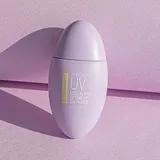 NEOGEN X SUR.MEDIC Surmedic Azulene Mild UV Tone-Up Sun Primer | 78% | $19.82 | |
 Dasique Water Veil Primer 40ml | 76% | ≈ $16.65 | |
 mirenesse Tone Correcting Primer Cushion | 76% | ≈ $14.03 |
Key Actives
Is proven to be effective in reducing blemishes, evening out skin tone and helping to improve lines and wrinkles. It helps the skin to repair sun damage, calm down inflammation and keep maintain good levels of moisture. The concentration of about 2% is effective for supporting the skin barrier and evening out the skin tone. Concentration of 4-6% is better for helping with acne and balancing the sebum production
Is proven to be effective in reducing blemishes, evening out skin tone and helping to improve lines and wrinkles. It helps the skin to repair sun damage, calm down inflammation and keep maintain good levels of moisture. The concentration of about 2% is effective for supporting the skin barrier and evening out the skin tone. Concentration of 4-6% is better for helping with acne and balancing the sebum production
Is proven to be effective in reducing blemishes, evening out skin tone and helping to improve lines and wrinkles. It helps the skin to repair sun damage, calm down inflammation and keep maintain good levels of moisture. The concentration of about 2% is effective for supporting the skin barrier and evening out the skin tone. Concentration of 4-6% is better for helping with acne and balancing the sebum production
Can contain potent anti-oxidant compounds (abbreviated ECG, GCG, EGC, and EGCG) that might help protect the skin from free radicals. Can help calm down inflammation and has some anti-bacterial properties. Unfortunately, these antioxidants are unstable and lose their effectiveness very quickly in products. The concentration of the antioxidant compounds in the extract also tends to be low to be effective in topical formulation
Helps calm down inflammation in skin and can help reduce itching. Helps to repair the skin barrier and keep skin hydrated
Can contain potent anti-oxidant compounds (abbreviated ECG, GCG, EGC, and EGCG) that might help protect the skin from free radicals. Can help calm down inflammation and has some anti-bacterial properties. Unfortunately, these antioxidants are unstable and lose their effectiveness very quickly in products. The concentration of the antioxidant compounds in the extract also tends to be low to be effective in topical formulation
Helps calm down inflammation in skin and can help reduce itching. Helps to repair the skin barrier and keep skin hydrated
Can contain potent anti-oxidant compounds (abbreviated ECG, GCG, EGC, and EGCG) that might help protect the skin from free radicals. Can help calm down inflammation and has some anti-bacterial properties. Unfortunately, these antioxidants are unstable and lose their effectiveness very quickly in products. The concentration of the antioxidant compounds in the extract also tends to be low to be effective in topical formulation
Helps calm down inflammation in skin and can help reduce itching. Helps to repair the skin barrier and keep skin hydrated
A plat extract that might help neutralize free radicals in skin and attract water to its upper layer
One of the best moisturizing ingredients. Attracts water into the upper layer of the skin. Naturally present in skin. Typically has large molecule size unless advertised otherwise on the product label. Helps support skin's barrier function and may help to reduce inflammation
Might help improve cell turnover and reduce inflammation in skin. One study shows that the ingredients might be able to help reduce dynamic wrinkles (for example, in the corners of the eyes or on the forehead)
A plat extract that might help neutralize free radicals in skin and attract water to its upper layer
One of the best moisturizing ingredients. Attracts water into the upper layer of the skin. Naturally present in skin. Typically has large molecule size unless advertised otherwise on the product label. Helps support skin's barrier function and may help to reduce inflammation
Might help improve cell turnover and reduce inflammation in skin. One study shows that the ingredients might be able to help reduce dynamic wrinkles (for example, in the corners of the eyes or on the forehead)
A plat extract that might help neutralize free radicals in skin and attract water to its upper layer
One of the best moisturizing ingredients. Attracts water into the upper layer of the skin. Naturally present in skin. Typically has large molecule size unless advertised otherwise on the product label. Helps support skin's barrier function and may help to reduce inflammation
Might help improve cell turnover and reduce inflammation in skin. One study shows that the ingredients might be able to help reduce dynamic wrinkles (for example, in the corners of the eyes or on the forehead)
A silicone that helps to reduce water loss from the surface of the skin. Can temporarily "fill in" lines and wrinkles, absorb oil, and create a nice product finish
A silicone that helps to reduce water loss from the surface of the skin. Can temporarily "fill in" lines and wrinkles, absorb oil, and create a nice product finish
A silicone that helps to reduce water loss from the surface of the skin. Can temporarily "fill in" lines and wrinkles, absorb oil, and create a nice product finish
One of the best moisturizing ingredients. Naturally present in skin. It attracts water to the upper layer of the skin working as a humectant
Works as a UV filter when used in high concentrations. It is photostable and is effective mostly against the UVB light, with some protection in the UVA range. In small concentrations, used for its ability to improve the color of cosmetic products. Is usually well tolerated by the skin
A good mix of fatty acids that forms a protective layer on the skin. Improves the shelf life of products. Derived from coconut and glycerin
Works as a UV filter when used in high concentrations. It is photostable and is effective mostly against the UVB light, with some protection in the UVA range. In small concentrations, used for its ability to improve the color of cosmetic products. Is usually well tolerated by the skin
A good mix of fatty acids that forms a protective layer on the skin. Improves the shelf life of products. Derived from coconut and glycerin
Helps attract water to the upper layer of the skin and provide a longer-lasting hydration. Can create a thicker product consistency
Helps attract water to the upper layer of the skin and improves the product texture
An emollient that helps soften the skin. Could be comedogenic
Helps attract water to the upper layer of the skin and provide a longer-lasting hydration. Can create a thicker product consistency
One of the best moisturizing ingredients. Attracts water into the upper layer of the skin. A version of it is naturally present in skin
A cactus extract that can help neutralize free radicals because it contains a chemical compound called betacyanins and flavonolglycosides. Can help make the surface of the skin dryer helping make pores look smaller for a very short period of time. The concentrations usually used in cosmetics are too small to have any effect
Used to create a gel-like product texture, as well as to stabilize emulsions
One of the best moisturizing ingredients. Naturally present in skin. It attracts water to the upper layer of the skin working as a humectant
Works as a UV filter when used in high concentrations. It is photostable and is effective mostly against the UVB light, with some protection in the UVA range. In small concentrations, used for its ability to improve the color of cosmetic products. Is usually well tolerated by the skin
A good mix of fatty acids that forms a protective layer on the skin. Improves the shelf life of products. Derived from coconut and glycerin
Works as a UV filter when used in high concentrations. It is photostable and is effective mostly against the UVB light, with some protection in the UVA range. In small concentrations, used for its ability to improve the color of cosmetic products. Is usually well tolerated by the skin
A good mix of fatty acids that forms a protective layer on the skin. Improves the shelf life of products. Derived from coconut and glycerin
Helps attract water to the upper layer of the skin and provide a longer-lasting hydration. Can create a thicker product consistency
Helps attract water to the upper layer of the skin and improves the product texture
An emollient that helps soften the skin. Could be comedogenic
Helps attract water to the upper layer of the skin and provide a longer-lasting hydration. Can create a thicker product consistency
One of the best moisturizing ingredients. Attracts water into the upper layer of the skin. A version of it is naturally present in skin
A cactus extract that can help neutralize free radicals because it contains a chemical compound called betacyanins and flavonolglycosides. Can help make the surface of the skin dryer helping make pores look smaller for a very short period of time. The concentrations usually used in cosmetics are too small to have any effect
Used to create a gel-like product texture, as well as to stabilize emulsions
One of the best moisturizing ingredients. Naturally present in skin. It attracts water to the upper layer of the skin working as a humectant
Works as a UV filter when used in high concentrations. It is photostable and is effective mostly against the UVB light, with some protection in the UVA range. In small concentrations, used for its ability to improve the color of cosmetic products. Is usually well tolerated by the skin
A good mix of fatty acids that forms a protective layer on the skin. Improves the shelf life of products. Derived from coconut and glycerin
Works as a UV filter when used in high concentrations. It is photostable and is effective mostly against the UVB light, with some protection in the UVA range. In small concentrations, used for its ability to improve the color of cosmetic products. Is usually well tolerated by the skin
A good mix of fatty acids that forms a protective layer on the skin. Improves the shelf life of products. Derived from coconut and glycerin
Helps attract water to the upper layer of the skin and provide a longer-lasting hydration. Can create a thicker product consistency
Helps attract water to the upper layer of the skin and improves the product texture
An emollient that helps soften the skin. Could be comedogenic
Helps attract water to the upper layer of the skin and provide a longer-lasting hydration. Can create a thicker product consistency
One of the best moisturizing ingredients. Attracts water into the upper layer of the skin. A version of it is naturally present in skin
A cactus extract that can help neutralize free radicals because it contains a chemical compound called betacyanins and flavonolglycosides. Can help make the surface of the skin dryer helping make pores look smaller for a very short period of time. The concentrations usually used in cosmetics are too small to have any effect
Used to create a gel-like product texture, as well as to stabilize emulsions
Potential irritants
Helps oil and water mix together and can enhance the penetration of other ingredients into the skin. It can be irritating
Essential oil that can be irritating
Used to help oil and water mix together. Can be irritating
An aromatic blend of unspecified and possibly irritating ingredients
A good mix of fatty acids that forms a protective layer on the skin. Improves the shelf life of products. Derived from coconut and glycerin
Helps attract water to the upper layer of the skin and provide a longer-lasting hydration. Can create a thicker product consistency
A plat extract that might help neutralize free radicals in skin and attract water to its upper layer
A cactus extract that can help neutralize free radicals because it contains a chemical compound called betacyanins and flavonolglycosides. Can help make the surface of the skin dryer helping make pores look smaller for a very short period of time. The concentrations usually used in cosmetics are too small to have any effect
A plant extract that might have some anti-oxidant properties, but evidence is lacking
Helps preserve products and creates a nice product texture
A more stable but less bio-available form of vitamin E compared to Tocopherol. Might help moisturize and protect the skin from free radicals, but mostly used in low concentrations to stabilize other ingredients.
Comedogenic ingredients
A non-drying alcohol. Works as an emollient. Helps water and oil mix together and creates a nice product texture
An emollient that helps soften the skin. Could be comedogenic
A non-drying alcohol. Works as an emollient. Helps water and oil mix together and creates a nice product texture
An emollient that helps soften the skin. Could be comedogenic
A non-drying alcohol. Works as an emollient. Helps water and oil mix together and creates a nice product texture
An emollient that helps soften the skin. Could be comedogenic
All ingredients
One of the best moisturizing ingredients. Naturally present in skin. It attracts water to the upper layer of the skin working as a humectant
Helps oil and water mix together and can enhance the penetration of other ingredients into the skin. It can be irritating
Works as a UV filter when used in high concentrations. It is photostable and is effective mostly against the UVB light, with some protection in the UVA range. In small concentrations, used for its ability to improve the color of cosmetic products. Is usually well tolerated by the skin
A good mix of fatty acids that forms a protective layer on the skin. Improves the shelf life of products. Derived from coconut and glycerin
Used to improve the product consistency and soften the upper layer of the skin
Is proven to be effective in reducing blemishes, evening out skin tone and helping to improve lines and wrinkles. It helps the skin to repair sun damage, calm down inflammation and keep maintain good levels of moisture. The concentration of about 2% is effective for supporting the skin barrier and evening out the skin tone. Concentration of 4-6% is better for helping with acne and balancing the sebum production
A mineral that is used as an optical filter (makes the skin looks nicer through light reflection) and to improve the texture of cosmetic products
Works as a UV filter when used in high concentrations. It is photostable and is effective mostly against the UVB light, with some protection in the UVA range. In small concentrations, used for its ability to improve the color of cosmetic products. Is usually well tolerated by the skin
A type of silicone that helps oil and water mix well together. Helps to disperse other ingredients, e.g. pigments, evenly in a formulation
A good mix of fatty acids that forms a protective layer on the skin. Improves the shelf life of products. Derived from coconut and glycerin
Helps attract water to the upper layer of the skin and provide a longer-lasting hydration. Can create a thicker product consistency
Helps attract water to the upper layer of the skin and improves the product texture
A non-drying alcohol. Works as an emollient. Helps water and oil mix together and creates a nice product texture
An emollient that softens the skin and forms a protective layer on its surface. Helps water and oil mix together
An emollient that helps soften the skin. Could be comedogenic
A silicone that helps to reduce water loss from the surface of the skin. Can temporarily "fill in" lines and wrinkles, absorb oil, and create a nice product finish
Used to stabilize product formulations and create a nice product texture
A plat extract that might help neutralize free radicals in skin and attract water to its upper layer
Helps attract water to the upper layer of the skin and provide a longer-lasting hydration. Can create a thicker product consistency
Used to create a nice product texture and help delivery of other ingredients. Might be somewhat helpful in attracting water to the upper layer of the skin
A preservative. It helps prevent bacterial growth in cosmetic products
One of the best moisturizing ingredients. Attracts water into the upper layer of the skin. Naturally present in skin. Typically has large molecule size unless advertised otherwise on the product label. Helps support skin's barrier function and may help to reduce inflammation
One of the best moisturizing ingredients. Attracts water into the upper layer of the skin. A version of it is naturally present in skin
A cactus extract that can help neutralize free radicals because it contains a chemical compound called betacyanins and flavonolglycosides. Can help make the surface of the skin dryer helping make pores look smaller for a very short period of time. The concentrations usually used in cosmetics are too small to have any effect
Can contain potent anti-oxidant compounds (abbreviated ECG, GCG, EGC, and EGCG) that might help protect the skin from free radicals. Can help calm down inflammation and has some anti-bacterial properties. Unfortunately, these antioxidants are unstable and lose their effectiveness very quickly in products. The concentration of the antioxidant compounds in the extract also tends to be low to be effective in topical formulation
Essential oil that can be irritating
A plant extract that might have some anti-oxidant properties, but evidence is lacking
Used to create a nice product texture and help delivery of other ingredients. Might be somewhat helpful in attracting water to the upper layer of the skin
Helps preserve products and creates a nice product texture
Used to help oil and water mix together. Can be irritating
Helps to soften the upper layer of the skin and create a nice product texture
Used to create a gel-like product texture, as well as to stabilize emulsions
A preservative. It helps prevent bacterial growth in cosmetic products
Helps calm down inflammation in skin and can help reduce itching. Helps to repair the skin barrier and keep skin hydrated
Helps create a thicker or gel-like product texture. It is not a surfactant but can be used in gentle cleansing formulations
A more stable but less bio-available form of vitamin E compared to Tocopherol. Might help moisturize and protect the skin from free radicals, but mostly used in low concentrations to stabilize other ingredients.
Might help improve cell turnover and reduce inflammation in skin. One study shows that the ingredients might be able to help reduce dynamic wrinkles (for example, in the corners of the eyes or on the forehead)
An aromatic blend of unspecified and possibly irritating ingredients
One of the best moisturizing ingredients. Naturally present in skin. It attracts water to the upper layer of the skin working as a humectant
Helps oil and water mix together and can enhance the penetration of other ingredients into the skin. It can be irritating
Works as a UV filter when used in high concentrations. It is photostable and is effective mostly against the UVB light, with some protection in the UVA range. In small concentrations, used for its ability to improve the color of cosmetic products. Is usually well tolerated by the skin
A good mix of fatty acids that forms a protective layer on the skin. Improves the shelf life of products. Derived from coconut and glycerin
Used to improve the product consistency and soften the upper layer of the skin
Is proven to be effective in reducing blemishes, evening out skin tone and helping to improve lines and wrinkles. It helps the skin to repair sun damage, calm down inflammation and keep maintain good levels of moisture. The concentration of about 2% is effective for supporting the skin barrier and evening out the skin tone. Concentration of 4-6% is better for helping with acne and balancing the sebum production
A mineral that is used as an optical filter (makes the skin looks nicer through light reflection) and to improve the texture of cosmetic products
Works as a UV filter when used in high concentrations. It is photostable and is effective mostly against the UVB light, with some protection in the UVA range. In small concentrations, used for its ability to improve the color of cosmetic products. Is usually well tolerated by the skin
A type of silicone that helps oil and water mix well together. Helps to disperse other ingredients, e.g. pigments, evenly in a formulation
A good mix of fatty acids that forms a protective layer on the skin. Improves the shelf life of products. Derived from coconut and glycerin
Helps attract water to the upper layer of the skin and provide a longer-lasting hydration. Can create a thicker product consistency
Helps attract water to the upper layer of the skin and improves the product texture
A non-drying alcohol. Works as an emollient. Helps water and oil mix together and creates a nice product texture
An emollient that softens the skin and forms a protective layer on its surface. Helps water and oil mix together
An emollient that helps soften the skin. Could be comedogenic
A silicone that helps to reduce water loss from the surface of the skin. Can temporarily "fill in" lines and wrinkles, absorb oil, and create a nice product finish
Used to stabilize product formulations and create a nice product texture
A plat extract that might help neutralize free radicals in skin and attract water to its upper layer
Helps attract water to the upper layer of the skin and provide a longer-lasting hydration. Can create a thicker product consistency
Used to create a nice product texture and help delivery of other ingredients. Might be somewhat helpful in attracting water to the upper layer of the skin
A preservative. It helps prevent bacterial growth in cosmetic products
One of the best moisturizing ingredients. Attracts water into the upper layer of the skin. Naturally present in skin. Typically has large molecule size unless advertised otherwise on the product label. Helps support skin's barrier function and may help to reduce inflammation
One of the best moisturizing ingredients. Attracts water into the upper layer of the skin. A version of it is naturally present in skin
A cactus extract that can help neutralize free radicals because it contains a chemical compound called betacyanins and flavonolglycosides. Can help make the surface of the skin dryer helping make pores look smaller for a very short period of time. The concentrations usually used in cosmetics are too small to have any effect
Can contain potent anti-oxidant compounds (abbreviated ECG, GCG, EGC, and EGCG) that might help protect the skin from free radicals. Can help calm down inflammation and has some anti-bacterial properties. Unfortunately, these antioxidants are unstable and lose their effectiveness very quickly in products. The concentration of the antioxidant compounds in the extract also tends to be low to be effective in topical formulation
Essential oil that can be irritating
A plant extract that might have some anti-oxidant properties, but evidence is lacking
Used to create a nice product texture and help delivery of other ingredients. Might be somewhat helpful in attracting water to the upper layer of the skin
Helps preserve products and creates a nice product texture
Used to help oil and water mix together. Can be irritating
Helps to soften the upper layer of the skin and create a nice product texture
Used to create a gel-like product texture, as well as to stabilize emulsions
A preservative. It helps prevent bacterial growth in cosmetic products
Helps calm down inflammation in skin and can help reduce itching. Helps to repair the skin barrier and keep skin hydrated
Helps create a thicker or gel-like product texture. It is not a surfactant but can be used in gentle cleansing formulations
A more stable but less bio-available form of vitamin E compared to Tocopherol. Might help moisturize and protect the skin from free radicals, but mostly used in low concentrations to stabilize other ingredients.
Might help improve cell turnover and reduce inflammation in skin. One study shows that the ingredients might be able to help reduce dynamic wrinkles (for example, in the corners of the eyes or on the forehead)
An aromatic blend of unspecified and possibly irritating ingredients
One of the best moisturizing ingredients. Naturally present in skin. It attracts water to the upper layer of the skin working as a humectant
Helps oil and water mix together and can enhance the penetration of other ingredients into the skin. It can be irritating
Works as a UV filter when used in high concentrations. It is photostable and is effective mostly against the UVB light, with some protection in the UVA range. In small concentrations, used for its ability to improve the color of cosmetic products. Is usually well tolerated by the skin
A good mix of fatty acids that forms a protective layer on the skin. Improves the shelf life of products. Derived from coconut and glycerin
Used to improve the product consistency and soften the upper layer of the skin
Is proven to be effective in reducing blemishes, evening out skin tone and helping to improve lines and wrinkles. It helps the skin to repair sun damage, calm down inflammation and keep maintain good levels of moisture. The concentration of about 2% is effective for supporting the skin barrier and evening out the skin tone. Concentration of 4-6% is better for helping with acne and balancing the sebum production
A mineral that is used as an optical filter (makes the skin looks nicer through light reflection) and to improve the texture of cosmetic products
Works as a UV filter when used in high concentrations. It is photostable and is effective mostly against the UVB light, with some protection in the UVA range. In small concentrations, used for its ability to improve the color of cosmetic products. Is usually well tolerated by the skin
A type of silicone that helps oil and water mix well together. Helps to disperse other ingredients, e.g. pigments, evenly in a formulation
A good mix of fatty acids that forms a protective layer on the skin. Improves the shelf life of products. Derived from coconut and glycerin
Helps attract water to the upper layer of the skin and provide a longer-lasting hydration. Can create a thicker product consistency
Helps attract water to the upper layer of the skin and improves the product texture
A non-drying alcohol. Works as an emollient. Helps water and oil mix together and creates a nice product texture
An emollient that softens the skin and forms a protective layer on its surface. Helps water and oil mix together
An emollient that helps soften the skin. Could be comedogenic
A silicone that helps to reduce water loss from the surface of the skin. Can temporarily "fill in" lines and wrinkles, absorb oil, and create a nice product finish
Used to stabilize product formulations and create a nice product texture
A plat extract that might help neutralize free radicals in skin and attract water to its upper layer
Helps attract water to the upper layer of the skin and provide a longer-lasting hydration. Can create a thicker product consistency
Used to create a nice product texture and help delivery of other ingredients. Might be somewhat helpful in attracting water to the upper layer of the skin
A preservative. It helps prevent bacterial growth in cosmetic products
One of the best moisturizing ingredients. Attracts water into the upper layer of the skin. Naturally present in skin. Typically has large molecule size unless advertised otherwise on the product label. Helps support skin's barrier function and may help to reduce inflammation
One of the best moisturizing ingredients. Attracts water into the upper layer of the skin. A version of it is naturally present in skin
A cactus extract that can help neutralize free radicals because it contains a chemical compound called betacyanins and flavonolglycosides. Can help make the surface of the skin dryer helping make pores look smaller for a very short period of time. The concentrations usually used in cosmetics are too small to have any effect
Can contain potent anti-oxidant compounds (abbreviated ECG, GCG, EGC, and EGCG) that might help protect the skin from free radicals. Can help calm down inflammation and has some anti-bacterial properties. Unfortunately, these antioxidants are unstable and lose their effectiveness very quickly in products. The concentration of the antioxidant compounds in the extract also tends to be low to be effective in topical formulation
Essential oil that can be irritating
A plant extract that might have some anti-oxidant properties, but evidence is lacking
Used to create a nice product texture and help delivery of other ingredients. Might be somewhat helpful in attracting water to the upper layer of the skin
Helps preserve products and creates a nice product texture
Used to help oil and water mix together. Can be irritating
Helps to soften the upper layer of the skin and create a nice product texture
Used to create a gel-like product texture, as well as to stabilize emulsions
A preservative. It helps prevent bacterial growth in cosmetic products
Helps calm down inflammation in skin and can help reduce itching. Helps to repair the skin barrier and keep skin hydrated
Helps create a thicker or gel-like product texture. It is not a surfactant but can be used in gentle cleansing formulations
A more stable but less bio-available form of vitamin E compared to Tocopherol. Might help moisturize and protect the skin from free radicals, but mostly used in low concentrations to stabilize other ingredients.
Might help improve cell turnover and reduce inflammation in skin. One study shows that the ingredients might be able to help reduce dynamic wrinkles (for example, in the corners of the eyes or on the forehead)
An aromatic blend of unspecified and possibly irritating ingredients
Ingredient list view
Unknown, Water, Glycerin, Propylene glycol, Titanium dioxide, Caprylic/capric triglyceride, Hydrogenated polyisobutene, Niacinamide, Polysorbate 60, Synthetic fluorphlogopite, Titanium dioxide, Triethoxycaprylylsilane, Bis-peg/ppg-16/16 peg/ppg-16/16 dimethicone, Caprylic/capric triglyceride, Glyceryl acrylate/acrylic acid copolymer, Betaine, Cetearyl alcohol, Glyceryl stearate, Isopropyl myristate, Dimethicone, Dimethicone/vinyl dimethicone crosspolymer, Imperata cylindrica root extract, Glyceryl acrylate/acrylic acid copolymer, Butylene glycol, Water, Phenoxyethanol, Hyaluronic acid, Hydrolyzed hyaluronic acid, Linum usitatissimum seed extract, Cereus grandiflorus flower extract, Camellia sinensis leaf extract, Lavandula angustifolia flower extract, Rosa canina fruit extract, Butylene glycol, Caprylhydroxamic acid, 1,2-hexanediol, Caprylyl glycol, Boswellia serrata resin extract, Sorbitan sesquioleate, Hydrogenated polydecene, Sodium polyacrylate, Trideceth-6, Phenoxyethanol, Allantoin, Carbomer, Tocopheryl acetate, Potassium hydroxide, Adenosine, Bht, Parfum, Chromium oxide greens, Ci 77492, Unknown, Water, Glycerin, Propylene glycol, Titanium dioxide, Caprylic/capric triglyceride, Hydrogenated polyisobutene, Niacinamide, Polysorbate 60, Synthetic fluorphlogopite, Titanium dioxide, Triethoxycaprylylsilane, Bis-peg/ppg-16/16 peg/ppg-16/16 dimethicone, Caprylic/capric triglyceride, Glyceryl acrylate/acrylic acid copolymer, Betaine, Cetearyl alcohol, Glyceryl stearate, Isopropyl myristate, Dimethicone, Dimethicone/vinyl dimethicone crosspolymer, Imperata cylindrica root extract, Glyceryl acrylate/acrylic acid copolymer, Butylene glycol, Water, Phenoxyethanol, Hyaluronic acid, Hydrolyzed hyaluronic acid, Linum usitatissimum seed extract, Cereus grandiflorus flower extract, Camellia sinensis leaf extract, Lavandula angustifolia flower extract, Rosa canina fruit extract, Butylene glycol, Caprylhydroxamic acid, 1,2-hexanediol, Caprylyl glycol, Boswellia serrata resin extract, Sorbitan sesquioleate, Hydrogenated polydecene, Sodium polyacrylate, Trideceth-6, Phenoxyethanol, Allantoin, Carbomer, Tocopheryl acetate, Potassium hydroxide, Adenosine, Bht, Parfum, Ci 77491, Ci 77492, Unknown, Water, Glycerin, Propylene glycol, Titanium dioxide, Caprylic/capric triglyceride, Hydrogenated polyisobutene, Niacinamide, Polysorbate 60, Synthetic fluorphlogopite, Titanium dioxide, Triethoxycaprylylsilane, Bis-peg/ppg-16/16 peg/ppg-16/16 dimethicone, Caprylic/capric triglyceride, Glyceryl acrylate/acrylic acid copolymer, Betaine, Cetearyl alcohol, Glyceryl stearate, Isopropyl myristate, Dimethicone, Dimethicone/vinyl dimethicone crosspolymer, Imperata cylindrica root extract, Glyceryl acrylate/acrylic acid copolymer, Butylene glycol, Water, Phenoxyethanol, Hyaluronic acid, Hydrolyzed hyaluronic acid, Linum usitatissimum seed extract, Cereus grandiflorus flower extract, Camellia sinensis leaf extract, Lavandula angustifolia flower extract, Rosa canina fruit extract, Butylene glycol, Caprylhydroxamic acid, 1,2-hexanediol, Caprylyl glycol, Boswellia serrata resin extract, Sorbitan sesquioleate, Hydrogenated polydecene, Sodium polyacrylate, Trideceth-6, Phenoxyethanol, Allantoin, Carbomer, Tocopheryl acetate, Potassium hydroxide, Adenosine, Bht, Parfum, Ultramarines
- Glycerol and the skin: holistic approach to its origin and functions
- Surfactants and experimental irritant contact dermatitis
- Propylene Glycol
- Skin-sensitizing and irritant properties of propylene glycol
- Final report of the cosmetic ingredient review expert panel on the safety assessment of Polyisobutene and Hydrogenated Polyisobutene as used in cosmetics
- Niacinamide - mechanisms of action and its topical use in dermatology
- Gehring, W. (2004). Nicotinic acid/niacinamide and the skin. Journal of Cosmetic Dermatology, 3(2), 88–93. doi:10.1111/j.1473-2130.2004.00115.x
- Dimethicone as a protective ingredient in topical medications
- Final Report on the Safety Assessment of Dimethicone Copolyol
- Allergic contact dermatitis from grasses
- Efficacy of a New Topical Nano-hyaluronic Acid in Humans
- Physiochemical properties and application of hyaluronic acid: a systematic review
- Evaluation of Skin Irritation and Acute and Subacute Oral Toxicity of Lavandula angustifolia Essential Oils in Rabbit and Mice
- Assessment report on Lavandula angustifolia Mill., aetheroleum and Lavandula angustifolia Mill., flos
- The influence of alkane chain length on the skin irritation potential of 1,2-alkanediols
- Sorbitan sesquioleate, a common emulsifier in topical corticosteroids, is an important contact allergen
- Safety Assessment of Polyene Group as Used in Cosmetics
- Profile of wound healing process induced by allantoin
- Evaluation of anti-wrinkle efficacy of adenosine-containing products using the FOITS technique