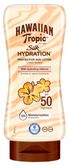
Hawaiian Tropic Silk Hydration Sun Lotion SPF50
Works for
1 of 1 advertised claim delivered
Sun protectionSPF 50 · 6 UV filtersBroad spectrum
This product offers a good level of protection against both UVB and UVA rays.
This sunscreen uses organic (so-called "chemical") sunscreen filters. Organic, or "chemical" filters usually provide reliable sun protection and rarely leave a white cast. Sunscreens with organic filters can sting eyes.
This product can be considered "reef safe" because it does not contain the UV filters (oxybenzone and octinoxate) that can be harmful to coral reefs when present in the water in high concentrations.
Anti-agingNot advertised by the brand · Sodium ascorbyl phosphate, Aloe barbadensis leaf juiceStrong evidence
This product can help prevent early signs of skin aging because it offers a good level of broad spectrum sun protection. Sun damage is the main cause of premature skin aging, and protecting your skin from the sun is the best anti-aging strategy.
Evens skin toneNot advertised by the brand · No ingredient credited for this claimStrong evidence
This product offers broad spectrum sun protection. It means that it can prevent hyperpigmentation and help keep the skin tone even (sun damage is the main factor causing age spots, darkening of post-acne marks and other discolorations).
Can it cause trouble?
Irritancy4 strong irritants: Parfum, Linalool + 2 more — patch-test recommendedHigh risk
Comedogenic1 ingredient rated 2 or more on the 0–5 pore-clogging scale1 flagged


User reviews
Be the first — your take helps the next person decide.
Ingredients
Filter by role to see what each ingredient is doing.
Water~45–55%
Homosalate~6.2–7.6%
- Irritation risk
- Medium
A weak sunscreen that offers some protection against the sun rays that cause sunburn (UVB), but does not offer meaningful protection against protect against the most aging sun rays (UVA). It loses its effectiveness quickly when exposed to sunlight. It is an organic, or so called "chemical" sunscreen. When used in low concentrations, helps to stabilize the product formulation
More about HomosalateOctocrylene~4.4–5.4%
- Irritation risk
- Medium
A weak sunscreen that protects against the sun rays that cause sunburn (UVB) and is somewhat effective against the UVA rays. It is quite stable and can help stabilize other, more vulnerable, sunscreen ingredients like Avobenzone. It is an organic, or so called "chemical" sunscreen
More about OctocryleneEthylhexyl salicylate~3.5–4.3%
- Irritation risk
- Low
Octisalate. A UV filter. It offers some protection against the sun rays that cause sunburn (UVB), but does not protect against the most aging sun rays (UVA). It loses its effectiveness quickly when exposed to sunlight. It is an organic, or so called "chemical" sunscreen
More about Ethylhexyl salicylateButyl methoxydibenzoylmethane~3.1–3.7%
- Irritation risk
- Medium
Avobenzone. An organic, or so-called "chemical" UV filter. Protects against both UVA and UVB rays. Needs to be combined with other filters in a formulation to be stable.
More about Butyl methoxydibenzoylmethaneButyloctyl salicylate~1.9–2.3%
- Irritation risk
- Medium
A synthetic ester of salicylic acid that is used to help disperse pigments and boost effectiveness of sunscreen ingredients. It is able to absorb UV light (working as an organic, or chemical filter), but is not approved as a sunscreen ingredient on its own
More about Butyloctyl salicylateC12-15 alkyl benzoate~1.6–2%
- Irritation risk
- Low
Enhances the product texture and makes it more spreadable. Helps reduce water loss from the outer layer of skin. Extands the shelf life by preventing bacteria growth
More about C12-15 alkyl benzoateDiisopropyl adipate~1.4–1.8%
- Irritation risk
- Low
Helps soften the upper layer of the skin
More about Diisopropyl adipateHydroxyethyl acrylate/sodium acryloyldimethyl taurate copolymer~1.2–1.4%
- Irritation risk
- Medium
A gelling agent that thickens the product consistency and leaves the skin with a velvety finish
More about Hydroxyethyl acrylate/sodium acryloyldimethyl taurate copolymerButylene glycol~0.9–1.1%
- Irritation risk
- Low
Used to create a nice product texture and help delivery of other ingredients. Might be somewhat helpful in attracting water to the upper layer of the skin
More about Butylene glycolCetearyl alcohol~0.75–1.1%
- Irritation risk
- Low
- Comedogenicity
- 2/5
A non-drying alcohol. Works as an emollient. Helps water and oil mix together and creates a nice product texture
More about Cetearyl alcoholPhenoxyethanol~0.5–0.75%
- Irritation risk
- Low
A preservative. It helps prevent bacterial growth in cosmetic products
More about PhenoxyethanolIsohexadecane~0.55–0.85%
- Irritation risk
- Low
Improves the texture of the product and helps soften the skin. Helps oil and water mix together and can be used as a cleansing agent
More about IsohexadecaneCaprylyl glycol~0.45–0.65%
- Irritation risk
- Medium
Helps preserve products and creates a nice product texture
More about Caprylyl glycolAcrylates/c12-22 alkyl methacrylate copolymer~0.35–0.65%
- Irritation risk
- Low
Benzyl alcohol~0.3–0.55%
- Irritation risk
- High
A preservative. Can be used to mask unpleasant smell. Can be irritating
More about Benzyl alcoholParfum~0.3–0.55%
- Irritation risk
- High
An aromatic blend of unspecified and possibly irritating ingredients
More about ParfumChlorphenesin~0.16–0.32%
Ceteth-10 phosphate~0.35–0.6%
Dicetyl phosphate~0.25–0.45%
Polysorbate 60~0.25–0.45%
Xanthan gum~0.2–0.4%
- Irritation risk
- Low
Used to create a thicker product consistency
More about Xanthan gumCoco-glucoside~0.25–0.4%
- Irritation risk
- High
Used as a cleansing agent (surfactant) in cleansers. Helps water and oil mix together in lotions. Can be irritating
More about Coco-glucosideDisodium edta~0.15–0.3%
Aminomethyl propanol~0.15–0.3%
Mica~0.2–0.35%
- Irritation risk
- Low
Creates an illusion of smoother and more radiant skin tone. Adds shimmer to the skin by reflecting light
More about MicaLinalool~0.15–0.3%
Tocopheryl acetate~0.15–0.3%
- Irritation risk
- Medium
A more stable but less bio-available form of vitamin E compared to Tocopherol. Might help moisturize and protect the skin from free radicals, but mostly used in low concentrations to stabilize other ingredients.
More about Tocopheryl acetateTitanium dioxide~0.25–0.45%
- Irritation risk
- Low
Works as a UV filter when used in high concentrations. It is photostable and is effective mostly against the UVB light, with some protection in the UVA range. In small concentrations, used for its ability to improve the color of cosmetic products. Is usually well tolerated by the skin
More about Titanium dioxidePanthenol~0.15–0.3%
- Irritation risk
- Low
Helps attract water to the upper layer of the skin and can help improve skin barrier function
More about PanthenolLimonene~0.15–0.25%
- Irritation risk
- High
A common frangrance that can easily irritate skin, especially if exposed to air, light or heat
More about LimoneneAloe barbadensis leaf juice~0.15–0.3%
- Irritation risk
- Medium
Traditionally used to treat sunburns, dermatitis and inflammation, but evidence for its effectiveness is lacking. The extract can contain humectants that help attract water into the skin
More about Aloe barbadensis leaf juiceSilk amino acids~0.2–0.35%
- Irritation risk
- Low
Might help attract water to the upper layer of the skin
More about Silk amino acidsSodium ascorbyl phosphate~0.2–0.35%
- Irritation risk
- Medium
A stable derivative of vitamin C. It is oil-soluble which means it is more likely to penetrate the skin compared to the pure form of vitamin C (which is water-soluble), but it is less bio-available and is way less effective in stimulating collagen and reducing wrinkles compared to the pure form of vitamin C (L-ascorbic acid) and its other derivatives (for example, magnesium ascorbyl phosphate). At the same time, this vitamin C derivative has been shown in studies to be effective in reducing acne, blemishes and clogged pores. It is less irritating then the pure form of vitamin C
More about Sodium ascorbyl phosphatePsidium guajava fruit extract~0.15–0.3%
- Irritation risk
- High
A fruit extract that might have some anti-oxidant effect
More about Psidium guajava fruit extractPlumeria acutifolia flower extract~0.15–0.3%
- Irritation risk
- Low
Passiflora incarnata fruit extract~0.15–0.25%
- Irritation risk
- Low
Mangifera indica fruit extract~0.1–0.2%
- Irritation risk
- Medium
A fruit extract that might help attract water to the upper layer of the skin. There is no evidence of other benefits in skin
More about Mangifera indica fruit extractCarica papaya fruit extract~0.1–0.15%
- Irritation risk
- High
Ci 77492~0.05–0.1%
Ingredient list view
Water, Homosalate, Octocrylene, Ethylhexyl salicylate, Butyl methoxydibenzoylmethane, Butyloctyl salicylate, C12-15 alkyl benzoate, Diisopropyl adipate, Hydroxyethyl acrylate/sodium acryloyldimethyl taurate copolymer, Butylene glycol, Cetearyl alcohol, Phenoxyethanol, Isohexadecane, Caprylyl glycol, Acrylates/c12-22 alkyl methacrylate copolymer, Benzyl alcohol, Parfum, Chlorphenesin, Ceteth-10 phosphate, Dicetyl phosphate, Polysorbate 60, Xanthan gum, Coco-glucoside, Disodium edta, Aminomethyl propanol, Mica, Linalool, Tocopheryl acetate, Titanium dioxide, Panthenol, Limonene, Aloe barbadensis leaf juice, Silk amino acids, Sodium ascorbyl phosphate, Psidium guajava fruit extract, Plumeria acutifolia flower extract, Passiflora incarnata fruit extract, Mangifera indica fruit extract, Carica papaya fruit extract, Ci 77492
Compare prices
Retailers ranked by price — lowest first.

Worth comparing, line by line.
Match % combines shared ingredients, the first five ingredients, shared actives and hero ingredients, irritancy (lower counts in the alternative's favour), texture and body area. Only products in the same routine step are compared.
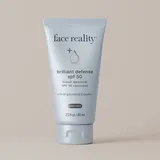
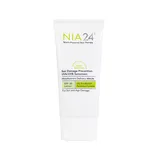
| Hawaiian TropicSilk Hydration Sun Lotion SPF50YOUR PRODUCT | Face Reality SkincareBrilliant Defense SPF 50 | NIA24Sun Damage Prevention UVA UVB Sunscreen SPF 30 | La Roche-PosayAnthelios Melt-In Milk Sunscreen for Face & Body SPF 100 | |
|---|---|---|---|---|
| Match | — | 61% | 59% | 58% |
| Price | $9.12 | $42.00+$32.88 | — | $20.99+$11.87 |
| Shared key ingredients | — | 5 of 6 | 4 of 6 | 4 of 6 |
| Key difference | — | Aminopropyl Ascorbyl Phosphate | Ceramide 3 | Caprylic/Capric Triglyceride |
| Irritancy | High | Low | Medium | Low |
| SPF | SPF 50 | SPF 50 | SPF 30 | SPF 100 |
| Drying alcohol | — | — | — | — |
| View product | Shop | Shop | Shop |


Product summary
We assess that "Hawaiian Tropic - Silk Hydration Sun Lotion SPF50" can provide reliable sun protection based on the ingredient list. We love that it can protect from both UVA and UVB rays (not all sunscreens with SPF ratings give UVA protection. UVA rays do not cause sunburn, but still damage our skin and lead to early aging).
This product prevents early signs of aging by protecting against sun damage (all broad spectrum sunscreens do that).
Sunscreen filters
This is a so-called "chemical" sunscreen. It means that it uses organic UV filters. They typically offer good sun protection and rarely leave a white cast, but they can be irritating for some people with sensitive skin. The UV filters in this sunscreen are: avobenzone 3.10% - 3.70%, butyloctyl salicylate 1.90% - 2.30%, octisalate 3.50% - 4.30%, homosalate 6.20% - 7.60% and octocrylene 4.40% - 5.40%.
Irritation risk
This sunscreen contains a bunch of common irritants, including ingredients that do not provide any known benefit for the skin. It might not be the best choice if your skin is sensitive. We assess the overall irritancy of it to be high. For a detailed overview of all potential irritants: click here
You can see the detailed formula review with the breakdown of all actives in the product and the full ingredient list with estimated concentrations in the tables below.
About the brand
According to Cruelty-Free Kitty "Hawaiian Tropic" is cruelty free, but its parent company is not.
Price
The product retails for 15.20A$ in Australia and for 9.58£ in the United Kingdom.
For a detailed price comparison: click here.
Sources cited in this review
Every concentration estimate and effectiveness label is anchored to one of these 14 studies and safety reviews.
- 1
- 2
- 3
- 4Allergen of the Year—Alkyl Glucosidepracticeupdate.com
- 5Skin moisturizing effects of panthenol-based formulationspdfs.semanticscholar.org
- 6

Affiliate links · As an Amazon Associate, WIMJ earns from qualifying purchases.