Works for:
based on ingredients and %- Cleansing
Doesn't work for:
based on ingredients and %- Anti-blemish
Can it cause trouble?
- Irritation risk: high
- Comedogenic risk ingredients: 2
Key actives

Cleansing
What does the product description say?
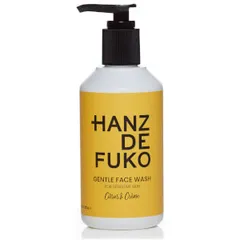
Gentle Face Wash
Source: Mankind
This product works by removing dirt and oil from the surface of the skin.
The following cleansing agents are typically mild, but still can cause an irritation or allergy for some people cocamidopropyl betaine, coco-glucoside, glyceryl oleate.
Keep in mind that cleansing can disrupt the skin barrier, and most people do not need to cleanse their skin more than once per day.
Helps water and oil mix together. Used as a cleansing ingredient. Could be an allergen
Used as a cleansing agent. Helps water and oil mix together
Used as a cleansing agent (surfactant) in cleansers. Helps water and oil mix together in lotions. Can be irritating
Helps oil and water mix together. Can be irritating
Helps water and oil mix together
Works as a cleansing agent
Helps oil and water mix together and works as a cleansing agent
Helps oil and water mix together
Anti-blemish
What does the product description say?
Rooibos Leaf protects against the damaging and ageing effects of free radicals, Pomegranate reduces the appearance of wrinkles and Aloe Vera combats acne for a more even skin tone and texture.
Source: Mankind
Effective ingredients missing or their concentration is too low.
Can contain potent anti-oxidant compounds (abbreviated ECG, GCG, EGC, and EGCG) that might help protect the skin from free radicals. Can help calm down inflammation and has some anti-bacterial properties. Unfortunately, these antioxidants are unstable and lose their effectiveness very quickly in products. The concentration of the antioxidant compounds in the extract also tends to be low to be effective in topical formulation
Traditionally used to treat sunburns, dermatitis and inflammation, but evidence for its effectiveness is lacking. The extract can contain humectants that help attract water into the skin
How honest is this product?
| Promise | Can it deliver? |
|---|---|
| Cleansing | |
| Anti-blemish |
Total Promises Fulfilled score: 37/100.
We receive a small commission for purchases made through these links at no cost for you. Thank you for your support! Learn more
Potential irritants
Comedogenic ingredients
User reviews (0)
Averages from community submissions.
No reviews yet for this product.
Be the first to share your experience!
Tried this product?
Help capture what the ingredient list can't—texture, finish, pilling, scent, and more. Answer what you can, skip the rest.
Takes ~30 seconds.
Reviews are shown in aggregate. No personal details.
Key Actives
Can contain potent anti-oxidant compounds (abbreviated ECG, GCG, EGC, and EGCG) that might help protect the skin from free radicals. Can help calm down inflammation and has some anti-bacterial properties. Unfortunately, these antioxidants are unstable and lose their effectiveness very quickly in products. The concentration of the antioxidant compounds in the extract also tends to be low to be effective in topical formulation
Helps attract water to the upper layer of the skin and can help improve skin barrier function
A plant extract that can help neutralize free radicals in skin and even out the skin tone, but is typically used in products in a concentration that is too low to be effective
A plant extract that can help attract water to the upper layer of the skin and might help to reduce inflammation
Red algae extract that helps attract water to the upper layer of the skin
An amino-acid that helps increase skin hydration and might help to slightly improve skin firmness, potentially reducing lines and wrinkles
An amino-acid that helps to attract water to the upper layer of the skin and might help to lighten the skin, but solid evidence is lacking
An amino-acid that helps to attract water to the upper layer of the skin. In combination with other amino-acids, might help to reduce fine lines and wrinkles
An amino-acid that helps to attract water to the upper layer of the skin. In combination with other amino-acids, might help to reduce fine lines and wrinkles
Works as a cleansing agent
Used as a cleansing agent. Helps water and oil mix together
Helps oil and water mix together
Helps water and oil mix together. Used as a cleansing ingredient. Could be an allergen
Helps oil and water mix together and works as a cleansing agent
One of the best moisturizing ingredients. Naturally present in skin. It attracts water to the upper layer of the skin working as a humectant
Naturally present in skin and helps to attract water to its upper layer
Used as a cleansing agent (surfactant) in cleansers. Helps water and oil mix together in lotions. Can be irritating
Helps oil and water mix together. Can be irritating
Sugar extract that helps attract water to the upper layer of the skin
Helps attract water to the upper layer of the skin. Is often used to adjust the pH level of the product
An amino acid that is naturally present in skin and helps keep it hydrated. When used together with AHAs, it can reduce their irritating effect on the skin
Naturally present in skin and helps to attract water to its upper layer
Helps to attract water to the upper layer of the skin and can help restore the skin barrier function
An amino acid that can help attract water to the upper layer of the skin and support skin's barrier function
Potential irritants
Helps water and oil mix together. Used as a cleansing ingredient. Could be an allergen
An aromatic blend of unspecified and possibly irritating ingredients
Plant extract that can have healing and anti-inflammatory properties. It is a potential allergen and can be irritating
Used as a cleansing agent (surfactant) in cleansers. Helps water and oil mix together in lotions. Can be irritating
A plant extract that is used as a fragrance. Can be irritating
A plant extract that can help attract water to the upper layer of the skin and might help to reduce inflammation
A plant oil with high content of volatile compounds that, especially when exposed to air, can cause allergic reactions and irritate the skin
The most well-researched antioxidant that works in skin. Helps neutralize free radicals supporting collagen production, helping to even out the skin tone and preventing early signs of aging
A plant extract that might help neutralize free radicals in skin. Can contain volalite oils and be irritating
A plant extract that might help neutralize free radicals in skin. Can contain volalite oils and be irritating
Traditionally used to treat sunburns, dermatitis and inflammation, but evidence for its effectiveness is lacking. The extract can contain humectants that help attract water into the skin
Used as a cleansing agent. Helps water and oil mix together
Helps oil and water mix together and works as a cleansing agent
Can have some moisturizing properties due to its sugar content
A plant extract that can help neutralize free radicals in skin and even out the skin tone, but is typically used in products in a concentration that is too low to be effective
A plant extract that can have some anti-oxidant effect in skin
Helps attract water to the upper layer of the skin. Is often used to adjust the pH level of the product
Can work as an exfoliant but is typically used to adjust the product pH
Comedogenic ingredients
Red algae extract that helps attract water to the upper layer of the skin
All ingredients
Traditionally used to treat sunburns, dermatitis and inflammation, but evidence for its effectiveness is lacking. The extract can contain humectants that help attract water into the skin
Used as a cleansing agent. Helps water and oil mix together
Helps water and oil mix together. Used as a cleansing ingredient. Could be an allergen
Helps oil and water mix together and works as a cleansing agent
Plant extract that might have help to neutralize free radicals in skin, but evidence of effectiveness is skin is lacking
A preservative. It helps prevent bacterial growth in cosmetic products
One of the best moisturizing ingredients. Naturally present in skin. It attracts water to the upper layer of the skin working as a humectant
An aromatic blend of unspecified and possibly irritating ingredients
Plant extract that can have healing and anti-inflammatory properties. It is a potential allergen and can be irritating
Naturally present in skin and helps to attract water to its upper layer
Helps attract water to the upper layer of the skin and can help improve skin barrier function
Used as a cleansing agent (surfactant) in cleansers. Helps water and oil mix together in lotions. Can be irritating
Sugar extract that helps attract water to the upper layer of the skin
Can have some moisturizing properties due to its sugar content
A plant extract that can help neutralize free radicals in skin and even out the skin tone, but is typically used in products in a concentration that is too low to be effective
A plant extract that is used as a fragrance. Can be irritating
A plant extract that can help attract water to the upper layer of the skin and might help to reduce inflammation
A plant oil with high content of volatile compounds that, especially when exposed to air, can cause allergic reactions and irritate the skin
The most well-researched antioxidant that works in skin. Helps neutralize free radicals supporting collagen production, helping to even out the skin tone and preventing early signs of aging
A plant extract that might help neutralize free radicals in skin. Can contain volalite oils and be irritating
A plant extract that might help neutralize free radicals in skin. Can contain volalite oils and be irritating
Red algae extract that helps attract water to the upper layer of the skin
A plant extract that can have some anti-oxidant effect in skin
Can contain potent anti-oxidant compounds (abbreviated ECG, GCG, EGC, and EGCG) that might help protect the skin from free radicals. Can help calm down inflammation and has some anti-bacterial properties. Unfortunately, these antioxidants are unstable and lose their effectiveness very quickly in products. The concentration of the antioxidant compounds in the extract also tends to be low to be effective in topical formulation
Helps attract water to the upper layer of the skin. Is often used to adjust the pH level of the product
An amino acid that is naturally present in skin and helps keep it hydrated. When used together with AHAs, it can reduce their irritating effect on the skin
An amino-acid that helps increase skin hydration and might help to slightly improve skin firmness, potentially reducing lines and wrinkles
Naturally present in skin and helps to attract water to its upper layer
Helps to attract water to the upper layer of the skin and can help restore the skin barrier function
An amino-acid that helps to attract water to the upper layer of the skin and might help to lighten the skin, but solid evidence is lacking
An amino-acid that helps to attract water to the upper layer of the skin. In combination with other amino-acids, might help to reduce fine lines and wrinkles
An amino-acid that helps to attract water to the upper layer of the skin. In combination with other amino-acids, might help to reduce fine lines and wrinkles
An amino acid that can help attract water to the upper layer of the skin and support skin's barrier function
Can work as an exfoliant but is typically used to adjust the product pH
Ingredient list view
Water, Sodium lauroyl methyl isethionate, Aloe barbadensis leaf juice, Cocamidopropyl hydroxysultaine, Disodium laureth sulfosuccinate, Sodium lauryl sulfoacetate, Cocamidopropyl betaine, Sodium lauroyl sarcosinate, Aspalathus linearis leaf extract, Glycol distearate, Phenoxyethanol, Glycerin, Xylityl sesquicaprylate, Parfum, Chamomilla recutita flower extract, Sodium pca, Tetrasodium glutamate diacetate, Panthenol, Coco-glucoside, Glyceryl oleate, Shea butteramidopropyl betaine, Salvia officinalis leaf extract, Saccharum officinarum extract, Pyrus malus fruit extract, Punica granatum extract, Hibiscus rosa-sinensis flower extract, Eugenia caryophyllus flower extract, Citrus nobilis peel extract, Althaea officinalis root extract, Ethylhexylglycerin, Citrus nobilis peel oil, Citrus aurantium amara leaf/twig oil, Ascorbic acid, Lonicera caprifolium flower extract, Lonicera japonica flower extract, Palmaria palmata extract, Opuntia vulgaris leaf extract, Euterpe oleracea fruit extract, Camellia sinensis leaf extract, Sodium lactate, Arginine, Citrus limon peel extract, Aspartic acid, Pca, Glycine, Alanine, Serine, Valine, Ci 19140, Threonine, Ci 16035, Proline, Phenylalanine, Isoleucine, Histidine, Citric acid
- Rooibos (Aspalathus linearis) beyond the farm gate: From herbal tea to potential phytopharmaceutical
- Glycerol and the skin: holistic approach to its origin and functions
- Skin moisturizing effects of panthenol-based formulations
- Safety Assessment of Panthenol, Pantothenic Acid, and Derivatives as Used in Cosmetics
- In Vitro Assessment of Skin Irritation Potential of Surfactant-based Formulations by Using a 3-D Skin Reconstructed Tissue Model and Cytokine Response
- Allergen of the Year—Alkyl Glucoside
- Contact Sensitization to Emulsifying Agents: An Underrated Issue?
- Allergic contact dermatitis caused by Salvia officinalis extract
- Extract of Punica granatum inhibits skin photoaging induced by UVB irradiation
- Topical microemulsion containing Punica granatum extract: its control over skin erythema and melanin in healthy Asian subjects
- Safety Assessment of Punica granatum -Derived Ingredients as Used in Cosmetics
- Safety Assessment of Citrus-Derived Peel Oils as Used in Cosmetics
- Oxidized citrus oil (R-limonene): A frequent skin sensitizer in Europe
- Air oxidation increases skin irritation from fragrance terpenes
- VOLATILE CONSTITUENTS FROM THE FLOWERS OF TWO SPECIES OF HONEYSUCKLE ( LONICERA JAPONICA AND LONICERA CAPRIFOLIUM )
- Chemical composition of the essential oils from the flower, leaf and stem of Lonicera japonica
- Total Oxidant Scavenging Capacity of Euterpe oleracea Mart. (Açaí) Seeds and Identification of Their Polyphenolic Compounds
- Euterpe oleracea, Matricaria chamomilla, and Camellia sinensis as promising ingredients for development of skin care formulations
- Acetyl aspartic acid, a novel active ingredient, demonstrates potential to improve signs of skin ageing: from consumer need to clinical proof
- In vivo topical application of acetyl aspartic acid increases fibrillin-1 and collagen IV deposition leading to a significant improvement of skin firmness
- Effect of Topical Application of Glycine and Proline on Recalcitrant Leg Ulcers of Prolidase Deficiency
- Functional glycine receptor in cultured human keratinocytes
- Combination of amino acids reduces pigmentation in B16F0 melanoma cells
- Topical palmitoyl pentapeptide provides improvement in photoaged human facial skin
- Analysis of Dyes in Cosmetics: Challenges and Recent Developments
- Local rhamnosoft, ceramides and L‐isoleucine in atopic eczema: a randomized, placebo controlled trial
- Histidine and/or Histidine Derivative for the Treatment of Inflammatory Skin Diseases
- Safety Assessment of α-Amino Acids as Used in Cosmetics