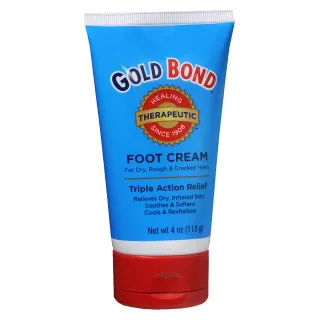
Works for
1 of 1 advertised claim delivered
Moisturizing13 ingredients credited for this claimStrong support
“Made with seven moisturizers and vitamins A, C, and E, this formula intensely nourishes and hydrates skin.”
This product can help improve hydration of the skin with the two types of ingredients.
The first type is called “humectants”:
these ingredients help attract water.
When humectants are on the surface of the skin, they “pull in” the moisture from the outside environment, or from
within deeper layers of the skin. The following ingredients in this product do the job:
glycerin, methyl gluceth-20.
This product also contains ingredients called “occlusives”. They help reduce the speed with which our skin loses moisture to the outside environment. These ingredients also help soften the upper layer of the skin, so it feels less tight and nicer to the touch. The following ingredients in this product do the job: dimethicone, jojoba esters.
The following ingredients in this product are especially good for supporting the skin barrier and helping with the hydration level: petrolatum, urea
Evens skin toneNot advertised by the brand · 2 ingredients credited for this claimModerate support
The following ingredient (ingredients) in this product might be helpful, but there is no evidence to confirm that it actually works: retinyl palmitate.
Anti-agingNot advertised by the brand · 3 ingredients credited for this claimModerate support
This product contains retinyl palmitate. This ingredient might be able to help reduce and prevent fine lines and wrinkles, improve skin elasticity and firmness, but there is not enough evidence that it actually works.
Can it cause trouble?
Irritancy7 strong irritants: Lavandula angustifolia flower extract, Retinyl palmitate + 5 more — patch-test recommendedHigh risk
Comedogenic1 ingredient rated 2 or more on the 0–5 pore-clogging scale1 flagged


User reviews
Be the first — your take helps the next person decide.
Ingredients
Filter by role to see what each ingredient is doing.
Water~45–55%
Urea~10–12%
- Irritation risk
- Low
Naturally present in skin (urea makes up about 7% of natural moisturizing factors in skin). Attracts water to the upper layer of the skin. Also has a positive effect on the skin barrier beyond the humectant action. Can enhance penetration of other ingredients. Is an exfoliating ingredient when used in high concentrations
More about UreaDimethicone~4.9–5.9%
- Irritation risk
- Low
A silicone that helps to reduce water loss from the surface of the skin. Can temporarily "fill in" lines and wrinkles, absorb oil, and create a nice product finish
More about DimethiconeGlycerin~3.1–3.8%
- Irritation risk
- Low
One of the best moisturizing ingredients. Naturally present in skin. It attracts water to the upper layer of the skin working as a humectant
More about GlycerinPetrolatum~2.5–3%
- Irritation risk
- Low
One of the most effective and the most studied occlusive ingredients that creates a protective layer on top of the skin preventing moisture loss
More about PetrolatumCetyl alcohol~2–2.4%
- Irritation risk
- Low
A non-drying alcohol that works to soften the skin and stabilize product formulations helping oil and water mix together
More about Cetyl alcoholJojoba esters~1.7–2.1%
- Irritation risk
- Medium
An emollient made of jojoba oil. Helps soften the skin and support its barrier function
More about Jojoba estersCetyl esters~1.6–1.9%
- Irritation risk
- Low
Helps soften upper layer of the skin and can enhance penetration of other ingredients into the upper layer of the skin
More about Cetyl estersStearyl alcohol~1.4–1.7%
- Irritation risk
- Low
An emollient that helps soften the skin
More about Stearyl alcoholDistearyldimonium chloride~1.1–1.4%
- Irritation risk
- Low
Steareth-2~0.9–1.1%
Steareth-21~0.75–1.15%
Propylene glycol~0.65–0.95%
- Irritation risk
- High
Helps oil and water mix together and can enhance the penetration of other ingredients into the skin. It can be irritating
More about Propylene glycolCetearyl alcohol~0.7–1.05%
- Irritation risk
- Low
- Comedogenicity
- 2/5
A non-drying alcohol. Works as an emollient. Helps water and oil mix together and creates a nice product texture
More about Cetearyl alcoholAloe barbadensis leaf juice~0.6–0.85%
- Irritation risk
- Medium
Traditionally used to treat sunburns, dermatitis and inflammation, but evidence for its effectiveness is lacking. The extract can contain humectants that help attract water into the skin
More about Aloe barbadensis leaf juiceLavandula angustifolia flower extract~0.65–0.95%
- Irritation risk
- High
Essential oil that can be irritating
More about Lavandula angustifolia flower extractChamomilla recutita flower extract~0.55–0.8%
- Irritation risk
- High
Plant extract that can have healing and anti-inflammatory properties. It is a potential allergen and can be irritating
More about Chamomilla recutita flower extractTocopheryl acetate~0.55–0.8%
- Irritation risk
- Medium
A more stable but less bio-available form of vitamin E compared to Tocopherol. Might help moisturize and protect the skin from free radicals, but mostly used in low concentrations to stabilize other ingredients.
More about Tocopheryl acetateRetinyl palmitate~0.45–0.7%
- Irritation risk
- High
Three steps removed from the active form of vitamin A - retinoic acid. To have an effect in the skin, it first needs to be converted twice to become the retinoic acid. This means it is less potent than retinol, but could also be less irritating. Once converted to the retinoic acid in the skin, it helps against all signs of aging, improves skin cell turnover and helps fight blemishes and clogged pores. However, in many cosmetic formulations, it is used in a concentration that is too low to have the full effect
More about Retinyl palmitateMagnesium ascorbyl phosphate~0.45–0.65%
- Irritation risk
- Medium
A derivative of vitamin C that is more stable, but less bioavailable than the pure form of vitamin C. It does not penetrate the skin well, but has been shown to convert to pure vitamin C once in skin. It can be helpful in stimulating collagen production and lightening the skin tone, but the required concentration is likely to be very high
More about Magnesium ascorbyl phosphatePolysorbate 60~0.45–0.7%
Stearamidopropyl pg-dimonium chloride phosphate~0.4–0.6%
- Irritation risk
- Low
Methyl gluceth-20~0.35–0.65%
- Irritation risk
- Low
Helps attract water to the upper layer of the skin and soften it
More about Methyl gluceth-20Glyceryl stearate~0.45–0.65%
- Irritation risk
- Low
An emollient that softens the skin and forms a protective layer on its surface. Helps water and oil mix together
More about Glyceryl stearateDiazolidinyl urea~0.25–0.5%
- Irritation risk
- High
A preservative. Works by releasing formaldehyde. Can be irritating
More about Diazolidinyl ureaEdta~0.3–0.6%
Mentha piperita leaf~0.3–0.55%
- Irritation risk
- High
Mentha piperita oil~0.25–0.45%
Parfum~0.2–0.4%
- Irritation risk
- High
An aromatic blend of unspecified and possibly irritating ingredients
More about ParfumMethylparaben~0.15–0.25%
Hydrolyzed jojoba esters~0.15–0.3%
- Irritation risk
- Low
Helps soften the upper layer of the skin
More about Hydrolyzed jojoba estersMenthol~0.1–0.2%
- Irritation risk
- High
Eucalyptol~0.1–0.15%
- Irritation risk
- Low
Potassium hydroxide~0.1–0.2%
Propylparaben~0.1–0.15%
Ingredient list view
Water, Urea, Dimethicone, Glycerin, Petrolatum, Cetyl alcohol, Jojoba esters, Cetyl esters, Stearyl alcohol, Distearyldimonium chloride, Steareth-2, Steareth-21, Propylene glycol, Cetearyl alcohol, Aloe barbadensis leaf juice, Lavandula angustifolia flower extract, Chamomilla recutita flower extract, Tocopheryl acetate, Retinyl palmitate, Magnesium ascorbyl phosphate, Polysorbate 60, Stearamidopropyl pg-dimonium chloride phosphate, Methyl gluceth-20, Glyceryl stearate, Diazolidinyl urea, Edta, Mentha piperita leaf, Mentha piperita oil, Unknown, Parfum, Methylparaben, Hydrolyzed jojoba esters, Menthol, Eucalyptol, Potassium hydroxide, Propylparaben
Compare prices
Retailers ranked by price — lowest first.

Worth comparing, line by line.
Match % combines shared ingredients, the first five ingredients, shared actives and hero ingredients, irritancy (lower counts in the alternative's favour), texture and body area. Only products in the same routine step are compared.
| Gold BondTherapeutic Foot CreamYOUR PRODUCT | CurelFoot Therapy Cream | SuperdrugHand Cream Intensive Moisture | KerasalIntensive Foot Repair Skin Healing Ointment for Cracked Heels and Dry Feet | |
|---|---|---|---|---|
| Match | — | 57% | 54% | 53% |
| Price | $9.49 | $5.49−$4.00 | $1.97−$7.52 | $8.84−$0.65 |
| Shared key ingredients | — | 4 of 7 | 4 of 7 | 3 of 7 |
| Key difference | — | Butyrospermum Parkii Butter | Panthenol | Salicylic Acid |
| Irritancy | High | High | Medium | Low |
| Drying alcohol | — | — | — | — |
| View product | Shop | Shop | Shop |

Product summary
"Gold Bond - Therapeutic Foot Cream" is a well-rounded moisturizing product. The formulation is based on a combination of good humectants and emollients. Both are needed to increase the skin hydration level. Humectants in this product (urea, glycerin, methyl gluceth-20 and propylene glycol) help to increase the water content in the upper layer of the skin. (These ingredients do so by "capturing" water molecules from the outside air or from within the deeper layers of the skin). Emollients in this formulation (petrolatum, jojoba esters, dimethicone, cetearyl alcohol and cetyl alcohol) help to reduce the moisture loss from the skin. They also soften the skin surface and relieve the feeling of dryness and tightness.
Ingredient callouts
- this moisturizer includes a form of Retinoids (vitamin A) - retinyl palmitate 0.45% - 0.70%, but this type of vitamin A is not very effective. It could in theory help with fine lines and wrinkles, but the effect is most likely minimal.
Irritation risk
This moisturizer contains a bunch of common irritants, including ingredients that do not provide any known benefit for the skin. It might not be the best choice if your skin is sensitive. We assess the overall irritancy of this moisturizer to be high. For a detailed overview of all potential irritants: click here
You can see the detailed formula review with the breakdown of all actives in the product and the full ingredient list with estimated concentrations in the tables below.
About the brand
According to Cruelty-Free Kitty "Gold Bond" is cruelty free, but its parent company is not.
Price
The product retails for 9.49$ in the United States.
For a detailed price comparison: click here.
Sources cited in this review
Every concentration estimate and effectiveness label is anchored to one of these 14 studies and safety reviews.
- 1Topical urea in skincare: A reviewpubmed.ncbi.nlm.nih.gov
- 2
- 3Final Report on the Safety Assessment of Dimethicone Copolyoljournals.sagepub.com
- 4
- 5
- 6

Affiliate links · As an Amazon Associate, WIMJ earns from qualifying purchases.