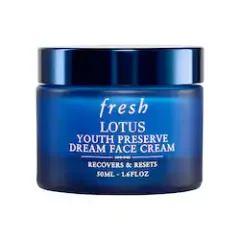
Works for:
based on ingredients and %- Moisturizing
Doesn't work for:
based on ingredients and %- Anti-aging
Can it cause trouble?
- Irritation risk: high
- Comedogenic risk ingredients: 4
Key actives

Moisturizing
What does the product description say?
This newly upgraded moisturizer works with skin’s nighttime renewal mode to help visibly recover from day’s exposure to external stressors for a rested, brighter look.
Source: Sephora
This product can help improve hydration of the skin with the two types of ingredients.
The first type is called “humectants”:
these ingredients help attract water.
When humectants are on the surface of the skin, they “pull in” the moisture from the outside environment, or from
within deeper layers of the skin. The following ingredients in this product do the job:
diglycerin, glycerin.
This product also contains ingredients called “occlusives”. They help reduce the speed with which our skin loses moisture to the outside environment. These ingredients also help soften the upper layer of the skin, so it feels less tight and nicer to the touch. The following ingredients in this product do the job: caprylic/capric triglyceride, helianthus annuus seed oil.
A good mix of fatty acids that forms a protective layer on the skin. Improves the shelf life of products. Derived from coconut and glycerin
Helps attract water to the upper layer of the skin
A good emollient that helps soften the skin and helps repair its barrier function. It can clog pores if used in high concentrations.
A great emollient due to its high linoleic acid content. One of the most effective plant oils in helping skin hydration and repairing skin barrier function
An emollient. Is not recommended for acne-prone skin as it can be comedogenic
One of the best moisturizing ingredients. Naturally present in skin. It attracts water to the upper layer of the skin working as a humectant
Helps soften the skin and attract water to its upper layer. Helps create nice product texture
An emollient that helps soften the skin and is used to improve product texture and stability
A non-drying alcohol. Works as an emollient. Helps water and oil mix together and creates a nice product texture
Used to create a nice product texture and help delivery of other ingredients. Might be somewhat helpful in attracting water to the upper layer of the skin
Used to preserve products, dissolve other ingredients and create a nice product texture
Helps preserve products and creates a nice product texture
Help soften the upper layer of the skin and make it easier for oil and water mix together. Recently, a rising number of allergic reactions to cocoglycerides and other coconut-derived surfactants has been reported. As there is a significant overlap between frequent irritants and allergens, we flag this ingredient for attention of those with very sensitive, reactive skin
Non-drying alcohol that helps water and oil mix together. Also serves as an emollient
An emollient that softens the skin and forms a protective layer on its surface. Helps water and oil mix together
A great moisturising ingredient that softens the skin and reduces water loss from its upper layer. It also can be helpful in protecting skin from free radicals
Might be somewhat helpful in reducing hyperpigmentation and neutralizing free radicals but its typical concentration in a product is too low for having an effect
Pure form of vitamin E. Can help moisturise and protect the skin from free radicals. Often used to help stabilise other ingredients or the formula itself
Anti-aging
What does the product description say?
What it is: An antioxidant night cream that helps recover & reduce signs of fatigue while smoothing fine lines & improving radiance.
Source: Sephora
Effective ingredients missing or their concentration is too low.
A great moisturising ingredient that softens the skin and reduces water loss from its upper layer. It also can be helpful in protecting skin from free radicals
Might be helpful in supporting collagen and ellastin production but solid research is lacking. Could be irritating
Pure form of vitamin E. Can help moisturise and protect the skin from free radicals. Often used to help stabilise other ingredients or the formula itself
Might be somewhat helpful in protecting elastin in skin and evening skin tone, but good research is lacking. Contains fragrant components and can be irritating.
How honest is this product?
| Promise | Can it deliver? |
|---|---|
| Moisturizing | |
| Anti-aging |
Total Promises Fulfilled score: 37/100.
We receive a small commission for purchases made through these links at no cost for you. Thank you for your support! Learn more
Potential irritants
Comedogenic ingredients
User reviews (0)
Averages from community submissions.
No reviews yet for this product.
Be the first to share your experience!
Tried this product?
Help capture what the ingredient list can't—texture, finish, pilling, scent, and more. Answer what you can, skip the rest.
Takes ~30 seconds.
Reviews are shown in aggregate. No personal details.
| Product | Similarity | Price | Irritancy |
|---|---|---|---|
 Fresh Lotus Youth Preserve Radiance Renewal Night Cream | Current | $62.00 | |
 Kiehl's Ultra Facial Meltdown Recovery Cream | 44% | $25.50 | |
 APLB Intensive Repair Horse Oil Cream | 44% | $24.00 | |
 Avène DermAbsolu Night Cream | 43% | ≈ $32.79 | |
Beauty Pie Super Retinol + Vitamin C Night Renewal Moisturiser | 43% | ≈ $42.94 | |
 Abib Jericho rose crème Nutrition tube | 43% | ≈ $18.57 |
Key Actives
Pure form of vitamin E. Can help moisturise and protect the skin from free radicals. Often used to help stabilise other ingredients or the formula itself
A great moisturising ingredient that softens the skin and reduces water loss from its upper layer. It also can be helpful in protecting skin from free radicals
One of the best moisturizing ingredients. Naturally present in skin. It attracts water to the upper layer of the skin working as a humectant
A good mix of fatty acids that forms a protective layer on the skin. Improves the shelf life of products. Derived from coconut and glycerin
Helps attract water to the upper layer of the skin
An emollient. Is not recommended for acne-prone skin as it can be comedogenic
A good emollient that helps soften the skin and helps repair its barrier function. It can clog pores if used in high concentrations.
A great emollient due to its high linoleic acid content. One of the most effective plant oils in helping skin hydration and repairing skin barrier function
Potential irritants
Might be somewhat helpful in protecting elastin in skin and evening skin tone, but good research is lacking. Contains fragrant components and can be irritating.
Might be helpful in supporting collagen and ellastin production but solid research is lacking. Could be irritating
Help soften the upper layer of the skin and make it easier for oil and water mix together. Recently, a rising number of allergic reactions to cocoglycerides and other coconut-derived surfactants has been reported. As there is a significant overlap between frequent irritants and allergens, we flag this ingredient for attention of those with very sensitive, reactive skin
An aromatic blend of unspecified and possibly irritating ingredients
A common frangrance that can easily irritate skin, especially if exposed to air, light or heat
A good mix of fatty acids that forms a protective layer on the skin. Improves the shelf life of products. Derived from coconut and glycerin
Used to preserve products, dissolve other ingredients and create a nice product texture
An emollient. Is not recommended for acne-prone skin as it can be comedogenic
Might be somewhat helpful in reducing hyperpigmentation and neutralizing free radicals but its typical concentration in a product is too low for having an effect
A good emollient that helps soften the skin and helps repair its barrier function. It can clog pores if used in high concentrations.
A more stable but less bio-available form of vitamin E compared to Tocopherol. Might help moisturize and protect the skin from free radicals, but mostly used in low concentrations to stabilize other ingredients.
Helps water and oil in the product mix well together and improves product texture
Helps preserve products and creates a nice product texture
Maintains the texture of skincare products. Allows the product to spread evenly. Helps oil and water mix together
Comedogenic ingredients
A non-drying alcohol. Works as an emollient. Helps water and oil mix together and creates a nice product texture
An emollient. Is not recommended for acne-prone skin as it can be comedogenic
A great moisturising ingredient that softens the skin and reduces water loss from its upper layer. It also can be helpful in protecting skin from free radicals
A good emollient that helps soften the skin and helps repair its barrier function. It can clog pores if used in high concentrations.
All ingredients
One of the best moisturizing ingredients. Naturally present in skin. It attracts water to the upper layer of the skin working as a humectant
Used to create a nice product texture and help delivery of other ingredients. Might be somewhat helpful in attracting water to the upper layer of the skin
A good mix of fatty acids that forms a protective layer on the skin. Improves the shelf life of products. Derived from coconut and glycerin
Used to preserve products, dissolve other ingredients and create a nice product texture
A non-drying alcohol. Works as an emollient. Helps water and oil mix together and creates a nice product texture
Helps soften the skin and attract water to its upper layer. Helps create nice product texture
An emollient. Is not recommended for acne-prone skin as it can be comedogenic
An emollient that softens the skin and forms a protective layer on its surface. Helps water and oil mix together
A great moisturising ingredient that softens the skin and reduces water loss from its upper layer. It also can be helpful in protecting skin from free radicals
Might be somewhat helpful in protecting elastin in skin and evening skin tone, but good research is lacking. Contains fragrant components and can be irritating.
Might be helpful in supporting collagen and ellastin production but solid research is lacking. Could be irritating
Might be somewhat helpful in reducing hyperpigmentation and neutralizing free radicals but its typical concentration in a product is too low for having an effect
A good emollient that helps soften the skin and helps repair its barrier function. It can clog pores if used in high concentrations.
A great emollient due to its high linoleic acid content. One of the most effective plant oils in helping skin hydration and repairing skin barrier function
A more stable but less bio-available form of vitamin E compared to Tocopherol. Might help moisturize and protect the skin from free radicals, but mostly used in low concentrations to stabilize other ingredients.
Pure form of vitamin E. Can help moisturise and protect the skin from free radicals. Often used to help stabilise other ingredients or the formula itself
Helps water and oil in the product mix well together and improves product texture
Helps preserve products and creates a nice product texture
Increases thickness of a product. Texture enhancer for oil-in-water emulsions
Non-drying alcohol that helps water and oil mix together. Also serves as an emollient
An emollient that helps soften the skin and is used to improve product texture and stability
Help soften the upper layer of the skin and make it easier for oil and water mix together. Recently, a rising number of allergic reactions to cocoglycerides and other coconut-derived surfactants has been reported. As there is a significant overlap between frequent irritants and allergens, we flag this ingredient for attention of those with very sensitive, reactive skin
Maintains the texture of skincare products. Allows the product to spread evenly. Helps oil and water mix together
An aromatic blend of unspecified and possibly irritating ingredients
A common frangrance that can easily irritate skin, especially if exposed to air, light or heat
A common frangrance that can easily irritate skin, especially if exposed to air, light or heat
Ingredient list view
Water, Glycerin, Propylene glycol dicaprylate/dicaprate, Butylene glycol, Caprylic/capric triglyceride, Pentylene glycol, Cetearyl alcohol, C10-18 triglycerides, Diglycerin, Myristyl myristate, Glyceryl stearate, Butyrospermum parkii butter, Nelumbo nucifera extract, Prunus persica leaf extract, Citrus limon peel oil, Cucumis sativus fruit extract, Glycine soja oil, Helianthus annuus seed oil, Tocopheryl acetate, Tocopherol, Cetearyl glucoside, Caprylyl glycol, Ammonium acryloyldimethyltaurate/vp copolymer, Behenyl alcohol, Sodium stearoyl glutamate, Cetyl palmitate, Cocoglycerides, Acrylates/c10-30 alkyl acrylate crosspolymer, Parfum, Sodium polyglutamate, Sodium hydroxide, 1,2-hexanediol, Sodium phytate, Chlorphenesin, Sodium metabisulfite, Potassium sorbate, Sodium benzoate, Limonene, Citral, Linalool, Unknown, Sodium benzoate, Limonene, Citral, Linalool
- Glycerol and the skin: holistic approach to its origin and functions
- Nelumbo nucifera extracts as whitening and anti-wrinkle cosmetic agent
- Effect of Olive and Sunflower Seed Oil on the Adult Skin Barrier: Implications for Neonatal Skin Care
- Topically Applied Sunflower Seed Oil Prevents Invasive Bacterial Infections in Preterm Infants in Egypt
- Effect of topically applied lipids on surfactant-irritated skin
- Impact of topical oils on the skin barrier: possible implications for neonatal health in developing countries
- Vitamin E in dermatology
- Vitamin E and Skin Health
- The influence of alkane chain length on the skin irritation potential of 1,2-alkanediols
- Final report on the safety assessment of sodium sulfite, potassium sulfite, ammonium sulfite, sodium bisulfite, ammonium bisulfite, sodium metabisulfite and potassium metabisulfite