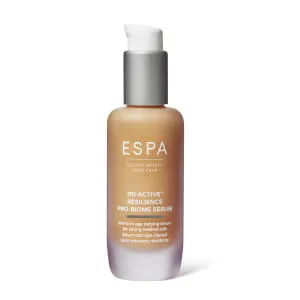
Works for
Evens skin toneBifida ferment lysate, Paeonia lactiflora root extract + 2 moreNot delivered
“Skin tone is visibly more even and radiance enhanced while elasticity and firmness appear improved.”
This product contains ingredients (bifida ferment lysate, paeonia lactiflora root extract) that could help reduce hyperpigmentation (for example, post-acne marks or age spots) in theory, but there is not enough evidence that they actually work.
MoisturizingSide benefit · Glycerin, Bifida ferment lysate + 24 moreWorks
This product can help improve hydration of the skin with the two types of ingredients.
The first type is called “humectants”:
these ingredients help attract water.
When humectants are on the surface of the skin, they “pull in” the moisture from the outside environment, or from
within deeper layers of the skin. The following ingredients in this product do the job:
calcium pca, glycerin.
This product also contains ingredients called “occlusives”. They help reduce the speed with which our skin loses moisture to the outside environment. These ingredients also help soften the upper layer of the skin, so it feels less tight and nicer to the touch. The following ingredients in this product do the job: caprylic/capric triglyceride, chondrus crispus extract.
Anti-oxidationSide benefit · Bifida ferment lysate, Buddleja officinalis flower extract + 8 moreMay help
This product contains antioxidants (bifida ferment lysate) that can help neutralize free radicals in skin to lessen the damage it gets from the UV light (sun). There is some human evidence for this effect in skin, though it is smaller or less consistent than the evidence for the best antioxidants.
Can it cause trouble?
Irritancy23 strong irritants: Hamamelis virginiana water, Alcohol + 21 more — patch-test recommendedHigh risk
Comedogenic5 ingredients rated 2 or more on the 0–5 pore-clogging scale5 flagged
User reviews
Be the first — your take helps the next person decide.
Ingredients
Filter by role to see what each ingredient is doing.
Water~45–55%
Hamamelis virginiana water~4.5–5.5%
- Irritation risk
- High
A plant extract that can help calm down inflammation in skin. Can, however, itself be irritating
More about Hamamelis virginiana waterGlycerin~3.7–4.5%
- Irritation risk
- Low
One of the best moisturizing ingredients. Naturally present in skin. It attracts water to the upper layer of the skin working as a humectant
More about GlycerinBifida ferment lysate~2.9–3.5%
- Irritation risk
- Low
Consists of remains of dead yeast bacteria cells. Helps to hydrate the skin and reduce irritation. Might has some anti-oxidant effect
More about Bifida ferment lysateAlcohol~2.2–2.7%
- Irritation risk
- High
Can be drying and contribute to skin irritation. Used in formulars to dissolve other ingredients, create a thinner product consistency or for its antibacterial properties
More about AlcoholHelianthus annuus seed oil~1.9–2.3%
- Irritation risk
- Low
A great emollient due to its high linoleic acid content. One of the most effective plant oils in helping skin hydration and repairing skin barrier function
More about Helianthus annuus seed oilPectin~1.5–1.9%
- Irritation risk
- Low
Caprylic/capric triglyceride~1.4–1.8%
- Irritation risk
- Medium
A good mix of fatty acids that forms a protective layer on the skin. Improves the shelf life of products. Derived from coconut and glycerin
More about Caprylic/capric triglyceridePhenoxyethanol~0.5–1%
- Irritation risk
- Low
A preservative. It helps prevent bacterial growth in cosmetic products
More about PhenoxyethanolSorbitol~0.7–1.05%
- Irritation risk
- Low
Helps attract water to the upper layer of the skin and improves the product texture
More about SorbitolXanthan gum~0.5–0.8%
- Irritation risk
- Low
Used to create a thicker product consistency
More about Xanthan gumSodium hyaluronate~0.3–0.6%
- Irritation risk
- Low
One of the best moisturizing ingredients. Attracts water into the upper layer of the skin
More about Sodium hyaluronateLimonene~0.2–0.4%
- Irritation risk
- High
A common frangrance that can easily irritate skin, especially if exposed to air, light or heat
More about LimoneneSodium pca~0.2–0.35%
- Irritation risk
- Low
Naturally present in skin and helps to attract water to its upper layer
More about Sodium pcaCitrus aurantium dulcis peel oil~0.15–0.3%
- Irritation risk
- High
An essentil oil from orange peel. Potential allergen and can be irritating
More about Citrus aurantium dulcis peel oilCaprylyl glycol~0.2–0.35%
- Irritation risk
- Medium
Helps preserve products and creates a nice product texture
More about Caprylyl glycolPropylene glycol~0.15–0.3%
- Irritation risk
- High
Helps oil and water mix together and can enhance the penetration of other ingredients into the skin. It can be irritating
More about Propylene glycolMaris aqua~0.2–0.35%
Ethylhexylglycerin~0.2–0.35%
Chondrus crispus extract~0.15–0.3%
- Irritation risk
- Low
- Comedogenicity
- 3/5
Red algae extract that helps attract water to the upper layer of the skin and create a nicer product consistency
More about Chondrus crispus extractCitrus aurantium bergamia fruit oil~0.15–0.25%
- Irritation risk
- High
A plant oil with a high content of volatile compounds that can irritate the skin and lead to allergic reactions. Can lead to photosensitivity
More about Citrus aurantium bergamia fruit oilCitrus nobilis peel oil~0.15–0.25%
- Irritation risk
- High
A plant oil with high content of volatile compounds that, especially when exposed to air, can cause allergic reactions and irritate the skin
More about Citrus nobilis peel oilBenzoic acid~0.15–0.25%
Lecithin~0.15–0.3%
- Irritation risk
- Low
Used mostly for creating emulsions - helping oil and water mix together. Helps soften the upper layer of the skin
More about LecithinAvena strigosa seed extract~0.1–0.2%
- Irritation risk
- Low
Sodium lactate~0.1–0.2%
- Irritation risk
- Medium
Helps attract water to the upper layer of the skin. Is often used to adjust the pH level of the product
More about Sodium lactateInulin lauryl carbamate~0.1–0.25%
Parfum~0.1–0.2%
- Irritation risk
- High
An aromatic blend of unspecified and possibly irritating ingredients
More about ParfumPelargonium graveolens oil~0.1–0.2%
Dehydroacetic acid~0.1–0.2%
Alaria esculenta extract~0.1–0.2%
- Irritation risk
- Low
Works as a humectant helping to attract water to the upper layer of the skin and might be effective as an anti-oxidant.
More about Alaria esculenta extractCalcium pca~0.1–0.2%
- Irritation risk
- Low
Helps attract water to the upper layer of the skin
More about Calcium pcaRosmarinus officinalis leaf extract~0.1–0.2%
- Irritation risk
- High
Can be helpful in reducing inflammation in skin, including inflamed acne. It can be irritating
More about Rosmarinus officinalis leaf extractLinalool~0.1–0.2%
Buddleja officinalis flower extract~0.25–0.5%
- Irritation risk
- High
A plant flower extract that might help calm down inflammation in skin and neutralize free radicals, but evidence of effectiveness in skin is lacking
More about Buddleja officinalis flower extractLithothamnion calcareum extract~0.1–0.2%
- Irritation risk
- Low
- Comedogenicity
- 3/5
A mineral-rich extract from red algae. Might be able to help attract water to the upper layer of the skin
More about Lithothamnion calcareum extractPlankton extract~0.1–0.2%
- Irritation risk
- Medium
- Comedogenicity
- 3/5
Can help attract water to the upper layer of the skin
More about Plankton extractPhytic acid~0.15–0.25%
- Irritation risk
- Medium
An alpha-hydroxy acid (AHA), but is mostly used to stabilize product formulations in cosmetics
More about Phytic acidCananga odorata flower oil~0.1–0.2%
Citrus aurantium amara leaf/twig oil~0.15–0.25%
- Irritation risk
- High
Paeonia lactiflora root extract~0.15–0.25%
- Irritation risk
- Medium
A plant extract that might help neutralize free radicals and reduce hyperpigmentation, but the research on its effectiveness in skin is lacking
More about Paeonia lactiflora root extractCitrus aurantium amara flower extract~0.15–0.25%
- Irritation risk
- High
Used as a fragrance for its citrus smell. Can be irritating
More about Citrus aurantium amara flower extractTrehalose~0.15–0.25%
- Irritation risk
- Low
A sugar that attracts water to the upper layer of the skin
More about TrehaloseGlucose~0.15–0.25%
- Irritation risk
- Low
Helps attract water to the upper layer of the skin. Could be helpful in restoring the skin barrier function
More about GlucoseGeraniol~0.1–0.2%
Laminaria digitata extract~0.15–0.25%
- Irritation risk
- Low
- Comedogenicity
- 3/5
Seaweed extract that helps the skin to attract water and make it more smooth for touch. Also shows promise of anti-aging properties, but good research is lacking at the moment
More about Laminaria digitata extractPotassium sorbate~0.15–0.3%
Tocopherol~0.15–0.25%
- Irritation risk
- Low
Pure form of vitamin E. Can help moisturise and protect the skin from free radicals. Often used to help stabilise other ingredients or the formula itself
More about TocopherolCymbopogon nardus oil~0.15–0.25%
- Irritation risk
- High
Jasminum officinale flower extract~0.1–0.2%
Litsea cubeba fruit oil~0.1–0.2%
- Irritation risk
- High
An essential oil with a lemon-like smell that is extracted from a fruit grown in Asia. Used as a fragrance
More about Litsea cubeba fruit oilMyrocarpus fastigiatus oil~0.15–0.25%
- Irritation risk
- Low
Chlorella vulgaris extract~0.15–0.25%
- Irritation risk
- Medium
- Comedogenicity
- 3/5
A plant extract that can help to attract water to the upper layer of the skin and might have some anti-oxidant and anti-inflammatory properties
More about Chlorella vulgaris extractSodium benzoate~0.15–0.25%
Citric acid~0.15–0.25%
- Irritation risk
- Medium
Can work as an exfoliant but is typically used to adjust the product pH
More about Citric acidCitral~0.1–0.2%
Saccharide isomerate~0.15–0.25%
- Irritation risk
- Low
Helps attract water to the upper layer of the skin
More about Saccharide isomerateBenzyl benzoate~0.1–0.2%
- Irritation risk
- High
Fragrance with sweet balsamic smell. Help to preserve products and dissolve other ingredients. Could trigger allergic reactions and be irritating
More about Benzyl benzoateTocopheryl acetate~0.15–0.25%
- Irritation risk
- Medium
A more stable but less bio-available form of vitamin E compared to Tocopherol. Might help moisturize and protect the skin from free radicals, but mostly used in low concentrations to stabilize other ingredients.
More about Tocopheryl acetateBenzyl salicylate~0.1–0.2%
Glyceryl linoleate~0.2–0.35%
- Irritation risk
- Medium
Helps oil and water mix together
More about Glyceryl linoleateGlyceryl linolenate~0.2–0.35%
- Irritation risk
- Low
Helps soften the upper layer of the skin
More about Glyceryl linolenateSodium ascorbyl phosphate~0.15–0.3%
- Irritation risk
- Medium
A stable derivative of vitamin C. It is oil-soluble which means it is more likely to penetrate the skin compared to the pure form of vitamin C (which is water-soluble), but it is less bio-available and is way less effective in stimulating collagen and reducing wrinkles compared to the pure form of vitamin C (L-ascorbic acid) and its other derivatives (for example, magnesium ascorbyl phosphate). At the same time, this vitamin C derivative has been shown in studies to be effective in reducing acne, blemishes and clogged pores. It is less irritating then the pure form of vitamin C
More about Sodium ascorbyl phosphateCitrus aurantium amara flower oil~0.15–0.3%
- Irritation risk
- High
Used as a fragrance. Can be irritating
More about Citrus aurantium amara flower oilJasminum sambac flower extract~0.15–0.25%
- Irritation risk
- Low
Rosa damascena flower oil~0.15–0.3%
- Irritation risk
- High
Used as a fragrance. Can be irritating
More about Rosa damascena flower oilRetinyl palmitate~0.15–0.25%
- Irritation risk
- High
Three steps removed from the active form of vitamin A - retinoic acid. To have an effect in the skin, it first needs to be converted twice to become the retinoic acid. This means it is less potent than retinol, but could also be less irritating. Once converted to the retinoic acid in the skin, it helps against all signs of aging, improves skin cell turnover and helps fight blemishes and clogged pores. However, in many cosmetic formulations, it is used in a concentration that is too low to have the full effect
More about Retinyl palmitateDisodium edta~0.15–0.25%
Glyceryl caprylate~0.2–0.35%
- Irritation risk
- Low
An emollient that can also help water and oil mix together, as well as prevent bacteria growth in products
More about Glyceryl caprylateLactic acid~0.1–0.15%
- Irritation risk
- Medium
An exfoliating and moisturizing alpha-hydroxy acid (AHA). Typically causes less irritation than other AHAs, for example, glycolic acid. At high concentrations (about 15%), lactic acid can help reduce lines and wrinkles. Recent studies show that lactic acid can support the "good" bacteria living on skin's surface (healthy skin microbiome)
More about Lactic acidSodium hydroxide~0.1–0.15%
Ingredient list view
Water, Hamamelis virginiana water, Glycerin, Bifida ferment lysate, Alcohol, Helianthus annuus seed oil, Pectin, Caprylic/capric triglyceride, Phenoxyethanol, Sorbitol, Xanthan gum, Sodium hyaluronate, Limonene, Sodium pca, Citrus aurantium dulcis peel oil, Caprylyl glycol, Propylene glycol, Maris aqua, Ethylhexylglycerin, Chondrus crispus extract, Citrus aurantium bergamia fruit oil, Citrus nobilis peel oil, Benzoic acid, Lecithin, Avena strigosa seed extract, Sodium lactate, Inulin lauryl carbamate, Parfum, Pelargonium graveolens oil, Dehydroacetic acid, Alaria esculenta extract, Calcium pca, Rosmarinus officinalis leaf extract, Linalool, Buddleja officinalis flower extract, Lithothamnion calcareum extract, Plankton extract, Phytic acid, Cananga odorata flower oil, Citrus aurantium amara leaf/twig oil, Paeonia lactiflora root extract, Citrus aurantium amara flower extract, Trehalose, Glucose, Geraniol, Laminaria digitata extract, Potassium sorbate, Tocopherol, Cymbopogon nardus oil, Jasminum officinale flower extract, Litsea cubeba fruit oil, Myrocarpus fastigiatus oil, Chlorella vulgaris extract, Sodium benzoate, Citric acid, Citral, Saccharide isomerate, Benzyl benzoate, Tocopheryl acetate, Benzyl salicylate, Glyceryl linoleate, Glyceryl linolenate, Sodium ascorbyl phosphate, Citrus aurantium amara flower oil, Jasminum sambac flower extract, Rosa damascena flower oil, Retinyl palmitate, Disodium edta, Glyceryl caprylate, Lactic acid, Sodium hydroxide
Compare prices
Retailers ranked by price — lowest first.

Worth comparing, line by line.
Match % combines shared ingredients, the first five ingredients, shared actives and hero ingredients, irritancy (lower counts in the alternative's favour), texture and body area. Only products in the same routine step are compared.
| ESPATri-Active Resilience ProBiome SerumYOUR PRODUCT | OSKIASuper 16 Collagen Serum | Estée LauderAdvanced Night Repair Rescue Solution Serum | Shani Darden Skin CareMoisture Boost Plumping Serum | |
|---|---|---|---|---|
| Match | — | 40% | 39% | 38% |
| Price | $223.00 | $35.44−$187.56 | $76.89−$146.11 | $69.63−$153.37 |
| Shared key ingredients | — | 7 of 12 | 5 of 12 | 6 of 12 |
| Key difference | — | Bakuchiol | Tripeptide-32 | Panthenol |
| Irritancy | High | Medium | Medium | Medium |
| Drying alcohol | Contains drying alcohol | — | — | — |
| View product | Shop | Shop | Shop |


More alternatives: Ella Baché Retinol Night Treatment SerumBarefaced Overachiever
Product summary
"ESPA - Tri-Active Resilience ProBiome Serum" could be helpful for: Moisturizing and Anti-oxidation, but its actives are not the most effective or are not well-studied.
Ingredient callouts
- this product includes a form of Retinoids (vitamin A) - retinyl palmitate 0.15% - 0.25%, but this type of vitamin A is not very effective. It could in theory help with fine lines and wrinkles, but the effect is most likely minimal.
- Humectants (saccharide isomerate 0.15% - 0.25%, trehalose 0.15% - 0.25%, calcium pca 0.10% - 0.20%, sodium lactate 0.10% - 0.20%, sodium pca 0.20% - 0.35%, sodium hyaluronate 0.30% - 0.60% and glycerin 3.70% - 4.50%). These ingredients help attract water to the upper layer of the skin and improve the skin hydration.
Price
The product retails from 105.00$ up to 223.00$ in the United States, for 105.00£ in the United Kingdom, for 282.00CA$ in Canada and for 198.00A$ in Australia.
For a detailed price comparison: click here.
Sources cited in this review
Every concentration estimate and effectiveness label is anchored to one of these 40 studies and safety reviews.
- 1
- 2Bifidobacterium longumlysate, a new ingredient forreactive skinonlinelibrary.wiley.com
- 3Use of Probiotics for Dermal Applicationsresearchgate.net
- 4
- 5
- 6Effect of topically applied lipids on surfactant-irritated skinonlinelibrary.wiley.com

Affiliate links · As an Amazon Associate, WIMJ earns from qualifying purchases.