Works for
2 of 2 advertised claims delivered
MoisturizingDecapeptide-1, Sodium pca + 27 moreStrong evidence
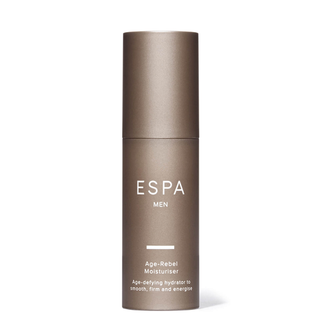
“An age-defying hydrator to deliver long-lasting moisture and deeply nourish, for smooth, supple and energised skin.”
This product can help improve hydration of the skin with the two types of ingredients.
The first type is called “humectants”:
these ingredients help attract water.
When humectants are on the surface of the skin, they “pull in” the moisture from the outside environment, or from
within deeper layers of the skin. The following ingredients in this product do the job:
glycerin, sodium hyaluronate.
This product also contains ingredients called “occlusives”. They help reduce the speed with which our skin loses moisture to the outside environment. These ingredients also help soften the upper layer of the skin, so it feels less tight and nicer to the touch. The following ingredients in this product do the job: caprylic/capric triglyceride, helianthus annuus seed oil.
The following ingredients in this product are especially good for supporting the skin barrier and helping with the hydration level: decapeptide-1
Anti-agingDecapeptide-1, Beta-glucan + 3 moreModerate evidence
“An age-defying hydrator to deliver long-lasting moisture and deeply nourish, for smooth, supple and energised skin.”
This product contains decapeptide-1. This ingredient might be able to help reduce and prevent fine lines and wrinkles, improve skin elasticity and firmness, but there is not enough evidence that it actually works.
Can it cause trouble?
Irritancy21 strong irritants: Limonene, Citrus aurantium bergamia fruit oil + 19 more — patch-test recommendedHigh risk
Comedogenic6 ingredients rated 2 or more on the 0–5 pore-clogging scale6 flagged

User reviews
Be the first — your take helps the next person decide.
Ingredients
Filter by role to see what each ingredient is doing.
Water~45–55%
Oenothera biennis oil~4.1–5%
- Irritation risk
- Medium
Helps soften the upper layer of the skin and can support skin barrier function
More about Oenothera biennis oilSqualane~4.2–5.2%
- Irritation risk
- Low
An oil naturally present in skin. Works as an emollient to soften the skin and form a protective layer on its surface without a greasy feeling.
More about SqualaneCetearyl alcohol~2.5–3.1%
- Irritation risk
- Low
- Comedogenicity
- 2/5
A non-drying alcohol. Works as an emollient. Helps water and oil mix together and creates a nice product texture
More about Cetearyl alcoholGlycerin~2.4–2.9%
- Irritation risk
- Low
One of the best moisturizing ingredients. Naturally present in skin. It attracts water to the upper layer of the skin working as a humectant
More about GlycerinHydrogenated ethylhexyl olivate~1.9–2.3%
- Irritation risk
- Low
Helps soften the upper layer of the skin
More about Hydrogenated ethylhexyl olivateGlyceryl stearate~1.6–2%
- Irritation risk
- Low
An emollient that softens the skin and forms a protective layer on its surface. Helps water and oil mix together
More about Glyceryl stearateRosa canina fruit oil~1.4–1.8%
- Irritation risk
- Medium
A great emollient. Contains vitamin E (tocopherol) which may give it some anti-oxidant properties. Can contain volatile compounds and can be irritating
More about Rosa canina fruit oilCaprylic/capric triglyceride~1.2–1.5%
- Irritation risk
- Medium
A good mix of fatty acids that forms a protective layer on the skin. Improves the shelf life of products. Derived from coconut and glycerin
More about Caprylic/capric triglycerideHydrogenated olive oil unsaponifiables~0.95–1.2%
- Irritation risk
- Low
Help soften the upper layer of the skin
More about Hydrogenated olive oil unsaponifiablesLactobacillus/portulaca oleracea ferment extract~0.65–1%
- Irritation risk
- Low
Obtained from fermenting a plant extract with bacteria Lactobacillus. The resulting compound might be able to calm down inflammation and have some anti-oxidant properties, but solid evidence is missing
More about Lactobacillus/portulaca oleracea ferment extractSodium stearoyl lactylate~0.6–0.9%
- Irritation risk
- Medium
Helps oil and water mix together
More about Sodium stearoyl lactylateLactobacillus/cocoa fruit ferment filtrate~0.5–0.8%
- Irritation risk
- Low
Phenoxyethanol~0.5–0.75%
- Irritation risk
- Low
A preservative. It helps prevent bacterial growth in cosmetic products
More about PhenoxyethanolBeta-glucan~0.45–0.7%
- Irritation risk
- Low
Helps attract water to the upper layer of the skin, calm down inflammation and irritation, restore the barrier function and support wound healing. It can be helpful in reducing fine lines and wrinkles
More about Beta-glucanBenzyl alcohol~0.45–0.65%
- Irritation risk
- High
A preservative. Can be used to mask unpleasant smell. Can be irritating
More about Benzyl alcoholEuterpe oleracea fruit oil~0.45–0.65%
- Irritation risk
- Medium
A plant oil that might help neutralize free radicals, but evidence of effectiveness in skin is lacking
More about Euterpe oleracea fruit oilInulin lauryl carbamate~0.4–0.65%
Sorbitol~0.35–0.65%
- Irritation risk
- Low
Helps attract water to the upper layer of the skin and improves the product texture
More about SorbitolButylene glycol~0.3–0.6%
- Irritation risk
- Low
Used to create a nice product texture and help delivery of other ingredients. Might be somewhat helpful in attracting water to the upper layer of the skin
More about Butylene glycolChitin~0.45–0.65%
- Irritation risk
- Low
Sodium pca~0.3–0.55%
- Irritation risk
- Low
Naturally present in skin and helps to attract water to its upper layer
More about Sodium pcaGlycine soja oil~0.3–0.55%
- Irritation risk
- Medium
- Comedogenicity
- 2/5
A good emollient that helps soften the skin and helps repair its barrier function. It can clog pores if used in high concentrations.
More about Glycine soja oilGlycine soja sterols~0.3–0.6%
- Irritation risk
- Low
An emollient that helps soften the skin
More about Glycine soja sterolsTocopherol~0.3–0.55%
- Irritation risk
- Low
Pure form of vitamin E. Can help moisturise and protect the skin from free radicals. Often used to help stabilise other ingredients or the formula itself
More about TocopherolSclerotium gum~0.25–0.5%
- Irritation risk
- Low
Used to create gel-like formulas and stabilize emulsions
More about Sclerotium gumLimonene~0.25–0.5%
- Irritation risk
- High
A common frangrance that can easily irritate skin, especially if exposed to air, light or heat
More about LimoneneDecapeptide-1~0.25–0.5%
- Irritation risk
- Low
A type of peptide. Peptides are excellent moisturizers and might be able support collagen production reducing fine lines and wrinkles
More about Decapeptide-1Citrus aurantium bergamia fruit oil~0.25–0.5%
- Irritation risk
- High
A plant oil with a high content of volatile compounds that can irritate the skin and lead to allergic reactions. Can lead to photosensitivity
More about Citrus aurantium bergamia fruit oilHexyl laurate~0.3–0.55%
- Irritation risk
- Medium
Helps soften the upper layer of the skin and create a nice product consistency
More about Hexyl laurateHelianthus annuus seed oil~0.35–0.65%
- Irritation risk
- Low
A great emollient due to its high linoleic acid content. One of the most effective plant oils in helping skin hydration and repairing skin barrier function
More about Helianthus annuus seed oilSodium lactate~0.3–0.6%
- Irritation risk
- Medium
Helps attract water to the upper layer of the skin. Is often used to adjust the pH level of the product
More about Sodium lactateLinalool~0.3–0.55%
Citrus aurantium amara leaf/twig oil~0.3–0.6%
- Irritation risk
- High
Citrus limon peel oil~0.3–0.55%
Lavandula angustifolia oil~0.3–0.55%
- Irritation risk
- High
An essential oil. Potential allergen and can be irritating. It has some anti-bacterial properties
More about Lavandula angustifolia oilAloe barbadensis leaf juice~0.3–0.6%
- Irritation risk
- Medium
Traditionally used to treat sunburns, dermatitis and inflammation, but evidence for its effectiveness is lacking. The extract can contain humectants that help attract water into the skin
More about Aloe barbadensis leaf juiceAvena strigosa seed extract~0.3–0.55%
- Irritation risk
- Low
Benzoic acid~0.25–0.5%
Persea gratissima oil~0.4–0.6%
- Irritation risk
- Medium
An emollient that helps soften the skin and could be helpful in repairing its barrier function
More about Persea gratissima oilCitrus nobilis peel oil~0.3–0.55%
- Irritation risk
- High
A plant oil with high content of volatile compounds that, especially when exposed to air, can cause allergic reactions and irritate the skin
More about Citrus nobilis peel oilCoriandrum sativum fruit oil~0.3–0.55%
- Irritation risk
- High
A plant oil that is used as a fragrance. Can be irritating
More about Coriandrum sativum fruit oilPogostemon cablin leaf oil~0.35–0.6%
Dehydroacetic acid~0.3–0.6%
Crithmum maritimum extract~0.3–0.55%
- Irritation risk
- Low
- Comedogenicity
- 3/5
An algae extract that might have anti-oxidant properties
More about Crithmum maritimum extractLecithin~0.4–0.6%
- Irritation risk
- Low
Used mostly for creating emulsions - helping oil and water mix together. Helps soften the upper layer of the skin
More about LecithinChlorella vulgaris extract~0.3–0.55%
- Irritation risk
- Medium
- Comedogenicity
- 3/5
A plant extract that can help to attract water to the upper layer of the skin and might have some anti-oxidant and anti-inflammatory properties
More about Chlorella vulgaris extractLeuconostoc/radish root ferment filtrate~0.3–0.6%
- Irritation risk
- Medium
A preservative that comes from radishes fermented by a bacteria. New research suggests that the preservation properties in the ingredient come from an ammonium salt that is not present naturally in radish root but used in its cultivation. Is problematic because the exact amount of the preservative agents is difficult to determine
More about Leuconostoc/radish root ferment filtrateSodium hyaluronate~0.3–0.6%
- Irritation risk
- Low
One of the best moisturizing ingredients. Attracts water into the upper layer of the skin
More about Sodium hyaluronateCedrus atlantica bark oil~0.3–0.55%
- Irritation risk
- Low
Citrus aurantifolia oil~0.35–0.6%
- Irritation risk
- High
Lavandula angustifolia flower extract~0.4–0.65%
- Irritation risk
- High
Essential oil that can be irritating
More about Lavandula angustifolia flower extractMyrocarpus fastigiatus oil~0.3–0.6%
- Irritation risk
- Low
Phytic acid~0.3–0.6%
- Irritation risk
- Medium
An alpha-hydroxy acid (AHA), but is mostly used to stabilize product formulations in cosmetics
More about Phytic acidRosmarinus officinalis leaf oil~0.3–0.55%
- Irritation risk
- High
A plant oil with high content of volatile compounds that can irritate the skin. Can be used as a fragrance. Has anti-bacterial properties and might help neutralize free radicals on the surface of the skin
More about Rosmarinus officinalis leaf oilZingiber officinale root oil~0.25–0.5%
- Irritation risk
- High
An essential oil that is likely to be irritating and can cause photosensitivity
More about Zingiber officinale root oilCodium tomentosum extract~0.3–0.6%
- Irritation risk
- Low
Ethylhexylglycerin~0.3–0.6%
Caprylyl glycol~0.35–0.65%
- Irritation risk
- Medium
Helps preserve products and creates a nice product texture
More about Caprylyl glycolLaminaria ochroleuca extract~0.3–0.55%
- Irritation risk
- Low
- Comedogenicity
- 3/5
Helps attract water to the upper layer of the skin
More about Laminaria ochroleuca extractPotassium sorbate~0.35–0.6%
Hydrogenated palm glycerides citrate~0.35–0.65%
- Irritation risk
- Low
Helps soften the upper layer of the skin
More about Hydrogenated palm glycerides citrateCitral~0.3–0.55%
Geraniol~0.3–0.55%
Cistus ladaniferus resin~0.3–0.6%
- Irritation risk
- Low
Artemisia dracunculus oil~0.3–0.5%
- Irritation risk
- Low
Cupressus sempervirens leaf oil~0.3–0.5%
- Irritation risk
- Low
Elettaria cardamomum seed oil~0.25–0.5%
- Irritation risk
- Low
Ferula galbaniflua resin oil~0.25–0.45%
- Irritation risk
- Low
Jasminum officinale flower extract~0.25–0.5%
Myristica fragrans kernel oil~0.25–0.5%
Ocimum basilicum oil~0.25–0.45%
Rosa damascena flower oil~0.25–0.45%
- Irritation risk
- High
Used as a fragrance. Can be irritating
More about Rosa damascena flower oilSantalum album oil~0.2–0.4%
Citric acid~0.2–0.35%
- Irritation risk
- Medium
Can work as an exfoliant but is typically used to adjust the product pH
More about Citric acidFarnesol~0.15–0.25%
Ascorbyl palmitate~0.15–0.25%
- Irritation risk
- Medium
Being a lipid soluble form of vitamin C, it is more stable and can penetrate the skin better than L-Ascorbic acid. It is effective in protecting the skin from free radicals, as well as evening the skin tone, but is less effective in stimulating collagen production compared to L-Ascorbic acid.
More about Ascorbyl palmitateCupressus sempervirens oil~0.15–0.25%
- Irritation risk
- Low
Dipteryx odorata seed extract~0.15–0.25%
- Irritation risk
- Low
Fucus vesiculosus extract~0.15–0.25%
- Irritation risk
- Low
- Comedogenicity
- 3/5
Vetiveria zizanoides root oil~0.05–0.1%
- Irritation risk
- Low
Ingredient list view
Water, Oenothera biennis oil, Squalane, Cetearyl alcohol, Glycerin, Hydrogenated ethylhexyl olivate, Glyceryl stearate, Rosa canina fruit oil, Caprylic/capric triglyceride, Hydrogenated olive oil unsaponifiables, Lactobacillus/portulaca oleracea ferment extract, Sodium stearoyl lactylate, Lactobacillus/cocoa fruit ferment filtrate, Phenoxyethanol, Beta-glucan, Benzyl alcohol, Euterpe oleracea fruit oil, Inulin lauryl carbamate, Sorbitol, Butylene glycol, Chitin, Sodium pca, Glycine soja oil, Glycine soja sterols, Tocopherol, Sclerotium gum, Limonene, Decapeptide-1, Citrus aurantium bergamia fruit oil, Hexyl laurate, Helianthus annuus seed oil, Sodium lactate, Linalool, Citrus aurantium amara leaf/twig oil, Citrus limon peel oil, Lavandula angustifolia oil, Aloe barbadensis leaf juice, Avena strigosa seed extract, Benzoic acid, Persea gratissima oil, Citrus nobilis peel oil, Coriandrum sativum fruit oil, Pogostemon cablin leaf oil, Dehydroacetic acid, Crithmum maritimum extract, Lecithin, Chlorella vulgaris extract, Leuconostoc/radish root ferment filtrate, Sodium hyaluronate, Cedrus atlantica bark oil, Citrus aurantifolia oil, Lavandula angustifolia flower extract, Myrocarpus fastigiatus oil, Phytic acid, Rosmarinus officinalis leaf oil, Zingiber officinale root oil, Codium tomentosum extract, Ethylhexylglycerin, Caprylyl glycol, Laminaria ochroleuca extract, Potassium sorbate, Hydrogenated palm glycerides citrate, Citral, Geraniol, Cistus ladaniferus resin, Artemisia dracunculus oil, Cupressus sempervirens leaf oil, Elettaria cardamomum seed oil, Ferula galbaniflua resin oil, Jasminum officinale flower extract, Myristica fragrans kernel oil, Ocimum basilicum oil, Rosa damascena flower oil, Santalum album oil, Citric acid, Farnesol, Ascorbyl palmitate, Cupressus sempervirens oil, Dipteryx odorata seed extract, Fucus vesiculosus extract, Vetiveria zizanoides root oil
Compare prices
Retailers ranked by price — lowest first.
.png)

Worth comparing, line by line.
Match % combines shared ingredients, the first five ingredients, shared actives and hero ingredients, irritancy (lower counts in the alternative's favour), texture and body area. Only products in the same routine step are compared.
| ESPAAge-Rebel MoisturiserYOUR PRODUCT | Lumixyl Skin BrighteningLumixyl Brightening Cream | |
|---|---|---|
| Match | — | 55% |
| Price | $44.00 | $183.76+$139.76 |
| Shared key ingredients | — | 5 of 17 |
| Key difference | — | Panthenol |
| Irritancy | High | Low |
| Drying alcohol | — | — |
| View product | Shop |

Product summary
Judging from the ingredient list, "ESPA - Age-Rebel Moisturiser" works well for improving skin hydration The formulation is based on a combination of good humectants and emollients. Both are needed to increase the skin hydration level. Glycerin, sodium hyaluronate, sodium lactate, sodium pca and butylene glycol in this product (humectants) attract water molecules to the upper layer of the skin (the water comes from the outside air or from the deeper layers of the skin if the air is dry). Emollients in this formulation (glycine soja oil, glycine soja sterols, oenothera biennis oil, caprylic/capric triglyceride and helianthus annuus seed oil) help to reduce the moisture loss from the skin. They also soften the skin surface and relieve the feeling of dryness and tightness.
Ingredient callouts
- This moistruizer also contains peptides (decapeptide-1 0.25% - 0.50%). Peptides is a very big group of ingredients. They all consist of a different combination of amino-acids. Our skin produces peptides naturally. Some of them work as natural anti-biotics, promote wound-healing and production of collagen. The scientists are still studying how effective the topical application of peptides is, but it is very likely that peptides in skincare are helpful. They might be able to support skin barrier restoration and even have an anti-aging benefit. At the very least, they certainly help attract water to the skin and support the hydration in this way.
Irritation risk
This moisturizer contains a bunch of common irritants, including ingredients that do not provide any known benefit for the skin. It might not be the best choice if your skin is sensitive. We assess the overall irritancy of this moisturizer to be high. For a detailed overview of all potential irritants: click here
You can see the detailed formula review with the breakdown of all actives in the product and the full ingredient list with estimated concentrations in the tables below.
Price
The product retails from 44.00$ up to 93.00$ in the United States, from 44.00£ up to 54.92£ in the United Kingdom, for 118.00CA$ in Canada and for 77.00A$ in Australia.
For a detailed price comparison: click here.
Sources cited in this review
Every concentration estimate and effectiveness label is anchored to one of these 37 studies and safety reviews.
- 1
- 2
- 3β-Glucans: Multi-Functional Modulator of Wound Healingncbi.nlm.nih.gov
- 4
- 5
- 6

Affiliate links · As an Amazon Associate, WIMJ earns from qualifying purchases.