Works for:
based on ingredients and %- Moisturizing
- Anti-aging
- Anti-oxidation
Can it cause trouble?
- Irritation risk: high
- Comedogenic risk ingredients: 1
Key actives

Product Summary
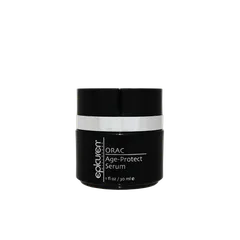
"Epicuren - ORAC Age-Protect Serum" is effective for: Moisturizing and Anti-oxidation
This product could be helpful for: Anti-aging, but its actives are not the most effective or are not well-studied.
Ingredient callouts
- Ceramides (ceramide 2 0.30% - 0.70%). Ceramides are a type of lipids that our skin produces itself. They are a building block of the skin's barrier. Ceramides used in skincare are synthetic or extracted from plants. They work well for softening the skin surface and "patch holes" in the skin's barrier.
- Panthenol (pro-vitamin B5) at about 0.40% - 0.90% concentration. In this concentration, Panthenol works effectively to improve the skin barrier and reduce inflammation.
- Humectants (trehalose 0.35% - 0.80%, trehalose 1.40% - 2.10%, panthenol 0.40% - 0.90% and panthenol 1.90% - 2.80%). These ingredients help attract water to the upper layer of the skin and improve the skin hydration.
Price
The product retails for 181.00$ in the United States.
For a detailed price comparison: click here.
Works for
Anti-oxidation
This product contains antioxidants (astaxanthin) that can help neutralize free radicals in skin. By doing so, they can lessen the damage the skin gets from the UV light (sun).
The following ingredients - camellia sinensis extract, haematococcus pluvialis extract, lycium barbarum fruit extract, vaccinium macrocarpon seed oil also can have an antioxidant effect, but there is less evidence to confirm their effectiveness in skin.
Helps neutralize free radicals in skin and might help to calm down inflammation
Tea extract. Might be helpful in neutralizing free radicals in skin
A plant oil that can help neutralize free radicals, soften the upper layer of the skin, and support skin's barrier function
Green algae extract that might contain antioxidant astaxanthin
A plant extract that can help neutralize free radicals in skin and attract water to its upper layer
Might help neutrlize free radicals, calm down inflammation, and attract water to the upper layer of the skin
An emollient that helps soften the skin. Might be somewhat helpful in evening the skin tone.
A plant extract that can be irritating. It might contain a compound anthocyanin that could be helpful in neutralizing free radicals
An essential oil. Can be irritating. Can become an allergen with oxidation
Can contain potent anti-oxidant compounds (abbreviated ECG, GCG, EGC, and EGCG) that might help protect the skin from free radicals. Can help calm down inflammation and has some anti-bacterial properties. Unfortunately, these antioxidants are unstable and lose their effectiveness very quickly in products. The concentration of the antioxidant compounds in the extract also tends to be low to be effective in topical formulation
Moisturizing
What does the product description say?
• Superior Antioxidants • Time-Release Hydration • Quench The Skin • Helps Visible Signs Of Aging
Source: Epicuren
This product can help improve hydration of the skin with the two types of ingredients.
The first type is called “humectants”:
these ingredients help attract water.
When humectants are on the surface of the skin, they “pull in” the moisture from the outside environment, or from
within deeper layers of the skin. The following ingredients in this product do the job:
trehalose, caprylyl glycol.
This product also contains ingredients called “occlusives”. They help reduce the speed with which our skin loses moisture to the outside environment. These ingredients also help soften the upper layer of the skin, so it feels less tight and nicer to the touch. The following ingredients in this product do the job: vaccinium macrocarpon seed oil, cetearyl alcohol.
The following ingredients in this product are especially good for supporting the skin barrier and helping with the hydration level: ceramide 2, panthenol
A type of lipid similar to ceramides naturally present in skin. Helps to soften the upper layer of the skin and supports the skin barrier function to keep it hydrated. Can help to prevent inflammation in skin
A sugar that attracts water to the upper layer of the skin
A plant oil that can help neutralize free radicals, soften the upper layer of the skin, and support skin's barrier function
Might help neutrlize free radicals, calm down inflammation, and attract water to the upper layer of the skin
Helps attract water to the upper layer of the skin and can help improve skin barrier function
A non-drying alcohol. Works as an emollient. Helps water and oil mix together and creates a nice product texture
A non-drying alcohol that works to soften the skin and stabilize product formulations helping oil and water mix together
An emollient that helps soften the skin. Might be somewhat helpful in evening the skin tone.
A plant extract that can help neutralize free radicals in skin and attract water to its upper layer
Can have some moisturizing properties due to its sugar content
Helps preserve products and creates a nice product texture
Softens the upper layer of skin and helps restore the healthy skin barrier. Has shown to help calm down inflammation in skin. It is a stable oil, meaning that it retains its properties even when exposed to air.
A good mix of fatty acids that forms a protective layer on the skin. Improves the shelf life of products. Derived from coconut and glycerin
Can contain potent anti-oxidant compounds (abbreviated ECG, GCG, EGC, and EGCG) that might help protect the skin from free radicals. Can help calm down inflammation and has some anti-bacterial properties. Unfortunately, these antioxidants are unstable and lose their effectiveness very quickly in products. The concentration of the antioxidant compounds in the extract also tends to be low to be effective in topical formulation
Anti-aging
What does the product description say?
Cutting-edge antioxidants are combined with skin-rescuing technologies to help soften the visible signs of aging , keeping your skin looking youthful.
Source: Epicuren
This product contains astaxanthin. This ingredient might be able to help reduce and prevent fine lines and wrinkles, improve skin elasticity and firmness, but there is not enough evidence that it actually works.
Helps neutralize free radicals in skin and might help to calm down inflammation
An emollient that helps soften the skin. Might be somewhat helpful in evening the skin tone.
A plant extract that can help neutralize free radicals in skin and attract water to its upper layer
Can contain potent anti-oxidant compounds (abbreviated ECG, GCG, EGC, and EGCG) that might help protect the skin from free radicals. Can help calm down inflammation and has some anti-bacterial properties. Unfortunately, these antioxidants are unstable and lose their effectiveness very quickly in products. The concentration of the antioxidant compounds in the extract also tends to be low to be effective in topical formulation
How honest is this product?
| Promise | Can it deliver? |
|---|---|
| Moisturizing | |
| Anti-aging |
Total Promises Fulfilled score: 87/100.
We receive a small commission for purchases made through these links at no cost for you. Thank you for your support! Learn more
Potential irritants
Comedogenic ingredients
User reviews (0)
Averages from community submissions.
No reviews yet for this product.
Be the first to share your experience!
Tried this product?
Help capture what the ingredient list can't—texture, finish, pilling, scent, and more. Answer what you can, skip the rest.
Takes ~30 seconds.
Reviews are shown in aggregate. No personal details.
Key Actives
Can contain potent anti-oxidant compounds (abbreviated ECG, GCG, EGC, and EGCG) that might help protect the skin from free radicals. Can help calm down inflammation and has some anti-bacterial properties. Unfortunately, these antioxidants are unstable and lose their effectiveness very quickly in products. The concentration of the antioxidant compounds in the extract also tends to be low to be effective in topical formulation
A plant extract that can help neutralize free radicals in skin and attract water to its upper layer
A plant extract that can help neutralize free radicals in skin and attract water to its upper layer
Helps neutralize free radicals in skin and might help to calm down inflammation
Might help neutrlize free radicals, calm down inflammation, and attract water to the upper layer of the skin
Helps attract water to the upper layer of the skin and can help improve skin barrier function
Helps attract water to the upper layer of the skin and can help improve skin barrier function
Might help neutrlize free radicals, calm down inflammation, and attract water to the upper layer of the skin
Helps neutralize free radicals in skin and might help to calm down inflammation
A plant oil that can help neutralize free radicals, soften the upper layer of the skin, and support skin's barrier function
A type of lipid similar to ceramides naturally present in skin. Helps to soften the upper layer of the skin and supports the skin barrier function to keep it hydrated. Can help to prevent inflammation in skin
Tea extract. Might be helpful in neutralizing free radicals in skin
A sugar that attracts water to the upper layer of the skin
Softens the upper layer of skin and helps restore the healthy skin barrier. Has shown to help calm down inflammation in skin. It is a stable oil, meaning that it retains its properties even when exposed to air.
A sugar that attracts water to the upper layer of the skin
A good mix of fatty acids that forms a protective layer on the skin. Improves the shelf life of products. Derived from coconut and glycerin
Green algae extract that might contain antioxidant astaxanthin
Potential irritants
Oil of a very fragrant pink rose used as fragrance in cosmetics. Extensive research has shown it has mixed benefits. In the pro column, inhaling this flower’s scent seems to have relaxing properties and the plant’s petals contain skin-soothing and antioxidant compounds that can benefit skin. On the flipside, the numerous chemicals that create this rose’s distinctive fragrance pose a risk of causing skin aggravation.
Used as a cleansing agent (surfactant) in cleansers. Helps water and oil mix together in lotions. Can be irritating
A plant extract that can be irritating. It might contain a compound anthocyanin that could be helpful in neutralizing free radicals
An essential oil. Can be irritating. Can become an allergen with oxidation
An essential oil. Used as a fragrance. Can be irritating and sensitizing
An essential oil with a lemon-like smell that is extracted from a fruit grown in Asia. Used as a fragrance
Can be drying and contribute to skin irritation. Used in formulars to dissolve other ingredients, create a thinner product consistency or for its antibacterial properties
A common frangrance that can easily irritate skin, especially if exposed to air, light or heat
Fragrance with sweet balsamic smell. Help to preserve products and dissolve other ingredients. Could trigger allergic reactions and be irritating
Helps neutralize free radicals in skin and might help to calm down inflammation
A plant extract that can help neutralize free radicals in skin and attract water to its upper layer
Softens the upper layer of skin and helps restore the healthy skin barrier. Has shown to help calm down inflammation in skin. It is a stable oil, meaning that it retains its properties even when exposed to air.
An emollient that helps soften the skin. Might be somewhat helpful in evening the skin tone.
A good mix of fatty acids that forms a protective layer on the skin. Improves the shelf life of products. Derived from coconut and glycerin
Can have some moisturizing properties due to its sugar content
Green algae extract that might contain antioxidant astaxanthin
A plant oil that can help neutralize free radicals, soften the upper layer of the skin, and support skin's barrier function
Helps preserve products and creates a nice product texture
Comedogenic ingredients
A non-drying alcohol. Works as an emollient. Helps water and oil mix together and creates a nice product texture
All ingredients
Helps neutralize free radicals in skin and might help to calm down inflammation
A plant extract that can help neutralize free radicals in skin and attract water to its upper layer
Tea extract. Might be helpful in neutralizing free radicals in skin
Might help neutrlize free radicals, calm down inflammation, and attract water to the upper layer of the skin
Oil of a very fragrant pink rose used as fragrance in cosmetics. Extensive research has shown it has mixed benefits. In the pro column, inhaling this flower’s scent seems to have relaxing properties and the plant’s petals contain skin-soothing and antioxidant compounds that can benefit skin. On the flipside, the numerous chemicals that create this rose’s distinctive fragrance pose a risk of causing skin aggravation.
Helps attract water to the upper layer of the skin and can help improve skin barrier function
Oil of a very fragrant pink rose used as fragrance in cosmetics. Extensive research has shown it has mixed benefits. In the pro column, inhaling this flower’s scent seems to have relaxing properties and the plant’s petals contain skin-soothing and antioxidant compounds that can benefit skin. On the flipside, the numerous chemicals that create this rose’s distinctive fragrance pose a risk of causing skin aggravation.
Softens the upper layer of skin and helps restore the healthy skin barrier. Has shown to help calm down inflammation in skin. It is a stable oil, meaning that it retains its properties even when exposed to air.
Helps attract water to the upper layer of the skin and can help improve skin barrier function
A non-drying alcohol. Works as an emollient. Helps water and oil mix together and creates a nice product texture
A non-drying alcohol that works to soften the skin and stabilize product formulations helping oil and water mix together
An emollient that helps soften the skin. Might be somewhat helpful in evening the skin tone.
A good mix of fatty acids that forms a protective layer on the skin. Improves the shelf life of products. Derived from coconut and glycerin
Used as a cleansing agent (surfactant) in cleansers. Helps water and oil mix together in lotions. Can be irritating
Might help neutrlize free radicals, calm down inflammation, and attract water to the upper layer of the skin
A plant extract that can be irritating. It might contain a compound anthocyanin that could be helpful in neutralizing free radicals
Can have some moisturizing properties due to its sugar content
Can contain potent anti-oxidant compounds (abbreviated ECG, GCG, EGC, and EGCG) that might help protect the skin from free radicals. Can help calm down inflammation and has some anti-bacterial properties. Unfortunately, these antioxidants are unstable and lose their effectiveness very quickly in products. The concentration of the antioxidant compounds in the extract also tends to be low to be effective in topical formulation
A plant extract that can help neutralize free radicals in skin and attract water to its upper layer
Helps neutralize free radicals in skin and might help to calm down inflammation
Oil of a very fragrant pink rose used as fragrance in cosmetics. Extensive research has shown it has mixed benefits. In the pro column, inhaling this flower’s scent seems to have relaxing properties and the plant’s petals contain skin-soothing and antioxidant compounds that can benefit skin. On the flipside, the numerous chemicals that create this rose’s distinctive fragrance pose a risk of causing skin aggravation.
Green algae extract that might contain antioxidant astaxanthin
A type of lipid similar to ceramides naturally present in skin. Helps to soften the upper layer of the skin and supports the skin barrier function to keep it hydrated. Can help to prevent inflammation in skin
Helps to retain moisture by creating a protective barrier on the skin. Rich in fatty acids. Improves product texture and helps with the penetration of other ingredients.
A plant oil that can help neutralize free radicals, soften the upper layer of the skin, and support skin's barrier function
Helps create thicker product formulations and stabilize emulsions
A preservative. It helps prevent bacterial growth in cosmetic products
Acts as a solvent for other ingredients. Speeds up the absorption of other ingredients into the skin
An essential oil. Can be irritating. Can become an allergen with oxidation
An essential oil. Used as a fragrance. Can be irritating and sensitizing
An essential oil with a lemon-like smell that is extracted from a fruit grown in Asia. Used as a fragrance
Can be drying and contribute to skin irritation. Used in formulars to dissolve other ingredients, create a thinner product consistency or for its antibacterial properties
Helps preserve products and creates a nice product texture
A common frangrance that can easily irritate skin, especially if exposed to air, light or heat
Fragrance with sweet balsamic smell. Help to preserve products and dissolve other ingredients. Could trigger allergic reactions and be irritating
Ingredient list view
Astaxanthin, Lycium barbarum fruit extract, Camellia sinensis extract, Sea whip extract, Rosa damascena extract, Panthenol, Trehalose, Glass, Rosa damascena extract, Water, Unknown, Sunflower seed oil glycerides, Simmondsia chinensis seed oil, Panthenol, Cetearyl alcohol, Trehalose, Cetyl alcohol, Glycine soja seed extract, Caprylic/capric triglyceride, Coco-glucoside, Sea whip extract, Hibiscus sabdariffa flower extract, Ferula assa foetida root extract, Pyrus communis fruit extract, Camellia sinensis leaf extract, Tasmannia lanceolata fruit extract, Syzygium luehmannii fruit extract, Kunzea pomifera fruit extract, Salicornia herbacea extract, Lycium barbarum fruit extract, Tremella fuciformis polysaccharide, Astaxanthin, Rosa damascena extract, Haematococcus pluvialis extract, Ceramide 2, Hydrogenated lecithin, Vaccinium macrocarpon seed oil, Xanthan gum, Dehydroxanthan gum, Phenoxyethanol, Propanediol, Ethylhexylglycerin, Cananga odorata flower oil, Pelargonium graveolens flower oil, Eugenia caryophyllus leaf oil, Litsea cubeba fruit oil, Citrus paradisi peel oil, Mentha piperita oil, Alcohol, Caprylyl glycol, Potassium sorbate, Sodium benzoate, Limonene, Eugenol, Citral, Citronellol, Linalool, Geraniol, Benzyl benzoate, Benzyl salicylate
- Astaxanthin, canthaxanthin and b-carotene differently affect UVA-induced oxidative damage and expression of oxidative stress-responsive enzymes
- Astaxanthin attenuates the UVA-induced up-regulation of matrixmetalloproteinase-1 and skin fibroblast elastase in human dermal fibroblasts
- Protective Effects of Topical Application of a Poorly Soluble Antioxidant Astaxanthin Liposomal Formulation on Ultraviolet-Induced Skin Damage
- Water-soluble polysaccharide from dried Lycium barbarum fruits: Isolation, structural features and antioxidant activity
- Lycium barbarum polysaccharide protects human keratinocytes against UVB-induced photo-damage
- Lycium Barbarum and Human Health
- Marine ingredients and the skin
- Skin moisturizing effects of panthenol-based formulations
- Safety Assessment of Panthenol, Pantothenic Acid, and Derivatives as Used in Cosmetics
- In Vitro Assessment of Skin Irritation Potential of Surfactant-based Formulations by Using a 3-D Skin Reconstructed Tissue Model and Cytokine Response
- Allergen of the Year—Alkyl Glucoside
- Anthocyanin-rich extract from Hibiscus sabdariffa calyx counteracts UVC-caused impairments in rats
- Hibiscus sabdariffa L. – A phytochemical and pharmacological review
- Liposome-containing Hibiscus sabdariffa calyx extract formulations with increased antioxidant activity, improved dermal penetration and reduced dermal toxicity
- Effective Inhibition of Skin Cancer, Tyrosinase, and Antioxidative Properties by Astaxanthin and Astaxanthin Esters from the Green Alga Haematococcus pluvialis
- Preliminary Clinical Evaluation of Toxicity and Efficacy of A New Astaxanthin-rich Haematococcus pluvialis Extract
- Astaxanthin in Skin Health, Repair, and Disease: A Comprehensive Review
- Topically Applied Ceramides Interact with the Stratum Corneum Lipid Matrix in Compromised Ex Vivo Skin
- Wound‐healing Properties of the Oils of Vitis vinifera and Vaccinium macrocarpon
- BERRY SEEDS: A SOURCE OF SPECIALTY OILS WITH HIGH CONTENT OF BIOACTIVES AND NUTRITIONAL VALUE
- Fragrance Compound Geraniol Forms Contact Allergens on Air Exposure. Identification and Quantification of Oxidation Products and Effect on Skin Sensitization
- Ethnopharmacological Properties and Medicinal Uses of Litsea cubeba
- Annex I: Clinical evidence regarding sensitisation to individual fragrance chemicals and to natural extracts