Works for:
based on ingredients and %- Cleansing
Can it cause trouble?
- Irritation risk: high
- Comedogenic risk ingredients: 14
Key actives

Works for
Cleansing
What does the product description say?
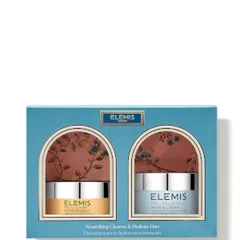
Nourishing Cleanse and Hydrate Duo
Source: From product name
This product works by removing dirt and oil from the surface of the skin. It uses a combination of mild cleansing agents (cetyl alcohol, glyceryl stearate se, polysorbate 20, potassium cetyl phosphate, sorbitan isostearate, sorbitan oleate, tin, xanthan gum) and should be able to cleanse the skin gently. Still keep in mind that any cleansing can disrupt the skin barrier, and most people do not need to cleanse their skin more than once per day.
Used to create a thicker product consistency
Used to stabilize the product formulations and works as an emollient
Helps oil and water mix together
Helps oil and water mix together
Helps oil and water mix together
Helps oil and water mix together
A non-drying alcohol that works to soften the skin and stabilize product formulations helping oil and water mix together
Helps oil and water mix together and works as an emollient
How honest is this product?
| Promise | Can it deliver? |
|---|---|
| Cleansing |
Total Promises Fulfilled score: 100/100.
We receive a small commission for purchases made through these links at no cost for you. Thank you for your support! Learn more
Potential irritants
Comedogenic ingredients
User reviews (0)
Averages from community submissions.
No reviews yet for this product.
Be the first to share your experience!
Tried this product?
Help capture what the ingredient list can't—texture, finish, pilling, scent, and more. Answer what you can, skip the rest.
Takes ~30 seconds.
Reviews are shown in aggregate. No personal details.
Key Actives
Pure form of vitamin E. Can help moisturise and protect the skin from free radicals. Often used to help stabilise other ingredients or the formula itself
A plant extract that might help neutralize free radicals and reduce inflammation in skin. It can be irritating
Pure form of vitamin E. Can help moisturise and protect the skin from free radicals. Often used to help stabilise other ingredients or the formula itself
A great moisturising ingredient that softens the skin and reduces water loss from its upper layer. It also can be helpful in protecting skin from free radicals
A great moisturising ingredient that softens the skin and reduces water loss from its upper layer. It also can be helpful in protecting skin from free radicals
Used to stabilize the product formulations and works as an emollient
A silicone that helps to reduce water loss from the surface of the skin. Can temporarily "fill in" lines and wrinkles, absorb oil, and create a nice product finish
A non-drying alcohol that works to soften the skin and stabilize product formulations helping oil and water mix together
Helps oil and water mix together and works as an emollient
A good emoillient. Contains vitamin E which can help neutralise free radicals, however the oil is unstable. Avoid if you have gluten or wheat sensitivity (including food allergies).
Used to stabilize the product formulations and works as an emollient
A non-drying alcohol that works to soften the skin and stabilize product formulations helping oil and water mix together
A type of peptide. Peptides are excellent moisturizers and might be able support collagen production reducing fine lines and wrinkles
One of the best moisturizing ingredients. Naturally present in skin. It attracts water to the upper layer of the skin working as a humectant
A good mix of fatty acids that forms a protective layer on the skin. Improves the shelf life of products. Derived from coconut and glycerin
Used to create a thicker product consistency
Helps attract water to the upper layer of the skin and provide a longer-lasting hydration. Can create a thicker product consistency
Help attract water to the upper layer of the skin, soften it and support the skin barrier function
One of the best moisturizing ingredients. Naturally present in skin. It attracts water to the upper layer of the skin working as a humectant
Used to create a gel-like product texture, as well as to stabilize emulsions
Helps oil and water mix together
Softens the upper layer of skin and helps restore the healthy skin barrier. Has shown to help calm down inflammation in skin. It is a stable oil, meaning that it retains its properties even when exposed to air.
An emollient that helps soften the skin and could be helpful in repairing its barrier function
Lipids that work as an emollient and can be helpful in repairing skin barrier function
Helps attract water to the upper layer of the skin and provide a longer-lasting hydration. Can create a thicker product consistency
Help attract water to the upper layer of the skin, soften it and support the skin barrier function
Helps to attract water to the upper layer of the skin
Helps oil and water mix together
Potential irritants
An aromatic blend of unspecified and possibly irritating ingredients
A plant extract that might help neutralize free radicals and reduce inflammation in skin. It can be irritating
A common frangrance that can easily irritate skin, especially if exposed to air, light or heat
An aromatic blend of unspecified and possibly irritating ingredients
A common frangrance that can easily irritate skin, especially if exposed to air, light or heat
A good mix of fatty acids that forms a protective layer on the skin. Improves the shelf life of products. Derived from coconut and glycerin
A more stable but less bio-available form of vitamin E compared to Tocopherol. Might help moisturize and protect the skin from free radicals, but mostly used in low concentrations to stabilize other ingredients.
An emollient that softens skin and creates a nice product texture
A plant extract that can help to attract water to the upper layer of the skin and might have some anti-oxidant and anti-inflammatory properties
Helps attract water to the upper layer of the skin and provide a longer-lasting hydration. Can create a thicker product consistency
A preservative that comes from radishes fermented by a bacteria. New research suggests that the preservation properties in the ingredient come from an ammonium salt that is not present naturally in radish root but used in its cultivation. Is problematic because the exact amount of the preservative agents is difficult to determine
Can work as an exfoliant but is typically used to adjust the product pH
Softens the upper layer of skin and helps restore the healthy skin barrier. Has shown to help calm down inflammation in skin. It is a stable oil, meaning that it retains its properties even when exposed to air.
An emollient that helps soften the skin and could be helpful in repairing its barrier function
Lipids that work as an emollient and can be helpful in repairing skin barrier function
Helps attract water to the upper layer of the skin and provide a longer-lasting hydration. Can create a thicker product consistency
An emollient that helps soften the skin but is not effective for restoring its barrier function. Might be helpful to calm down inflammation
A preservative that comes from radishes fermented by a bacteria. New research suggests that the preservation properties in the ingredient come from an ammonium salt that is not present naturally in radish root but used in its cultivation. Is problematic because the exact amount of the preservative agents is difficult to determine
Can work as an exfoliant but is typically used to adjust the product pH
A more stable but less bio-available form of vitamin E compared to Tocopherol. Might help moisturize and protect the skin from free radicals, but mostly used in low concentrations to stabilize other ingredients.
Being a lipid soluble form of vitamin C, it is more stable and can penetrate the skin better than L-Ascorbic acid. It is effective in protecting the skin from free radicals, as well as evening the skin tone, but is less effective in stimulating collagen production compared to L-Ascorbic acid.
Comedogenic ingredients
Used to stabilize the product formulations and works as an emollient
A great moisturising ingredient that softens the skin and reduces water loss from its upper layer. It also can be helpful in protecting skin from free radicals
A good emoillient. Contains vitamin E which can help neutralise free radicals, however the oil is unstable. Avoid if you have gluten or wheat sensitivity (including food allergies).
A plant extract that can help to attract water to the upper layer of the skin and might have some anti-oxidant and anti-inflammatory properties
Might help to soften the upper layer of the skin. Is claimed to have anti-oxidant properties, but evidence in missing
A red algae extract. Can help attract water to the upper layer of the skin and might have an antioxidant effect
Used to stabilize the product formulations and works as an emollient
An emollient that helps soften the skin and create a nice product texture
A great moisturising ingredient that softens the skin and reduces water loss from its upper layer. It also can be helpful in protecting skin from free radicals
Seaweed extract that helps the skin to attract water and make it more smooth for touch. Also shows promise of anti-aging properties, but good research is lacking at the moment
Might help to soften the upper layer of the skin. Is claimed to have anti-oxidant properties, but evidence in missing
A mineral-rich extract from red algae. Might be able to help attract water to the upper layer of the skin
All ingredients
One of the best moisturizing ingredients. Naturally present in skin. It attracts water to the upper layer of the skin working as a humectant
A good mix of fatty acids that forms a protective layer on the skin. Improves the shelf life of products. Derived from coconut and glycerin
Used to stabilize the product formulations and works as an emollient
Forms a protective film on the surface of the skin to prevent moisture loss. Gives a velvety feel to products while reducing tackiness
Helps products spread more easily and works as an emollient to soften skin
A silicone that helps to reduce water loss from the surface of the skin. Can temporarily "fill in" lines and wrinkles, absorb oil, and create a nice product finish
A preservative. It helps prevent bacterial growth in cosmetic products
Used to create a thicker product consistency and stabilize the product formulation
A non-drying alcohol that works to soften the skin and stabilize product formulations helping oil and water mix together
A more stable but less bio-available form of vitamin E compared to Tocopherol. Might help moisturize and protect the skin from free radicals, but mostly used in low concentrations to stabilize other ingredients.
An emollient that softens skin and creates a nice product texture
An aromatic blend of unspecified and possibly irritating ingredients
Pure form of vitamin E. Can help moisturise and protect the skin from free radicals. Often used to help stabilise other ingredients or the formula itself
A great moisturising ingredient that softens the skin and reduces water loss from its upper layer. It also can be helpful in protecting skin from free radicals
A good emoillient. Contains vitamin E which can help neutralise free radicals, however the oil is unstable. Avoid if you have gluten or wheat sensitivity (including food allergies).
A plant extract that can help to attract water to the upper layer of the skin and might have some anti-oxidant and anti-inflammatory properties
Helps to create a nice product texture and spread the product more easily on the skin
Carrot extract. Might have anti-oxidant properties and be used to add orange color
Helps attract water to the upper layer of the skin and provide a longer-lasting hydration. Can create a thicker product consistency
Might help to soften the upper layer of the skin. Is claimed to have anti-oxidant properties, but evidence in missing
A plant extract that might help neutralize free radicals and reduce inflammation in skin. It can be irritating
A red algae extract. Can help attract water to the upper layer of the skin and might have an antioxidant effect
Help attract water to the upper layer of the skin, soften it and support the skin barrier function
A preservative that comes from radishes fermented by a bacteria. New research suggests that the preservation properties in the ingredient come from an ammonium salt that is not present naturally in radish root but used in its cultivation. Is problematic because the exact amount of the preservative agents is difficult to determine
A common frangrance that can easily irritate skin, especially if exposed to air, light or heat
Can work as an exfoliant but is typically used to adjust the product pH
Used to stabilize the product formulations and works as an emollient
One of the best moisturizing ingredients. Naturally present in skin. It attracts water to the upper layer of the skin working as a humectant
Forms a protective film on the surface of the skin to prevent moisture loss. Gives a velvety feel to products while reducing tackiness
An emollient that helps soften the skin and create a nice product texture
A great moisturising ingredient that softens the skin and reduces water loss from its upper layer. It also can be helpful in protecting skin from free radicals
A non-drying alcohol that works to soften the skin and stabilize product formulations helping oil and water mix together
A preservative. It helps prevent bacterial growth in cosmetic products
Used to create a gel-like product texture, as well as to stabilize emulsions
Softens the upper layer of skin and helps restore the healthy skin barrier. Has shown to help calm down inflammation in skin. It is a stable oil, meaning that it retains its properties even when exposed to air.
An aromatic blend of unspecified and possibly irritating ingredients
Used to create a nice product texture and help delivery of other ingredients. Might be somewhat helpful in attracting water to the upper layer of the skin
Seaweed extract that helps the skin to attract water and make it more smooth for touch. Also shows promise of anti-aging properties, but good research is lacking at the moment
An emollient that helps soften the skin and could be helpful in repairing its barrier function
Lipids that work as an emollient and can be helpful in repairing skin barrier function
Helps attract water to the upper layer of the skin and provide a longer-lasting hydration. Can create a thicker product consistency
An emollient that helps soften the skin but is not effective for restoring its barrier function. Might be helpful to calm down inflammation
Might help to soften the upper layer of the skin. Is claimed to have anti-oxidant properties, but evidence in missing
Helps to create a nice product texture and spread the product more easily on the skin
Help attract water to the upper layer of the skin, soften it and support the skin barrier function
A mineral-rich extract from red algae. Might be able to help attract water to the upper layer of the skin
A preservative that comes from radishes fermented by a bacteria. New research suggests that the preservation properties in the ingredient come from an ammonium salt that is not present naturally in radish root but used in its cultivation. Is problematic because the exact amount of the preservative agents is difficult to determine
Pure form of vitamin E. Can help moisturise and protect the skin from free radicals. Often used to help stabilise other ingredients or the formula itself
A common frangrance that can easily irritate skin, especially if exposed to air, light or heat
Can work as an exfoliant but is typically used to adjust the product pH
A more stable but less bio-available form of vitamin E compared to Tocopherol. Might help moisturize and protect the skin from free radicals, but mostly used in low concentrations to stabilize other ingredients.
Being a lipid soluble form of vitamin C, it is more stable and can penetrate the skin better than L-Ascorbic acid. It is effective in protecting the skin from free radicals, as well as evening the skin tone, but is less effective in stimulating collagen production compared to L-Ascorbic acid.
A type of peptide. Peptides are excellent moisturizers and might be able support collagen production reducing fine lines and wrinkles
Ingredient list view
Procollagen, Unknown, Cream, Water, Glycerin, Caprylic/capric triglyceride, Glyceryl stearate se, Isononyl isononanoate, Dicaprylyl carbonate, Dimethicone, Phenoxyethanol, Polyacrylate-13, Cetyl alcohol, Stearic acid, Tocopheryl acetate, Coco-caprylate, Xanthan gum, Polyisobutene, Parfum, Tocopherol, Butyrospermum parkii butter, Chlorphenesin, Triticum vulgare germ oil, Chlorella vulgaris extract, Glyceryl polyacrylate, Daucus carota sativa root extract, Glyceryl acrylate/acrylic acid copolymer, Disodium edta, Padina pavonica thallus extract, Sodium dehydroacetate, Polysorbate 20, Sorbitan isostearate, Ginkgo biloba leaf extract, Porphyridium cruentum extract, Mimosa tenuiflora bark extract, Rosa damascena flower extract, Collagen amino acids, Linalool, Citronellol, Leuconostoc/radish root ferment filtrate, Potassium sorbate, Sodium benzoate, Limonene, Geraniol, Citric acid, Procollagen, Tin, Unknown, Cream, Water, Glyceryl stearate se, Glycerin, Isononyl isononanoate, Ethylhexyl palmitate, Butyrospermum parkii butter, Lauryl laurate, Ethyl macadamiate, Propylene glycol dicaprylate/dicaprate, Cetyl alcohol, Phenoxyethanol, Sodium polyacrylate, Potassium cetyl phosphate, Simmondsia chinensis seed oil, Oryza sativa starch, Parfum, Butylene glycol, Laminaria digitata extract, Chlorphenesin, Sesamum indicum oil unsaponifiables, Triticum vulgare germ oil unsaponifiables, Persea gratissima oil, Phytosterols, Glyceryl acrylate/acrylic acid copolymer, Disodium edta, Sodium dehydroacetate, Olea europaea fruit oil, Padina pavonica thallus extract, Glyceryl polyacrylate, Citronellol, Linalool, Collagen amino acids, Lithothamnion calcareum extract, Mimosa tenuiflora bark extract, Mannitol, Leuconostoc/radish root ferment filtrate, Tocopherol, Sorbitan oleate, Geraniol, Limonene, Hydroxycitronellal, Citric acid, Malic acid, Diatomaceous earth, Tocopheryl acetate, Ascorbyl palmitate, Sodium hydroxide, Zinc sulfate, Hexapeptide-9
- Glycerol and the skin: holistic approach to its origin and functions
- Dimethicone as a protective ingredient in topical medications
- Final Report on the Safety Assessment of Dimethicone Copolyol
- Final report of the cosmetic ingredient review expert panel on the safety assessment of Polyisobutene and Hydrogenated Polyisobutene as used in cosmetics
- Vitamin E in dermatology
- Vitamin E and Skin Health
- 4 Final Report on the Safety Assessment of Sodium Dehydroacetate and Dehydroacetic Acid
- Safety Assessment of Ginkgo biloba-Derived Ingredients as Used in Cosmetics
- Cosmeceutical Critique: Ginkgo Biloba
- Annex I: Clinical evidence regarding sensitisation to individual fragrance chemicals and to natural extracts
- Use of “natural” oils for moisturization: Review of olive, coconut, and sunflower seed oil
- Surfactants and experimental irritant contact dermatitis
- Safety Assessment of Zinc Salts as Used in Cosmetics