Works for:
based on ingredients and %- Cleansing
Doesn't work for:
based on ingredients and %- Exfoliation
Can it cause trouble?
- Irritation risk: medium
- Comedogenic risk ingredients: 5
Key actives
Cleansing
What does the product description say?
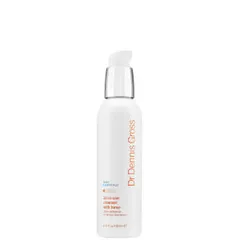
Dr Dennis Gross Skincare All-In-One Facial Cleanser with Toner (180ml) gently removes make-up and impurities, revealing clean, healthy skin.
Source: Mankind
This product works by removing dirt and oil from the surface of the skin. It uses a combination of mild cleansing agents (arachidic acid, cetearyl alcohol, cocamidopropyl hydroxysultaine, coco-glucoside, coconut alcohol, hexylene glycol, lauric acid, lauryl glucoside, myristic acid, polysorbate 60, sodium lauroamphoacetate, sodium lauroyl oat amino acids, sodium methyl cocoyl taurate, stearic acid) and should be able to cleanse the skin gently. Still keep in mind that any cleansing can disrupt the skin barrier, and most people do not need to cleanse their skin more than once per day.
Even though this formulation is mild, the following cleansing agents could trigger an irritation or allergy for some people: coco-glucoside, sodium methyl cocoyl taurate
Helps oil and water mix together and works as an emollient
A non-drying alcohol. Works as an emollient. Helps water and oil mix together and creates a nice product texture
Used as a cleansing agent. Helps water and oil mix together
Used as a cleansing agent (surfactant) in cleansers. Helps water and oil mix together in lotions. Can be irritating
Helps create a more spreadable product texture
Helps water and oil mix together. Has anti-bacterial properties that might be helpful in preventing blemishes
Helps oil and water mix together
Helps oil and water mix together. Could be comedogenic
Helps oil and water mix together
Helps oil and water mix together. Can be used as cleansing agent
Exfoliation
What does the product description say?
Fresh from practising NYC dermatologist, Dr. Dennis Gross, this efficient (yet oh-so effective) all-in-one cleanser and toner removes impurities as it tones to leave skin soft, supple and refreshed.
Source: Cultbeauty
This product does not contain effective exfoliating ingredients. It might be able to deliver physical exfoliation, that is scrub off some of the dead cells on the surface of the skin. We do not recommend physical exfoliation, because it is not uniform (some bits of skin can get exfoliated too much while others not at all). It can also traumatize the skin and aggrevate acne and other skin conditions.
Three steps removed from the active form of vitamin A - retinoic acid. To have an effect in the skin, it first needs to be converted twice to become the retinoic acid. This means it is less potent than retinol, but could also be less irritating. Once converted to the retinoic acid in the skin, it helps against all signs of aging, improves skin cell turnover and helps fight blemishes and clogged pores. However, in many cosmetic formulations, it is used in a concentration that is too low to have the full effect
How honest is this product?
| Promise | Can it deliver? |
|---|---|
| Cleansing | |
| Exfoliation |
Total Promises Fulfilled score: 50/100.
We receive a small commission for purchases made through these links at no cost for you. Thank you for your support! Learn more
Affiliate link · supports WIMJ at no cost to you
Potential irritants
Comedogenic ingredients
User reviews (0)
Averages from community submissions.
No reviews yet for this product.
Be the first to share your experience!
Tried this product?
Help capture what the ingredient list can't—texture, finish, pilling, scent, and more. Answer what you can, skip the rest.
Takes ~30 seconds.
Reviews are shown in aggregate. No personal details.
Key Actives
An effective moisturizing and skin barrier repair ingredient. Helps calm down inflammation and has some anti-oxidant properties
Three steps removed from the active form of vitamin A - retinoic acid. To have an effect in the skin, it first needs to be converted twice to become the retinoic acid. This means it is less potent than retinol, but could also be less irritating. Once converted to the retinoic acid in the skin, it helps against all signs of aging, improves skin cell turnover and helps fight blemishes and clogged pores. However, in many cosmetic formulations, it is used in a concentration that is too low to have the full effect
Helps water and oil mix together. Has anti-bacterial properties that might be helpful in preventing blemishes
Helps oil and water mix together and works as an emollient
A great emollient that can also have anti-oxidant properties
An emollient that helps soften the skin and might help calm down inflammation
A plant extract that can help neutralize free radicals and reduce inflammation, even though it is not usually used in sufficient concentration in cosmetics
An emollient that does not leave a greasy finish
A non-drying alcohol. Works as an emollient. Helps water and oil mix together and creates a nice product texture
Used as a cleansing agent. Helps water and oil mix together
One of the best moisturizing ingredients. Naturally present in skin. It attracts water to the upper layer of the skin working as a humectant
Helps oil and water mix together. Can be used as cleansing agent
Softens the upper layer of skin and helps restore the healthy skin barrier. Has shown to help calm down inflammation in skin. It is a stable oil, meaning that it retains its properties even when exposed to air.
Used as a cleansing agent (surfactant) in cleansers. Helps water and oil mix together in lotions. Can be irritating
One of the best moisturizing ingredients. Attracts water into the upper layer of the skin
A great emollient due to its high linoleic acid content. One of the most effective plant oils in helping skin hydration and repairing skin barrier function
Helps to soften the upper layer of the skin
Helps create a more spreadable product texture
Used as a cleansing agent (surfactant) in cleansers. Helps water and oil mix together in lotions. Can be irritating
Helps oil and water mix together. Could be comedogenic
Helps to soften the upper layer of the skin
Helps create a more spreadable product texture
Potential irritants
Helps oil and water mix together. Can be used as cleansing agent
A plant extract that can help calm down inflammation in skin. Can, however, itself be irritating
Used as a cleansing agent (surfactant) in cleansers. Helps water and oil mix together in lotions. Can be irritating
Plant extract that can have healing and anti-inflammatory properties. It is a potential allergen and can be irritating
Three steps removed from the active form of vitamin A - retinoic acid. To have an effect in the skin, it first needs to be converted twice to become the retinoic acid. This means it is less potent than retinol, but could also be less irritating. Once converted to the retinoic acid in the skin, it helps against all signs of aging, improves skin cell turnover and helps fight blemishes and clogged pores. However, in many cosmetic formulations, it is used in a concentration that is too low to have the full effect
Used as a cleansing agent. Helps water and oil mix together
Softens the upper layer of skin and helps restore the healthy skin barrier. Has shown to help calm down inflammation in skin. It is a stable oil, meaning that it retains its properties even when exposed to air.
A great emollient that can also have anti-oxidant properties
A plant extract that can have some anti-oxidant effect in skin
Being a lipid soluble form of vitamin C, it is more stable and can penetrate the skin better than L-Ascorbic acid. It is effective in protecting the skin from free radicals, as well as evening the skin tone, but is less effective in stimulating collagen production compared to L-Ascorbic acid.
A more stable but less bio-available form of vitamin E compared to Tocopherol. Might help moisturize and protect the skin from free radicals, but mostly used in low concentrations to stabilize other ingredients.
An emollient that does not leave a greasy finish
Helps preserve products and creates a nice product texture
Maintains the texture of skincare products. Allows the product to spread evenly. Helps oil and water mix together
Helps oil and water mix together. Could be comedogenic
Helps water and oil mix together. Has anti-bacterial properties that might be helpful in preventing blemishes
Comedogenic ingredients
Seaweed extract that helps the skin to attract water and make it more smooth for touch. Also shows promise of anti-aging properties, but good research is lacking at the moment
An algae extract. Can help attract water to the upper layer of the skin and might help neutralize free radicals in skin
A non-drying alcohol. Works as an emollient. Helps water and oil mix together and creates a nice product texture
Helps oil and water mix together. Could be comedogenic
Helps water and oil mix together. Has anti-bacterial properties that might be helpful in preventing blemishes
All ingredients
Used as a cleansing agent. Helps water and oil mix together
One of the best moisturizing ingredients. Naturally present in skin. It attracts water to the upper layer of the skin working as a humectant
Helps oil and water mix together. Can be used as cleansing agent
A plant extract that can help calm down inflammation in skin. Can, however, itself be irritating
Softens the upper layer of skin and helps restore the healthy skin barrier. Has shown to help calm down inflammation in skin. It is a stable oil, meaning that it retains its properties even when exposed to air.
Used as a cleansing agent (surfactant) in cleansers. Helps water and oil mix together in lotions. Can be irritating
A great emollient that can also have anti-oxidant properties
One of the best moisturizing ingredients. Attracts water into the upper layer of the skin
Plant extract that can have healing and anti-inflammatory properties. It is a potential allergen and can be irritating
A plant extract that can have some anti-oxidant effect in skin
An effective moisturizing and skin barrier repair ingredient. Helps calm down inflammation and has some anti-oxidant properties
An emollient that helps soften the skin and might help calm down inflammation
A plant extract that can help neutralize free radicals and reduce inflammation, even though it is not usually used in sufficient concentration in cosmetics
Being a lipid soluble form of vitamin C, it is more stable and can penetrate the skin better than L-Ascorbic acid. It is effective in protecting the skin from free radicals, as well as evening the skin tone, but is less effective in stimulating collagen production compared to L-Ascorbic acid.
A more stable but less bio-available form of vitamin E compared to Tocopherol. Might help moisturize and protect the skin from free radicals, but mostly used in low concentrations to stabilize other ingredients.
Three steps removed from the active form of vitamin A - retinoic acid. To have an effect in the skin, it first needs to be converted twice to become the retinoic acid. This means it is less potent than retinol, but could also be less irritating. Once converted to the retinoic acid in the skin, it helps against all signs of aging, improves skin cell turnover and helps fight blemishes and clogged pores. However, in many cosmetic formulations, it is used in a concentration that is too low to have the full effect
Emollients that are naturaly present in skin. In addition, they help water and oil mix together in the product
Seaweed extract that helps the skin to attract water and make it more smooth for touch. Also shows promise of anti-aging properties, but good research is lacking at the moment
An algae extract. Can help attract water to the upper layer of the skin and might help neutralize free radicals in skin
An emollient that does not leave a greasy finish
A great emollient due to its high linoleic acid content. One of the most effective plant oils in helping skin hydration and repairing skin barrier function
Helps preserve products and creates a nice product texture
A non-drying alcohol. Works as an emollient. Helps water and oil mix together and creates a nice product texture
Helps to soften the upper layer of the skin
Maintains the texture of skincare products. Allows the product to spread evenly. Helps oil and water mix together
A preservative. It helps prevent bacterial growth in cosmetic products
Helps attract water to the upper layer of the skin. Could be helpful in restoring the skin barrier function
Used as a cleansing agent (surfactant) in cleansers. Helps water and oil mix together in lotions. Can be irritating
Helps oil and water mix together. Could be comedogenic
Helps water and oil mix together. Has anti-bacterial properties that might be helpful in preventing blemishes
Helps preserve products and creates a nice product texture
Helps to soften the upper layer of the skin
Maintains the texture of skincare products. Allows the product to spread evenly. Helps oil and water mix together
A preservative. It helps prevent bacterial growth in cosmetic products
Ingredient list view
Water, Cocamidopropyl hydroxysultaine, Stearic acid, Glycerin, Sodium methyl cocoyl taurate, Sodium lauroamphoacetate, Hamamelis virginiana water, Simmondsia chinensis seed oil, Coco-glucoside, Vitis vinifera seed oil, Sodium hyaluronate, Chamomilla recutita oil, Chamomilla recutita flower extract, Euterpe oleracea fruit extract, Avena sativa kernel extract, Carthamus tinctorius seed oil, Camellia oleifera leaf extract, Sodium lauroyl oat amino acids, Ascorbyl palmitate, Tocopheryl acetate, Retinyl palmitate, Phospholipids, Laminaria digitata extract, Chlorella pyrenoidosa extract, Camellia oleifera seed oil, Helianthus annuus seed oil, Coconut alcohol, Lauryl glucoside, Caprylyl glycol, Cetearyl alcohol, Polyglyceryl-2 dipolyhydroxystearate, Polysorbate 60, Acrylates/c10-30 alkyl acrylate crosspolymer, Hexylene glycol, Phenoxyethanol, Potassium sorbate, Chlorophyllin-copper complex, Ci 75810, Glucose, Coco-glucoside, Myristic acid, Lauric acid, Arachidic acid, Caprylyl glycol, Polyglyceryl-2 dipolyhydroxystearate, Polysorbate 60, Acrylates/c10-30 alkyl acrylate crosspolymer, Hexylene glycol, Phenoxyethanol, Potassium sorbate, Benzoic acid, Chlorophyllin-copper complex, Ci 75810
- Glycerol and the skin: holistic approach to its origin and functions
- Safety Assessment of Alkyl Taurate Amides and Taurate Salts as Used in Cosmetics
- In Vitro Assessment of Skin Irritation Potential of Surfactant-based Formulations by Using a 3-D Skin Reconstructed Tissue Model and Cytokine Response
- Allergen of the Year—Alkyl Glucoside
- Hyaluronic acid: A key molecule in skin aging
- Hyaluronan (Hyaluronic Acid): a natural moisturizer for skin care
- Total Oxidant Scavenging Capacity of Euterpe oleracea Mart. (Açaí) Seeds and Identification of Their Polyphenolic Compounds
- Euterpe oleracea, Matricaria chamomilla, and Camellia sinensis as promising ingredients for development of skin care formulations
- Effect of Olive and Sunflower Seed Oil on the Adult Skin Barrier: Implications for Neonatal Skin Care
- Topically Applied Sunflower Seed Oil Prevents Invasive Bacterial Infections in Preterm Infants in Egypt
- Effect of topically applied lipids on surfactant-irritated skin
- Impact of topical oils on the skin barrier: possible implications for neonatal health in developing countries
- Topical Glucose Induces Claudin-1 and Filaggrin Expression in a Mouse Model of Atopic Dermatitis and in Keratinocyte Culture, Exerting Anti-inflammatory Effects by Repairing Skin Barrier Function
- The fatty acid profile of the skin surface lipid layer in papulopustular rosacea