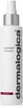
Dermalogica Antioxidant HydraMist

Dermalogica Antioxidant HydraMist

Efficacy83/100IrritancyHigh

Works for

Moisturizing
Arginine/lysine polypeptide, Palmitoyl tripeptide-5 + 16 more
Works well
What the product description says
“Refreshing antioxidant toner that helps firm and hydrate.”
Source: Dermalogica

This product can help improve hydration of the skin with the two types of ingredients.

The first type is called “humectants”:
these ingredients help attract water. When humectants are on the surface of the skin, they “pull in” the moisture from the outside environment, or from within deeper layers of the skin. The following ingredients in this product do the job: dipotassium glycyrrhizate, glucosamine hcl.

This product also contains ingredients called “occlusives”. They help reduce the speed with which our skin loses moisture to the outside environment. These ingredients also help soften the upper layer of the skin, so it feels less tight and nicer to the touch. The following ingredients in this product do the job: helianthus annuus seed oil.

The following ingredients in this product are especially good for supporting the skin barrier and helping with the hydration level: arginine/lysine polypeptide, palmitoyl tripeptide-5

Arginine/lysine polypeptideHeroEffect: HighA type of peptide. Peptides are excellent moisturizers and might be able support collagen production reducing fine lines and wrinkles~2.3–3.4%
Palmitoyl tripeptide-5HeroEffect: HighA type of peptide. Peptides are excellent moisturizers and might be able support collagen production reducing fine lines and wrinkles~0.05–0.3%
Sodium lactateKey active· HumectantEffect: HighHelps attract water to the upper layer of the skin. Is often used to adjust the pH level of the product~1.2–1.8%
Sodium pcaKey active· HumectantEffect: HighNaturally present in skin and helps to attract water to its upper layer~1–1.5%
ProlineKey activeEffect: Medium~0.9–1.35%
Dipotassium glycyrrhizateKey active· HumectantEffect: HighA salt derived from licorice. Works as an emollient to soften the upper layer of the skin and can help calm down inflammation. Might be helpful for skin lightening~0.5–1.15%
Methyl gluceth-20Key active· HumectantEffect: MediumHelps attract water to the upper layer of the skin and soften it~0.35–0.85%
GlycerinKey active· HumectantEffect: HighOne of the best moisturizing ingredients. Naturally present in skin. It attracts water to the upper layer of the skin working as a humectant~0.05–0.25%
Helianthus annuus seed oilKey active· Emollient, OcclusiveEffect: HighA great emollient due to its high linoleic acid content. One of the most effective plant oils in helping skin hydration and repairing skin barrier function~0.05–0.25%
Glucosamine hclKey active· HumectantEffect: HighMight be able to stimulate production of skin's natural moisturizing compounds such as hyaluronic acid. Could be helpful for evening the skin tone.~0.05–0.25%
Butylene glycol· HumectantEffect: LowUsed to create a nice product texture and help delivery of other ingredients. Might be somewhat helpful in attracting water to the upper layer of the skin~5.1–7.7%
Aloe barbadensis leaf juice· HumectantEffect: LowTraditionally used to treat sunburns, dermatitis and inflammation, but evidence for its effectiveness is lacking. The extract can contain humectants that help attract water into the skin~1.6–2.4%
Sorbitol· HumectantEffect: LowHelps attract water to the upper layer of the skin and improves the product texture~1.1–1.7%
Camellia sinensis leaf extractEffect: LowCan contain potent anti-oxidant compounds (abbreviated ECG, GCG, EGC, and EGCG) that might help protect the skin from free radicals. Can help calm down inflammation and has some anti-bacterial properties. Unfortunately, these antioxidants are unstable and lose their effectiveness very quickly in products. The concentration of the antioxidant compounds in the extract also tends to be low to be effective in topical formulation~0.2–0.7%
Rosa damascena flower oilEffect: LowUsed as a fragrance. Can be irritating~0.05–0.15%
LecithinEffect: Low, below effective doseUsed mostly for creating emulsions - helping oil and water mix together. Helps soften the upper layer of the skin~0.1–0.45%
TocopherolEffect: Low, below effective dosePure form of vitamin E. Can help moisturise and protect the skin from free radicals. Often used to help stabilise other ingredients or the formula itself~0.1–0.3%
Caprylic/capric triglycerideUnder-dosedA good mix of fatty acids that forms a protective layer on the skin. Improves the shelf life of products. Derived from coconut and glycerin~0.05–0.25%
Evens skin tone
Glucosamine hcl, Dipotassium glycyrrhizate + 3 more
May help
What the product description says
“Highly-active vitamin c complex and collagen-stimulating peptides encourage firmness and elasticity while glucosamine helps control age related hyperpigmentation.”
Source: Ulta

The following ingredient (ingredients) in this product might be helpful, but there is no evidence to confirm that it actually works: dipotassium glycyrrhizate, glucosamine hcl.

Glucosamine hclKey activeEffect: MediumMight be able to stimulate production of skin's natural moisturizing compounds such as hyaluronic acid. Could be helpful for evening the skin tone.~0.05–0.25%
Dipotassium glycyrrhizateEffect: LowA salt derived from licorice. Works as an emollient to soften the upper layer of the skin and can help calm down inflammation. Might be helpful for skin lightening~0.5–1.15%
Camellia sinensis leaf extractEffect: LowCan contain potent anti-oxidant compounds (abbreviated ECG, GCG, EGC, and EGCG) that might help protect the skin from free radicals. Can help calm down inflammation and has some anti-bacterial properties. Unfortunately, these antioxidants are unstable and lose their effectiveness very quickly in products. The concentration of the antioxidant compounds in the extract also tends to be low to be effective in topical formulation~0.2–0.7%
Magnesium ascorbyl phosphateEffect: Low, below effective doseA derivative of vitamin C that is more stable, but less bioavailable than the pure form of vitamin C. It does not penetrate the skin well, but has been shown to convert to pure vitamin C once in skin. It can be helpful in stimulating collagen production and lightening the skin tone, but the required concentration is likely to be very high~0.05–0.3%
Pisum sativum extractEffect: Low, below effective doseMight be helpful in protecting skin collagen and elastin from breaking down but solid research is lacking~0.05–0.3%
Anti-aging
Arginine/lysine polypeptide, Palmitoyl tripeptide-5 + 5 more
May help
What the product description says
“Highly-active vitamin c complex and collagen-stimulating peptides encourage firmness and elasticity while glucosamine helps control age related hyperpigmentation.”
Source: Ulta

This product contains arginine/lysine polypeptide, palmitoyl tripeptide-5. These ingredients might be able to help reduce and prevent fine lines and wrinkles, improve skin elasticity and firmness, but there is not enough evidence that it actually works.

Arginine/lysine polypeptideKey activeEffect: MediumA type of peptide. Peptides are excellent moisturizers and might be able support collagen production reducing fine lines and wrinkles~2.3–3.4%
Palmitoyl tripeptide-5Key activeEffect: MediumA type of peptide. Peptides are excellent moisturizers and might be able support collagen production reducing fine lines and wrinkles~0.05–0.3%
Aloe barbadensis leaf juiceEffect: LowTraditionally used to treat sunburns, dermatitis and inflammation, but evidence for its effectiveness is lacking. The extract can contain humectants that help attract water into the skin~1.6–2.4%
Camellia sinensis leaf extractEffect: LowCan contain potent anti-oxidant compounds (abbreviated ECG, GCG, EGC, and EGCG) that might help protect the skin from free radicals. Can help calm down inflammation and has some anti-bacterial properties. Unfortunately, these antioxidants are unstable and lose their effectiveness very quickly in products. The concentration of the antioxidant compounds in the extract also tends to be low to be effective in topical formulation~0.2–0.7%
Glucosamine hclEffect: LowMight be able to stimulate production of skin's natural moisturizing compounds such as hyaluronic acid. Could be helpful for evening the skin tone.~0.05–0.25%
TocopherolEffect: Low, below effective dosePure form of vitamin E. Can help moisturise and protect the skin from free radicals. Often used to help stabilise other ingredients or the formula itself~0.1–0.3%
Magnesium ascorbyl phosphateEffect: Low, below effective doseA derivative of vitamin C that is more stable, but less bioavailable than the pure form of vitamin C. It does not penetrate the skin well, but has been shown to convert to pure vitamin C once in skin. It can be helpful in stimulating collagen production and lightening the skin tone, but the required concentration is likely to be very high~0.05–0.3%
Anti-oxidation
Side benefit · Camellia sinensis leaf extract, Glucosamine hcl + 2 more
May help

This product contains antioxidants (camellia sinensis leaf extract) that might be able to help neutralize free radicals in skin to lessen the damage it gets from the UV light (sun). There is not enough evidence to confirm their effectiveness in skin though.

Camellia sinensis leaf extractKey activeEffect: MediumCan contain potent anti-oxidant compounds (abbreviated ECG, GCG, EGC, and EGCG) that might help protect the skin from free radicals. Can help calm down inflammation and has some anti-bacterial properties. Unfortunately, these antioxidants are unstable and lose their effectiveness very quickly in products. The concentration of the antioxidant compounds in the extract also tends to be low to be effective in topical formulation~0.2–0.7%
Glucosamine hclEffect: LowMight be able to stimulate production of skin's natural moisturizing compounds such as hyaluronic acid. Could be helpful for evening the skin tone.~0.05–0.25%
Magnesium ascorbyl phosphateEffect: Low, below effective doseA derivative of vitamin C that is more stable, but less bioavailable than the pure form of vitamin C. It does not penetrate the skin well, but has been shown to convert to pure vitamin C once in skin. It can be helpful in stimulating collagen production and lightening the skin tone, but the required concentration is likely to be very high~0.05–0.3%
TocopherolUnder-dosedPure form of vitamin E. Can help moisturise and protect the skin from free radicals. Often used to help stabilise other ingredients or the formula itself~0.1–0.3%

Can it cause trouble?

Irritancy
11 strong irritants: Citronellol, Eugenol + 9 more — patch-test recommended
High risk
We flagged 20 ingredients with irritancy potential. Severity depends on your sensitivity threshold; the table lists the worst offenders first.
IngredientFunctionIrritationEst. amount
CitronellolA fragrance. Can be irritatingHigh~0.01–0.05%est.
EugenolA fragrance. Is a likely irritantHigh~0.01–0.05%est.
GeraniolA fragrance. Can be irritatingHigh~0.01–0.1%est.
LimoneneA common frangrance that can easily irritate skin, especially if exposed to air, light or heatHigh~0.05–0.15%est.
LinaloolA fragrance. Can be irritatingHigh~0.05–0.15%est.
Citrus limon peel extractA very irritating fragrant ingredientHigh~0.05–0.15%est.
Rosa damascena flower oilUsed as a fragrance. Can be irritatingHigh~0.05–0.15%est.
Eugenia caryophyllus flower oilAn essential oil. Can be irritatingHigh~0.05–0.1%est.
Aniba rosaeodora wood oil—High~0.01–0.05%est.
Citrus limon peel oilA highly irritating fragranceHigh~0.01–0.05%est.
Pelargonium graveolens oilUsed as a fragrance. Can be irritatingHigh~0.01–0.05%est.
Peg-40 hydrogenated castor oilHelps oil and water mix togetherMedium~2.6–3.9%est.
Aloe barbadensis leaf juiceTraditionally used to treat sunburns, dermatitis and inflammation, but evidence for its effectiveness is lacking. The extract can contain humectants that help attract water into the skinMedium~1.6–2.4%est.
Sodium lactateHelps attract water to the upper layer of the skin. Is often used to adjust the pH level of the productMedium~1.2–1.8%est.
Magnesium ascorbyl phosphateA derivative of vitamin C that is more stable, but less bioavailable than the pure form of vitamin C. It does not penetrate the skin well, but has been shown to convert to pure vitamin C once in skin. It can be helpful in stimulating collagen production and lightening the skin tone, but the required concentration is likely to be very highMedium~0.05–0.3%est.
Bambusa vulgaris leaf/stem extractThe extract can contain up to 70% of silica. In cosmetics, silica helps absorb oil and creates a thicker product textureMedium~0.1–0.4%est.
Pisum sativum extractMight be helpful in protecting skin collagen and elastin from breaking down but solid research is lackingMedium~0.05–0.3%est.
Disodium edtaStabilizes the product formulationMedium~0.05–0.15%est.
Caprylic/capric triglycerideA good mix of fatty acids that forms a protective layer on the skin. Improves the shelf life of products. Derived from coconut and glycerinMedium~0.05–0.25%est.
Leuconostoc/radish root ferment filtrateA preservative that comes from radishes fermented by a bacteria. New research suggests that the preservation properties in the ingredient come from an ammonium salt that is not present naturally in radish root but used in its cultivation. Is problematic because the exact amount of the preservative agents is difficult to determineMedium~0.05–0.1%est.
Comedogenic
Clean of flagged comedogenic ingredients
None flagged

User reviews

Would you recommend?
No community reviews yet.

Be the first — your take helps the next person decide.

Ingredients

Filter by role to see what each ingredient is doing.

Water~40–60%
Formula
Irritation risk
Low

Plain old water

More about Water
Butylene glycol~5.1–7.7%
Formula
Irritation risk
Low
Works for
Moisturizing

Used to create a nice product texture and help delivery of other ingredients. Might be somewhat helpful in attracting water to the upper layer of the skin

More about Butylene glycol
Peg-40 hydrogenated castor oil~2.6–3.9%
Irritant · medium
Irritation risk
Medium
Works for
Cleansing

Helps oil and water mix together

More about Peg-40 hydrogenated castor oil
Arginine/lysine polypeptide~2.3–3.4%
Hero · Moisturizing
Irritation risk
Low
Works for
MoisturizingAnti-aging

A type of peptide. Peptides are excellent moisturizers and might be able support collagen production reducing fine lines and wrinkles

More about Arginine/lysine polypeptide
Aloe barbadensis leaf juice~1.6–2.4%
Irritant · medium
Irritation risk
Medium
Works for
MoisturizingAnti-inflammatoryAntibacterialReduces rednessReduces irritationAnti-blemishAnti-aging

Traditionally used to treat sunburns, dermatitis and inflammation, but evidence for its effectiveness is lacking. The extract can contain humectants that help attract water into the skin

More about Aloe barbadensis leaf juice
Sodium lactate~1.2–1.8%
Key activeIrritant · medium
Irritation risk
Medium
Works for
Moisturizing

Helps attract water to the upper layer of the skin. Is often used to adjust the pH level of the product

More about Sodium lactate
Sodium pca~1–1.5%
Key active
Irritation risk
Low
Works for
Moisturizing

Naturally present in skin and helps to attract water to its upper layer

More about Sodium pca
Sorbitol~1.1–1.7%
Formula
Irritation risk
Low
Works for
Moisturizing

Helps attract water to the upper layer of the skin and improves the product texture

More about Sorbitol
Proline~0.9–1.35%
Key active
Irritation risk
Low
Works for
Moisturizing
More about Proline
Dipotassium glycyrrhizate~0.5–1.15%
Key active
Irritation risk
Low
Works for
MoisturizingAnti-inflammatoryEvens skin tone

A salt derived from licorice. Works as an emollient to soften the upper layer of the skin and can help calm down inflammation. Might be helpful for skin lightening

More about Dipotassium glycyrrhizate
Methyl gluceth-20~0.35–0.85%
Key active
Irritation risk
Low
Works for
Moisturizing

Helps attract water to the upper layer of the skin and soften it

More about Methyl gluceth-20
Camellia sinensis leaf extract~0.2–0.7%
Key active
Irritation risk
Low
Works for
Anti-oxidationAntibacterialAnti-agingAnti-blemishEvens skin toneMoisturizing

Can contain potent anti-oxidant compounds (abbreviated ECG, GCG, EGC, and EGCG) that might help protect the skin from free radicals. Can help calm down inflammation and has some anti-bacterial properties. Unfortunately, these antioxidants are unstable and lose their effectiveness very quickly in products. The concentration of the antioxidant compounds in the extract also tends to be low to be effective in topical formulation

More about Camellia sinensis leaf extract
Sodium carboxymethyl beta-glucan~0.45–1.05%
Formula
Irritation risk
Low

Helps thicken the product formulation and create a gel-like texture

More about Sodium carboxymethyl beta-glucan
Lecithin~0.1–0.45%
Formula
Irritation risk
Low
Works for
CleansingMoisturizing

Used mostly for creating emulsions - helping oil and water mix together. Helps soften the upper layer of the skin

More about Lecithin
Magnesium ascorbyl phosphate~0.05–0.3%
Irritant · medium
Irritation risk
Medium
Works for
Evens skin toneAnti-agingAnti-oxidation

A derivative of vitamin C that is more stable, but less bioavailable than the pure form of vitamin C. It does not penetrate the skin well, but has been shown to convert to pure vitamin C once in skin. It can be helpful in stimulating collagen production and lightening the skin tone, but the required concentration is likely to be very high

More about Magnesium ascorbyl phosphate
Tocopherol~0.1–0.3%
Under-dosed
Irritation risk
Low
Works for
Anti-oxidationAnti-inflammatoryAnti-agingMoisturizing

Pure form of vitamin E. Can help moisturise and protect the skin from free radicals. Often used to help stabilise other ingredients or the formula itself

More about Tocopherol
Palmitoyl tripeptide-5~0.05–0.3%
Hero · Moisturizing
Irritation risk
Low
Works for
MoisturizingAnti-aging

A type of peptide. Peptides are excellent moisturizers and might be able support collagen production reducing fine lines and wrinkles

More about Palmitoyl tripeptide-5
Bambusa vulgaris leaf/stem extract~0.1–0.4%
Irritant · medium
Irritation risk
Medium

The extract can contain up to 70% of silica. In cosmetics, silica helps absorb oil and creates a thicker product texture

More about Bambusa vulgaris leaf/stem extract
Pisum sativum extract~0.05–0.3%
Irritant · medium
Irritation risk
Medium
Works for
Evens skin tone

Might be helpful in protecting skin collagen and elastin from breaking down but solid research is lacking

More about Pisum sativum extract
Glucosamine hcl~0.05–0.25%
Key active
Irritation risk
Low
Works for
AntibacterialMoisturizingEvens skin toneAnti-oxidationAnti-aging

Might be able to stimulate production of skin's natural moisturizing compounds such as hyaluronic acid. Could be helpful for evening the skin tone.

More about Glucosamine hcl
Glycerin~0.05–0.25%
Key active
Irritation risk
Low
Works for
Moisturizing

One of the best moisturizing ingredients. Naturally present in skin. It attracts water to the upper layer of the skin working as a humectant

More about Glycerin
Disodium edta~0.05–0.15%
Irritant · medium
Irritation risk
Medium

Stabilizes the product formulation

More about Disodium edta
Caprylic/capric triglyceride~0.05–0.25%
Under-dosedIrritant · medium
Irritation risk
Medium
Works for
Moisturizing

A good mix of fatty acids that forms a protective layer on the skin. Improves the shelf life of products. Derived from coconut and glycerin

More about Caprylic/capric triglyceride
Leuconostoc/radish root ferment filtrate~0.05–0.1%
Irritant · medium
Irritation risk
Medium

A preservative that comes from radishes fermented by a bacteria. New research suggests that the preservation properties in the ingredient come from an ammonium salt that is not present naturally in radish root but used in its cultivation. Is problematic because the exact amount of the preservative agents is difficult to determine

More about Leuconostoc/radish root ferment filtrate
Citronellol~0.01–0.05%
Irritant · high
Irritation risk
High

A fragrance. Can be irritating

More about Citronellol
Eugenol~0.01–0.05%
Irritant · high
Irritation risk
High

A fragrance. Is a likely irritant

More about Eugenol
Geraniol~0.01–0.1%
Irritant · high
Irritation risk
High

A fragrance. Can be irritating

More about Geraniol
Limonene~0.05–0.15%
Irritant · high
Irritation risk
High

A common frangrance that can easily irritate skin, especially if exposed to air, light or heat

More about Limonene
Linalool~0.05–0.15%
Irritant · high
Irritation risk
High

A fragrance. Can be irritating

More about Linalool
Citrus limon peel extract~0.05–0.15%
Irritant · high
Irritation risk
High

A very irritating fragrant ingredient

More about Citrus limon peel extract
Helianthus annuus seed oil~0.05–0.25%
Key active
Irritation risk
Low
Works for
Moisturizing

A great emollient due to its high linoleic acid content. One of the most effective plant oils in helping skin hydration and repairing skin barrier function

More about Helianthus annuus seed oil
Rosa damascena flower oil~0.05–0.15%
Irritant · high
Irritation risk
High
Works for
Moisturizing

Used as a fragrance. Can be irritating

More about Rosa damascena flower oil
Eugenia caryophyllus flower oil~0.05–0.1%
Irritant · high
Irritation risk
High

An essential oil. Can be irritating

More about Eugenia caryophyllus flower oil
Aniba rosaeodora wood oil~0.01–0.05%
Irritant · high
Citrus limon peel oil~0.01–0.05%
Irritant · high
Irritation risk
High

A highly irritating fragrance

More about Citrus limon peel oil
Pelargonium graveolens oil~0.01–0.05%
Irritant · high
Irritation risk
High

Used as a fragrance. Can be irritating

More about Pelargonium graveolens oil
Ingredient list view

Water, Butylene glycol, Peg-40 hydrogenated castor oil, Arginine/lysine polypeptide, Aloe barbadensis leaf juice, Sodium lactate, Sodium pca, Sorbitol, Proline, Dipotassium glycyrrhizate, Methyl gluceth-20, Camellia sinensis leaf extract, Sodium carboxymethyl beta-glucan, Lecithin, Magnesium ascorbyl phosphate, Tocopherol, Palmitoyl tripeptide-5, Bambusa vulgaris leaf/stem extract, Pisum sativum extract, Glucosamine hcl, Glycerin, Disodium edta, Caprylic/capric triglyceride, Leuconostoc/radish root ferment filtrate, Citronellol, Eugenol, Geraniol, Limonene, Linalool, Citrus limon peel extract, Helianthus annuus seed oil, Rosa damascena flower oil, Eugenia caryophyllus flower oil, Aniba rosaeodora wood oil, Citrus limon peel oil, Pelargonium graveolens oil

Compare prices

Retailers ranked by price — lowest first.

Dermalogica
$13.50
Buy
Ulta1 oz
$16.00
Buy
Bluemercury
$45.00
Buy
Ulta5.1 oz
$45.00
Buy
Amazon USPrice as of 11/10 21:17 GMT
$49.00
Buy

Affiliate links · As an Amazon Associate, WIMJ earns from qualifying purchases.

Worth comparing, line by line.

Match % combines shared ingredients, the first five ingredients, shared actives and hero ingredients, irritancy (lower counts in the alternative's favour), texture and body area. Only products in the same routine step are compared.

Side-by-side comparison of this product against its closest alternatives
DermalogicaAntioxidant HydraMistYOUR PRODUCTnumbuzinNo.9 NAD PDRN Glow Boosting TonerRNWDER. SPECIAL Ceramide MistGenabellePDRN Dual Glow Serum Mist
Match—46%46%45%
Price$13.50$14.80+$1.30$15.52+$2.02$20.65+$7.15
Shared key ingredients—4 of 93 of 93 of 9
Key difference—Hexapeptide-9AdenosineCopper Tripeptide-1
Irritancy High High Low Medium
Drying alcohol————
View product Shop Shop Shop

More alternatives: Cirem Skincare Mending Moon Moonglow Hydrating Face Pillow MistSuperegg PURE TRANSPARENCY TREATMENT ESSENCE

Cheaper alternatives? See how this stacks up against similar formulas.
We compare ingredient profiles across our catalog — pick the closest match for your budget.
Open dupe finder

Product summary

"Dermalogica - Antioxidant HydraMist" is effective for: Moisturizing

This product could be helpful for: Anti-aging, but its actives are not the most effective or are not well-studied.

Ingredient callouts

  • Peptides (palmitoyl tripeptide-5 0.05% - 0.30% and arginine/lysine polypeptide 2.30% - 3.40%). There are many different kind of Peptides and they are naturally present in our skin. They all are a combination of aminoacids. Some of them work as natural antibiotics, promote wound-healing and production of collagen. The science is still not settled on how effective Peptides are in skincare, but it is very likely that they have a benefit. They might help restore the skin barrier and fight the signs of aging. At the very least, Peptides work as humectants: they attract water to the upper layer of the skin and improve its hydration.
  • Dipotassium Glycyrrhizate in this product (0.50% - 1.10%) can also further help improve the skin barrier. It might be able to calm down inflammation and reduce sensitivity. Dipotassium Glycyrrhizate is an active compound from the licorice root.
  • Humectants (sodium pca 0.95% - 1.45%, glycerin 0.05% - 0.20% and sodium lactate 1.20% - 1.80%). These ingredients help attract water to the upper layer of the skin and improve the skin hydration.

About the brand

According to Cruelty-Free Kitty "Dermalogica" is cruelty free, but its parent company is not.

Price

The product retails from 13.50$ up to 97.70$ in the United States, from 12.00£ up to 82.50£ in the United Kingdom, from 63.00CA$ up to 94.55CA$ in Canada and for 67.95A$ in Australia.

For a detailed price comparison: click here.

Sources cited in this review

Every concentration estimate and effectiveness label is anchored to one of these 14 studies and safety reviews.

  1. 1
  2. 2
  3. 3
  4. 4
  5. 5
  6. 6
    Vitamin E in dermatologyncbi.nlm.nih.gov
Dermalogica Antioxidant HydraMist
DermalogicaAntioxidant HydraMist

Affiliate links · As an Amazon Associate, WIMJ earns from qualifying purchases.

As an Amazon Associate, WIMJ earns from qualifying purchases.