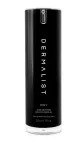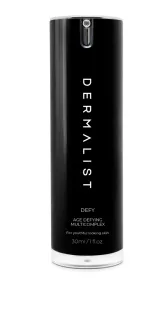
Dermalist Age Defying MultiComplex

Dermalist Age Defying MultiComplex

Efficacy100/100IrritancyHigh

Works for

Moisturizing
Niacinamide, Panthenol + 14 more
Works well
What the product description says
“Developed as a complete treatment for those with ageing skin as their primary concern, Age Defying MultiComplex also contains therapeutic doses of Vitamin C, Hyaluronic Acid, Niacinamide, Squalane & potent antioxidants to hydrate, smooth, brighten and protect skin whilst targeting visible signs of ageing.”
Source: Dermalist

This product can help improve hydration of the skin with the two types of ingredients.

The first type is called “humectants”:
these ingredients help attract water. When humectants are on the surface of the skin, they “pull in” the moisture from the outside environment, or from within deeper layers of the skin. The following ingredients in this product do the job: glycerin, sodium hyaluronate.

This product also contains ingredients called “occlusives”. They help reduce the speed with which our skin loses moisture to the outside environment. These ingredients also help soften the upper layer of the skin, so it feels less tight and nicer to the touch. The following ingredients in this product do the job: helianthus annuus seed oil, squalane.

The following ingredients in this product are especially good for supporting the skin barrier and helping with the hydration level: acetyl octapeptide-3, acetyl tetrapeptide-2, niacinamide, panthenol

NiacinamideHeroEffect: HighIs proven to be effective in reducing blemishes, evening out skin tone and helping to improve lines and wrinkles. It helps the skin to repair sun damage, calm down inflammation and keep maintain good levels of moisture. The concentration of about 2% is effective for supporting the skin barrier and evening out the skin tone. Concentration of 4-6% is better for helping with acne and balancing the sebum production~4.2–5.1%
PanthenolHero· HumectantEffect: HighHelps attract water to the upper layer of the skin and can help improve skin barrier function~2.3–2.8%
Acetyl octapeptide-3Hero· HumectantEffect: HighA type of peptide. Peptides are excellent moisturizers and might be able support collagen production reducing fine lines and wrinkles~0.3–0.6%
Acetyl tetrapeptide-2HeroEffect: HighA type of peptide. Peptides are excellent moisturizers and might be able support collagen production reducing fine lines and wrinkles~0.3–0.55%
GlycerinKey active· HumectantEffect: HighOne of the best moisturizing ingredients. Naturally present in skin. It attracts water to the upper layer of the skin working as a humectant~4.6–5.7%
Cetearyl alcoholKey active· EmollientEffect: MediumA non-drying alcohol. Works as an emollient. Helps water and oil mix together and creates a nice product texture~1.9–2.4%
SqualaneKey active· Emollient, OcclusiveEffect: HighAn oil naturally present in skin. Works as an emollient to soften the skin and form a protective layer on its surface without a greasy feeling.~1.5–1.8%
TricaprylinKey active· EmollientEffect: MediumAn emollient that helps soften the skin. Can increase penetration of other ingredients~0.6–0.9%
Sodium hyaluronateKey active· HumectantEffect: HighOne of the best moisturizing ingredients. Attracts water into the upper layer of the skin~0.4–0.65%
Helianthus annuus seed oilKey active· Emollient, OcclusiveEffect: HighA great emollient due to its high linoleic acid content. One of the most effective plant oils in helping skin hydration and repairing skin barrier function~0.25–0.5%
Caprylyl glycol· Humectant, EmollientEffect: LowHelps preserve products and creates a nice product texture~0.25–0.45%
Camellia sinensis leaf extractEffect: LowCan contain potent anti-oxidant compounds (abbreviated ECG, GCG, EGC, and EGCG) that might help protect the skin from free radicals. Can help calm down inflammation and has some anti-bacterial properties. Unfortunately, these antioxidants are unstable and lose their effectiveness very quickly in products. The concentration of the antioxidant compounds in the extract also tends to be low to be effective in topical formulation~0.25–0.5%
Rosa damascena flower oilEffect: LowUsed as a fragrance. Can be irritating~0.1–0.15%
TocopherolEffect: Low, below effective dosePure form of vitamin E. Can help moisturise and protect the skin from free radicals. Often used to help stabilise other ingredients or the formula itself~0.3–0.55%
Cucumis sativus fruit extractEffect: Low, below effective doseMight be somewhat helpful in reducing hyperpigmentation and neutralizing free radicals but its typical concentration in a product is too low for having an effect~0.25–0.5%
Lycium barbarum fruit extractUnder-dosedA plant extract that can help neutralize free radicals in skin and attract water to its upper layer~0.25–0.45%
Anti-aging
Retinol, Niacinamide + 7 more
Works well
What the product description says
“Our powerful anti-ageing serum with Vitamin A & Peptides for younger looking skin.”
Source: Dermalist

This product can help reduce and prevent fine lines and wrinkles, improve skin elasticity and firmness because it contains retinol, niacinamide.

These ingredients in the product can also be helpful, even though there is less evidence for their effectiveness: acetyl octapeptide-3, acetyl tetrapeptide-2.

Keep in mind that it typically takes at least 6 weeks to notice any results because the changes that are needed to improve fine lines and elasticity happen in the deeper layers of the skin. No topical anti-aging product can “erase” wrinkles or fully reverse signs of aging.

RetinolHeroEffect: HighTwo steps removed from the active form of vitamin A - retinoic acid. Once converted to the retinoic acid in the skin, retinol is proven to be effective against all signs of aging. It improves skin cell turnover, helps fight blemishes and clogged pores, can regulate excess oil production and even skin tone. It can, however, be quite irritating~0.8–1.2%
NiacinamideKey activeEffect: HighIs proven to be effective in reducing blemishes, evening out skin tone and helping to improve lines and wrinkles. It helps the skin to repair sun damage, calm down inflammation and keep maintain good levels of moisture. The concentration of about 2% is effective for supporting the skin barrier and evening out the skin tone. Concentration of 4-6% is better for helping with acne and balancing the sebum production~4.2–5.1%
Acetyl tetrapeptide-2Key activeEffect: MediumA type of peptide. Peptides are excellent moisturizers and might be able support collagen production reducing fine lines and wrinkles~0.3–0.55%
Acetyl octapeptide-3Key activeEffect: MediumA type of peptide. Peptides are excellent moisturizers and might be able support collagen production reducing fine lines and wrinkles~0.3–0.6%
Thioctic acidEffect: Low~0.3–0.55%
Camellia sinensis leaf extractEffect: LowCan contain potent anti-oxidant compounds (abbreviated ECG, GCG, EGC, and EGCG) that might help protect the skin from free radicals. Can help calm down inflammation and has some anti-bacterial properties. Unfortunately, these antioxidants are unstable and lose their effectiveness very quickly in products. The concentration of the antioxidant compounds in the extract also tends to be low to be effective in topical formulation~0.25–0.5%
Sodium ascorbyl phosphateEffect: Low, below effective doseA stable derivative of vitamin C. It is oil-soluble which means it is more likely to penetrate the skin compared to the pure form of vitamin C (which is water-soluble), but it is less bio-available and is way less effective in stimulating collagen and reducing wrinkles compared to the pure form of vitamin C (L-ascorbic acid) and its other derivatives (for example, magnesium ascorbyl phosphate). At the same time, this vitamin C derivative has been shown in studies to be effective in reducing acne, blemishes and clogged pores. It is less irritating then the pure form of vitamin C~3–3.7%
TocopherolEffect: Low, below effective dosePure form of vitamin E. Can help moisturise and protect the skin from free radicals. Often used to help stabilise other ingredients or the formula itself~0.3–0.55%
Lycium barbarum fruit extractEffect: Low, below effective doseA plant extract that can help neutralize free radicals in skin and attract water to its upper layer~0.25–0.45%
Evens skin tone
Retinol, Niacinamide + 1 more
Works well
What the product description says
“Developed as a complete treatment for those with ageing skin as their primary concern, Age Defying MultiComplex also contains therapeutic doses of Vitamin C, Hyaluronic Acid, Niacinamide, Squalane & potent antioxidants to hydrate, smooth, brighten and protect skin whilst targeting visible signs of ageing.”
Source: Dermalist

This product can help reduce hypepigmentation and even out the skin tone because it contains the following effective ingredients: retinol.

In addition, this product contains niacinamide. This ingredient (ingredients) might help reduce hyperpigmentation, but the effect, if any, is likely to be small.

Keep in mind that you would need to apply any topical skincare targetted at hypigmentation consistently for a couple of months to get a result. No topical skincare product can help get rid of hyperpigmentation (including post-acne marks and age spots) instantly.

RetinolHeroEffect: HighTwo steps removed from the active form of vitamin A - retinoic acid. Once converted to the retinoic acid in the skin, retinol is proven to be effective against all signs of aging. It improves skin cell turnover, helps fight blemishes and clogged pores, can regulate excess oil production and even skin tone. It can, however, be quite irritating~0.8–1.2%
NiacinamideKey activeEffect: HighIs proven to be effective in reducing blemishes, evening out skin tone and helping to improve lines and wrinkles. It helps the skin to repair sun damage, calm down inflammation and keep maintain good levels of moisture. The concentration of about 2% is effective for supporting the skin barrier and evening out the skin tone. Concentration of 4-6% is better for helping with acne and balancing the sebum production~4.2–5.1%
Camellia sinensis leaf extractEffect: LowCan contain potent anti-oxidant compounds (abbreviated ECG, GCG, EGC, and EGCG) that might help protect the skin from free radicals. Can help calm down inflammation and has some anti-bacterial properties. Unfortunately, these antioxidants are unstable and lose their effectiveness very quickly in products. The concentration of the antioxidant compounds in the extract also tends to be low to be effective in topical formulation~0.25–0.5%
Anti-oxidation
Side benefit · Retinol, Thioctic acid + 11 more
Works well

This product contains antioxidants (retinol, thioctic acid) that can help neutralize free radicals in skin. By doing so, they can lessen the damage the skin gets from the UV light (sun).

The following ingredients - camellia sinensis leaf extract, ficus carica fruit extract, ginkgo biloba leaf extract also can have an antioxidant effect, but there is less evidence to confirm their effectiveness in skin.

RetinolKey activeEffect: HighTwo steps removed from the active form of vitamin A - retinoic acid. Once converted to the retinoic acid in the skin, retinol is proven to be effective against all signs of aging. It improves skin cell turnover, helps fight blemishes and clogged pores, can regulate excess oil production and even skin tone. It can, however, be quite irritating~0.8–1.2%
Thioctic acidKey activeEffect: High~0.3–0.55%
Ficus carica fruit extractKey activeEffect: MediumA plant extract that can help neutralize free radicals. The concentrations typically used in cosmetics are too small to have an effect~0.25–0.5%
Ginkgo biloba leaf extractKey activeEffect: MediumA plant extract that might help neutralize free radicals and reduce inflammation in skin. It can be irritating~0.25–0.45%
Camellia sinensis leaf extractKey activeEffect: MediumCan contain potent anti-oxidant compounds (abbreviated ECG, GCG, EGC, and EGCG) that might help protect the skin from free radicals. Can help calm down inflammation and has some anti-bacterial properties. Unfortunately, these antioxidants are unstable and lose their effectiveness very quickly in products. The concentration of the antioxidant compounds in the extract also tends to be low to be effective in topical formulation~0.25–0.5%
Syzygium luehmannii fruit extractEffect: Low~0.25–0.45%
Daucus carota sativa root extractEffect: LowCarrot extract. Might have anti-oxidant properties and be used to add orange color~0.25–0.4%
Punica granatum fruit extractEffect: LowA fruit extract that is used to add a fragrance to the product. It might have some antioxidant properties~0.25–0.45%
Olea europaea leaf extractEffect: LowA plant extract that might have some anti-oxidant and anti-inflammatory properties but evidence for effectiveness in skin is missing~0.2–0.4%
Cucumis sativus fruit extractEffect: Low, below effective doseMight be somewhat helpful in reducing hyperpigmentation and neutralizing free radicals but its typical concentration in a product is too low for having an effect~0.25–0.5%
Sodium ascorbyl phosphateUnder-dosedA stable derivative of vitamin C. It is oil-soluble which means it is more likely to penetrate the skin compared to the pure form of vitamin C (which is water-soluble), but it is less bio-available and is way less effective in stimulating collagen and reducing wrinkles compared to the pure form of vitamin C (L-ascorbic acid) and its other derivatives (for example, magnesium ascorbyl phosphate). At the same time, this vitamin C derivative has been shown in studies to be effective in reducing acne, blemishes and clogged pores. It is less irritating then the pure form of vitamin C~3–3.7%
TocopherolUnder-dosedPure form of vitamin E. Can help moisturise and protect the skin from free radicals. Often used to help stabilise other ingredients or the formula itself~0.3–0.55%
Lycium barbarum fruit extractUnder-dosedA plant extract that can help neutralize free radicals in skin and attract water to its upper layer~0.25–0.45%
Anti-blemish
Side benefit · Niacinamide, Retinol + 3 more
Works well

This product can help reduce breakouts and clogged pores because it contains the following ingredient: niacinamide, retinol. These ingredients is used for treating acne and can have a noticeable effect.

NiacinamideHeroEffect: HighIs proven to be effective in reducing blemishes, evening out skin tone and helping to improve lines and wrinkles. It helps the skin to repair sun damage, calm down inflammation and keep maintain good levels of moisture. The concentration of about 2% is effective for supporting the skin barrier and evening out the skin tone. Concentration of 4-6% is better for helping with acne and balancing the sebum production~4.2–5.1%
RetinolHeroEffect: HighTwo steps removed from the active form of vitamin A - retinoic acid. Once converted to the retinoic acid in the skin, retinol is proven to be effective against all signs of aging. It improves skin cell turnover, helps fight blemishes and clogged pores, can regulate excess oil production and even skin tone. It can, however, be quite irritating~0.8–1.2%
Ginkgo biloba leaf extractEffect: LowA plant extract that might help neutralize free radicals and reduce inflammation in skin. It can be irritating~0.25–0.45%
Camellia sinensis leaf extractEffect: LowCan contain potent anti-oxidant compounds (abbreviated ECG, GCG, EGC, and EGCG) that might help protect the skin from free radicals. Can help calm down inflammation and has some anti-bacterial properties. Unfortunately, these antioxidants are unstable and lose their effectiveness very quickly in products. The concentration of the antioxidant compounds in the extract also tends to be low to be effective in topical formulation~0.25–0.5%
Sodium ascorbyl phosphateUnder-dosedA stable derivative of vitamin C. It is oil-soluble which means it is more likely to penetrate the skin compared to the pure form of vitamin C (which is water-soluble), but it is less bio-available and is way less effective in stimulating collagen and reducing wrinkles compared to the pure form of vitamin C (L-ascorbic acid) and its other derivatives (for example, magnesium ascorbyl phosphate). At the same time, this vitamin C derivative has been shown in studies to be effective in reducing acne, blemishes and clogged pores. It is less irritating then the pure form of vitamin C~3–3.7%
Exfoliation
Side benefit · Retinol
Works well

This product can help exfoliate the skin. In other words, it helps break down the bonds between dead cells on the surface of the skin and speed up the skin turnover. Skin often appears softer and brighter after exfoliation, but overdoing it can result in disrupted skin barrier. The following ingredient is doing the exfoliating job in this product: retinol.

RetinolKey activeEffect: HighTwo steps removed from the active form of vitamin A - retinoic acid. Once converted to the retinoic acid in the skin, retinol is proven to be effective against all signs of aging. It improves skin cell turnover, helps fight blemishes and clogged pores, can regulate excess oil production and even skin tone. It can, however, be quite irritating~0.8–1.2%

Can it cause trouble?

Irritancy
10 strong irritants: Retinol, Kunzea pomifera fruit extract + 8 more — patch-test recommended
High risk
We flagged 23 ingredients with irritancy potential. Severity depends on your sensitivity threshold; the table lists the worst offenders first.
IngredientFunctionIrritationEst. amount
RetinolTwo steps removed from the active form of vitamin A - retinoic acid. Once converted to the retinoic acid in the skin, retinol is proven to be effective against all signs of aging. It improves skin cell turnover, helps fight blemishes and clogged pores, can regulate excess oil production and even skin tone. It can, however, be quite irritatingHigh~0.8–1.2%est.
Tasmannia lanceolata fruit extract—High~0.25–0.45%est.
Syzygium luehmannii fruit extract—High~0.25–0.45%est.
Kunzea pomifera fruit extract—High~0.25–0.45%est.
Ginkgo biloba leaf extractA plant extract that might help neutralize free radicals and reduce inflammation in skin. It can be irritatingHigh~0.25–0.45%est.
Punica granatum fruit extractA fruit extract that is used to add a fragrance to the product. It might have some antioxidant propertiesHigh~0.25–0.45%est.
Santalum acuminatum fruit extractUsed as a fragrance. Can be irritatingHigh~0.25–0.5%est.
Carica papaya fruit extract—High~0.25–0.45%est.
Citrus glauca fruit extract—High~0.25–0.45%est.
Citrus aurantium dulcis oilUsed as a fragrance. It can be irritating and cause photosensitivityHigh~0.15–0.3%est.
Lavandula angustifolia oilAn essential oil. Potential allergen and can be irritating. It has some anti-bacterial propertiesHigh~0.15–0.25%est.
Cymbopogon martini oilAromatic plant oil used in cosmetics as a fragrance. A likely irritantHigh~0.1–0.25%est.
Rosa damascena flower oilUsed as a fragrance. Can be irritatingHigh~0.1–0.15%est.
Vanilla planifolia fruit extractA plant extract used as a fragrance. Can be irritatingHigh~0.1–0.15%est.
Sodium ascorbyl phosphateA stable derivative of vitamin C. It is oil-soluble which means it is more likely to penetrate the skin compared to the pure form of vitamin C (which is water-soluble), but it is less bio-available and is way less effective in stimulating collagen and reducing wrinkles compared to the pure form of vitamin C (L-ascorbic acid) and its other derivatives (for example, magnesium ascorbyl phosphate). At the same time, this vitamin C derivative has been shown in studies to be effective in reducing acne, blemishes and clogged pores. It is less irritating then the pure form of vitamin CMedium~3–3.7%est.
Cetearyl glucosideHelps water and oil in the product mix well together and improves product textureMedium~1.6–2%est.
Citric acidCan work as an exfoliant but is typically used to adjust the product pHMedium~1.1–1.4%est.
EthylhexylglycerinA preservativeMedium~0.4–0.6%est.
Cucumis sativus fruit extractMight be somewhat helpful in reducing hyperpigmentation and neutralizing free radicals but its typical concentration in a product is too low for having an effectMedium~0.25–0.5%est.
Ficus carica fruit extractA plant extract that can help neutralize free radicals. The concentrations typically used in cosmetics are too small to have an effectMedium~0.25–0.5%est.
Lycium barbarum fruit extractA plant extract that can help neutralize free radicals in skin and attract water to its upper layerMedium~0.25–0.45%est.
Olea europaea leaf extractA plant extract that might have some anti-oxidant and anti-inflammatory properties but evidence for effectiveness in skin is missingMedium~0.2–0.4%est.
Caprylyl glycolHelps preserve products and creates a nice product textureMedium~0.25–0.45%est.
Comedogenic
1 ingredient rated 2 or more on the 0–5 pore-clogging scale
1 flagged
These ingredients have a comedogenic rating of 2 or more on a 0–5 scale; the table shows each one's rating. In leave-on products they can clog pores in acne-prone skin.
IngredientFunctionRatingEst. amount
Cetearyl alcoholA non-drying alcohol. Works as an emollient. Helps water and oil mix together and creates a nice product texture2/5~1.9–2.4%est.
Did this help you decide?

User reviews

Would you recommend?
No community reviews yet.

Be the first — your take helps the next person decide.

Ingredients

Filter by role to see what each ingredient is doing.

Water~45–55%
Formula
Irritation risk
Low

Plain old water

More about Water
Glycerin~4.6–5.7%
Key active
Irritation risk
Low
Works for
Moisturizing

One of the best moisturizing ingredients. Naturally present in skin. It attracts water to the upper layer of the skin working as a humectant

More about Glycerin
Niacinamide~4.2–5.1%
Hero · Moisturizing, Anti-blemish
Irritation risk
Low
Works for
Anti-agingAnti-blemishEvens skin toneMoisturizingReduces irritationAntibacterialAnti-inflammatoryReduces redness

Is proven to be effective in reducing blemishes, evening out skin tone and helping to improve lines and wrinkles. It helps the skin to repair sun damage, calm down inflammation and keep maintain good levels of moisture. The concentration of about 2% is effective for supporting the skin barrier and evening out the skin tone. Concentration of 4-6% is better for helping with acne and balancing the sebum production

More about Niacinamide
Sodium ascorbyl phosphate~3–3.7%
Under-dosedIrritant · medium
Irritation risk
Medium
Works for
Anti-blemishAnti-oxidationAnti-aging

A stable derivative of vitamin C. It is oil-soluble which means it is more likely to penetrate the skin compared to the pure form of vitamin C (which is water-soluble), but it is less bio-available and is way less effective in stimulating collagen and reducing wrinkles compared to the pure form of vitamin C (L-ascorbic acid) and its other derivatives (for example, magnesium ascorbyl phosphate). At the same time, this vitamin C derivative has been shown in studies to be effective in reducing acne, blemishes and clogged pores. It is less irritating then the pure form of vitamin C

More about Sodium ascorbyl phosphate
Panthenol~2.3–2.8%
Hero · Moisturizing
Irritation risk
Low
Works for
Reduces rednessMoisturizingReduces irritation

Helps attract water to the upper layer of the skin and can help improve skin barrier function

More about Panthenol
Cetearyl alcohol~1.9–2.4%
Key activeComedogenic 2/5
Irritation risk
Low
Comedogenicity
2/5
Works for
CleansingMoisturizing

A non-drying alcohol. Works as an emollient. Helps water and oil mix together and creates a nice product texture

More about Cetearyl alcohol
Cetearyl glucoside~1.6–2%
Irritant · medium
Irritation risk
Medium
Works for
Cleansing

Helps water and oil in the product mix well together and improves product texture

More about Cetearyl glucoside
Squalane~1.5–1.8%
Key active
Irritation risk
Low
Works for
Moisturizing

An oil naturally present in skin. Works as an emollient to soften the skin and form a protective layer on its surface without a greasy feeling.

More about Squalane
Citric acid~1.1–1.4%
Irritant · medium
Irritation risk
Medium

Can work as an exfoliant but is typically used to adjust the product pH

More about Citric acid
Retinol~0.8–1.2%
Hero · Anti-aging, Evens skin tone, Anti-blemishIrritant · high
Irritation risk
High
Works for
Anti-agingEvens skin toneAnti-blemishMattifyingExfoliationAnti-oxidation

Two steps removed from the active form of vitamin A - retinoic acid. Once converted to the retinoic acid in the skin, retinol is proven to be effective against all signs of aging. It improves skin cell turnover, helps fight blemishes and clogged pores, can regulate excess oil production and even skin tone. It can, however, be quite irritating

More about Retinol
Cellulose acetate butyrate~0.7–1.05%
Formula
Tricaprylin~0.6–0.9%
Key active
Irritation risk
Low
Works for
Moisturizing

An emollient that helps soften the skin. Can increase penetration of other ingredients

More about Tricaprylin
Pentaerythrityl tetra-di-t-butyl hydroxyhydrocinnamate~0.5–0.8%
Formula
Irritation risk
Low

Used to increase stability of product formulations

More about Pentaerythrityl tetra-di-t-butyl hydroxyhydrocinnamate
Pichia/resveratrol ferment extract~0.45–0.7%
Formula
Xanthan gum~0.45–0.65%
Formula
Irritation risk
Low
Works for
Cleansing

Used to create a thicker product consistency

More about Xanthan gum
Sodium hyaluronate~0.4–0.65%
Key active
Irritation risk
Low
Works for
Moisturizing

One of the best moisturizing ingredients. Attracts water into the upper layer of the skin

More about Sodium hyaluronate
Ethylhexylglycerin~0.4–0.6%
Irritant · medium
Irritation risk
Medium

A preservative

More about Ethylhexylglycerin
Acetyl octapeptide-3~0.3–0.6%
Hero · Moisturizing
Irritation risk
Low
Works for
MoisturizingAnti-aging

A type of peptide. Peptides are excellent moisturizers and might be able support collagen production reducing fine lines and wrinkles

More about Acetyl octapeptide-3
Acetyl tetrapeptide-2~0.3–0.55%
Hero · Moisturizing
Irritation risk
Low
Works for
MoisturizingAnti-aging

A type of peptide. Peptides are excellent moisturizers and might be able support collagen production reducing fine lines and wrinkles

More about Acetyl tetrapeptide-2
Tocopherol~0.3–0.55%
Under-dosed
Irritation risk
Low
Works for
Anti-oxidationAnti-agingMoisturizingAnti-inflammatory

Pure form of vitamin E. Can help moisturise and protect the skin from free radicals. Often used to help stabilise other ingredients or the formula itself

More about Tocopherol
Thioctic acid~0.3–0.55%
Key active
Irritation risk
Low
Works for
Anti-oxidationAnti-aging
More about Thioctic acid
Citric acid~0.25–0.5%
Irritant · medium
Irritation risk
Medium

Can work as an exfoliant but is typically used to adjust the product pH

More about Citric acid
Tasmannia lanceolata fruit extract~0.25–0.45%
Irritant · high
Syzygium luehmannii fruit extract~0.25–0.45%
Irritant · high
Irritation risk
High
Works for
Anti-oxidation
More about Syzygium luehmannii fruit extract
Kunzea pomifera fruit extract~0.25–0.45%
Irritant · high
Cucumis sativus fruit extract~0.25–0.5%
Irritant · medium
Irritation risk
Medium
Works for
Anti-oxidationMoisturizing

Might be somewhat helpful in reducing hyperpigmentation and neutralizing free radicals but its typical concentration in a product is too low for having an effect

More about Cucumis sativus fruit extract
Ficus carica fruit extract~0.25–0.5%
Key activeIrritant · medium
Irritation risk
Medium
Works for
Anti-oxidation

A plant extract that can help neutralize free radicals. The concentrations typically used in cosmetics are too small to have an effect

More about Ficus carica fruit extract
Ginkgo biloba leaf extract~0.25–0.45%
Key activeIrritant · high
Irritation risk
High
Works for
Anti-oxidationAnti-blemishAntibacterialAnti-inflammatory

A plant extract that might help neutralize free radicals and reduce inflammation in skin. It can be irritating

More about Ginkgo biloba leaf extract
Lycium barbarum fruit extract~0.25–0.45%
Under-dosedIrritant · medium
Irritation risk
Medium
Works for
MoisturizingAnti-oxidationAnti-agingAnti-inflammatory

A plant extract that can help neutralize free radicals in skin and attract water to its upper layer

More about Lycium barbarum fruit extract
Punica granatum fruit extract~0.25–0.45%
Irritant · high
Irritation risk
High
Works for
Anti-oxidation

A fruit extract that is used to add a fragrance to the product. It might have some antioxidant properties

More about Punica granatum fruit extract
Santalum acuminatum fruit extract~0.25–0.5%
Irritant · high
Irritation risk
High

Used as a fragrance. Can be irritating

More about Santalum acuminatum fruit extract
Olea europaea leaf extract~0.2–0.4%
Irritant · medium
Irritation risk
Medium
Works for
Anti-oxidation

A plant extract that might have some anti-oxidant and anti-inflammatory properties but evidence for effectiveness in skin is missing

More about Olea europaea leaf extract
Camellia sinensis leaf extract~0.25–0.5%
Key active
Irritation risk
Low
Works for
AntibacterialAnti-oxidationAnti-agingAnti-blemishEvens skin toneMoisturizing

Can contain potent anti-oxidant compounds (abbreviated ECG, GCG, EGC, and EGCG) that might help protect the skin from free radicals. Can help calm down inflammation and has some anti-bacterial properties. Unfortunately, these antioxidants are unstable and lose their effectiveness very quickly in products. The concentration of the antioxidant compounds in the extract also tends to be low to be effective in topical formulation

More about Camellia sinensis leaf extract
Carica papaya fruit extract~0.25–0.45%
Irritant · high
Acacia victoriae fruit extract~0.25–0.45%
Formula
Citrus glauca fruit extract~0.25–0.45%
Irritant · high
Helianthus annuus seed oil~0.25–0.5%
Key active
Irritation risk
Low
Works for
Moisturizing

A great emollient due to its high linoleic acid content. One of the most effective plant oils in helping skin hydration and repairing skin barrier function

More about Helianthus annuus seed oil
Daucus carota sativa root extract~0.25–0.4%
Formula
Irritation risk
Low
Works for
Anti-oxidation

Carrot extract. Might have anti-oxidant properties and be used to add orange color

More about Daucus carota sativa root extract
Phenoxyethanol~0.2–0.4%
Formula
Irritation risk
Low

A preservative. It helps prevent bacterial growth in cosmetic products

More about Phenoxyethanol
Caprylyl glycol~0.25–0.45%
Irritant · medium
Irritation risk
Medium
Works for
Moisturizing

Helps preserve products and creates a nice product texture

More about Caprylyl glycol
Citrus aurantium dulcis oil~0.15–0.3%
Irritant · high
Irritation risk
High

Used as a fragrance. It can be irritating and cause photosensitivity

More about Citrus aurantium dulcis oil
Cedrus atlantica bark oil~0.1–0.2%
Formula
Lavandula angustifolia oil~0.15–0.25%
Irritant · high
Irritation risk
High

An essential oil. Potential allergen and can be irritating. It has some anti-bacterial properties

More about Lavandula angustifolia oil
Cymbopogon martini oil~0.1–0.25%
Irritant · high
Irritation risk
High

Aromatic plant oil used in cosmetics as a fragrance. A likely irritant

More about Cymbopogon martini oil
Rosa damascena flower oil~0.1–0.15%
Irritant · high
Irritation risk
High
Works for
Moisturizing

Used as a fragrance. Can be irritating

More about Rosa damascena flower oil
Vanilla planifolia fruit extract~0.1–0.15%
Irritant · high
Irritation risk
High

A plant extract used as a fragrance. Can be irritating

More about Vanilla planifolia fruit extract
Ingredient list view

Water, Glycerin, Niacinamide, Sodium ascorbyl phosphate, Panthenol, Cetearyl alcohol, Cetearyl glucoside, Squalane, Citric acid, Retinol, Cellulose acetate butyrate, Tricaprylin, Pentaerythrityl tetra-di-t-butyl hydroxyhydrocinnamate, Pichia/resveratrol ferment extract, Xanthan gum, Sodium hyaluronate, Ethylhexylglycerin, Acetyl octapeptide-3, Acetyl tetrapeptide-2, Tocopherol, Thioctic acid, Citric acid, Tasmannia lanceolata fruit extract, Syzygium luehmannii fruit extract, Kunzea pomifera fruit extract, Cucumis sativus fruit extract, Ficus carica fruit extract, Ginkgo biloba leaf extract, Lycium barbarum fruit extract, Punica granatum fruit extract, Santalum acuminatum fruit extract, Olea europaea leaf extract, Camellia sinensis leaf extract, Carica papaya fruit extract, Acacia victoriae fruit extract, Citrus glauca fruit extract, Helianthus annuus seed oil, Daucus carota sativa root extract, Phenoxyethanol, Caprylyl glycol, Citrus aurantium dulcis oil, Cedrus atlantica bark oil, Lavandula angustifolia oil, Cymbopogon martini oil, Rosa damascena flower oil, Vanilla planifolia fruit extract

Compare prices

Retailers ranked by price — lowest first.

🇦🇺 Dermalist (AU)30 ml
≈ $192.60
Buy

Affiliate links · As an Amazon Associate, WIMJ earns from qualifying purchases.

Worth comparing, line by line.

Match % combines shared ingredients, the first five ingredients, shared actives and hero ingredients, irritancy (lower counts in the alternative's favour), texture and body area. Only products in the same routine step are compared.

Side-by-side comparison of this product against its closest alternatives
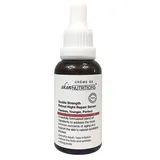
DermalistAge Defying MultiComplexYOUR PRODUCTPCA SKINIntensive Age Refining Treatment 0.5 Percent Pure Retinol Nightcolibri skincareVitamin A SerumSkin NutritionsDouble Strength Retinol Night Repair Serum
Match—79%78%78%
Price—$120.00$16.89$28.00
Shared key ingredients—6 of 165 of 166 of 16
Key difference—Myristoyl Nonapeptide-3Hydroxypinacolone RetinoateRetinyl Palmitate
Irritancy High Medium High Medium
Drying alcohol————
View product Shop Shop Shop

More alternatives: ilso ER Firming SerumFacile Reverse 0.2% Retinol Firming Serum for Fine Lines & Wrinkles

Cheaper alternatives? See how this stacks up against similar formulas.
We compare ingredient profiles across our catalog — pick the closest match for your budget.
Open dupe finder

Product summary

"Dermalist - Age Defying MultiComplex" is effective for: Anti-blemish, Anti-aging, Exfoliation, Evens skin tone and Moisturizing

Ingredient callouts

  • A good concentration of Niacinamide (4.20% - 5.10%). Niacinamide is a well-studied multi-tasking active. It is stable, and can work well in almost any hydrating formulation. There is solid evidence that Niacinamide can help support skin barrier, regulate oil production and reduce acne and clogged pores. It also helps to fight photodamage and improve the skin tone, reducing pigmentation marks.
  • This product contains an effective form of Retinoids (vitamin A): retinol 0.65% - 0.95%. Retinoids are potent multitasking actives. They work to improve and prevent early signs of aging, reduce hyperpigmentation (age spots and post-acne marks), and prevent inflamed blemishes and clogged pores. The downside of Retinoids is that they can be irritating. If you are not already using a Retinoid in your routine, it is best to start slowly and apply the Retinoid product only a few times per week. If your skin tolerates it well, you can gradually increase the frequency to daily.
  • Peptides (acetyl tetrapeptide-2 0.25% - 0.50% and acetyl octapeptide-3 0.25% - 0.50%). Peptides are a very big group of ingredients. They all consist of a different combination of aminoacids. Our skin produces Peptides naturally. Some of them work as natural antibiotics, promote wound-healing and production of collagen. The scientists are still studying how effective the topical application of Peptides is, but it is very likely that theynare helpful. Peptides might be able to support skin barrier restoration and even have an anti-aging benefit. At the very least, they certainly help attract water to the skin and support the hydration in this way.
  • An effective concentration of Panthenol (pro-vitamin B5) - about 2.30% - 2.80%. Panthenol helps strengthen the skin barrier, improve hydration and reduce inflammation in skin.
  • Humectants (acetyl octapeptide-3 0.25% - 0.50%, hyaluronic acid 0.30% - 0.55%, sodium hyaluronate 0.30% - 0.60%, panthenol 2.30% - 2.80% and glycerin 4.60% - 5.70%). These ingredients help attract water to the upper layer of the skin and improve the skin hydration.

Sources cited in this review

Every concentration estimate and effectiveness label is anchored to one of these 34 studies and safety reviews.

  1. 1
  2. 2
  3. 3
  4. 4
  5. 5
  6. 6
Dermalist Age Defying MultiComplex
DermalistAge Defying MultiComplex

Affiliate links · As an Amazon Associate, WIMJ earns from qualifying purchases.

As an Amazon Associate, WIMJ earns from qualifying purchases.