Works for:
based on ingredients and %- Cleansing
- Exfoliation
- Anti-blemish
Can it cause trouble?
- Irritation risk: high
- Comedogenic risk ingredients: 3
Key actives


Works for
Anti-blemish
This product can help reduce breakouts and clogged pores because it contains the following ingredient: retinol. This ingredient is used for treating acne and can have a noticeable effect.
Two steps removed from the active form of vitamin A - retinoic acid. Once converted to the retinoic acid in the skin, retinol is proven to be effective against all signs of aging. It improves skin cell turnover, helps fight blemishes and clogged pores, can regulate excess oil production and even skin tone. It can, however, be quite irritating
Is proven to be effective in reducing blemishes, evening out skin tone and helping to improve lines and wrinkles. It helps the skin to repair sun damage, calm down inflammation and keep maintain good levels of moisture. The concentration of about 2% is effective for supporting the skin barrier and evening out the skin tone. Concentration of 4-6% is better for helping with acne and balancing the sebum production
Helps calm down inflammation in skin and can help reduce itching. Helps to repair the skin barrier and keep skin hydrated
Can contain potent anti-oxidant compounds (abbreviated ECG, GCG, EGC, and EGCG) that might help protect the skin from free radicals. Can help calm down inflammation and has some anti-bacterial properties. Unfortunately, these antioxidants are unstable and lose their effectiveness very quickly in products. The concentration of the antioxidant compounds in the extract also tends to be low to be effective in topical formulation
Traditionally used to treat sunburns, dermatitis and inflammation, but evidence for its effectiveness is lacking. The extract can contain humectants that help attract water into the skin
Cleansing
What does the product description say?
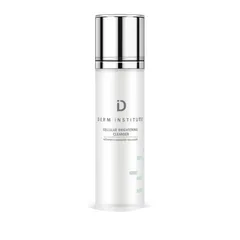
Cellular Brightening Cleanser
Source: From product name
This product works by removing dirt and oil from the surface of the skin. It uses a combination of mild cleansing agents (carbomer, cetearyl alcohol, cocamidopropyl betaine, cocamidopropyl dimethylamine, dimaltosyl cyclodextrin, glyceryl caprylate, potassium cocoyl glycinate, sodium cocoyl glycinate, sodium laureth sulfate) and should be able to cleanse the skin gently. Still keep in mind that any cleansing can disrupt the skin barrier, and most people do not need to cleanse their skin more than once per day.
Even though this formulation is mild, the following cleansing agents could trigger an irritation or allergy for some people: cocamidopropyl betaine, cocamidopropyl dimethylamine, sodium laureth sulfate
Helps create a thicker or gel-like product texture. It is not a surfactant but can be used in gentle cleansing formulations
A non-drying alcohol. Works as an emollient. Helps water and oil mix together and creates a nice product texture
Helps water and oil mix together. Used as a cleansing ingredient. Could be an allergen
Helps oil and water mix together. Can work as a cleansing agent. Can be irritating
An emollient that can also help water and oil mix together, as well as prevent bacteria growth in products
Helps oil and water mix together
Works as a foaming cleansing agent
Exfoliation
What does the product description say?
Containing malic acid, this gel cleanser works to gently exfoliate the dead cells on the skin's surface, helping to eradicate an uneven complexion and promote smoothness.
Source: SpaceNK
This product can help exfoliate the skin. In other words, it helps break down the bonds between dead cells on the surface of the skin and speed up the skin turnover. Skin often appears softer and brighter after exfoliation, but overdoing it can result in disrupted skin barrier. The following ingredient is doing the exfoliating job in this product: retinol.
Two steps removed from the active form of vitamin A - retinoic acid. Once converted to the retinoic acid in the skin, retinol is proven to be effective against all signs of aging. It improves skin cell turnover, helps fight blemishes and clogged pores, can regulate excess oil production and even skin tone. It can, however, be quite irritating
Helps calm down inflammation in skin and can help reduce itching. Helps to repair the skin barrier and keep skin hydrated
How honest is this product?
| Promise | Can it deliver? |
|---|---|
| Cleansing | |
| Exfoliation |
Total Promises Fulfilled score: 100/100.
We receive a small commission for purchases made through these links at no cost for you. Thank you for your support! Learn more
Potential irritants
Comedogenic ingredients
User reviews (0)
Averages from community submissions.
No reviews yet for this product.
Be the first to share your experience!
Tried this product?
Help capture what the ingredient list can't—texture, finish, pilling, scent, and more. Answer what you can, skip the rest.
Takes ~30 seconds.
Reviews are shown in aggregate. No personal details.
| Product | Similarity | Price | Irritancy |
|---|---|---|---|
 Derm Institute Cellular Brightening Cleanser | Current | $80.00 | |
La Roche-Posay Effaclar Medicated Gel Cleanser | 54% | $18.99 | |
 Dr Natasha Cook DrNC CONCENTRATED CLEANSER | 54% | - | |
Skinfix USA Acne+ 2% BHA Cleanser | 54% | $35.00 | |
 Murad Anti-Aging Acne Time Release Acne Cleanser | 53% | - | |
 Kmart 2 in 1 Deep Gel Cleanser and Makeup Eraser - Salicylic Acid & Vitamin B3 | 53% | - |
Key Actives
Is proven to be effective in reducing blemishes, evening out skin tone and helping to improve lines and wrinkles. It helps the skin to repair sun damage, calm down inflammation and keep maintain good levels of moisture. The concentration of about 2% is effective for supporting the skin barrier and evening out the skin tone. Concentration of 4-6% is better for helping with acne and balancing the sebum production
Helps calm down inflammation in skin and can help reduce itching. Helps to repair the skin barrier and keep skin hydrated
Can contain potent anti-oxidant compounds (abbreviated ECG, GCG, EGC, and EGCG) that might help protect the skin from free radicals. Can help calm down inflammation and has some anti-bacterial properties. Unfortunately, these antioxidants are unstable and lose their effectiveness very quickly in products. The concentration of the antioxidant compounds in the extract also tends to be low to be effective in topical formulation
Two steps removed from the active form of vitamin A - retinoic acid. Once converted to the retinoic acid in the skin, retinol is proven to be effective against all signs of aging. It improves skin cell turnover, helps fight blemishes and clogged pores, can regulate excess oil production and even skin tone. It can, however, be quite irritating
A plant extract that contains resveratrol and other anti-oxidant compounds that can help neutralize free radicals, reduce inflammation in skin and even out its tone. Can be also used to stabilize the product formulation
Helps attract water to the upper layer of the skin and can help improve skin barrier function
A vitamin C derivative that is more stable but less potent than pure form of vitamin C. Has a potential to boost collagen production, nutralise free radicals and reduce hyperpigmentation, but the required concentration is likely to be much higher than for the pure form of vitamin C, limiting the ingredient's effectiveness in products
Helps neutralize free radicals in skin and might help reduce fine lines and wrinkles, as well as even out the skin tone
A non-drying alcohol. Works as an emollient. Helps water and oil mix together and creates a nice product texture
An emollient that can also help water and oil mix together, as well as prevent bacteria growth in products
Helps oil and water mix together
One of the best moisturizing ingredients. Naturally present in skin. It attracts water to the upper layer of the skin working as a humectant
Works as a foaming cleansing agent
Helps water and oil mix together. Used as a cleansing ingredient. Could be an allergen
Helps attract water to the upper layer of the skin and improves the product texture
Helps attract water to the upper layer of the skin
One of the best moisturizing ingredients. Attracts water into the upper layer of the skin
Helps oil and water mix together. Can work as a cleansing agent. Can be irritating
Helps attract water to the upper layer of the skin and provide a longer-lasting hydration. Can create a thicker product consistency
An oil-soluble compound that has been shown in laboratory studies (in a petri dish, not on human volunteers) to inhibit melanin production in skin and help even out the skin tone. More research is needed to understand if it works in real life
A good emollient that helps soften the skin and helps repair its barrier function. It can clog pores if used in high concentrations.
Helps create a thicker or gel-like product texture. It is not a surfactant but can be used in gentle cleansing formulations
Potential irritants
Helps water and oil mix together. Used as a cleansing ingredient. Could be an allergen
Helps oil and water mix together and can enhance the penetration of other ingredients into the skin. It can be irritating
An aromatic blend of unspecified and possibly irritating ingredients
Helps oil and water mix together. Can work as a cleansing agent. Can be irritating
Two steps removed from the active form of vitamin A - retinoic acid. Once converted to the retinoic acid in the skin, retinol is proven to be effective against all signs of aging. It improves skin cell turnover, helps fight blemishes and clogged pores, can regulate excess oil production and even skin tone. It can, however, be quite irritating
A common frangrance that can easily irritate skin, especially if exposed to air, light or heat
Used to preserve products, dissolve other ingredients and create a nice product texture
Used to stabilize product formulation, help create an even product layer over skin (for example, in sunscreen) and create a thicker product consistency
Traditionally used to treat sunburns, dermatitis and inflammation, but evidence for its effectiveness is lacking. The extract can contain humectants that help attract water into the skin
A vitamin C derivative that is more stable but less potent than pure form of vitamin C. Has a potential to boost collagen production, nutralise free radicals and reduce hyperpigmentation, but the required concentration is likely to be much higher than for the pure form of vitamin C, limiting the ingredient's effectiveness in products
Helps attract water to the upper layer of the skin and provide a longer-lasting hydration. Can create a thicker product consistency
A fruit extract that might help to attract water to the upper layer of the skin, but there is no evidence for any other benefits to the skin
An oil-soluble compound that has been shown in laboratory studies (in a petri dish, not on human volunteers) to inhibit melanin production in skin and help even out the skin tone. More research is needed to understand if it works in real life
Can work as an exfoliant but is typically used to adjust the product pH
Helps to control the skin's pH level. Maintains the skin's natural film of amino-lactic acids and oils. Helps to preserve products
A good emollient that helps soften the skin and helps repair its barrier function. It can clog pores if used in high concentrations.
Helps neutralize free radicals in skin and might help reduce fine lines and wrinkles, as well as even out the skin tone
Helps mask the small of other ingredients and improve the product texture
Comedogenic ingredients
A non-drying alcohol. Works as an emollient. Helps water and oil mix together and creates a nice product texture
A good emollient that helps soften the skin and helps repair its barrier function. It can clog pores if used in high concentrations.
All ingredients
One of the best moisturizing ingredients. Naturally present in skin. It attracts water to the upper layer of the skin working as a humectant
Used to preserve products, dissolve other ingredients and create a nice product texture
Used to stabilize product formulation, help create an even product layer over skin (for example, in sunscreen) and create a thicker product consistency
Helps water and oil mix together. Used as a cleansing ingredient. Could be an allergen
Is proven to be effective in reducing blemishes, evening out skin tone and helping to improve lines and wrinkles. It helps the skin to repair sun damage, calm down inflammation and keep maintain good levels of moisture. The concentration of about 2% is effective for supporting the skin barrier and evening out the skin tone. Concentration of 4-6% is better for helping with acne and balancing the sebum production
Helps attract water to the upper layer of the skin and can help improve skin barrier function
Helps attract water to the upper layer of the skin and improves the product texture
Traditionally used to treat sunburns, dermatitis and inflammation, but evidence for its effectiveness is lacking. The extract can contain humectants that help attract water into the skin
Helps oil and water mix together and can enhance the penetration of other ingredients into the skin. It can be irritating
One of the best moisturizing ingredients. Attracts water into the upper layer of the skin
A non-drying alcohol. Works as an emollient. Helps water and oil mix together and creates a nice product texture
Used to stabilize mixtures of oil and water, and create thicker, gel-like product textures
Creates an illusion of smoother and more radiant skin tone. Adds shimmer to the skin by reflecting light
An emollient that can also help water and oil mix together, as well as prevent bacteria growth in products
An aromatic blend of unspecified and possibly irritating ingredients
Helps oil and water mix together. Can work as a cleansing agent. Can be irritating
A vitamin C derivative that is more stable but less potent than pure form of vitamin C. Has a potential to boost collagen production, nutralise free radicals and reduce hyperpigmentation, but the required concentration is likely to be much higher than for the pure form of vitamin C, limiting the ingredient's effectiveness in products
Helps calm down inflammation in skin and can help reduce itching. Helps to repair the skin barrier and keep skin hydrated
Helps attract water to the upper layer of the skin and provide a longer-lasting hydration. Can create a thicker product consistency
A preservative. It helps prevent bacterial growth in cosmetic products
Can contain potent anti-oxidant compounds (abbreviated ECG, GCG, EGC, and EGCG) that might help protect the skin from free radicals. Can help calm down inflammation and has some anti-bacterial properties. Unfortunately, these antioxidants are unstable and lose their effectiveness very quickly in products. The concentration of the antioxidant compounds in the extract also tends to be low to be effective in topical formulation
A fruit extract that might help to attract water to the upper layer of the skin, but there is no evidence for any other benefits to the skin
Used to create a nice product texture and help delivery of other ingredients. Might be somewhat helpful in attracting water to the upper layer of the skin
A plant extract that contains resveratrol and other anti-oxidant compounds that can help neutralize free radicals, reduce inflammation in skin and even out its tone. Can be also used to stabilize the product formulation
An oil-soluble compound that has been shown in laboratory studies (in a petri dish, not on human volunteers) to inhibit melanin production in skin and help even out the skin tone. More research is needed to understand if it works in real life
Can work as an exfoliant but is typically used to adjust the product pH
Helps to control the skin's pH level. Maintains the skin's natural film of amino-lactic acids and oils. Helps to preserve products
A type of sugar that is used to support delivery of active ingredients and can enhance their penetration into the skin without disrupting the skin's barrier
A good emollient that helps soften the skin and helps repair its barrier function. It can clog pores if used in high concentrations.
A colorant that can add a pearl-like appearance to the formulation
Two steps removed from the active form of vitamin A - retinoic acid. Once converted to the retinoic acid in the skin, retinol is proven to be effective against all signs of aging. It improves skin cell turnover, helps fight blemishes and clogged pores, can regulate excess oil production and even skin tone. It can, however, be quite irritating
Helps neutralize free radicals in skin and might help reduce fine lines and wrinkles, as well as even out the skin tone
Helps create a thicker or gel-like product texture. It is not a surfactant but can be used in gentle cleansing formulations
Can help neutralize free radicals in skin. Preliminary studies show that it can be more effective than coenzyme Q10 but studies on effective concentration for topical applications are lacking
Helps mask the small of other ingredients and improve the product texture
Pure form of vitamin E. Can help moisturise and protect the skin from free radicals. Often used to help stabilise other ingredients or the formula itself
A common frangrance that can easily irritate skin, especially if exposed to air, light or heat
Ingredient list view
Water, Sodium cocoyl glycinate, Disiloxane, Glycerin, Potassium cocoyl glycinate, Pentylene glycol, Acrylates copolymer, Sodium laureth sulfate, Cocamidopropyl betaine, Niacinamide, Panthenol, Betaine, Aloe barbadensis leaf juice, Propylene glycol, Saccharide isomerate, Sodium hyaluronate, Cetearyl alcohol, Sodium chloride, Mica, Ethylhexylglycerin, Glyceryl caprylate, Parfum, Chlorphenesin, Cocamidopropyl dimethylamine, Sodium hydroxide, Ascorbyl glucoside, Allantoin, Glyceryl acrylate/acrylic acid copolymer, Phenoxyethanol, Camellia sinensis leaf extract, Ananas sativus fruit extract, Butylene glycol, Pvm/ma copolymer, Vitis vinifera seed extract, Dimethylmethoxy chromanyl palmitate, Citric acid, Sodium citrate, Hydrolyzed pearl, Maltosyl cyclodextrin, Cyclodextrin, Dimaltosyl cyclodextrin, Maltose, Glycine soja oil, Disodium edta, Vitis vinifera leaf/seed/skin extract, Potassium sorbate, Sodium benzoate, Tin oxide, Retinol, Sodium metabisulfite, Sorbic acid, Resveratrol, Carbomer, Ergothioneine, Acacia senegal gum, Tocopherol, Propylene glycol alginate, Limonene, Ci 77891
- Glycerol and the skin: holistic approach to its origin and functions
- Final Report on the Safety Assessment of Acrylates Copolymer and 33 Related Cosmetic Ingredients
- Amended Safety Assessment of Acrylates Copolymers as Used in Cosmetics
- Surfactants and experimental irritant contact dermatitis
- Niacinamide - mechanisms of action and its topical use in dermatology
- Gehring, W. (2004). Nicotinic acid/niacinamide and the skin. Journal of Cosmetic Dermatology, 3(2), 88–93. doi:10.1111/j.1473-2130.2004.00115.x
- Skin moisturizing effects of panthenol-based formulations
- Safety Assessment of Panthenol, Pantothenic Acid, and Derivatives as Used in Cosmetics
- Propylene Glycol
- Skin-sensitizing and irritant properties of propylene glycol
- Hyaluronic acid: A key molecule in skin aging
- Hyaluronan (Hyaluronic Acid): a natural moisturizer for skin care
- Occupational contact allergy to cocamidopropyl betaine and its impurities
- The Roles of Vitamin C in Skin Health
- Stability, transdermal penetration, and cutaneous effects of ascorbic acid and its derivatives
- Profile of wound healing process induced by allantoin
- Safety Assessment of Vitis Vinifera (Grape)-Derived Ingredients as Used in Cosmetics
- The Topical Effect of Grape Seed Extract 2% Cream on Surgery Wound Healing
- Review of the Pharmacological Effects of Vitis vinifera (Grape) and its Bioactive Constituents: An Update
- Development of a new cosmetic active for safe skin brightening
- Skin lightening through a new natural oily composition from botanical origin
- Cyclodextrins: new drug delivery systems in dermatology
- Safety Assessment of Tin(IV) Oxide as Used in Cosmetics
- Retinoids in the treatment of skin aging: an overview of clinical efficacy and safety
- Improvement of naturally aged skin with vitamin A (retinol)
- A comparative study of the effects of retinol and retinoic acid on histological, molecular, and clinical properties of human skin
- Final report on the safety assessment of sodium sulfite, potassium sulfite, ammonium sulfite, sodium bisulfite, ammonium bisulfite, sodium metabisulfite and potassium metabisulfite
- Skin permeation and antioxidant efficacy of topically applied resveratrol
- Chemoprevention of skin cancer by grape constituent resveratrol: relevance to human disease?
- Evaluation of efficacy and tolerance of a nighttime topical antioxidant containing resveratrol, baicalin, and vitamin e for treatment of mild to moderately photodamaged skin
- Resveratrol as a Multifunctional Topical Hypopigmenting Agent
- Anti-aging properties of resveratrol: review and report of a potent new antioxidant skin care formulation
- Resveratrol: A Unique Antioxidant Offering a Multi-Mechanistic Approach for Treating Aging Skin
- A comparison of the relative antioxidant potency of L‐ergothioneine and idebenone
- l-Ergothioneine Protects Skin Cells against UV-Induced Damage—A Preliminary Study
- Vitamin E in dermatology
- Vitamin E and Skin Health