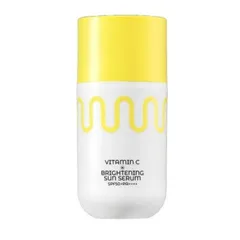
Works for:
based on ingredients and %- Moisturizing
- Anti-oxidation
- Anti-aging
Doesn't work for:
based on ingredients and %- Evens skin tone
Can it cause trouble?
- Irritation risk: high
- Comedogenic risk ingredients: 1
Key actives


Product Summary
"Common Labs - Buy Common Labs Vitamin C Brightening Sun Stick in Australia - Korean Skincare Online" is effective for: Moisturizing
This product could be helpful for: Anti-aging, but its actives are not the most effective or are not well-studied.
Ingredient callouts
- This product also contains Vitamin C (Ascorbic Acid). It can be an effective active for anti-aging and evening out the skin tone, but in this product it is used for stabilizing other ingredients in the formulation. In this concentration (0.50% - 0.75%) it cannot have a noticeable benefit for the skin.
- This product includes a form of Retinoids (vitamin A) - retinyl palmitate 0.45% - 0.65%, but this type of vitamin A is not very effective. It could in theory help with fine lines and wrinkles, but the effect is most likely minimal.
- Humectants (saccharomyces ferment filtrate 0.50% - 0.75%, panthenol 0.50% - 0.75% and glycerin 0.55% - 0.80%). These ingredients help attract water to the upper layer of the skin and improve the skin hydration.
Price
The product retails for 17.95A$ in Australia.
For a detailed price comparison: click here.
Moisturizing
This product can help improve hydration of the skin with the two types of ingredients.
The first type is called “humectants”:
these ingredients help attract water.
When humectants are on the surface of the skin, they “pull in” the moisture from the outside environment, or from
within deeper layers of the skin. The following ingredients in this product do the job:
glycerin, saccharomyces ferment filtrate.
This product also contains ingredients called “occlusives”. They help reduce the speed with which our skin loses moisture to the outside environment. These ingredients also help soften the upper layer of the skin, so it feels less tight and nicer to the touch. The following ingredients in this product do the job: squalane, vinyl dimethicone.
The following ingredients in this product are especially good for supporting the skin barrier and helping with the hydration level: panthenol
One of the best moisturizing ingredients. Naturally present in skin. It attracts water to the upper layer of the skin working as a humectant
A product of yeast fermentation. Helps attract water to the upper layer of the skin
An oil naturally present in skin. Works as an emollient to soften the skin and form a protective layer on its surface without a greasy feeling.
Can support skin barrier function and reduce inflammation in skin
A type of silicone that helps to create a nice product texture and soften the upper layer of the skin
Helps attract water to the upper layer of the skin and can help improve skin barrier function
A plant extract that helps attract water to the upper layer of the skin. It might be helpful in neutralizing free radicals in skin, but is less potent than the extract from the seeds
A plant root extract that helps attract water to the upper layer of the skin. It might have an anti-inflammatory effect and could help neturalize free radicals in skin
Helps soften the upper layer of the skin
Enhances the product texture and makes it more spreadable. Helps reduce water loss from the outer layer of skin. Extands the shelf life by preventing bacteria growth
Helps to soften the upper layer of the skin without creating a greasy texture
An emollient that helps soften the skin and creates a thicker product texture
Helps preserve products and creates a nice product texture
Helps soften the upper layer of the skin and create a nice product consistency
Helps products spread more easily and works as an emollient to soften skin
Used to create a nice product texture and help delivery of other ingredients. Might be somewhat helpful in attracting water to the upper layer of the skin
An emollient that can also help water and oil mix together, as well as prevent bacteria growth in products
Helps soften the upper layer of the skin and create a thicker product consistency
Might have some moisturising properties. Is not effective when applied topically beyond some moisturizing effect
Helps water and oil mix together and softens the upper layer of the skin
Softens the upper layer of skin and helps restore the healthy skin barrier. Has shown to help calm down inflammation in skin. It is a stable oil, meaning that it retains its properties even when exposed to air.
Is proven to be effective in reducing blemishes, evening out skin tone and helping to improve lines and wrinkles. It helps the skin to repair sun damage, calm down inflammation and keep maintain good levels of moisture. The concentration of about 2% is effective for supporting the skin barrier and evening out the skin tone. Concentration of 4-6% is better for helping with acne and balancing the sebum production
Can have some moisturizing properties due to its sugar content
Pure form of vitamin E. Can help moisturise and protect the skin from free radicals. Often used to help stabilise other ingredients or the formula itself
Anti-aging
This product contains folic acid. This ingredient might be able to help reduce and prevent fine lines and wrinkles, improve skin elasticity and firmness, but there is not enough evidence that it actually works.
Can help stimulate collagen production in skin. While available studies are promising, more research is needed to confirm the efficacy in skin
Is proven to be effective in reducing blemishes, evening out skin tone and helping to improve lines and wrinkles. It helps the skin to repair sun damage, calm down inflammation and keep maintain good levels of moisture. The concentration of about 2% is effective for supporting the skin barrier and evening out the skin tone. Concentration of 4-6% is better for helping with acne and balancing the sebum production
The most well-researched antioxidant that works in skin. Helps neutralize free radicals supporting collagen production, helping to even out the skin tone and preventing early signs of aging
Three steps removed from the active form of vitamin A - retinoic acid. To have an effect in the skin, it first needs to be converted twice to become the retinoic acid. This means it is less potent than retinol, but could also be less irritating. Once converted to the retinoic acid in the skin, it helps against all signs of aging, improves skin cell turnover and helps fight blemishes and clogged pores. However, in many cosmetic formulations, it is used in a concentration that is too low to have the full effect
Pure form of vitamin E. Can help moisturise and protect the skin from free radicals. Often used to help stabilise other ingredients or the formula itself
A stable derivative of vitamin C. It is oil-soluble which means it is more likely to penetrate the skin compared to the pure form of vitamin C (which is water-soluble), but it is less bio-available and is way less effective in stimulating collagen and reducing wrinkles compared to the pure form of vitamin C (L-ascorbic acid) and its other derivatives (for example, magnesium ascorbyl phosphate). At the same time, this vitamin C derivative has been shown in studies to be effective in reducing acne, blemishes and clogged pores. It is less irritating then the pure form of vitamin C
Anti-oxidation
This product contains antioxidants (cryptomeria japonica leaf extract, pyridoxine) that might be able to help neutralize free radicals in skin to lessen the damage it gets from the UV light (sun). There is not enough evidence to confirm their effectiveness in skin though.
A plant extract that might have antioxidant effect in skin
Might help neutralize free radicals in skin, but evidence of effectiveness in skin is lacking. It might be irritating
A plant extract that might have an anti-oxidant effect and help even out skin tone, but solid evidence of effectiveness is lacking
A plant extract that can have some anti-oxidant effect in skin
A more stable but less bio-available form of vitamin E compared to Tocopherol. Might help moisturize and protect the skin from free radicals, but mostly used in low concentrations to stabilize other ingredients.
A plant root extract that helps attract water to the upper layer of the skin. It might have an anti-inflammatory effect and could help neturalize free radicals in skin
A plant extract that helps attract water to the upper layer of the skin. It might be helpful in neutralizing free radicals in skin, but is less potent than the extract from the seeds
A plant extract that might have some anti-oxidant effect in skin, but evidence is lacking
The most well-researched antioxidant that works in skin. Helps neutralize free radicals supporting collagen production, helping to even out the skin tone and preventing early signs of aging
Pure form of vitamin E. Can help moisturise and protect the skin from free radicals. Often used to help stabilise other ingredients or the formula itself
A stable derivative of vitamin C. It is oil-soluble which means it is more likely to penetrate the skin compared to the pure form of vitamin C (which is water-soluble), but it is less bio-available and is way less effective in stimulating collagen and reducing wrinkles compared to the pure form of vitamin C (L-ascorbic acid) and its other derivatives (for example, magnesium ascorbyl phosphate). At the same time, this vitamin C derivative has been shown in studies to be effective in reducing acne, blemishes and clogged pores. It is less irritating then the pure form of vitamin C
An active component of chamomile plant that historically has been used to calm down irritated skin. A recent study shows that bisabolol indeed can have some anti-inflammatory effect on skin, even though conclusive data is lacking. Bisabolol has a sweet floral scent and can be added to products for its aromatic properties
Can have some moisturizing properties due to its sugar content
Evens skin tone
What does the product description say?
Enriched with Vitamin C, Niacinamide, and Panthenol to brighten the skin, reduce dark spots, and strengthen the skin barrier.
Source: Lila Beauty
This product contains ingredients (prunus mume fruit extract) that could help reduce hyperpigmentation (for example, post-acne marks or age spots) in theory, but there is not enough evidence that they actually work.
A plant extract that might have an anti-oxidant effect and help even out skin tone, but solid evidence of effectiveness is lacking
Is proven to be effective in reducing blemishes, evening out skin tone and helping to improve lines and wrinkles. It helps the skin to repair sun damage, calm down inflammation and keep maintain good levels of moisture. The concentration of about 2% is effective for supporting the skin barrier and evening out the skin tone. Concentration of 4-6% is better for helping with acne and balancing the sebum production
The most well-researched antioxidant that works in skin. Helps neutralize free radicals supporting collagen production, helping to even out the skin tone and preventing early signs of aging
Three steps removed from the active form of vitamin A - retinoic acid. To have an effect in the skin, it first needs to be converted twice to become the retinoic acid. This means it is less potent than retinol, but could also be less irritating. Once converted to the retinoic acid in the skin, it helps against all signs of aging, improves skin cell turnover and helps fight blemishes and clogged pores. However, in many cosmetic formulations, it is used in a concentration that is too low to have the full effect
How honest is this product?
| Promise | Can it deliver? |
|---|---|
| Evens skin tone |
Total Promises Fulfilled score: 50/100.
We receive a small commission for purchases made through these links at no cost for you. Thank you for your support! Learn more
Affiliate link · supports WIMJ at no cost to you
Potential irritants
Comedogenic ingredients
User reviews (0)
Averages from community submissions.
No reviews yet for this product.
Be the first to share your experience!
Tried this product?
Help capture what the ingredient list can't—texture, finish, pilling, scent, and more. Answer what you can, skip the rest.
Takes ~30 seconds.
Reviews are shown in aggregate. No personal details.
| Product | Similarity | Price | Irritancy |
|---|---|---|---|
 Common Labs Buy Common Labs Vitamin C Brightening Sun Stick in Australia - Korean Skincare Online | Current | $17.95 | |
 NEEDLY pH Balancing Essence Lotion | 56% | $27.40 | |
TOSOWOONG Dexpanthenol Cream | 56% | $19.10 | |
 numbuzin No. 5 Daily Multi-Vitamin Cream | 55% | $20.30 | |
 ROUND LAB Buy Round Lab Camellia Deep Collagen Firming Gel Mask in Australia - Korean Skincare Online | 55% | $3.95 | |
 SKIN 1004. Madagascar Centella Cream | 55% | $15.00 |
Key Actives
Is proven to be effective in reducing blemishes, evening out skin tone and helping to improve lines and wrinkles. It helps the skin to repair sun damage, calm down inflammation and keep maintain good levels of moisture. The concentration of about 2% is effective for supporting the skin barrier and evening out the skin tone. Concentration of 4-6% is better for helping with acne and balancing the sebum production
Pure form of vitamin E. Can help moisturise and protect the skin from free radicals. Often used to help stabilise other ingredients or the formula itself
Three steps removed from the active form of vitamin A - retinoic acid. To have an effect in the skin, it first needs to be converted twice to become the retinoic acid. This means it is less potent than retinol, but could also be less irritating. Once converted to the retinoic acid in the skin, it helps against all signs of aging, improves skin cell turnover and helps fight blemishes and clogged pores. However, in many cosmetic formulations, it is used in a concentration that is too low to have the full effect
An active component of chamomile plant that historically has been used to calm down irritated skin. A recent study shows that bisabolol indeed can have some anti-inflammatory effect on skin, even though conclusive data is lacking. Bisabolol has a sweet floral scent and can be added to products for its aromatic properties
The most well-researched antioxidant that works in skin. Helps neutralize free radicals supporting collagen production, helping to even out the skin tone and preventing early signs of aging
Helps attract water to the upper layer of the skin and can help improve skin barrier function
Can support skin barrier function and reduce inflammation in skin
Helps thicken the product consistency
A synthetic ester of salicylic acid that is used to help disperse pigments and boost effectiveness of sunscreen ingredients. It is able to absorb UV light (working as an organic, or chemical filter), but is not approved as a sunscreen ingredient on its own
Uvinul A Plus. A new generation broad spectrum sunscreen that offers an effective protection especially in the UVA range. It is stable in formulations. Unfortunately, is not approved by the FDA (US) yet
Uvinul T. A UV filter. Effective against UVB rays. It is photostable. Can increase water resistance properties of the sunscreen. Unfortunately, not approved by the FDA (US) yet
A type of silicone that helps to create a nice product texture and soften the upper layer of the skin
A UV filter. Effective against UVB rays, but does not protect against the most aging UVA light
Tinosorb S. One of the most effective broad spectrum sunscreen ingredients. Protects from both UVA and UVB rays. It is photostable. Unfortunately, not approved by FDA (US) yet.
Softens the upper layer of skin and helps restore the healthy skin barrier. Has shown to help calm down inflammation in skin. It is a stable oil, meaning that it retains its properties even when exposed to air.
An oil naturally present in skin. Works as an emollient to soften the skin and form a protective layer on its surface without a greasy feeling.
One of the best moisturizing ingredients. Naturally present in skin. It attracts water to the upper layer of the skin working as a humectant
A plant extract that might have antioxidant effect in skin
A product of yeast fermentation. Helps attract water to the upper layer of the skin
Can help stimulate collagen production in skin. While available studies are promising, more research is needed to confirm the efficacy in skin
Might help neutralize free radicals in skin, but evidence of effectiveness in skin is lacking. It might be irritating
Potential irritants
Used as a fragrance. It can be irritating and cause photosensitivity
A plant oil with high content of volatile compounds that, especially when exposed to air, can cause allergic reactions and irritate the skin
An essential oil with a lemon-like smell that is extracted from a fruit grown in Asia. Used as a fragrance
The most well-researched antioxidant that works in skin. Helps neutralize free radicals supporting collagen production, helping to even out the skin tone and preventing early signs of aging
A plant extract. Used as a fragrance. Can be irritating
A plant extract that might have antioxidant effect in skin
A plant root extract that helps attract water to the upper layer of the skin. It might have an anti-inflammatory effect and could help neturalize free radicals in skin
Three steps removed from the active form of vitamin A - retinoic acid. To have an effect in the skin, it first needs to be converted twice to become the retinoic acid. This means it is less potent than retinol, but could also be less irritating. Once converted to the retinoic acid in the skin, it helps against all signs of aging, improves skin cell turnover and helps fight blemishes and clogged pores. However, in many cosmetic formulations, it is used in a concentration that is too low to have the full effect
Might help neutralize free radicals in skin, but evidence of effectiveness in skin is lacking. It might be irritating
A common frangrance that can easily irritate skin, especially if exposed to air, light or heat
An emollient that helps soften the skin and creates a thicker product texture
A synthetic ester of salicylic acid that is used to help disperse pigments and boost effectiveness of sunscreen ingredients. It is able to absorb UV light (working as an organic, or chemical filter), but is not approved as a sunscreen ingredient on its own
Uvinul A Plus. A new generation broad spectrum sunscreen that offers an effective protection especially in the UVA range. It is stable in formulations. Unfortunately, is not approved by the FDA (US) yet
A more stable but less bio-available form of vitamin E compared to Tocopherol. Might help moisturize and protect the skin from free radicals, but mostly used in low concentrations to stabilize other ingredients.
Helps soften the upper layer of the skin and create a thicker product consistency
Uvinul T. A UV filter. Effective against UVB rays. It is photostable. Can increase water resistance properties of the sunscreen. Unfortunately, not approved by the FDA (US) yet
A UV filter. Effective against UVB rays, but does not protect against the most aging UVA light
Tinosorb S. One of the most effective broad spectrum sunscreen ingredients. Protects from both UVA and UVB rays. It is photostable. Unfortunately, not approved by FDA (US) yet.
Helps preserve products and creates a nice product texture
Helps water and oil mix together
Softens the upper layer of skin and helps restore the healthy skin barrier. Has shown to help calm down inflammation in skin. It is a stable oil, meaning that it retains its properties even when exposed to air.
Can have some moisturizing properties due to its sugar content
A plant extract that helps attract water to the upper layer of the skin. It might be helpful in neutralizing free radicals in skin, but is less potent than the extract from the seeds
Helps water and oil mix together and softens the upper layer of the skin
A stable derivative of vitamin C. It is oil-soluble which means it is more likely to penetrate the skin compared to the pure form of vitamin C (which is water-soluble), but it is less bio-available and is way less effective in stimulating collagen and reducing wrinkles compared to the pure form of vitamin C (L-ascorbic acid) and its other derivatives (for example, magnesium ascorbyl phosphate). At the same time, this vitamin C derivative has been shown in studies to be effective in reducing acne, blemishes and clogged pores. It is less irritating then the pure form of vitamin C
A plant extract that can have some anti-oxidant effect in skin
A plant extract that might have some anti-oxidant effect in skin, but evidence is lacking
Can help attract water to the upper layer of the skin. Is studied as a mosquito repellent
Comedogenic ingredients
Helps soften the upper layer of the skin and create a thicker product consistency
All ingredients
Used to stabilize product formulations and thicken product consistency
Helps to soften the upper layer of the skin without creating a greasy texture
Helps soften the upper layer of the skin
An emollient that helps soften the skin and creates a thicker product texture
Helps soften the upper layer of the skin and create a nice product consistency
A synthetic ester of salicylic acid that is used to help disperse pigments and boost effectiveness of sunscreen ingredients. It is able to absorb UV light (working as an organic, or chemical filter), but is not approved as a sunscreen ingredient on its own
A type of silicone that create a smooth product finish and can create an optical soft-focus effect on the skin. Helps to thicken the product consistency
Uvinul A Plus. A new generation broad spectrum sunscreen that offers an effective protection especially in the UVA range. It is stable in formulations. Unfortunately, is not approved by the FDA (US) yet
A more stable but less bio-available form of vitamin E compared to Tocopherol. Might help moisturize and protect the skin from free radicals, but mostly used in low concentrations to stabilize other ingredients.
Helps soften the upper layer of the skin and create a thicker product consistency
Uvinul T. A UV filter. Effective against UVB rays. It is photostable. Can increase water resistance properties of the sunscreen. Unfortunately, not approved by the FDA (US) yet
Helps products spread more easily and works as an emollient to soften skin
A type of silicone that helps to create a nice product texture and soften the upper layer of the skin
A UV filter. Effective against UVB rays, but does not protect against the most aging UVA light
Tinosorb S. One of the most effective broad spectrum sunscreen ingredients. Protects from both UVA and UVB rays. It is photostable. Unfortunately, not approved by FDA (US) yet.
Enhances the product texture and makes it more spreadable. Helps reduce water loss from the outer layer of skin. Extands the shelf life by preventing bacteria growth
An active component of chamomile plant that historically has been used to calm down irritated skin. A recent study shows that bisabolol indeed can have some anti-inflammatory effect on skin, even though conclusive data is lacking. Bisabolol has a sweet floral scent and can be added to products for its aromatic properties
Used as a fragrance. It can be irritating and cause photosensitivity
An emollient that can also help water and oil mix together, as well as prevent bacteria growth in products
Helps preserve products and creates a nice product texture
Helps water and oil mix together
A plant oil with high content of volatile compounds that, especially when exposed to air, can cause allergic reactions and irritate the skin
An essential oil with a lemon-like smell that is extracted from a fruit grown in Asia. Used as a fragrance
Softens the upper layer of skin and helps restore the healthy skin barrier. Has shown to help calm down inflammation in skin. It is a stable oil, meaning that it retains its properties even when exposed to air.
An oil naturally present in skin. Works as an emollient to soften the skin and form a protective layer on its surface without a greasy feeling.
Pure form of vitamin E. Can help moisturise and protect the skin from free radicals. Often used to help stabilise other ingredients or the formula itself
The most well-researched antioxidant that works in skin. Helps neutralize free radicals supporting collagen production, helping to even out the skin tone and preventing early signs of aging
Used to create a nice product texture and help delivery of other ingredients. Might be somewhat helpful in attracting water to the upper layer of the skin
Helps to dissolve other ingredients in a formulation. Slows down the rate of product drying
One of the best moisturizing ingredients. Naturally present in skin. It attracts water to the upper layer of the skin working as a humectant
A plant extract that might have an anti-oxidant effect and help even out skin tone, but solid evidence of effectiveness is lacking
Can have some moisturizing properties due to its sugar content
A plant extract that helps attract water to the upper layer of the skin. It might be helpful in neutralizing free radicals in skin, but is less potent than the extract from the seeds
Helps to retain moisture by creating a protective barrier on the skin. Rich in fatty acids. Improves product texture and helps with the penetration of other ingredients.
Helps water and oil mix together and softens the upper layer of the skin
A plant extract. Used as a fragrance. Can be irritating
Helps attract water to the upper layer of the skin and can help improve skin barrier function
A stable derivative of vitamin C. It is oil-soluble which means it is more likely to penetrate the skin compared to the pure form of vitamin C (which is water-soluble), but it is less bio-available and is way less effective in stimulating collagen and reducing wrinkles compared to the pure form of vitamin C (L-ascorbic acid) and its other derivatives (for example, magnesium ascorbyl phosphate). At the same time, this vitamin C derivative has been shown in studies to be effective in reducing acne, blemishes and clogged pores. It is less irritating then the pure form of vitamin C
A plant extract that might have antioxidant effect in skin
A plant extract that can have some anti-oxidant effect in skin
A plant extract that might have some anti-oxidant effect in skin, but evidence is lacking
A product of yeast fermentation. Helps attract water to the upper layer of the skin
A plant root extract that helps attract water to the upper layer of the skin. It might have an anti-inflammatory effect and could help neturalize free radicals in skin
Is proven to be effective in reducing blemishes, evening out skin tone and helping to improve lines and wrinkles. It helps the skin to repair sun damage, calm down inflammation and keep maintain good levels of moisture. The concentration of about 2% is effective for supporting the skin barrier and evening out the skin tone. Concentration of 4-6% is better for helping with acne and balancing the sebum production
Helps adjust the product pH and stabilize the formulation
Used to stabilize mixtures of oil and water, and create thicker, gel-like product textures
Three steps removed from the active form of vitamin A - retinoic acid. To have an effect in the skin, it first needs to be converted twice to become the retinoic acid. This means it is less potent than retinol, but could also be less irritating. Once converted to the retinoic acid in the skin, it helps against all signs of aging, improves skin cell turnover and helps fight blemishes and clogged pores. However, in many cosmetic formulations, it is used in a concentration that is too low to have the full effect
Might have some moisturising properties. Is not effective when applied topically beyond some moisturizing effect
Can help attract water to the upper layer of the skin. Is studied as a mosquito repellent
Can help stimulate collagen production in skin. While available studies are promising, more research is needed to confirm the efficacy in skin
Might help neutralize free radicals in skin, but evidence of effectiveness in skin is lacking. It might be irritating
Can support skin barrier function and reduce inflammation in skin
A common frangrance that can easily irritate skin, especially if exposed to air, light or heat
Ingredient list view
Methyl methacrylate crosspolymer, Synthetic wax, Coco-caprylate/caprate, Butylene glycol dicaprylate/dicaprate, Cetyl ethylhexanoate, Dibutyl adipate, Butyloctyl salicylate, Vinyl dimethicone/methicone silsesquioxane crosspolymer, Silica, Diethylamino hydroxybenzoyl hexyl benzoate, Tocopheryl acetate, Isopropyl palmitate, Ethylhexyl triazone, Dicaprylyl carbonate, Vinyl dimethicone, Diethylhexyl 2,6-naphthalate, Polysilicone-15, Bis-ethylhexyloxyphenol methoxyphenyl triazine, C12-15 alkyl benzoate, Ozokerite, Bisabolol, Citrus aurantium dulcis oil, Glyceryl caprylate, Caprylyl glycol, Polyglyceryl-4 diisostearate/polyhydroxystearate/sebacate, Ethylhexylglycerin, Citrus nobilis peel oil, Litsea cubeba fruit oil, Simmondsia chinensis seed oil, Squalane, Tocopherol, Solanum lycopersicum fruit extract, Water, Ascorbic acid, Butylene glycol, Dipropylene glycol, Glycerin, Sodium palmitoyl proline, Prunus mume fruit extract, Pyrus malus fruit extract, Carica papaya fruit extract, Vitis vinifera fruit extract, 1,2-hexanediol, Hydrogenated lecithin, Polyglyceryl-10 stearate, Bellis perennis flower extract, Panthenol, Phenethyl alcohol, Sodium ascorbyl phosphate, Malpighia emarginata fruit extract, Cryptomeria japonica leaf extract, Euterpe oleracea fruit extract, Nelumbo nucifera leaf extract, Terminalia ferdinandiana fruit extract, Saccharomyces ferment filtrate, Oenothera biennis flower extract, Ulmus davidiana root extract, Pinus palustris leaf extract, Pueraria lobata root extract, Nymphaea alba flower extract, Niacinamide, Disodium phosphate, Sodium chloride, Potassium chloride, Potassium phosphate, Retinyl palmitate, Biotin, Thiamine hcl, Folic acid, Pyridoxine, Cyanocobalamin, Limonene, Citral, Linalool, Citronellol
- Safety Assessment of Alkyl Esters as Used in Cosmetics
- Safety assessment of Salicylic Acid, Butyloctyl Salicylate, Calcium Salicylate, C12-15 Alkyl Salicylate, Capryloyl Salicylic Acid, Hexyldodecyl Salicylate, Isocetyl Salicylate, Isodecyl Salicylate, Magnesium Salicylate, MEA-Salicylate, Ethylhexyl Salicylate, Potassium Salicylate, Methyl Salicylate, Myristyl Salicylate, Sodium Salicylate, TEA-Salicylate, and Tridecyl Salicylate
- Final Report on the Safety Assessment of Isopropyl Isostearate
- α-(-)-Bisabolol Reduces Pro-Inflammatory Cytokine Production and Ameliorates Skin Inflammation
- Safety Assessment of Citrus-Derived Peel Oils as Used in Cosmetics
- Oxidized citrus oil (R-limonene): A frequent skin sensitizer in Europe
- Air oxidation increases skin irritation from fragrance terpenes
- Ethnopharmacological Properties and Medicinal Uses of Litsea cubeba
- Vitamin E in dermatology
- Vitamin E and Skin Health
- Glycerol and the skin: holistic approach to its origin and functions
- Fermented Maesil (Prunus mume) with probiotics inhibits development of atopic dermatitis‐like skin lesions in NC/Nga mice
- Safety Assessment of Vitis Vinifera (Grape)-Derived Ingredients as Used in Cosmetics
- The influence of alkane chain length on the skin irritation potential of 1,2-alkanediols
- Safety Assessment of Polyglyceryl Fatty Acid Esters as Used in Cosmetics
- Skin moisturizing effects of panthenol-based formulations
- Safety Assessment of Panthenol, Pantothenic Acid, and Derivatives as Used in Cosmetics
- Final Report on the Safety Assessment of Phenethyl Alcohol
- Sodium ascorbyl phosphate shows in vitro and in vivo efficacy in the prevention and treatment of acne vulgaris
- Sodium ascorbyl phosphate in topical microemulsions
- Final report of the safety assessment of L-Ascorbic Acid, Calcium Ascorbate, Magnesium Ascorbate, Magnesium Ascorbyl Phosphate, Sodium Ascorbate, and Sodium Ascorbyl Phosphate as used in cosmetics
- Regulation of collagen synthesis in human dermal fibroblasts by the sodium and magnesium salts of ascorbyl-2-phosphate
- Comparison of clinical efficacies of sodium ascorbyl phosphate, retinol and their combination in acne treatment
- Application of l-ascorbic acid and its derivatives (sodium ascorbyl phosphate and magnesium ascorbyl phosphate) in topical cosmetic formulations: stability studies
- Sodium L-ascorbyl-2-phosphate 5% lotion for the treatment of acne vulgaris: a randomized, double-blind, controlled trial
- Biological Activities of Extracts from Different Parts of Cryptomeria japonica
- Total Oxidant Scavenging Capacity of Euterpe oleracea Mart. (Açaí) Seeds and Identification of Their Polyphenolic Compounds
- Euterpe oleracea, Matricaria chamomilla, and Camellia sinensis as promising ingredients for development of skin care formulations
- The chemotherapeutic potential of Terminalia ferdinandiana: Phytochemistry and bioactivity
- Chemical constituents of the root bark of Ulmus davidiana var. japonica and their potential biological activities
- Cosmeceutical properties of polysaccharides from the root bark of Ulmus davidiana var. japonica
- Anti-Wrinkle Effect of Ulmus davidiana Extracts
- Development and characterization of a superabsorbing hydrogel film containing Ulmus davidiana var. Japonica root bark and pullulan for skin wound healing
- Niacinamide - mechanisms of action and its topical use in dermatology
- Gehring, W. (2004). Nicotinic acid/niacinamide and the skin. Journal of Cosmetic Dermatology, 3(2), 88–93. doi:10.1111/j.1473-2130.2004.00115.x
- Folic acid and creatine improve the firmness of human skin in vivo
- Cutaneous Metabolism of Vitamin B-6
- Topical vitamin B12--a new therapeutic approach in atopic dermatitis-evaluation of efficacy and tolerability in a randomized placebo-controlled multicentre clinical trial
- Superiority of a vitamin B12-containing emollient compared to a standard emollient in the maintenance treatment of mild-to-moderate plaque psoriasis