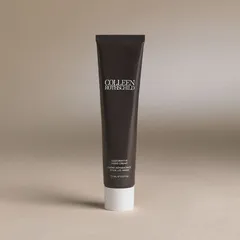
Works for:
based on ingredients and %- Moisturizing
Doesn't work for:
based on ingredients and %- Evens skin tone
Can it cause trouble?
- Irritation risk: high
- Comedogenic risk ingredients: 4
Key actives

Moisturizing
What does the product description say?
The non-greasy Restorative Hand Cream soothes dry, chapped, cracked hands and leaves skin with a velvety-smooth finish.
Source: Colleen Rothschild Beauty
This product can help improve hydration of the skin with the two types of ingredients.
The first type is called “humectants”:
these ingredients help attract water.
When humectants are on the surface of the skin, they “pull in” the moisture from the outside environment, or from
within deeper layers of the skin. The following ingredients in this product do the job:
glycerin, sodium hyaluronate.
This product also contains ingredients called “occlusives”. They help reduce the speed with which our skin loses moisture to the outside environment. These ingredients also help soften the upper layer of the skin, so it feels less tight and nicer to the touch. The following ingredients in this product do the job: butyrospermum parkii butter, caprylic/capric triglyceride.
An oil naturally present in skin. Works as an emollient to soften the skin and form a protective layer on its surface without a greasy feeling.
A type of silicone that can decrease loss of moisture from the skin surface. It helps create a nice product texture
An emollient. Found to be as effective as a moisturizer for dry skin as mineral oil. Could be comedogenic
A silicone that helps to reduce water loss from the surface of the skin. Can temporarily "fill in" lines and wrinkles, absorb oil, and create a nice product finish
One of the best moisturizing ingredients. Naturally present in skin. It attracts water to the upper layer of the skin working as a humectant
A great emollient that can also have anti-oxidant properties
A good mix of fatty acids that forms a protective layer on the skin. Improves the shelf life of products. Derived from coconut and glycerin
One of the best moisturizing ingredients. Attracts water into the upper layer of the skin
A great moisturising ingredient that softens the skin and reduces water loss from its upper layer. It also can be helpful in protecting skin from free radicals
An emollient that softens the skin
Enhances the product texture and makes it more spreadable. Helps reduce water loss from the outer layer of skin. Extands the shelf life by preventing bacteria growth
An emollient that helps soften the skin but is not effective for restoring its barrier function. Might be helpful to calm down inflammation
A non-drying alcohol. Works as an emollient. Helps water and oil mix together and creates a nice product texture
A non-drying alcohol that works to soften the skin and stabilize product formulations helping oil and water mix together
An emollient that softens the skin and forms a protective layer on its surface. Helps water and oil mix together
A type of silicone that helps to soften the upper layer of the skin and create a nice product finish on the skin
Improves the texture of the product and helps soften the skin. Helps oil and water mix together and can be used as a cleansing agent
A plant oil that helps soften the upper layer of the skin. Is unlikely to be helpful in restoring skin barrier function due to the low content of linoleic acid
An emollient. Is not recommended for acne-prone skin as it can be comedogenic
Helps oil and water mix together and works as an emollient
Traditionally used to treat sunburns, dermatitis and inflammation, but evidence for its effectiveness is lacking. The extract can contain humectants that help attract water into the skin
Evens skin tone
What does the product description say?
The combination of an innovative brightening agent and precious Myrrh Extract helps to minimize the appearance of age spots and crepe-like skin.
Source: Colleen Rothschild Beauty
Effective ingredients missing or their concentration is too low
How honest is this product?
| Promise | Can it deliver? |
|---|---|
| Moisturizing | |
| Evens skin tone |
Total Promises Fulfilled score: 37/100.
We receive a small commission for purchases made through these links at no cost for you. Thank you for your support! Learn more
Potential irritants
Comedogenic ingredients
User reviews (0)
Averages from community submissions.
No reviews yet for this product.
Be the first to share your experience!
Tried this product?
Help capture what the ingredient list can't—texture, finish, pilling, scent, and more. Answer what you can, skip the rest.
Takes ~30 seconds.
Reviews are shown in aggregate. No personal details.
Key Actives
A great moisturising ingredient that softens the skin and reduces water loss from its upper layer. It also can be helpful in protecting skin from free radicals
A silicone that helps to reduce water loss from the surface of the skin. Can temporarily "fill in" lines and wrinkles, absorb oil, and create a nice product finish
A great emollient that can also have anti-oxidant properties
One of the best moisturizing ingredients. Naturally present in skin. It attracts water to the upper layer of the skin working as a humectant
A good mix of fatty acids that forms a protective layer on the skin. Improves the shelf life of products. Derived from coconut and glycerin
One of the best moisturizing ingredients. Attracts water into the upper layer of the skin
An emollient. Found to be as effective as a moisturizer for dry skin as mineral oil. Could be comedogenic
An oil naturally present in skin. Works as an emollient to soften the skin and form a protective layer on its surface without a greasy feeling.
An emollient. Is not recommended for acne-prone skin as it can be comedogenic
A type of silicone that can decrease loss of moisture from the skin surface. It helps create a nice product texture
Potential irritants
A preservative. Can be used to mask unpleasant smell. Can be irritating
Fragrance with sweet balsamic smell. Help to preserve products and dissolve other ingredients. Could trigger allergic reactions and be irritating
A fragrance. Potential allergen and can be irritating
An aromatic blend of unspecified and possibly irritating ingredients
A fragrance. Can trigger allergic reactions and be irritating
A good mix of fatty acids that forms a protective layer on the skin. Improves the shelf life of products. Derived from coconut and glycerin
Helps to create a nice product texture. Used to substitute silicones
A plant oil that helps soften the upper layer of the skin. Is unlikely to be helpful in restoring skin barrier function due to the low content of linoleic acid
An emollient that helps soften the skin but is not effective for restoring its barrier function. Might be helpful to calm down inflammation
A great emollient that can also have anti-oxidant properties
Traditionally used to treat sunburns, dermatitis and inflammation, but evidence for its effectiveness is lacking. The extract can contain humectants that help attract water into the skin
An emollient. Is not recommended for acne-prone skin as it can be comedogenic
Used to adjust pH of the product and can help improve the product's smell
Comedogenic ingredients
A great moisturising ingredient that softens the skin and reduces water loss from its upper layer. It also can be helpful in protecting skin from free radicals
A non-drying alcohol. Works as an emollient. Helps water and oil mix together and creates a nice product texture
An emollient. Found to be as effective as a moisturizer for dry skin as mineral oil. Could be comedogenic
An emollient. Is not recommended for acne-prone skin as it can be comedogenic
All ingredients
One of the best moisturizing ingredients. Naturally present in skin. It attracts water to the upper layer of the skin working as a humectant
Enhances the product texture and makes it more spreadable. Helps reduce water loss from the outer layer of skin. Extands the shelf life by preventing bacteria growth
A great moisturising ingredient that softens the skin and reduces water loss from its upper layer. It also can be helpful in protecting skin from free radicals
A good mix of fatty acids that forms a protective layer on the skin. Improves the shelf life of products. Derived from coconut and glycerin
A non-drying alcohol. Works as an emollient. Helps water and oil mix together and creates a nice product texture
An emollient that softens the skin and forms a protective layer on its surface. Helps water and oil mix together
Helps to create a nice product texture. Used to substitute silicones
Improves the texture of the product and helps soften the skin. Helps oil and water mix together and can be used as a cleansing agent
A silicone that helps to reduce water loss from the surface of the skin. Can temporarily "fill in" lines and wrinkles, absorb oil, and create a nice product finish
A plant oil that helps soften the upper layer of the skin. Is unlikely to be helpful in restoring skin barrier function due to the low content of linoleic acid
Helps oil and water mix together. Might help suppress growth of acne-triggering bacteria in skin
One of the best moisturizing ingredients. Attracts water into the upper layer of the skin
An emollient that helps soften the skin but is not effective for restoring its barrier function. Might be helpful to calm down inflammation
An emollient. Found to be as effective as a moisturizer for dry skin as mineral oil. Could be comedogenic
A great emollient that can also have anti-oxidant properties
Helps to retain moisture by creating a protective barrier on the skin. Rich in fatty acids. Improves product texture and helps with the penetration of other ingredients.
Traditionally used to treat sunburns, dermatitis and inflammation, but evidence for its effectiveness is lacking. The extract can contain humectants that help attract water into the skin
An oil naturally present in skin. Works as an emollient to soften the skin and form a protective layer on its surface without a greasy feeling.
An emollient. Is not recommended for acne-prone skin as it can be comedogenic
A non-drying alcohol that works to soften the skin and stabilize product formulations helping oil and water mix together
A preservative. Can be used to mask unpleasant smell. Can be irritating
A type of silicone that helps to soften the upper layer of the skin and create a nice product finish on the skin
A type of silicone that can decrease loss of moisture from the skin surface. It helps create a nice product texture
Used to adjust pH of the product and can help improve the product's smell
Fragrance with sweet balsamic smell. Help to preserve products and dissolve other ingredients. Could trigger allergic reactions and be irritating
A fragrance. Potential allergen and can be irritating
An aromatic blend of unspecified and possibly irritating ingredients
A fragrance. Can trigger allergic reactions and be irritating
Ingredient list view
Water, Glycerin, C12-15 alkyl benzoate, Butyrospermum parkii butter, Caprylic/capric triglyceride, Cetearyl alcohol, Glyceryl stearate, Silybum marianum ethyl ester, Polysorbate 60, Polysorbate 80, Isohexadecane, Sodium acrylate/sodium acryloyldimethyl taurate/acrylamide copolymer, Dimethicone, Moringa oleifera seed oil, Commiphora myrrha resin extract, Octadecenedioic acid, Sodium hyaluronate, Prunus amygdalus dulcis oil, Olea europaea fruit oil, Cocos nucifera oil, Vitis vinifera seed oil, Hydrogenated lecithin, Peg-8/smdi copolymer, Glycine soja extract, Aloe barbadensis leaf extract, Squalane, Myristyl myristate, Cetyl alcohol, Benzyl alcohol, Caprylyl methicone, Phenyl trimethicone, Triethanolamine, Xanthan gum, Dehydroacetic acid, Benzyl benzoate, Alpha-isomethyl ionone, Linalool, Citronellol, Parfum, Stearic acid, Sodium hydroxide, Butylphenyl methylpropional, Chlorphenesin, Disodium edta
- Glycerol and the skin: holistic approach to its origin and functions
- Dimethicone as a protective ingredient in topical medications
- Final Report on the Safety Assessment of Dimethicone Copolyol
- Moringa oleifera seed oil: Composition, nutritional aspects and health attributes
- Moringa oleifera Seeds and Oil: Characteristics and Uses for Human Health
- Hyaluronic acid: A key molecule in skin aging
- Hyaluronan (Hyaluronic Acid): a natural moisturizer for skin care
- Anti-Inflammatory and Skin Barrier Repair Effects of Topical Application of Some Plant Oils
- Use of “natural” oils for moisturization: Review of olive, coconut, and sunflower seed oil
- 4 Final Report on the Safety Assessment of Sodium Dehydroacetate and Dehydroacetic Acid