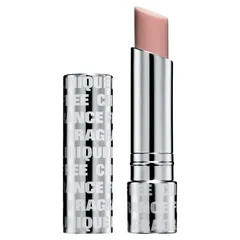
Works for:
based on ingredients and %- Moisturizing
Doesn't work for:
based on ingredients and %- Anti-aging
Can it cause trouble?
- Irritation risk: medium
- Comedogenic risk ingredients: 5
Key actives

Product Summary
"Clinique - Repairwear™ Intensive Lip Treatment" is effective for: Moisturizing
Ingredient callouts
- As a plus, this moisturizer also contains Ceramides (phytosphingosine 0.45% - 0.65%). Ceramides are a type of lipids that our skin produces itself. They are a building block of the skin's barrier. Ceramides used in skincare are synthetic or extracted from plants. They work well for softening the skin surface and "patch holes" in the skin's barrier.
Price
The product retails from 25.00$ up to 31.50$ in the United States, for 62.88A$ in Australia, from 22.10£ up to 26.00£ in the United Kingdom and for 41.00CA$ in Canada.
For a detailed price comparison: click here.
Moisturizing
What does the product description say?
Replenishes natural moisture so lips feel soft, hydrated
Source: Clinique
This product can help improve hydration of the skin with the two types of ingredients.
The first type is called “humectants”:
these ingredients help attract water.
When humectants are on the surface of the skin, they “pull in” the moisture from the outside environment, or from
within deeper layers of the skin. The following ingredients in this product do the job:
glycerin, lauryl pca.
This product also contains ingredients called “occlusives”. They help reduce the speed with which our skin loses moisture to the outside environment. These ingredients also help soften the upper layer of the skin, so it feels less tight and nicer to the touch. The following ingredients in this product do the job: bis-diglyceryl polyacyladipate-2, squalane.
The following ingredients in this product are especially good for supporting the skin barrier and helping with the hydration level: linoleic acid, petrolatum, phytosphingosine
An oil naturally present in skin. Works as an emollient to soften the skin and form a protective layer on its surface without a greasy feeling.
Helps soften the upper layer of the skin. Could be comedogenic due to the myrisic acid content
Helps soften the upper layer of the skin and reduce water loss from its surface
An emollient that is naturally found in skin
One of the best moisturizing ingredients. Naturally present in skin. It attracts water to the upper layer of the skin working as a humectant
Helps attract water to the upper layer of the skin
An excellent emollient. Helps soften the skin, restore its barrier function, and can help to calm down inflammation. It can be helpful to prevent blemishes and clogged pores
An emollient that helps soften the skin and calm down inflammation
One of the most effective and the most studied occlusive ingredients that creates a protective layer on top of the skin preventing moisture loss
A type of lipid that is naturally present in skin. It might help in repairing skin barrier function and has anti-bacterial effect
Helps attract water to the upper layer of the skin. Can have some anti-inflammatory effect
Helps soften the upper layer of the skin and might as well help to attract moisture to its upper layer
An emollient that helps soften the skin and create a nice product texture
Might be helpful in decreasing sebum production making the skin less oily. Is claimed to be able to support ceramide production in skin that leads to better hydration, but evidence is lacking. Is able to attract water to the upper layer of the skin
A mushroom extract that can help attract water to the upper layer of the skin and might be able to help reduce irritation and support restoration of skin barrier
A plant extract that helps to attract water to the upper layer of the skin and soften it. It might be helpful in neutralizing free radicals. It might be somewhat helpful for evening out the skin tone. It might be able to support elastin production but solid research is lacking
Helps soften the upper layer of the skin and create a nice product consistency
A type of silicone that helps water and oil mix together. Can help to soften upper layer of the skin
An emollient that helps soften the upper layer of the skin
An emollient that helps to soften the skin and create a pleasant product texture and stabilize the formulation
Helps soften the upper layer of the skin. At the same time, it can weaken the skin's barrier enhancing penetration of other ingredients and increasing the risk of skin dryness
Helps soften the upper layer of the skin
A good mix of fatty acids that forms a protective layer on the skin. Improves the shelf life of products. Derived from coconut and glycerin
A great moisturising ingredient that softens the skin and reduces water loss from its upper layer. It also can be helpful in protecting skin from free radicals
Plant extract that might have moisturizing properties. Avoid if you suffer from wheat or gluten intolerance
Used mostly for creating emulsions - helping oil and water mix together. Helps soften the upper layer of the skin
Anti-aging
What does the product description say?
smooth the appearance of lines on and around the lips
Source: Beauty Expert
This product does not contain ingredients that are able to reduce fine lines and wrinkles or help with skin elasticity, but it can improve the look of the skin temporarily through moisturization. Well-moisturized skin might also be able to repair the sun damage better.This ingredient - glycine soja protein - could be helpful for preventing or repairing signs of aging in theory, but there is no evidence that it actually works.
A plant extract that helps to attract water to the upper layer of the skin and soften it. It might be helpful in neutralizing free radicals. It might be somewhat helpful for evening out the skin tone. It might be able to support elastin production but solid research is lacking
A great moisturising ingredient that softens the skin and reduces water loss from its upper layer. It also can be helpful in protecting skin from free radicals
Is claimed to have anti-aging properties, but research about its effect in topical application is missing
How honest is this product?
| Promise | Can it deliver? |
|---|---|
| Moisturizing | |
| Anti-aging |
Total Promises Fulfilled score: 75/100.
We receive a small commission for purchases made through these links at no cost for you. Thank you for your support! Learn more
Potential irritants
Comedogenic ingredients
User reviews (0)
Averages from community submissions.
No reviews yet for this product.
Be the first to share your experience!
Tried this product?
Help capture what the ingredient list can't—texture, finish, pilling, scent, and more. Answer what you can, skip the rest.
Takes ~30 seconds.
Reviews are shown in aggregate. No personal details.
Key Actives
An emollient that helps soften the skin and calm down inflammation
Can be helpful in reducing inflammation in skin, including inflamed acne. It can be irritating
A great moisturising ingredient that softens the skin and reduces water loss from its upper layer. It also can be helpful in protecting skin from free radicals
An excellent emollient. Helps soften the skin, restore its barrier function, and can help to calm down inflammation. It can be helpful to prevent blemishes and clogged pores
A type of lipid that is naturally present in skin. It might help in repairing skin barrier function and has anti-bacterial effect
Might be helpful in decreasing sebum production making the skin less oily. Is claimed to be able to support ceramide production in skin that leads to better hydration, but evidence is lacking. Is able to attract water to the upper layer of the skin
A mushroom extract that can help attract water to the upper layer of the skin and might be able to help reduce irritation and support restoration of skin barrier
An emollient that is naturally found in skin
One of the most effective and the most studied occlusive ingredients that creates a protective layer on top of the skin preventing moisture loss
Helps soften the upper layer of the skin and reduce water loss from its surface
Helps soften the upper layer of the skin and might as well help to attract moisture to its upper layer
Helps soften the upper layer of the skin. Could be comedogenic due to the myrisic acid content
One of the best moisturizing ingredients. Naturally present in skin. It attracts water to the upper layer of the skin working as a humectant
Helps attract water to the upper layer of the skin. Can have some anti-inflammatory effect
Helps attract water to the upper layer of the skin
An oil naturally present in skin. Works as an emollient to soften the skin and form a protective layer on its surface without a greasy feeling.
A good mix of fatty acids that forms a protective layer on the skin. Improves the shelf life of products. Derived from coconut and glycerin
Works as a UV filter when used in high concentrations. It is photostable and is effective mostly against the UVB light, with some protection in the UVA range. In small concentrations, used for its ability to improve the color of cosmetic products. Is usually well tolerated by the skin
Potential irritants
Can be helpful in reducing inflammation in skin, including inflamed acne. It can be irritating
Plant extract that might have moisturizing properties. Avoid if you suffer from wheat or gluten intolerance
A plant extract that can contain resveratrol, an antioxidant that can help neutralize free radicals in skin. The effectiveness depends on the extract quality and concentration in the product
Helps soften the upper layer of the skin and might as well help to attract moisture to its upper layer
A more stable but less bio-available form of vitamin E compared to Tocopherol. Might help moisturize and protect the skin from free radicals, but mostly used in low concentrations to stabilize other ingredients.
Helps soften the upper layer of the skin. Could be comedogenic due to the myrisic acid content
A plant extract that might have some anti-oxidant properties. Avoid if you are sensitive to gluten
An emollient that helps soften the skin and calm down inflammation
Helps soften the upper layer of the skin and create a nice product consistency
Used to stabilize the formula of product formulation. Might be helpful in neutralizing free radicals in skin
Helps soften the upper layer of the skin. At the same time, it can weaken the skin's barrier enhancing penetration of other ingredients and increasing the risk of skin dryness
A good mix of fatty acids that forms a protective layer on the skin. Improves the shelf life of products. Derived from coconut and glycerin
Comedogenic ingredients
Plant extract that might have moisturizing properties. Avoid if you suffer from wheat or gluten intolerance
A great moisturising ingredient that softens the skin and reduces water loss from its upper layer. It also can be helpful in protecting skin from free radicals
An emollient that helps soften the skin and create a nice product texture
All ingredients
An emollient that helps to soften the skin and create a pleasant product texture and stabilize the formulation
One of the most effective and the most studied occlusive ingredients that creates a protective layer on top of the skin preventing moisture loss
Helps soften the upper layer of the skin and reduce water loss from its surface
Plant extract that might have moisturizing properties. Avoid if you suffer from wheat or gluten intolerance
A plant extract that can contain resveratrol, an antioxidant that can help neutralize free radicals in skin. The effectiveness depends on the extract quality and concentration in the product
Helps soften the upper layer of the skin and might as well help to attract moisture to its upper layer
Might be helpful in neutralizing free radicals in skin
Can be helpful in reducing inflammation in skin, including inflamed acne. It can be irritating
A more stable but less bio-available form of vitamin E compared to Tocopherol. Might help moisturize and protect the skin from free radicals, but mostly used in low concentrations to stabilize other ingredients.
Helps soften the upper layer of the skin. Could be comedogenic due to the myrisic acid content
A plant extract that might have some anti-oxidant properties. Avoid if you are sensitive to gluten
A great moisturising ingredient that softens the skin and reduces water loss from its upper layer. It also can be helpful in protecting skin from free radicals
One of the best moisturizing ingredients. Naturally present in skin. It attracts water to the upper layer of the skin working as a humectant
A mushroom extract that can help attract water to the upper layer of the skin and might be able to help reduce irritation and support restoration of skin barrier
An emollient that helps soften the skin and calm down inflammation
Helps attract water to the upper layer of the skin. Can have some anti-inflammatory effect
An excellent emollient. Helps soften the skin, restore its barrier function, and can help to calm down inflammation. It can be helpful to prevent blemishes and clogged pores
Is claimed to have anti-aging properties, but research about its effect in topical application is missing
An oil naturally present in skin. Works as an emollient to soften the skin and form a protective layer on its surface without a greasy feeling.
Helps soften the upper layer of the skin and create a nice product consistency
A type of silicone that helps water and oil mix together. Can help to soften upper layer of the skin
An emollient that helps soften the upper layer of the skin
Used to stabilize the formula of product formulation. Might be helpful in neutralizing free radicals in skin
A plant extract that helps to attract water to the upper layer of the skin and soften it. It might be helpful in neutralizing free radicals. It might be somewhat helpful for evening out the skin tone. It might be able to support elastin production but solid research is lacking
A type of lipid that is naturally present in skin. It might help in repairing skin barrier function and has anti-bacterial effect
Helps soften the upper layer of the skin. At the same time, it can weaken the skin's barrier enhancing penetration of other ingredients and increasing the risk of skin dryness
Might be helpful in decreasing sebum production making the skin less oily. Is claimed to be able to support ceramide production in skin that leads to better hydration, but evidence is lacking. Is able to attract water to the upper layer of the skin
A good mix of fatty acids that forms a protective layer on the skin. Improves the shelf life of products. Derived from coconut and glycerin
A type of silicone that helps oil and water mix well together. Helps to disperse other ingredients, e.g. pigments, evenly in a formulation
Used mostly for creating emulsions - helping oil and water mix together. Helps soften the upper layer of the skin
Helps to retain moisture by creating a protective barrier on the skin. Rich in fatty acids. Improves product texture and helps with the penetration of other ingredients.
An emollient that helps soften the skin and create a nice product texture
Used to thicken product formulations and create gel-like textures
A preservative. It helps prevent bacterial growth in cosmetic products
Creates an illusion of smoother and more radiant skin tone. Adds shimmer to the skin by reflecting light
Works as a UV filter when used in high concentrations. It is photostable and is effective mostly against the UVB light, with some protection in the UVA range. In small concentrations, used for its ability to improve the color of cosmetic products. Is usually well tolerated by the skin
An umbrella term for the following three colorants: CI 77491, CI 77492, CI 77499. They might be able to offer some protection against visible light, but the degree of the protection is not clear
Ingredient list view
Octyldodecanol, Pentaerythrityl adipate/caprate/caprylate/heptanoate, Petrolatum, Bis-diglyceryl polyacyladipate-2, Polyethylene, Hydrogenated dilinoleyl alcohol, Stearoxy dimethicone, Silica, Polybutene, Microcrystalline wax, Water, Triticum vulgare germ extract, Polygonum cuspidatum root extract, Theobroma grandiflorum seed butter, Coffea arabica seed extract, Rosmarinus officinalis leaf extract, Tocopheryl acetate, Coffea robusta seed extract, Betula alba bud extract, Astrocaryum murumuru seed butter, Hordeum vulgare extract, Butyrospermum parkii butter, Glycerin, Poria cocos sclerotium extract, Linolenic acid, Sodium dna, Saccharomyces lysate extract, Linoleic acid, Cholesterol, Sodium rna, Ascorbyl tocopheryl maleate, Methyl glucose sesquistearate, Lauryl pca, C20-40 pareth-10, Squalane, Ethylhexylglycerin, Polyglyceryl-4 isostearate, Hexyl laurate, Cetyl peg/ppg-10/1 dimethicone, Allyl methacrylates crosspolymer, Propylene glycol dicaprate, Nordihydroguaiaretic acid, Glycine soja protein, Phytosphingosine, Oleic acid, Acetyl carnitine hcl, Caprylic/capric triglyceride, Triethoxycaprylylsilane, Ethylhexyl stearate, Lecithin, Hydrogenated lecithin, Hexylene glycol, Ethylhexyl palmitate, Potassium sulfate, Hydroxyethylcellulose, Ethylcellulose, Bht, Phenoxyethanol, Mica, Ci 15850, Ci 19140, Ci 45410, Titanium dioxide, Iron oxides, Ci 15850, Ci 17200, Ci 75470, Ci 17200, Ci 45410, Blue 1 lake, Ci 19140
- Safety assessment of bis-diglyceryl polyacyladipate-2 and bis-diglyceryl polyacyladipate-1 as used in cosmetics
- Final report of the cosmetic ingredient review expert panel on the safety assessment of Polyisobutene and Hydrogenated Polyisobutene as used in cosmetics
- Wheat in skin care
- Nuclear Factor Kappa B Inhibition as a Therapeutic Target of Nutraceuticals in Arthritis, Osteoarthritis, and Related Inflammation
- Resveratrol as an active ingredient for cosmetic and dermatological applications: a review
- Advanced Skin Care – A Novel Ingredient
- Effect of green Coffea arabica L. seed oil on extracellular matrix components and water-channel expression in in vitro and ex vivo human skin models
- Allergic contact dermatitis induced by rosemary leaf extract in a cleansing gel
- Safety Assessment of Rosmarinus officinalis (Rosemary)-Derived Ingredients as Used in Cosmetics
- Rosmarinus officinalis Extract Suppresses Propionibacterium acnes–Induced Inflammatory Responses
- AMAZON RAINFOREST COSMETICS: CHEMICAL APPROACH FOR QUALITY CONTROL
- Celiac Disease & Skin Care Products
- Preventive and Therapeutic Role of Functional Ingredients of Barley Grass for Chronic Diseases in Human Beings
- Glycerol and the skin: holistic approach to its origin and functions
- Assessment of anti‐inflammatory activity of Poria cocos in sodium lauryl sulphate‐induced irritant contact dermatitis
- Irritant Contact Dermatitis Risk of Common Topical Traditional Chinese Medicines Used for Skin-Lightening: A Pilot Clinical Trial with 30 Volunteers
- Use of Probiotics for Dermal Applications
- The Permeability Barrier in Essential Fatty Acid Deficiency: Evidence for a Direct Role for Linoleic Acid in Barrier Function
- Digital image analysis of the effect of topically applied linoleic acid on acne microcomedones.
- Safety Assessment of Cross-Linked Alkyl Acrylates as Used in Cosmetics
- Nordihydroguaiaretic acid, an inhibitor of lipoxygenase, also inhibits cytochrome P-450-mediated monooxygenase activity in rat epidermal and hepatic microsomes.
- Antimutagenic and antitumorigenic activities of nordihydroguaiaretic acid
- Estrogenic activity of an antioxidant, nordihydroguaiaretic acid (NDGA)
- Molecular mechanisms and clinical applications of nordihydroguaiaretic acid (NDGA) and its derivatives: An update
- Dermatological and cosmeceutical benefits of Glycine max (soybean) and its active components
- Extracts from Glycine max (soybean) induce elastin synthesis and inhibit elastase activity
- Anti-Inflammatory and Skin Barrier Repair Effects of Topical Application of Some Plant Oils
- https://www.sciencedirect.com/science/article/pii/0168365995000887
- Topically applied L-carnitine effectively reduces sebum secretion in human skin
- Analysis of Dyes in Cosmetics: Challenges and Recent Developments
- Scientific Committee on Consumer Safety Opinion on Acid Red 92