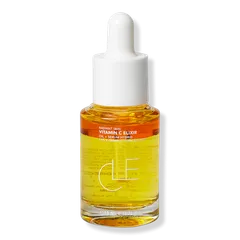
Works for:
based on ingredients and %- Evens skin tone
- Moisturizing
- Anti-oxidation
- Anti-aging
Can it cause trouble?
- Irritation risk: high
- Comedogenic risk ingredients: 0
Key actives


Anti-aging
This product can help reduce and prevent fine lines and wrinkles, improve skin elasticity and firmness because it contains adenosine.
These ingredients in the product can also be helpful, even though there is less evidence for their effectiveness: ferulic acid.
Keep in mind that it typically takes at least 6 weeks to notice any results because the changes that are needed to improve fine lines and elasticity happen in the deeper layers of the skin. No topical anti-aging product can “erase” wrinkles or fully reverse signs of aging.
Might help improve cell turnover and reduce inflammation in skin. One study shows that the ingredients might be able to help reduce dynamic wrinkles (for example, in the corners of the eyes or on the forehead)
A potent anti-oxidant that has been shown to be effective in neutralizing free radicals in skin. There seem to have a synergetic effect of ferulic acid, vitamin E and C, meaning that when the ingredients are used together, they enhance each other's ability protect the skin against free radicals. Ferulic acid also helps to stabilize other ingredients - including vitamins C and E. It can help to even out the skin tone. Ferulic acid is approved for use as a sunscreen ingredient in Japan in concentrations up to 10%
Helps attract water to the upper layer of the skin, calm down inflammation and irritation, restore the barrier function and support wound healing. It can be helpful in reducing fine lines and wrinkles
Coenzyme Q10. It helps neutralize free radicals in skin, improves skin hydration and might be helpful agains fine lines and wrinkles. It can be an allergen
The most well-researched antioxidant that works in skin. Helps neutralize free radicals supporting collagen production, helping to even out the skin tone and preventing early signs of aging
Pure form of vitamin E. Can help moisturise and protect the skin from free radicals. Often used to help stabilise other ingredients or the formula itself
Anti-oxidation
This product contains antioxidants (ferulic acid, glutathione, ubiquinone) that can help neutralize free radicals in skin. By doing so, they can lessen the damage the skin gets from the UV light (sun).
The following ingredients - pinus pinaster bark extract also can have an antioxidant effect, but there is less evidence to confirm their effectiveness in skin.
A potent anti-oxidant that has been shown to be effective in neutralizing free radicals in skin. There seem to have a synergetic effect of ferulic acid, vitamin E and C, meaning that when the ingredients are used together, they enhance each other's ability protect the skin against free radicals. Ferulic acid also helps to stabilize other ingredients - including vitamins C and E. It can help to even out the skin tone. Ferulic acid is approved for use as a sunscreen ingredient in Japan in concentrations up to 10%
A peptide that can help neutralize free radicals in skin and reduce melanin production resulting in skin lightening effect and reduction in hyperpigmentation. It can also help attract moisture to the upper layer of the skin
Coenzyme Q10. It helps neutralize free radicals in skin, improves skin hydration and might be helpful agains fine lines and wrinkles. It can be an allergen
A plant extract that might help neutralize free radicals and reduce hyperpigmentation, but evidence of effectiveness of topical application is lacking. It can be an INCI name for the trademarked ingredient Pycnogenol (but could also be a different type of this plant's bark extract)
Might be helpful in neutralizing free radicals. Can have a dehydration effect that might somewhat decrease the look of puffy eyes
An emollient that helps soften the skin and might help calm down inflammation
A plant extract that can have some anti-oxidant effect in skin
A plant extract that might help neutralize free radicals in skin, but research on its effectiveness is lacking
A plant extract that has some anti-oxidant activity, but solid research is lacking. Can help attract water to the upper layer of the skin
A plant extract that might help neutralize free radicals in skin, but research on its efficacy in skin is lacking
Might help improve cell turnover and reduce inflammation in skin. One study shows that the ingredients might be able to help reduce dynamic wrinkles (for example, in the corners of the eyes or on the forehead)
Helps attract water to the upper layer of the skin, calm down inflammation and irritation, restore the barrier function and support wound healing. It can be helpful in reducing fine lines and wrinkles
An active component of chamomile plant that historically has been used to calm down irritated skin. A recent study shows that bisabolol indeed can have some anti-inflammatory effect on skin, even though conclusive data is lacking. Bisabolol has a sweet floral scent and can be added to products for its aromatic properties
A plant extract that might help reduce inflammation and neutralize free radicals
A plant extract that can be irritating. It might contain a compound anthocyanin that could be helpful in neutralizing free radicals
A plant extract that has some anti-oxidant and anti-bacterial properties. Can be irritating
The most well-researched antioxidant that works in skin. Helps neutralize free radicals supporting collagen production, helping to even out the skin tone and preventing early signs of aging
Pure form of vitamin E. Can help moisturise and protect the skin from free radicals. Often used to help stabilise other ingredients or the formula itself
A great emollient. Contains vitamin E (tocopherol) which may give it some anti-oxidant properties. Can contain volatile compounds and can be irritating
A plant oil with high content of volatile compounds that can irritate the skin. Can be used as a fragrance. Has anti-bacterial properties and might help neutralize free radicals on the surface of the skin
Evens skin tone
What does the product description say?
Brightens dull skin and uneven tone
Source: Ulta
This product can help reduce hypepigmentation and even out the skin tone because it contains the following effective ingredients: glutathione
The following ingredient (ingredients) in this product might be helpful, but there is no evidence to confirm that it actually can help even out the skin tone: ferulic acid, pinus pinaster bark extract.
Keep in mind that you would need to apply any topical skincare targetted at hypigmentation consistently for a couple of months to get a result. No topical skincare product can help get rid of hyperpigmentation (including post-acne marks and age spots) instantly.
A peptide that can help neutralize free radicals in skin and reduce melanin production resulting in skin lightening effect and reduction in hyperpigmentation. It can also help attract moisture to the upper layer of the skin
A potent anti-oxidant that has been shown to be effective in neutralizing free radicals in skin. There seem to have a synergetic effect of ferulic acid, vitamin E and C, meaning that when the ingredients are used together, they enhance each other's ability protect the skin against free radicals. Ferulic acid also helps to stabilize other ingredients - including vitamins C and E. It can help to even out the skin tone. Ferulic acid is approved for use as a sunscreen ingredient in Japan in concentrations up to 10%
A plant extract that might help neutralize free radicals and reduce hyperpigmentation, but evidence of effectiveness of topical application is lacking. It can be an INCI name for the trademarked ingredient Pycnogenol (but could also be a different type of this plant's bark extract)
The most well-researched antioxidant that works in skin. Helps neutralize free radicals supporting collagen production, helping to even out the skin tone and preventing early signs of aging
Moisturizing
What does the product description say?
This brightening formula helps improve skin tone, boost radiance, and support smoother, more hydrated-looking skin over time.
Source: Ulta
This product can help improve hydration of the skin with the two types of ingredients.
The first type is called “humectants”:
these ingredients help attract water.
When humectants are on the surface of the skin, they “pull in” the moisture from the outside environment, or from
within deeper layers of the skin. The following ingredients in this product do the job:
arginine, glycerin.
This product also contains ingredients called “occlusives”. They help reduce the speed with which our skin loses moisture to the outside environment. These ingredients also help soften the upper layer of the skin, so it feels less tight and nicer to the touch. The following ingredients in this product do the job: arginine, helianthus annuus seed oil.
Coenzyme Q10. It helps neutralize free radicals in skin, improves skin hydration and might be helpful agains fine lines and wrinkles. It can be an allergen
An amino acid that is naturally present in skin and helps keep it hydrated. When used together with AHAs, it can reduce their irritating effect on the skin
Helps attract water to the upper layer of the skin, calm down inflammation and irritation, restore the barrier function and support wound healing. It can be helpful in reducing fine lines and wrinkles
An emollient that helps soften the skin and might help calm down inflammation
A peptide that can help neutralize free radicals in skin and reduce melanin production resulting in skin lightening effect and reduction in hyperpigmentation. It can also help attract moisture to the upper layer of the skin
One of the best moisturizing ingredients. Naturally present in skin. It attracts water to the upper layer of the skin working as a humectant
Helps to attract water to the upper layer of the skin and can help restore the skin barrier function
A great emollient due to its high linoleic acid content. One of the most effective plant oils in helping skin hydration and repairing skin barrier function
Helps soften the upper layer of the skin
One of the best moisturizing ingredients. Attracts water into the upper layer of the skin
An oil naturally present in skin. Works as an emollient to soften the skin and form a protective layer on its surface without a greasy feeling.
An emollient that helps soften the skin but is not effective for restoring its barrier function. Might be helpful to calm down inflammation
Might help improve cell turnover and reduce inflammation in skin. One study shows that the ingredients might be able to help reduce dynamic wrinkles (for example, in the corners of the eyes or on the forehead)
Traditionally used to treat sunburns, dermatitis and inflammation, but evidence for its effectiveness is lacking. The extract can contain humectants that help attract water into the skin
A mushroom extract that might help attract water to the upper layer of the skin
A plant extract that has some anti-oxidant activity, but solid research is lacking. Can help attract water to the upper layer of the skin
Used to create a nice product texture and help delivery of other ingredients. Might be somewhat helpful in attracting water to the upper layer of the skin
A great emollient. Contains vitamin E (tocopherol) which may give it some anti-oxidant properties. Can contain volatile compounds and can be irritating
Helps calm down inflammation in skin and can help reduce itching. Helps to repair the skin barrier and keep skin hydrated
Helps attract water to the upper layer of the skin and can help improve skin barrier function
Softens the upper layer of skin and helps restore the healthy skin barrier. Has shown to help calm down inflammation in skin. It is a stable oil, meaning that it retains its properties even when exposed to air.
Pure form of vitamin E. Can help moisturise and protect the skin from free radicals. Often used to help stabilise other ingredients or the formula itself
How honest is this product?
| Promise | Can it deliver? |
|---|---|
| Evens skin tone | |
| Moisturizing |
Total Promises Fulfilled score: 87/100.
We receive a small commission for purchases made through these links at no cost for you. Thank you for your support! Learn more
Potential irritants
Comedogenic ingredients
No comedogenic ingredients detected
User reviews (0)
Averages from community submissions.
No reviews yet for this product.
Be the first to share your experience!
Tried this product?
Help capture what the ingredient list can't—texture, finish, pilling, scent, and more. Answer what you can, skip the rest.
Takes ~30 seconds.
Reviews are shown in aggregate. No personal details.
| Product | Similarity | Price | Irritancy |
|---|---|---|---|
 CLE Cosmetics Vitamin C Elixir | Current | $48.00 | |
Wildfleur 15% Pure Vitamin C + Xanthophyll - Marigold Brightening Serum | 100% | $34.00 | |
Bliv:U The Real Vita C 20 Ampoule 12ml | 86% | ≈ $13.28 | |
 COSRX Advanced The Vitamin C 23 Serum | 86% | $17.50 | |
 innisfree Vitamin C 23 Ampoule | 83% | $27.10 | |
 Pre-Launch V.Biome Infusion Serum | 81% | - |
Key Actives
Helps attract water to the upper layer of the skin, calm down inflammation and irritation, restore the barrier function and support wound healing. It can be helpful in reducing fine lines and wrinkles
A potent anti-oxidant that has been shown to be effective in neutralizing free radicals in skin. There seem to have a synergetic effect of ferulic acid, vitamin E and C, meaning that when the ingredients are used together, they enhance each other's ability protect the skin against free radicals. Ferulic acid also helps to stabilize other ingredients - including vitamins C and E. It can help to even out the skin tone. Ferulic acid is approved for use as a sunscreen ingredient in Japan in concentrations up to 10%
The most well-researched antioxidant that works in skin. Helps neutralize free radicals supporting collagen production, helping to even out the skin tone and preventing early signs of aging
An active component of chamomile plant that historically has been used to calm down irritated skin. A recent study shows that bisabolol indeed can have some anti-inflammatory effect on skin, even though conclusive data is lacking. Bisabolol has a sweet floral scent and can be added to products for its aromatic properties
A peptide that can help neutralize free radicals in skin and reduce melanin production resulting in skin lightening effect and reduction in hyperpigmentation. It can also help attract moisture to the upper layer of the skin
Helps attract water to the upper layer of the skin and can help improve skin barrier function
Might help improve cell turnover and reduce inflammation in skin. One study shows that the ingredients might be able to help reduce dynamic wrinkles (for example, in the corners of the eyes or on the forehead)
Coenzyme Q10. It helps neutralize free radicals in skin, improves skin hydration and might be helpful agains fine lines and wrinkles. It can be an allergen
A great emollient. Contains vitamin E (tocopherol) which may give it some anti-oxidant properties. Can contain volatile compounds and can be irritating
An emollient that helps soften the skin and might help calm down inflammation
Might be helpful in neutralizing free radicals. Can have a dehydration effect that might somewhat decrease the look of puffy eyes
A plant extract that might help neutralize free radicals and reduce hyperpigmentation, but evidence of effectiveness of topical application is lacking. It can be an INCI name for the trademarked ingredient Pycnogenol (but could also be a different type of this plant's bark extract)
An emollient that helps soften the skin and might help calm down inflammation
An oil naturally present in skin. Works as an emollient to soften the skin and form a protective layer on its surface without a greasy feeling.
A great emollient due to its high linoleic acid content. One of the most effective plant oils in helping skin hydration and repairing skin barrier function
Helps soften the upper layer of the skin
Softens the upper layer of skin and helps restore the healthy skin barrier. Has shown to help calm down inflammation in skin. It is a stable oil, meaning that it retains its properties even when exposed to air.
One of the best moisturizing ingredients. Naturally present in skin. It attracts water to the upper layer of the skin working as a humectant
One of the best moisturizing ingredients. Attracts water into the upper layer of the skin
An amino acid that is naturally present in skin and helps keep it hydrated. When used together with AHAs, it can reduce their irritating effect on the skin
Helps to attract water to the upper layer of the skin and can help restore the skin barrier function
Potential irritants
The most well-researched antioxidant that works in skin. Helps neutralize free radicals supporting collagen production, helping to even out the skin tone and preventing early signs of aging
Can be drying and contribute to skin irritation. Used in formulars to dissolve other ingredients, create a thinner product consistency or for its antibacterial properties
A plant extract that has some anti-oxidant and anti-bacterial properties. Can be irritating
A plant extract that can be irritating. It might contain a compound anthocyanin that could be helpful in neutralizing free radicals
A plant oil with high content of volatile compounds that can irritate the skin. Can be used as a fragrance. Has anti-bacterial properties and might help neutralize free radicals on the surface of the skin
An essential oil that can be very irritating. Has some anti-bacterial properties
A great emollient. Contains vitamin E (tocopherol) which may give it some anti-oxidant properties. Can contain volatile compounds and can be irritating
Softens the upper layer of skin and helps restore the healthy skin barrier. Has shown to help calm down inflammation in skin. It is a stable oil, meaning that it retains its properties even when exposed to air.
An emollient that helps soften the skin but is not effective for restoring its barrier function. Might be helpful to calm down inflammation
A mushroom extract that might help attract water to the upper layer of the skin
A plant extract that might help reduce inflammation and neutralize free radicals
A plant extract that has some anti-oxidant activity, but solid research is lacking. Can help attract water to the upper layer of the skin
Traditionally used to treat sunburns, dermatitis and inflammation, but evidence for its effectiveness is lacking. The extract can contain humectants that help attract water into the skin
A plant extract that can have some anti-oxidant effect in skin
A plant extract that might help neutralize free radicals in skin, but research on its efficacy in skin is lacking
A plant extract that might help neutralize free radicals in skin, but research on its effectiveness is lacking
A peptide that can help neutralize free radicals in skin and reduce melanin production resulting in skin lightening effect and reduction in hyperpigmentation. It can also help attract moisture to the upper layer of the skin
Might be helpful in neutralizing free radicals. Can have a dehydration effect that might somewhat decrease the look of puffy eyes
Helps oil and water mix together. Can be used as a cleansing agent
A plant extract that might help neutralize free radicals and reduce hyperpigmentation, but evidence of effectiveness of topical application is lacking. It can be an INCI name for the trademarked ingredient Pycnogenol (but could also be a different type of this plant's bark extract)
Comedogenic ingredients
We couldn't find any comedogenic ingredients in this product
All ingredients
Used to create a nice product texture and help delivery of other ingredients. Might be somewhat helpful in attracting water to the upper layer of the skin
An oil naturally present in skin. Works as an emollient to soften the skin and form a protective layer on its surface without a greasy feeling.
The most well-researched antioxidant that works in skin. Helps neutralize free radicals supporting collagen production, helping to even out the skin tone and preventing early signs of aging
Can be drying and contribute to skin irritation. Used in formulars to dissolve other ingredients, create a thinner product consistency or for its antibacterial properties
Acts as a solvent for other ingredients. Speeds up the absorption of other ingredients into the skin
An active component of chamomile plant that historically has been used to calm down irritated skin. A recent study shows that bisabolol indeed can have some anti-inflammatory effect on skin, even though conclusive data is lacking. Bisabolol has a sweet floral scent and can be added to products for its aromatic properties
A great emollient. Contains vitamin E (tocopherol) which may give it some anti-oxidant properties. Can contain volatile compounds and can be irritating
A great emollient due to its high linoleic acid content. One of the most effective plant oils in helping skin hydration and repairing skin barrier function
Softens the upper layer of skin and helps restore the healthy skin barrier. Has shown to help calm down inflammation in skin. It is a stable oil, meaning that it retains its properties even when exposed to air.
An emollient that helps soften the skin but is not effective for restoring its barrier function. Might be helpful to calm down inflammation
An emollient that helps soften the skin and might help calm down inflammation
One of the best moisturizing ingredients. Naturally present in skin. It attracts water to the upper layer of the skin working as a humectant
A mushroom extract that might help attract water to the upper layer of the skin
A plant extract that might help reduce inflammation and neutralize free radicals
A plant extract that has some anti-oxidant activity, but solid research is lacking. Can help attract water to the upper layer of the skin
Traditionally used to treat sunburns, dermatitis and inflammation, but evidence for its effectiveness is lacking. The extract can contain humectants that help attract water into the skin
One of the best moisturizing ingredients. Attracts water into the upper layer of the skin
A plant extract that has some anti-oxidant and anti-bacterial properties. Can be irritating
A plant extract that can be irritating. It might contain a compound anthocyanin that could be helpful in neutralizing free radicals
A plant extract that can have some anti-oxidant effect in skin
A plant extract that might help neutralize free radicals in skin, but research on its efficacy in skin is lacking
A plant extract that might help neutralize free radicals in skin, but research on its effectiveness is lacking
A peptide that can help neutralize free radicals in skin and reduce melanin production resulting in skin lightening effect and reduction in hyperpigmentation. It can also help attract moisture to the upper layer of the skin
Helps calm down inflammation in skin and can help reduce itching. Helps to repair the skin barrier and keep skin hydrated
Helps attract water to the upper layer of the skin and can help improve skin barrier function
Might be helpful in neutralizing free radicals. Can have a dehydration effect that might somewhat decrease the look of puffy eyes
Helps attract water to the upper layer of the skin, calm down inflammation and irritation, restore the barrier function and support wound healing. It can be helpful in reducing fine lines and wrinkles
A potent anti-oxidant that has been shown to be effective in neutralizing free radicals in skin. There seem to have a synergetic effect of ferulic acid, vitamin E and C, meaning that when the ingredients are used together, they enhance each other's ability protect the skin against free radicals. Ferulic acid also helps to stabilize other ingredients - including vitamins C and E. It can help to even out the skin tone. Ferulic acid is approved for use as a sunscreen ingredient in Japan in concentrations up to 10%
Helps oil and water mix together. Can be used as a cleansing agent
A plant oil with high content of volatile compounds that can irritate the skin. Can be used as a fragrance. Has anti-bacterial properties and might help neutralize free radicals on the surface of the skin
An essential oil that can be very irritating. Has some anti-bacterial properties
Pure form of vitamin E. Can help moisturise and protect the skin from free radicals. Often used to help stabilise other ingredients or the formula itself
Might help improve cell turnover and reduce inflammation in skin. One study shows that the ingredients might be able to help reduce dynamic wrinkles (for example, in the corners of the eyes or on the forehead)
An amino acid that is naturally present in skin and helps keep it hydrated. When used together with AHAs, it can reduce their irritating effect on the skin
Helps to attract water to the upper layer of the skin and can help restore the skin barrier function
A plant extract that might help neutralize free radicals and reduce hyperpigmentation, but evidence of effectiveness of topical application is lacking. It can be an INCI name for the trademarked ingredient Pycnogenol (but could also be a different type of this plant's bark extract)
Coenzyme Q10. It helps neutralize free radicals in skin, improves skin hydration and might be helpful agains fine lines and wrinkles. It can be an allergen
An emollient that helps soften the skin and might help calm down inflammation
Ingredient list view
Water, Butylene glycol, Squalane, Ascorbic acid, Alcohol, Propanediol, Bisabolol, Rosa canina fruit oil, Capsicum annuum extract, Helianthus annuus seed oil, Prunus amygdalus dulcis seed, Simmondsia chinensis seed oil, Olea europaea fruit oil, Carthamus tinctorius seed oil, Glycerin, Tremella fuciformis extract, Boerhavia diffusa root extract, Portulaca oleracea extract, Glycyrrhiza uralensis extract, Viscum album extract, Phaseolus radiatus seed extract, Morinda citrifolia extract, Aloe barbadensis extract, Gardenia florida fruit extract, Levan, Sodium hyaluronate, Hydroxycinnamic acid, Calendula officinalis flower extract, Hibiscus sabdariffa flower extract, Aronia arbutifolia fruit extract, Euterpe oleracea fruit extract, Vaccinium myrtillus fruit extract, Hippophae rhamnoides fruit extract, Sodium metabisulfite, Glutathione, Allantoin, Panthenol, Caffeine, 1,2-hexanediol, Beta-glucan, Ferulic acid, Caprylyl/capryl glucoside, Rosmarinus officinalis leaf oil, Eucalyptus globulus leaf oil, Sodium carbonate, Polysorbate 60, Octyldodeceth-25, Decyltetradeceth-25, Unknown, Tocopherol, Adenosine, Tetrasodium edta, Arginine, Glycine, Carnitine, Pinus pinaster bark extract, Ubiquinone, Xanthophylls, Carthamus tinctorius seed oil
- α-(-)-Bisabolol Reduces Pro-Inflammatory Cytokine Production and Ameliorates Skin Inflammation
- Effect of Olive and Sunflower Seed Oil on the Adult Skin Barrier: Implications for Neonatal Skin Care
- Topically Applied Sunflower Seed Oil Prevents Invasive Bacterial Infections in Preterm Infants in Egypt
- Effect of topically applied lipids on surfactant-irritated skin
- Impact of topical oils on the skin barrier: possible implications for neonatal health in developing countries
- Use of “natural” oils for moisturization: Review of olive, coconut, and sunflower seed oil
- Glycerol and the skin: holistic approach to its origin and functions
- Use of boerhavia diffusa extract for skin relief
- Plant-Derived Immunomodulators
- Portulaca oleracea (purslane)
- Allergic contact dermatitis from gardenia fruit
- VOLATILE CONSTITUENTS AND BIOLOGICAL ACTIVITIES OF GARDENIA JASMINOIDES
- Hyaluronic acid: A key molecule in skin aging
- Hyaluronan (Hyaluronic Acid): a natural moisturizer for skin care
- Topical application of Calendula officinalis (L.): Formulation and evaluation of hydrophilic cream with antioxidant activity
- The seamy side of natural medicines: contact sensitization to arnica (Arnica montana L.) and marigold (Calendula officinalis L.)
- Final report on the safety assessment of Calendula officinalis extract and Calendula officinalis
- Contact dermatitis as an adverse reaction to some topically used European herbal medicinal products – part 1: Achillea millefolium–Curcuma longa
- Anthocyanin-rich extract from Hibiscus sabdariffa calyx counteracts UVC-caused impairments in rats
- Hibiscus sabdariffa L. – A phytochemical and pharmacological review
- Liposome-containing Hibiscus sabdariffa calyx extract formulations with increased antioxidant activity, improved dermal penetration and reduced dermal toxicity
- Total Oxidant Scavenging Capacity of Euterpe oleracea Mart. (Açaí) Seeds and Identification of Their Polyphenolic Compounds
- Euterpe oleracea, Matricaria chamomilla, and Camellia sinensis as promising ingredients for development of skin care formulations
- Lonicera caerulea and Vaccinium myrtillus fruit polyphenols protect HaCaT keratinocytes against UVB-induced phototoxic stress and DNA damage
- Herbal Medicine: Biomolecular and Clinical Aspects. 2nd edition.
- Abundance of active ingredients in sea-buckthorn oil
- Final report on the safety assessment of sodium sulfite, potassium sulfite, ammonium sulfite, sodium bisulfite, ammonium bisulfite, sodium metabisulfite and potassium metabisulfite
- Glutathione as a skin whitening agent: Facts, myths, evidence and controversies
- Glutathione for skin lightening: a regnant myth or evidence-based verity?
- Glutathione for skin lightening for dermatologists and cosmetologists
- Profile of wound healing process induced by allantoin
- Skin moisturizing effects of panthenol-based formulations
- Safety Assessment of Panthenol, Pantothenic Acid, and Derivatives as Used in Cosmetics
- The influence of alkane chain length on the skin irritation potential of 1,2-alkanediols
- β-Glucans: Multi-Functional Modulator of Wound Healing
- Anti-Wrinkle Therapy: Significant New Findings in the Non-Invasive Cosmetic Treatment of Skin Wrinkles with Beta-Glucan
- Skin Health Promotion Effects of Natural Beta-Glucan Derived from Cereals and Microorganisms: A Review
- Anticancer properties of low molecular weight oat beta-glucan – An in vitro study
- A critical review on production and industrial applications 2 of beta-glucans
- Improving skin function with CM-glucan, a biological response modifier from yeast
- Preparation, characterization, and biological properties of β-glucans
- Characterization of a new beta(1-3)-glucan branching activity of Aspergillus fumigatus
- Ferulic Acid: Therapeutic Potential Through Its Antioxidant Property
- Ferulic acid stabilizes a solution of vitamins C and E and doubles its photoprotection of skin
- Antioxidant Properties of Ferulic Acid and Its Possible Application
- Assessment report on Rosmarinus officinalis L., aetheroleum and Rosmarinus officinalis L., folium
- Screening of plant extracts for antimicrobial activity against bacteria and yeasts with dermatological relevance
- Occupational contact dermatitis due to essential oils
- The in vitro antimicrobial activity and chemometric modelling of 59 commercial essential oils against pathogens of dermatological relevance
- Antimicrobial and Antioxidant Properties of Rosemary and Sage (Rosmarinus officinalis L. and Salvia officinalis L., Lamiaceae) Essential Oils
- Chemical Composition, Plant Genetic Differences, Antimicrobial and Antifungal Activity Investigation of the Essential Oil of Rosmarinus officinalis L.
- Vitamin E in dermatology
- Vitamin E and Skin Health
- Evaluation of anti-wrinkle efficacy of adenosine-containing products using the FOITS technique
- Effect of Topical Application of Glycine and Proline on Recalcitrant Leg Ulcers of Prolidase Deficiency
- Functional glycine receptor in cultured human keratinocytes
- Study of nutraceutical, nutricosmetics and cosmeceutical potentials of polyphenolic bark extracts from Canadian forest species