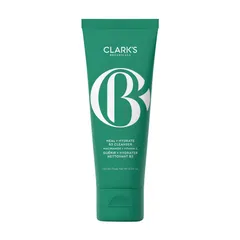
Works for:
based on ingredients and %- Cleansing
Can it cause trouble?
- Irritation risk: high
- Comedogenic risk ingredients: 3
Key actives

Works for
Cleansing
What does the product description say?
Heel and Hydrate B3 Cleanser
Source: From product name
This product works by removing dirt and oil from the surface of the skin. It uses a combination of mild cleansing agents (coco-glucoside, coconut acid, glyceryl caprylate, glyceryl oleate, hydrogenated castor oil, lauryl hydroxysultaine, myristic acid, sodium cocoyl isethionate, sodium lauroyl methyl isethionate, sodium methyl cocoyl taurate, stearic acid) and should be able to cleanse the skin gently. Still keep in mind that any cleansing can disrupt the skin barrier, and most people do not need to cleanse their skin more than once per day.
Even though this formulation is mild, the following cleansing agents could trigger an irritation or allergy for some people: coco-glucoside, glyceryl oleate, sodium methyl cocoyl taurate
Used as a cleansing agent (surfactant) in cleansers. Helps water and oil mix together in lotions. Can be irritating
An emollient that can also help water and oil mix together, as well as prevent bacteria growth in products
Helps oil and water mix together. Can be irritating
A plant oil that can help soften the skin. It might be helpful in calming down inflammation, but solid research is lacking. Is often used in lip products to create the needed product consistency
Helps oil and water mix together. Could be comedogenic
Helps water and oil mix together. Can be used as a cleansing agent
Works as a cleansing agent
Helps oil and water mix together. Can be used as cleansing agent
Helps oil and water mix together and works as an emollient
How honest is this product?
| Promise | Can it deliver? |
|---|---|
| Cleansing |
Total Promises Fulfilled score: 100/100.
We receive a small commission for purchases made through these links at no cost for you. Thank you for your support! Learn more
Potential irritants
Comedogenic ingredients
User reviews (0)
Averages from community submissions.
No reviews yet for this product.
Be the first to share your experience!
Tried this product?
Help capture what the ingredient list can't—texture, finish, pilling, scent, and more. Answer what you can, skip the rest.
Takes ~30 seconds.
Reviews are shown in aggregate. No personal details.
| Product | Similarity | Price | Irritancy |
|---|---|---|---|
 Clark's Botanical Heel and Hydrate B3 Cleanser | Current | $50.00 | |
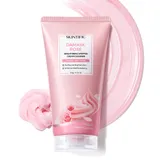
skintific Damask Rose Brightening Whipped Cream Cleanser | 62% | - | |
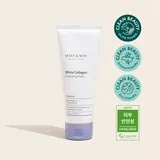
Mary&May White Collagen Cleansing Foam | 59% | $10.00 | |
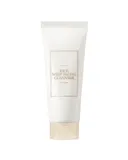 I'm from Rice Whip Facial Cleanser | 58% | ≈ $14.24 | |
 Olay Ultra Moisture Bath Bars 2 bars, each | 57% | $2.65 | |
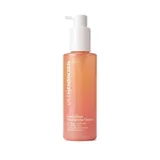 OleHenriksen Peach Glaze Glow Cleanser Peach Glaze Glow Cleanser | 57% | ≈ $31.30 |
Key Actives
Is proven to be effective in reducing blemishes, evening out skin tone and helping to improve lines and wrinkles. It helps the skin to repair sun damage, calm down inflammation and keep maintain good levels of moisture. The concentration of about 2% is effective for supporting the skin barrier and evening out the skin tone. Concentration of 4-6% is better for helping with acne and balancing the sebum production
Can contain potent anti-oxidant compounds (abbreviated ECG, GCG, EGC, and EGCG) that might help protect the skin from free radicals. Can help calm down inflammation and has some anti-bacterial properties. Unfortunately, these antioxidants are unstable and lose their effectiveness very quickly in products. The concentration of the antioxidant compounds in the extract also tends to be low to be effective in topical formulation
A potent anti-oxidant that has been shown to be effective in neutralizing free radicals in skin. There seem to have a synergetic effect of ferulic acid, vitamin E and C, meaning that when the ingredients are used together, they enhance each other's ability protect the skin against free radicals. Ferulic acid also helps to stabilize other ingredients - including vitamins C and E. It can help to even out the skin tone. Ferulic acid is approved for use as a sunscreen ingredient in Japan in concentrations up to 10%
A plant oil that can help soften the skin. It might be helpful in calming down inflammation, but solid research is lacking. Is often used in lip products to create the needed product consistency
A vitamin C derivative that is more stable but less potent than pure form of vitamin C. Can help neutralize free radicals and help reduce hyperpigmentation, but the required concentration is likely to be much higher than for the pure form of vitamin C, limiting the ingredient's effectiveness in products
Helps oil and water mix together and works as an emollient
An emollient that can also help water and oil mix together, as well as prevent bacteria growth in products
One of the best moisturizing ingredients. Naturally present in skin. It attracts water to the upper layer of the skin working as a humectant
Works as a cleansing agent
Helps oil and water mix together. Could be comedogenic
Helps oil and water mix together. Can be used as cleansing agent
Helps water and oil mix together. Can be used as a cleansing agent
Used as a cleansing agent (surfactant) in cleansers. Helps water and oil mix together in lotions. Can be irritating
Helps oil and water mix together. Can be irritating
Red algae extract that helps attract water to the upper layer of the skin and create a nicer product consistency
A great emollient due to its high linoleic acid content. One of the most effective plant oils in helping skin hydration and repairing skin barrier function
Potential irritants
Helps oil and water mix together. Can be used as cleansing agent
Used as a cleansing agent (surfactant) in cleansers. Helps water and oil mix together in lotions. Can be irritating
A vitamin C derivative that is more stable but less potent than pure form of vitamin C. Can help neutralize free radicals and help reduce hyperpigmentation, but the required concentration is likely to be much higher than for the pure form of vitamin C, limiting the ingredient's effectiveness in products
A plant extract that can be irritating. It can have some anti-bacterial properties, but there are no evidence of a beneficial effect for skin
The most well-researched antioxidant that works in skin. Helps neutralize free radicals supporting collagen production, helping to even out the skin tone and preventing early signs of aging
An aromatic blend of unspecified and possibly irritating ingredients
A common frangrance that can easily irritate skin, especially if exposed to air, light or heat
Helps oil and water mix together. Could be comedogenic
Helps water and oil mix together. Can be used as a cleansing agent
A plant oil that can help soften the skin. It might be helpful in calming down inflammation, but solid research is lacking. Is often used in lip products to create the needed product consistency
A preservative that comes from radishes fermented by a bacteria. New research suggests that the preservation properties in the ingredient come from an ammonium salt that is not present naturally in radish root but used in its cultivation. Is problematic because the exact amount of the preservative agents is difficult to determine
Comedogenic ingredients
Helps oil and water mix together. Could be comedogenic
Might help to attract water to the upper layer of the skin
Red algae extract that helps attract water to the upper layer of the skin and create a nicer product consistency
All ingredients
One of the best moisturizing ingredients. Naturally present in skin. It attracts water to the upper layer of the skin working as a humectant
Helps oil and water mix together. Could be comedogenic
Helps oil and water mix together. Can be used as cleansing agent
Helps water and oil mix together. Can be used as a cleansing agent
A plant oil that can help soften the skin. It might be helpful in calming down inflammation, but solid research is lacking. Is often used in lip products to create the needed product consistency
Used as a cleansing agent (surfactant) in cleansers. Helps water and oil mix together in lotions. Can be irritating
A vitamin C derivative that is more stable but less potent than pure form of vitamin C. Can help neutralize free radicals and help reduce hyperpigmentation, but the required concentration is likely to be much higher than for the pure form of vitamin C, limiting the ingredient's effectiveness in products
Is proven to be effective in reducing blemishes, evening out skin tone and helping to improve lines and wrinkles. It helps the skin to repair sun damage, calm down inflammation and keep maintain good levels of moisture. The concentration of about 2% is effective for supporting the skin barrier and evening out the skin tone. Concentration of 4-6% is better for helping with acne and balancing the sebum production
A plant extract that can be irritating. It can have some anti-bacterial properties, but there are no evidence of a beneficial effect for skin
Might help to attract water to the upper layer of the skin
Can contain potent anti-oxidant compounds (abbreviated ECG, GCG, EGC, and EGCG) that might help protect the skin from free radicals. Can help calm down inflammation and has some anti-bacterial properties. Unfortunately, these antioxidants are unstable and lose their effectiveness very quickly in products. The concentration of the antioxidant compounds in the extract also tends to be low to be effective in topical formulation
Red algae extract that helps attract water to the upper layer of the skin and create a nicer product consistency
A potent anti-oxidant that has been shown to be effective in neutralizing free radicals in skin. There seem to have a synergetic effect of ferulic acid, vitamin E and C, meaning that when the ingredients are used together, they enhance each other's ability protect the skin against free radicals. Ferulic acid also helps to stabilize other ingredients - including vitamins C and E. It can help to even out the skin tone. Ferulic acid is approved for use as a sunscreen ingredient in Japan in concentrations up to 10%
Carrot extract. Might have anti-oxidant properties and be used to add orange color
A great emollient due to its high linoleic acid content. One of the most effective plant oils in helping skin hydration and repairing skin barrier function
The most well-researched antioxidant that works in skin. Helps neutralize free radicals supporting collagen production, helping to even out the skin tone and preventing early signs of aging
A preservative that comes from radishes fermented by a bacteria. New research suggests that the preservation properties in the ingredient come from an ammonium salt that is not present naturally in radish root but used in its cultivation. Is problematic because the exact amount of the preservative agents is difficult to determine
An emollient that can also help water and oil mix together, as well as prevent bacteria growth in products
An aromatic blend of unspecified and possibly irritating ingredients
A common frangrance that can easily irritate skin, especially if exposed to air, light or heat
Ingredient list view
Water, Glycerin, Sodium lauroyl methyl isethionate, Myristic acid, Stearic acid, Potassium hydroxide, Sodium methyl cocoyl taurate, Sodium cocoyl isethionate, Coconut acid, Hydrogenated castor oil, Lauryl hydroxysultaine, Coco-glucoside, Glyceryl oleate, 3-o-ethyl ascorbic acid, Niacinamide, Jasminum officinale flower extract, Arnica montana flower extract, Hypnea musciformis extract, Camellia sinensis leaf extract, Chondrus crispus extract, Phoenix dactylifera seed extract, Ferulic acid, Daucus carota sativa root extract, Helianthus annuus seed oil, Ascorbic acid, Leuconostoc/radish root ferment filtrate, Caprylhydroxamic acid, Glyceryl caprylate, Parfum, Limonene, Linalool, Citral, Eugenol
- Glycerol and the skin: holistic approach to its origin and functions
- The fatty acid profile of the skin surface lipid layer in papulopustular rosacea
- Safety Assessment of Alkyl Taurate Amides and Taurate Salts as Used in Cosmetics
- Final Report on the Safety Assessment of Sodium Cocoyl Isethionate
- Final report on the safety assessment of Ricinus Communis (Castor) Seed Oil, Hydrogenated Castor Oil, Glyceryl Ricinoleate, Glyceryl Ricinoleate SE, Ricinoleic Acid, Potassium Ricinoleate, Sodium Ricinoleate, Zinc Ricinoleate, Cetyl Ricinoleate, Ethyl Ricinoleate, Glycol Ricinoleate, Isopropyl Ricinoleate, Methyl Ricinoleate, and Octyldodecyl Ricinoleate
- Castor Oil: Properties, Uses, and Optimization of Processing Parameters in Commercial Production
- Effect of ricinoleic acid in acute and subchronic experimental models of inflammation
- In Vitro Assessment of Skin Irritation Potential of Surfactant-based Formulations by Using a 3-D Skin Reconstructed Tissue Model and Cytokine Response
- Allergen of the Year—Alkyl Glucoside
- Contact Sensitization to Emulsifying Agents: An Underrated Issue?
- Antioxidant Ability and Stability Studies of 3-O-Ethyl Ascorbic Acid, a Cosmetic Tyrosinase Inhibitor
- Niacinamide - mechanisms of action and its topical use in dermatology
- Gehring, W. (2004). Nicotinic acid/niacinamide and the skin. Journal of Cosmetic Dermatology, 3(2), 88–93. doi:10.1111/j.1473-2130.2004.00115.x
- Effects of Topical Arnica Gel on Post-Laser Treatment Bruises
- Effects of microcurrent application alone or in combination with topical Hypericum perforatum L. and Arnica montana L. on surgically induced wound healing in Wistar rats
- The seamy side of natural medicines: contact sensitization to arnica (Arnica montana L.) and marigold (Calendula officinalis L.)
- Accelerated resolution of laser‐induced bruising with topical 20% arnica: a rater‐blinded randomized controlled trial
- Ferulic Acid: Therapeutic Potential Through Its Antioxidant Property
- Ferulic acid stabilizes a solution of vitamins C and E and doubles its photoprotection of skin
- Antioxidant Properties of Ferulic Acid and Its Possible Application
- Effect of Olive and Sunflower Seed Oil on the Adult Skin Barrier: Implications for Neonatal Skin Care
- Topically Applied Sunflower Seed Oil Prevents Invasive Bacterial Infections in Preterm Infants in Egypt
- Effect of topically applied lipids on surfactant-irritated skin
- Impact of topical oils on the skin barrier: possible implications for neonatal health in developing countries