Works for:
based on ingredients and %- Moisturizing
- Anti-oxidation
Doesn't work for:
based on ingredients and %- Exfoliation
- Evens skin tone
Can it cause trouble?
- Irritation risk: high
- Comedogenic risk ingredients: 1
Key actives

Anti-oxidation
This product contains antioxidants (epilobium angustifolium flower/leaf/stem extract) that might be able to help neutralize free radicals in skin to lessen the damage it gets from the UV light (sun). There is not enough evidence to confirm their effectiveness in skin though.
A plant extract that might contain antioxidants
A plant oil that contains limonoids. Might help neutralize free radicals in skin. Can be irritating
A plant oil that might help neutralize free radicals, but evidence of effectiveness in skin is lacking
A plant extract that might have some anti-oxidant and anti-inflammatory properties but evidence for effectiveness in skin is missing
Pure form of vitamin E. Can help moisturise and protect the skin from free radicals. Often used to help stabilise other ingredients or the formula itself
A plant oil with high content of volatile compounds that can irritate the skin. Can be used as a fragrance. Has anti-bacterial properties and might help neutralize free radicals on the surface of the skin
Moisturizing
This product can help improve hydration of the skin with the two types of ingredients.
The first type is called “humectants”:
these ingredients help attract water.
When humectants are on the surface of the skin, they “pull in” the moisture from the outside environment, or from
within deeper layers of the skin. The following ingredients in this product do the job:
glycerin, caprylyl glycol.
This product also contains ingredients called “occlusives”. They help reduce the speed with which our skin loses moisture to the outside environment. These ingredients also help soften the upper layer of the skin, so it feels less tight and nicer to the touch. The following ingredients in this product do the job: helianthus annuus seed oil, melia azadirachta seed oil.
Helps soften the upper layer of the skin and can support skin barrier function due to the high linoleic acid content
One of the best moisturizing ingredients. Naturally present in skin. It attracts water to the upper layer of the skin working as a humectant
A great emollient due to its high linoleic acid content. One of the most effective plant oils in helping skin hydration and repairing skin barrier function
Helps soften the upper layer of the skin
An emollient that helps soften the skin and is used to improve product texture and stability
Helps soften the upper layer of the skin. It mostly contains oleic acid which is not the most effective emollient to prevent water loss, but might have an anti-inflammatory effect
Helps soften the upper layer of the skin
An emollient that can also help water and oil mix together, as well as prevent bacteria growth in products
Helps preserve products and creates a nice product texture
Pure form of vitamin E. Can help moisturise and protect the skin from free radicals. Often used to help stabilise other ingredients or the formula itself
Exfoliation
What does the product description say?
Pineapple (Bromelain) Enzyme .
Source: Ulta
This product might help exfoliate the skin with papain, but This ingredient is not the most effective.
An enzyme extracted from papaya fruit. Can have an exfoliating effect on the skin. Can be irritating
Used for skin exfoliation. It has an anti-inflammatory and anti-bacterial effect, helps to unclog pores, prevent blemishes and speed up healing of the existing ones. Sometimes referred to as a BHA (beta-hydroxy acid)
Evens skin tone
What does the product description say?
works to gently and safely exfoliate the skin, rich in Vitamins C & E which assist in brightening skin; also contains natural anti-inflammatory properties to create an even skin tone
Source: Ulta
Effective ingredients missing or their concentration is too low
Used for skin exfoliation. It has an anti-inflammatory and anti-bacterial effect, helps to unclog pores, prevent blemishes and speed up healing of the existing ones. Sometimes referred to as a BHA (beta-hydroxy acid)
How honest is this product?
| Promise | Can it deliver? |
|---|---|
| Exfoliation | |
| Evens skin tone |
Total Promises Fulfilled score: 25/100.
Potential irritants
Comedogenic ingredients
User reviews (0)
Averages from community submissions.
No reviews yet for this product.
Be the first to share your experience!
Tried this product?
Help capture what the ingredient list can't—texture, finish, pilling, scent, and more. Answer what you can, skip the rest.
Takes ~30 seconds.
Reviews are shown in aggregate. No personal details.
| Product | Similarity | Price | Irritancy |
|---|---|---|---|
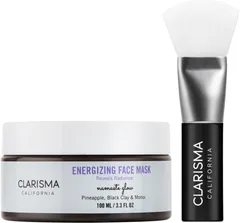
 Clarisma Namaste Glow Energizing Face Mask | Current | - | |
 Botanical Lab Hemp & Matcha Tea Clarifying Mask | 89% | ≈ $13.39 | |
 The outset Purifying Blue Clay Mask | 89% | $35.00 | |
 Admire My Skin 2% Salicylic Acid Mask | 89% | $19.00 | |
 Colleen Rothschild Beauty Clarifying Detox Mask | 87% | ≈ $105.23 | |
 Perricone MD Blemish Relief Calming & Soothing Clay Mask | 87% | ≈ $61.31 |
Key Actives
Used for skin exfoliation. It has an anti-inflammatory and anti-bacterial effect, helps to unclog pores, prevent blemishes and speed up healing of the existing ones. Sometimes referred to as a BHA (beta-hydroxy acid)
Pure form of vitamin E. Can help moisturise and protect the skin from free radicals. Often used to help stabilise other ingredients or the formula itself
A type of clay that consists mainly of aluminum silicate. Helps absorb oil and creates a thicker product consistency. Can be used to add a white color
One of the best moisturizing ingredients. Naturally present in skin. It attracts water to the upper layer of the skin working as a humectant
Helps soften the upper layer of the skin and can support skin barrier function due to the high linoleic acid content
Helps soften the upper layer of the skin
A great emollient due to its high linoleic acid content. One of the most effective plant oils in helping skin hydration and repairing skin barrier function
A plant extract that might contain antioxidants
Potential irritants
An enzyme extracted from papaya fruit. Can have an exfoliating effect on the skin. Can be irritating
Used for skin exfoliation. It has an anti-inflammatory and anti-bacterial effect, helps to unclog pores, prevent blemishes and speed up healing of the existing ones. Sometimes referred to as a BHA (beta-hydroxy acid)
Helps mask the smell of other ingredients and helps preserve the product formulation
A plant oil that contains limonoids. Might help neutralize free radicals in skin. Can be irritating
A plant extract that might contain antioxidants
A plant oil with high content of volatile compounds that can irritate the skin. Can be used as a fragrance. Has anti-bacterial properties and might help neutralize free radicals on the surface of the skin
Oil of a very fragrant pink rose used as fragrance in cosmetics. Extensive research has shown it has mixed benefits. In the pro column, inhaling this flower’s scent seems to have relaxing properties and the plant’s petals contain skin-soothing and antioxidant compounds that can benefit skin. On the flipside, the numerous chemicals that create this rose’s distinctive fragrance pose a risk of causing skin aggravation.
Most likely used for its fragrance. Can be irritating and lead to photosensitivity
A plant extract that might have some anti-oxidant and anti-inflammatory properties but evidence for effectiveness in skin is missing
Helps thicken the product formula and create a nice product formulation
A plant oil that might help neutralize free radicals, but evidence of effectiveness in skin is lacking
An alpha-hydroxy acid (AHA), but is mostly used to stabilize product formulations in cosmetics
Helps preserve products and creates a nice product texture
Helps mask the small of other ingredients and improve the product texture
Helps water and oil mix together and stabilize the product formulation
Can work as an exfoliant but is typically used to adjust the product pH
Comedogenic ingredients
Helps thicken the product formula and create a nice product formulation
All ingredients
A type of clay that consists mainly of aluminum silicate. Helps absorb oil and creates a thicker product consistency. Can be used to add a white color
One of the best moisturizing ingredients. Naturally present in skin. It attracts water to the upper layer of the skin working as a humectant
Helps soften the upper layer of the skin and can support skin barrier function due to the high linoleic acid content
An enzyme extracted from papaya fruit. Can have an exfoliating effect on the skin. Can be irritating
Helps soften the upper layer of the skin. It mostly contains oleic acid which is not the most effective emollient to prevent water loss, but might have an anti-inflammatory effect
Acts as a solvent for other ingredients. Speeds up the absorption of other ingredients into the skin
Used for skin exfoliation. It has an anti-inflammatory and anti-bacterial effect, helps to unclog pores, prevent blemishes and speed up healing of the existing ones. Sometimes referred to as a BHA (beta-hydroxy acid)
Helps mask the smell of other ingredients and helps preserve the product formulation
A plant extract that might have some anti-oxidant and anti-inflammatory properties but evidence for effectiveness in skin is missing
An emollient that can also help water and oil mix together, as well as prevent bacteria growth in products
Helps thicken the product formula and create a nice product formulation
A plant oil that might help neutralize free radicals, but evidence of effectiveness in skin is lacking
A plant oil that contains limonoids. Might help neutralize free radicals in skin. Can be irritating
An alpha-hydroxy acid (AHA), but is mostly used to stabilize product formulations in cosmetics
A great emollient due to its high linoleic acid content. One of the most effective plant oils in helping skin hydration and repairing skin barrier function
Might be helpful in restoring skin barrier function and, when combined with zinc carbonate and malonic acid, reducing fine lines and wrinkles by stimulating elastin production. Also helps stabilize the product formulation
An emollient that helps soften the skin and is used to improve product texture and stability
Helps preserve products and creates a nice product texture
Helps mask the small of other ingredients and improve the product texture
Helps water and oil mix together and stabilize the product formulation
Used to stabilize the product formulation and can help absorb oil
Pure form of vitamin E. Can help moisturise and protect the skin from free radicals. Often used to help stabilise other ingredients or the formula itself
A plant extract that might contain antioxidants
A plant oil with high content of volatile compounds that can irritate the skin. Can be used as a fragrance. Has anti-bacterial properties and might help neutralize free radicals on the surface of the skin
Can work as an exfoliant but is typically used to adjust the product pH
Oil of a very fragrant pink rose used as fragrance in cosmetics. Extensive research has shown it has mixed benefits. In the pro column, inhaling this flower’s scent seems to have relaxing properties and the plant’s petals contain skin-soothing and antioxidant compounds that can benefit skin. On the flipside, the numerous chemicals that create this rose’s distinctive fragrance pose a risk of causing skin aggravation.
Most likely used for its fragrance. Can be irritating and lead to photosensitivity
Ingredient list view
Water, Kaolin, Caprylyl caprylate/caprate, Ethyl macadamiate, Glycerin, Cetearyl olivate, Plumeria acutifolia flower extract, Sorbitan olivate, Melia azadirachta seed oil, Copaifera officinalis resin, Papain, Bromelain, Garcinia indica seed butter, Sodium stearoyl glutamate, Propanediol, Lauryl olivate, Paeonia lactiflora leaf cell extract, Salicylic acid, Sucrose polystearate, Phenylpropanol, Xanthan gum, Olea europaea leaf extract, Glyceryl caprylate, Hydrolyzed jojoba esters, Mentha viridis leaf oil, Carrageenan, Ethylhexylglycerin, Euterpe oleracea fruit oil, Carapa guaianensis seed oil, Phytic acid, Helianthus annuus seed oil, Magnolia officinalis bark extract, Magnesium aluminum silicate, Cetyl palmitate, Triethyl citrate, Caprylyl glycol, Acacia senegal gum, Sorbitan palmitate, Maltodextrin, Eucalyptus globulus oil, Tocopherol, Mentha arvensis leaf oil, Psidium guajava leaf extract, Avena sativa seed extract, Epilobium angustifolium flower/leaf/stem extract, Sodium hydroxide, Thuja occidentalis leaf oil, Rosmarinus officinalis leaf oil, Pogostemon cablin oil, Maltol, Cis-3-hexenyl acetate, 3-hexenol, Citric acid, Ocimum basilicum oil, Rosa damascena extract, Malic acid, Carum petroselinum seed oil, Artemisia pallens flower oil, Microcitrus australasica fruit extract, Vanillin, Menthol, Mentha piperita oil
- Glycerol and the skin: holistic approach to its origin and functions
- Characterization of fatty acids in Melia azedarach L. seed oil
- Physico-Chemical Stability Studies of Neem (Azadirachta indica) Seed Oil Cream
- TECHNICAL DATA SHEET KOKUM FAT
- Salicylic acid as a peeling agent: a comprehensive review
- Beta Hydroxy Acids
- A review of toxicity from topical salicylic acid preparations
- Glycolic Acid Peels Versus Salicylic–Mandelic Acid Peels in Active Acne Vulgaris and Post‐Acne Scarring and Hyperpigmentation: A Comparative Study
- Wound Repair Potential of Olea europaea L. Leaf Extracts Revealed by In Vivo Experimental Models and Comparative Evaluation of the Extracts' Antioxidant Activity
- Antioxidant Capacity and Other Bioactivities of the Freeze-Dried Amazonian Palm Berry, Euterpe oleraceae Mart. (Acai)
- Cosmetic and dermatologic use of alpha hydroxy acids
- Comparative Evaluation of Efficacy and Tolerability of Glycolic Acid, Salicylic Mandelic Acid, and Phytic Acid Combination Peels in Melasma
- Effect of Olive and Sunflower Seed Oil on the Adult Skin Barrier: Implications for Neonatal Skin Care
- Topically Applied Sunflower Seed Oil Prevents Invasive Bacterial Infections in Preterm Infants in Egypt
- Effect of topically applied lipids on surfactant-irritated skin
- Impact of topical oils on the skin barrier: possible implications for neonatal health in developing countries
- Final report on the safety assessment of aluminum silicate, calcium silicate, magnesium aluminum silicate, magnesium silicate, magnesium trisilicate, sodium magnesium silicate, zirconium silicate, attapulgite, bentonite, Fuller's earth, hectorite, kaolin, lithium magnesium silicate, lithium magnesium sodium silicate, montmorillonite, pyrophyllite, and zeolite
- Extracellular matrix in cutaneous ageing: the effects of 0.1% copper-zinc malonate-containing cream on elastin biosynthesis
- Citric Acid, Inorganic Citrate Salts and Alkyl Citrate Esters As Used in Cosmetics
- Vitamin E in dermatology
- Vitamin E and Skin Health
- Therapeutic Potential of Polyphenols from Epilobium Angustifolium (Fireweed): Polyphenols from Fireweed
- Assessment report on Rosmarinus officinalis L., aetheroleum and Rosmarinus officinalis L., folium
- Screening of plant extracts for antimicrobial activity against bacteria and yeasts with dermatological relevance
- Occupational contact dermatitis due to essential oils
- The in vitro antimicrobial activity and chemometric modelling of 59 commercial essential oils against pathogens of dermatological relevance
- Antimicrobial and Antioxidant Properties of Rosemary and Sage (Rosmarinus officinalis L. and Salvia officinalis L., Lamiaceae) Essential Oils
- Chemical Composition, Plant Genetic Differences, Antimicrobial and Antifungal Activity Investigation of the Essential Oil of Rosmarinus officinalis L.