Works for:
based on ingredients and %- Cleansing
Can it cause trouble?
- Irritation risk: high
- Comedogenic risk ingredients: 0
Key actives
Works for
Cleansing
What does the product description say?
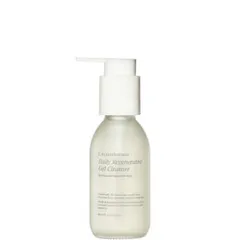
Daily Regenerative Gel Cleanser
Source: From product name
This product works by removing dirt and oil from the surface of the skin. It uses a combination of mild cleansing agents (caprylyl/capryl glucoside, cocamidopropyl betaine, cocamidopropyl hydroxysultaine, coco-glucoside, glyceryl oleate, linoleic acid, linolenic acid, polyglyceryl-10 laurate, sodium lauroyl methyl isethionate, sodium methyl oleoyl taurate) and should be able to cleanse the skin gently. Still keep in mind that any cleansing can disrupt the skin barrier, and most people do not need to cleanse their skin more than once per day.
Even though this formulation is mild, the following cleansing agents could trigger an irritation or allergy for some people: cocamidopropyl betaine, coco-glucoside, glyceryl oleate
Helps oil and water mix together. Can be used as a cleansing agent
Helps water and oil mix together. Used as a cleansing ingredient. Could be an allergen
Used as a cleansing agent. Helps water and oil mix together
Used as a cleansing agent (surfactant) in cleansers. Helps water and oil mix together in lotions. Can be irritating
Helps oil and water mix together. Can be irritating
An excellent emollient. Helps soften the skin, restore its barrier function, and can help to calm down inflammation. It can be helpful to prevent blemishes and clogged pores
An emollient that helps soften the skin and calm down inflammation
Helps water and oil mix together
Works as a cleansing agent
Helps oil and water mix together
How honest is this product?
| Promise | Can it deliver? |
|---|---|
| Cleansing |
Total Promises Fulfilled score: 100/100.
We receive a small commission for purchases made through these links at no cost for you. Thank you for your support! Learn more
Affiliate link · supports WIMJ at no cost to you
Potential irritants
Comedogenic ingredients
No comedogenic ingredients detected
User reviews (0)
Averages from community submissions.
No reviews yet for this product.
Be the first to share your experience!
Tried this product?
Help capture what the ingredient list can't—texture, finish, pilling, scent, and more. Answer what you can, skip the rest.
Takes ~30 seconds.
Reviews are shown in aggregate. No personal details.
Key Actives
An emollient that helps soften the skin and calm down inflammation
Pure form of vitamin E. Can help moisturise and protect the skin from free radicals. Often used to help stabilise other ingredients or the formula itself
An excellent emollient. Helps soften the skin, restore its barrier function, and can help to calm down inflammation. It can be helpful to prevent blemishes and clogged pores
One of the best moisturizing ingredients. Naturally present in skin. It attracts water to the upper layer of the skin working as a humectant
Works as a cleansing agent
Used as a cleansing agent (surfactant) in cleansers. Helps water and oil mix together in lotions. Can be irritating
Used as a cleansing agent. Helps water and oil mix together
Helps water and oil mix together. Used as a cleansing ingredient. Could be an allergen
Helps oil and water mix together
Helps oil and water mix together. Can be irritating
Helps oil and water mix together. Can be used as a cleansing agent
Helps water and oil mix together
Potential irritants
Used as a cleansing agent (surfactant) in cleansers. Helps water and oil mix together in lotions. Can be irritating
Helps water and oil mix together. Used as a cleansing ingredient. Could be an allergen
A plant extract that can be irritating. It might contain a compound anthocyanin that could be helpful in neutralizing free radicals
An aromatic blend of unspecified and possibly irritating ingredients
A common frangrance that can easily irritate skin, especially if exposed to air, light or heat
Used as a cleansing agent. Helps water and oil mix together
Traditionally used to treat sunburns, dermatitis and inflammation, but evidence for its effectiveness is lacking. The extract can contain humectants that help attract water into the skin
Used to stabilize product formulation, help create an even product layer over skin (for example, in sunscreen) and create a thicker product consistency
A plant extract that might have some anti-oxidant and anti-inflammatory properties but evidence for effectiveness in skin is missing
An emollient that helps soften the skin and calm down inflammation
An emollient that helps to soften the skin. It has a high contetn of oleic acid that might weaken the skin barrier. Might have some anti-oxidant properties. It might be somewhat helpful against hyperpigmentation.
Can work as an exfoliant but is typically used to adjust the product pH
A plant extract that can help lighten the skin and calm down inflammation. Might be helpful in neutralizing free radicals
A plant oil that helps soften the upper layer of the skin. Is unlikely to be helpful in restoring skin barrier function due to the low content of linoleic acid
A fruit juice. Might have some anti-oxidant properties but is unlikely to have any benefit when used in skincare
Helps preserve products and creates a nice product texture
Helps oil and water mix together. Can be used as a cleansing agent
Used to improve stability of the formulation
Comedogenic ingredients
We couldn't find any comedogenic ingredients in this product
All ingredients
One of the best moisturizing ingredients. Naturally present in skin. It attracts water to the upper layer of the skin working as a humectant
Used as a cleansing agent (surfactant) in cleansers. Helps water and oil mix together in lotions. Can be irritating
Used as a cleansing agent. Helps water and oil mix together
Helps water and oil mix together. Used as a cleansing ingredient. Could be an allergen
Traditionally used to treat sunburns, dermatitis and inflammation, but evidence for its effectiveness is lacking. The extract can contain humectants that help attract water into the skin
Used to stabilize product formulation, help create an even product layer over skin (for example, in sunscreen) and create a thicker product consistency
Used to stabilize mixtures of oil and water, and create thicker, gel-like product textures
A plant extract that might have some anti-oxidant and anti-inflammatory properties but evidence for effectiveness in skin is missing
An excellent emollient. Helps soften the skin, restore its barrier function, and can help to calm down inflammation. It can be helpful to prevent blemishes and clogged pores
An emollient that helps soften the skin and calm down inflammation
An emollient that helps to soften the skin. It has a high contetn of oleic acid that might weaken the skin barrier. Might have some anti-oxidant properties. It might be somewhat helpful against hyperpigmentation.
Can work as an exfoliant but is typically used to adjust the product pH
A plant extract that can help lighten the skin and calm down inflammation. Might be helpful in neutralizing free radicals
A plant extract that can be irritating. It might contain a compound anthocyanin that could be helpful in neutralizing free radicals
A plant oil that helps soften the upper layer of the skin. Is unlikely to be helpful in restoring skin barrier function due to the low content of linoleic acid
A fruit juice. Might have some anti-oxidant properties but is unlikely to have any benefit when used in skincare
Helps preserve products and creates a nice product texture
Helps oil and water mix together. Can be used as a cleansing agent
Helps soften the upper layer of the skin
Pure form of vitamin E. Can help moisturise and protect the skin from free radicals. Often used to help stabilise other ingredients or the formula itself
An aromatic blend of unspecified and possibly irritating ingredients
Used to improve stability of the formulation
A preservative. It helps prevent bacterial growth in cosmetic products
A common frangrance that can easily irritate skin, especially if exposed to air, light or heat
Ingredient list view
Water, Glycerin, Sodium lauroyl methyl isethionate, Coco-glucoside, Cocamidopropyl hydroxysultaine, Cocamidopropyl betaine, Sodium methyl oleoyl taurate, Aloe barbadensis leaf juice, Acrylates copolymer, Sodium chloride, Olea europaea leaf extract, Vitis vinifera leaf extract, Linoleic acid, Linolenic acid, Sclerocarya birrea seed oil, Citric acid, Glyceryl oleate, Glycyrrhiza glabra root extract, Hibiscus sabdariffa flower extract, Verbascum thapsus leaf extract, Moringa oleifera seed oil, Punica granatum fruit juice, Caprylyl glycol, Caprylyl/capryl glucoside, Hydrogenated palm glycerides citrate, Polyglyceryl-10 laurate, Polyglyceryl-10 oleate, Sodium hydroxide, Sodium phytate, Tocopherol, Parfum, Trisodium ethylenediamine disuccinate, Phenoxyethanol, Potassium sorbate, Sodium benzoate, Limonene, Linalool
- Glycerol and the skin: holistic approach to its origin and functions
- In Vitro Assessment of Skin Irritation Potential of Surfactant-based Formulations by Using a 3-D Skin Reconstructed Tissue Model and Cytokine Response
- Allergen of the Year—Alkyl Glucoside
- Final Report on the Safety Assessment of Acrylates Copolymer and 33 Related Cosmetic Ingredients
- Amended Safety Assessment of Acrylates Copolymers as Used in Cosmetics
- Wound Repair Potential of Olea europaea L. Leaf Extracts Revealed by In Vivo Experimental Models and Comparative Evaluation of the Extracts' Antioxidant Activity
- The Permeability Barrier in Essential Fatty Acid Deficiency: Evidence for a Direct Role for Linoleic Acid in Barrier Function
- Digital image analysis of the effect of topically applied linoleic acid on acne microcomedones.
- Anti-aging potential of extracts from Sclerocarya birrea (A. Rich.) Hochst and its chemical profiling by UPLC-Q-TOF-MS
- Physico-chemical composition and characterisation of the seed and seed oil of Sclerocarya birrea
- Assessment of the potential irritancy of oleic acid on human skin: Evaluation in vitro and in vivo
- Contact Sensitization to Emulsifying Agents: An Underrated Issue?
- Anthocyanin-rich extract from Hibiscus sabdariffa calyx counteracts UVC-caused impairments in rats
- Hibiscus sabdariffa L. – A phytochemical and pharmacological review
- Liposome-containing Hibiscus sabdariffa calyx extract formulations with increased antioxidant activity, improved dermal penetration and reduced dermal toxicity
- Moringa oleifera seed oil: Composition, nutritional aspects and health attributes
- Moringa oleifera Seeds and Oil: Characteristics and Uses for Human Health
- Vitamin E in dermatology
- Vitamin E and Skin Health