
Works for:
based on ingredients and %- Moisturizing
Can it cause trouble?
- Irritation risk: medium
- Comedogenic risk ingredients: 1
Key actives
Works for
Moisturizing
What does the product description say?
Murmure Éternel Smoothing Sleeping Cream Organic
Source: From product name
This product can help improve hydration of the skin with the two types of ingredients.
The first type is called “humectants”:
these ingredients help attract water.
When humectants are on the surface of the skin, they “pull in” the moisture from the outside environment, or from
within deeper layers of the skin. The following ingredients in this product do the job:
aminobutyric acid, glycerin.
This product also contains ingredients called “occlusives”. They help reduce the speed with which our skin loses moisture to the outside environment. These ingredients also help soften the upper layer of the skin, so it feels less tight and nicer to the touch. The following ingredients in this product do the job: caprylic/capric triglyceride, camellia oleifera seed oil.
Has been shown to support wound healing and skin barrier function when used topically in rats. Is likely to be effective in supporting skin's hydration and barrier function, but research for human skin is missing. Might have some anti-aging properties but the research is missing
An emollient that does not leave a greasy finish
A good mix of fatty acids that forms a protective layer on the skin. Improves the shelf life of products. Derived from coconut and glycerin
One of the best moisturizing ingredients. Naturally present in skin. It attracts water to the upper layer of the skin working as a humectant
An oil from a mixture of different vegetables. Helps soften the upper layer of the skin
A non-drying alcohol that works to soften the skin and stabilize product formulations helping oil and water mix together
An oil from a mixture of different vegetables. Helps soften the upper layer of the skin
An emollient that can also help water and oil mix together, as well as prevent bacteria growth in products
An exfoliating and moisturizing alpha-hydroxy acid (AHA). Typically causes less irritation than other AHAs, for example, glycolic acid. At high concentrations (about 15%), lactic acid can help reduce lines and wrinkles. Recent studies show that lactic acid can support the "good" bacteria living on skin's surface (healthy skin microbiome)
Pure form of vitamin E. Can help moisturise and protect the skin from free radicals. Often used to help stabilise other ingredients or the formula itself
Traditionally used to treat sunburns, dermatitis and inflammation, but evidence for its effectiveness is lacking. The extract can contain humectants that help attract water into the skin
How honest is this product?
| Promise | Can it deliver? |
|---|---|
| Moisturizing |
Total Promises Fulfilled score: 75/100.
We receive a small commission for purchases made through these links at no cost for you. Thank you for your support! Learn more
Affiliate link · supports WIMJ at no cost to you
Potential irritants
Comedogenic ingredients
User reviews (0)
Averages from community submissions.
No reviews yet for this product.
Be the first to share your experience!
Tried this product?
Help capture what the ingredient list can't—texture, finish, pilling, scent, and more. Answer what you can, skip the rest.
Takes ~30 seconds.
Reviews are shown in aggregate. No personal details.
| Product | Similarity | Price | Irritancy |
|---|---|---|---|
 Cattier Murmure Éternel Smoothing Sleeping Cream Organic | Current | ≈ $29.70 | |
 Embryolisse Cicalisse | 40% | ≈ $10.72 | |
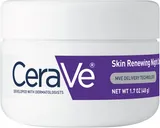 CeraVe Skin Renewing Night Cream | 40% | $15.44 | |
 SVR Topialyse Moisturising Face + Body Cream for Dry, Sensitive + Eczema-Prone Skin of All Ages | 40% | ≈ $22.73 | |
 Epicuren Hydro Plus Moisturizer | 40% | $67.10 | |
 Biopelle Emepelle Night Cream | 40% | - |
Key Actives
Has been shown to support wound healing and skin barrier function when used topically in rats. Is likely to be effective in supporting skin's hydration and barrier function, but research for human skin is missing. Might have some anti-aging properties but the research is missing
An emollient that does not leave a greasy finish
A good mix of fatty acids that forms a protective layer on the skin. Improves the shelf life of products. Derived from coconut and glycerin
One of the best moisturizing ingredients. Naturally present in skin. It attracts water to the upper layer of the skin working as a humectant
Potential irritants
A preservative. Can be used to mask unpleasant smell. Can be irritating
A good mix of fatty acids that forms a protective layer on the skin. Improves the shelf life of products. Derived from coconut and glycerin
An emollient that does not leave a greasy finish
Traditionally used to treat sunburns, dermatitis and inflammation, but evidence for its effectiveness is lacking. The extract can contain humectants that help attract water into the skin
Can work as an exfoliant but is typically used to adjust the product pH
An exfoliating and moisturizing alpha-hydroxy acid (AHA). Typically causes less irritation than other AHAs, for example, glycolic acid. At high concentrations (about 15%), lactic acid can help reduce lines and wrinkles. Recent studies show that lactic acid can support the "good" bacteria living on skin's surface (healthy skin microbiome)
Comedogenic ingredients
An oil from a mixture of different vegetables. Helps soften the upper layer of the skin
All ingredients
A good mix of fatty acids that forms a protective layer on the skin. Improves the shelf life of products. Derived from coconut and glycerin
One of the best moisturizing ingredients. Naturally present in skin. It attracts water to the upper layer of the skin working as a humectant
An emollient that does not leave a greasy finish
A non-drying alcohol that works to soften the skin and stabilize product formulations helping oil and water mix together
An oil from a mixture of different vegetables. Helps soften the upper layer of the skin
Traditionally used to treat sunburns, dermatitis and inflammation, but evidence for its effectiveness is lacking. The extract can contain humectants that help attract water into the skin
Has been shown to support wound healing and skin barrier function when used topically in rats. Is likely to be effective in supporting skin's hydration and barrier function, but research for human skin is missing. Might have some anti-aging properties but the research is missing
A preservative. Can be used to mask unpleasant smell. Can be irritating
Can work as an exfoliant but is typically used to adjust the product pH
An emollient that can also help water and oil mix together, as well as prevent bacteria growth in products
An oil from a mixture of different vegetables. Helps soften the upper layer of the skin
An exfoliating and moisturizing alpha-hydroxy acid (AHA). Typically causes less irritation than other AHAs, for example, glycolic acid. At high concentrations (about 15%), lactic acid can help reduce lines and wrinkles. Recent studies show that lactic acid can support the "good" bacteria living on skin's surface (healthy skin microbiome)
A clay mineral. Can absorb oil from the surface of the skin
Pure form of vitamin E. Can help moisturise and protect the skin from free radicals. Often used to help stabilise other ingredients or the formula itself
Ingredient list view
Water, Caprylic/capric triglyceride, Glycerin, Camellia oleifera seed oil, Bentonite, Cetyl alcohol, Olus oil, Water, Parfum, Aloe barbadensis leaf extract, Aminobutyric acid, Benzyl alcohol, Candelilla cera, Citric acid, Glyceryl caprylate, Hydrogenated vegetable oil, Lactic acid, Marrubium vulgare extract, Montmorillonite, Sodium benzoate, Sodium stearoyl glutamate, Tocopherol, Ulva lactuca extract, Xanthan gum
- Glycerol and the skin: holistic approach to its origin and functions
- gamma-Aminobutyric acid (A) receptor agonists accelerate cutaneous barrier recovery and prevent epidermal hyperplasia induced by barrier disruption
- Wound healing activity of gamma-aminobutyric Acid (GABA) in rats
- Moisturizing effect of Gamma-aminobutyric acid for cosmetic application
- Stimulation of human fibroblast collagen synthesis in vitro by gamma-aminobutyric acid