Works for
2 of 2 advertised claims delivered
Moisturizing17 ingredients credited for this claimStrong support
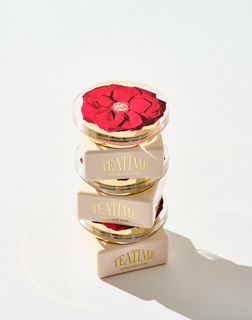
“ROSE TEA EYE CREAM”
This product can help improve hydration of the skin with the two types of ingredients.
The first type is called “humectants”:
these ingredients help attract water.
When humectants are on the surface of the skin, they “pull in” the moisture from the outside environment, or from
within deeper layers of the skin. The following ingredients in this product do the job:
biosaccharide gum-1, glycerin.
This product also contains ingredients called “occlusives”. They help reduce the speed with which our skin loses moisture to the outside environment. These ingredients also help soften the upper layer of the skin, so it feels less tight and nicer to the touch. The following ingredients in this product do the job: dimethicone, pentylene glycol.
The following ingredients in this product are especially good for supporting the skin barrier and helping with the hydration level: niacinamide
Anti-aging5 ingredients credited for this claimStrong support
“The anti-aging blend visibly plumps and tightens, reduces puffiness, and restores brightness to aging eyes.”
This product can help reduce and prevent fine lines and wrinkles, improve skin elasticity and firmness because it contains adenosine, glycolic acid, niacinamide.
Keep in mind that it typically takes at least 6 weeks to notice any results because the changes that are needed to improve fine lines and elasticity happen in the deeper layers of the skin. No topical anti-aging product can “erase” wrinkles or fully reverse signs of aging.
ExfoliationNot advertised by the brand · 2 ingredients credited for this claimStrong support
This product can help exfoliate the skin. In other words, it helps break down the bonds between dead cells on the surface of the skin and speed up the skin turnover. Skin often appears softer and brighter after exfoliation, but overdoing it can result in disrupted skin barrier. The following ingredient is doing the exfoliating job in this product: glycolic acid.
Evens skin toneNot advertised by the brand · 2 ingredients credited for this claimStrong support
This product can help reduce hypepigmentation and even out the skin tone because it contains the following effective ingredients: glycolic acid, niacinamide
Keep in mind that you would need to apply any topical skincare targetted at hypigmentation consistently for a couple of months to get a result. No topical skincare product can help get rid of hyperpigmentation (including post-acne marks and age spots) instantly.
Can it cause trouble?
Irritancy7 strong irritants: Rosa damascena flower water, Rosa damascena flower oil + 5 more — patch-test recommendedHigh risk
ComedogenicClean of flagged comedogenic ingredientsNone flagged


User reviews
Be the first — your take helps the next person decide.
Ingredients
Filter by role to see what each ingredient is doing.
Water~45–55%
Propanediol~4.9–6%
- Irritation risk
- Low
Acts as a solvent for other ingredients. Speeds up the absorption of other ingredients into the skin
More about PropanediolGlycerin~3.8–4.7%
- Irritation risk
- Low
One of the best moisturizing ingredients. Naturally present in skin. It attracts water to the upper layer of the skin working as a humectant
More about GlycerinButylene glycol~3–3.7%
- Irritation risk
- Low
Used to create a nice product texture and help delivery of other ingredients. Might be somewhat helpful in attracting water to the upper layer of the skin
More about Butylene glycolDimethicone~2.4–3%
- Irritation risk
- Low
A silicone that helps to reduce water loss from the surface of the skin. Can temporarily "fill in" lines and wrinkles, absorb oil, and create a nice product finish
More about DimethiconeNiacinamide~1.9–2.4%
- Irritation risk
- Low
Is proven to be effective in reducing blemishes, evening out skin tone and helping to improve lines and wrinkles. It helps the skin to repair sun damage, calm down inflammation and keep maintain good levels of moisture. The concentration of about 2% is effective for supporting the skin barrier and evening out the skin tone. Concentration of 4-6% is better for helping with acne and balancing the sebum production
More about Niacinamide1,2-hexanediol~0.75–1.15%
Silica~1.7–2.1%
Soluble collagen~1.2–1.5%
- Irritation risk
- Low
A typically plant-derived compound that is supposed mimic human collagen. Cannot penetrate the skin barrier so is not particularly useful in skincare products beyond attracting water to the upper layer of the skin
More about Soluble collagenAdenosine~0.95–1.2%
- Irritation risk
- Low
Might help improve cell turnover and reduce inflammation in skin. One study shows that the ingredients might be able to help reduce dynamic wrinkles (for example, in the corners of the eyes or on the forehead)
More about AdenosineRosa damascena flower water~0.7–1.05%
- Irritation risk
- High
Used to add a nice rose smell to the product. Might help attract water to the upper layer of the skin and have some anti-oxidant effect. Can be irritating
More about Rosa damascena flower waterRosa damascena flower oil~0.6–0.9%
- Irritation risk
- High
Used as a fragrance. Can be irritating
More about Rosa damascena flower oilRosa alba flower water~0.55–0.85%
- Irritation risk
- High
Rosa hybrid flower water~0.55–0.8%
- Irritation risk
- High
Adenium obesum leaf cell extract~0.5–0.75%
- Irritation risk
- Low
Adenium obesum leaf extract~0.5–0.7%
- Irritation risk
- Low
Rosa canina fruit extract~0.45–0.7%
- Irritation risk
- Medium
A plant extract that might have some anti-oxidant properties, but evidence is lacking
More about Rosa canina fruit extractNymphaea alba flower extract~0.4–0.65%
- Irritation risk
- Low
Hippophae rhamnoides fruit juice~0.4–0.6%
- Irritation risk
- Low
Prunus avium fruit extract~0.35–0.6%
- Irritation risk
- Low
Punica granatum fruit juice~0.3–0.6%
- Irritation risk
- Medium
A fruit juice. Might have some anti-oxidant properties but is unlikely to have any benefit when used in skincare
More about Punica granatum fruit juiceRubus idaeus juice~0.3–0.55%
- Irritation risk
- Low
Allantoin~0.3–0.5%
- Irritation risk
- Low
Helps calm down inflammation in skin and can help reduce itching. Helps to repair the skin barrier and keep skin hydrated
More about AllantoinCoccinia indica fruit extract~0.3–0.55%
- Irritation risk
- Medium
A plant extract that might have some anti-oxidant effect helping neutralize free radicals in skin
More about Coccinia indica fruit extractEclipta prostrata extract~0.3–0.55%
- Irritation risk
- High
A plant extract that might help neutralize free radicals in skin. It can be irritating
More about Eclipta prostrata extractCoptis japonica root extract~0.3–0.55%
- Irritation risk
- High
A plant extract that might have some anti-oxidant properties
More about Coptis japonica root extractPortulaca oleracea extract~0.3–0.55%
- Irritation risk
- Medium
A plant extract that has some anti-oxidant activity, but solid research is lacking. Can help attract water to the upper layer of the skin
More about Portulaca oleracea extractHydrolyzed malt extract~0.3–0.55%
- Irritation risk
- Low
Hydrolyzed viola tricolor extract~0.3–0.55%
- Irritation risk
- High
Might have some moisturizing and anti-inflammatory properties. Can be added to products to create a nice smell.
More about Hydrolyzed viola tricolor extractHyaluronic acid~0.3–0.55%
- Irritation risk
- Low
One of the best moisturizing ingredients. Attracts water into the upper layer of the skin. Naturally present in skin. Typically has large molecule size unless advertised otherwise on the product label. Helps support skin's barrier function and may help to reduce inflammation
More about Hyaluronic acidHydrolyzed hyaluronic acid~0.3–0.55%
- Irritation risk
- Low
One of the best moisturizing ingredients. Attracts water into the upper layer of the skin. A version of it is naturally present in skin
More about Hydrolyzed hyaluronic acidSodium hyaluronate~0.3–0.55%
- Irritation risk
- Low
One of the best moisturizing ingredients. Attracts water into the upper layer of the skin
More about Sodium hyaluronateCetearyl olivate~0.3–0.6%
Glycereth-26~0.3–0.55%
Biosaccharide gum-1~0.3–0.55%
- Irritation risk
- Low
Helps attract water to the upper layer of the skin and is claimed to provide a longer-lasting hydration because of its ability to create a water-binding film on the surface of the skin
More about Biosaccharide gum-1Ethylhexylglycerin~0.3–0.55%
Sodium palmitoyl proline~0.3–0.55%
- Irritation risk
- Low
Pentylene glycol~0.35–0.65%
- Irritation risk
- Medium
Used to preserve products, dissolve other ingredients and create a nice product texture
More about Pentylene glycolHydrolyzed gardenia florida extract~0.3–0.55%
- Irritation risk
- High
Used as a fragrance. Might have some anti-oxidant properties
More about Hydrolyzed gardenia florida extractPerilla ocymoides seed extract~0.3–0.55%
- Irritation risk
- High
A plant extract that might help neutralize free radicals in skin but solid research is lacking. Contains a number of volatile compounds and can be irritating
More about Perilla ocymoides seed extractTocopherol~0.3–0.55%
- Irritation risk
- Low
Pure form of vitamin E. Can help moisturise and protect the skin from free radicals. Often used to help stabilise other ingredients or the formula itself
More about TocopherolGlycolic acid~0.3–0.5%
- Irritation risk
- High
An alpha-hydroxy acid (AHA) that helps to remove the dead skin cells on the surface of the skin reveling a more even, smoother complexation. It is also able to stimulate collagen production with long-term use. Could help to reduce pore congestion. It can be irritating to the skin. Apply sunscreen daily if using products with glycolic acid
More about Glycolic acidDipropylene glycol~0.25–0.45%
- Irritation risk
- Low
Helps to dissolve other ingredients in a formulation. Slows down the rate of product drying
More about Dipropylene glycolSorbitan olivate~0.25–0.5%
Potassium laurate~0.25–0.45%
- Irritation risk
- Medium
Helps water and oil mix together
More about Potassium laurateAmmonium acryloyldimethyltaurate/beheneth-25 methacrylate crosspolymer~0.2–0.35%
- Irritation risk
- Medium
Used to stabilize product formulations
More about Ammonium acryloyldimethyltaurate/beheneth-25 methacrylate crosspolymerSodium polyacrylate starch~0.15–0.3%
- Irritation risk
- Low
Used to create a thicker product consistency
More about Sodium polyacrylate starchAmmonium polyacryloyldimethyl taurate~0.15–0.25%
- Irritation risk
- Low
Used to create a thicker product consistency
More about Ammonium polyacryloyldimethyl taurateTrisodium ethylenediamine disuccinate~0.15–0.3%
- Irritation risk
- Medium
Used to improve stability of the formulation
More about Trisodium ethylenediamine disuccinateHydroxyethylcellulose~0.15–0.3%
- Irritation risk
- Low
Used to thicken product formulations and create gel-like textures
More about HydroxyethylcellulosePeg-240/hdi copolymer bis-decyltetradeceth-20 ether~0.1–0.2%
- Irritation risk
- Medium
Helps create a gel-like product texture
More about Peg-240/hdi copolymer bis-decyltetradeceth-20 etherParfum~0.05–0.15%
- Irritation risk
- High
An aromatic blend of unspecified and possibly irritating ingredients
More about ParfumIngredient list view
Water, Propanediol, Glycerin, Butylene glycol, Dimethicone, Niacinamide, 1,2-hexanediol, Silica, Soluble collagen, Adenosine, Rosa damascena flower water, Rosa damascena flower oil, Rosa alba flower water, Rosa hybrid flower water, Adenium obesum leaf cell extract, Adenium obesum leaf extract, Rosa canina fruit extract, Nymphaea alba flower extract, Hippophae rhamnoides fruit juice, Prunus avium fruit extract, Punica granatum fruit juice, Rubus idaeus juice, Allantoin, Coccinia indica fruit extract, Eclipta prostrata extract, Coptis japonica root extract, Portulaca oleracea extract, Hydrolyzed malt extract, Hydrolyzed viola tricolor extract, Hyaluronic acid, Hydrolyzed hyaluronic acid, Sodium hyaluronate, Cetearyl olivate, Glycereth-26, Biosaccharide gum-1, Ethylhexylglycerin, Sodium palmitoyl proline, Pentylene glycol, Hydrolyzed gardenia florida extract, Perilla ocymoides seed extract, Tocopherol, Glycolic acid, Dipropylene glycol, Sorbitan olivate, Potassium laurate, Ammonium acryloyldimethyltaurate/beheneth-25 methacrylate crosspolymer, Sodium polyacrylate starch, Ammonium polyacryloyldimethyl taurate, Trisodium ethylenediamine disuccinate, Hydroxyethylcellulose, Peg-240/hdi copolymer bis-decyltetradeceth-20 ether, Parfum
Compare prices
Retailers ranked by price — lowest first.
Affiliate links · prices updated regularly · As an Amazon Associate, WIMJ earns from qualifying purchases.
Worth comparing, line by line.
Match % combines shared ingredients, the first five ingredients, shared actives and hero ingredients, irritancy (lower counts in the alternative's favour), texture and body area. Only products in the same routine step are compared.
| BYROEROSE TEA EYE CREAMYOUR PRODUCT | VILLAGE 11 FACTORYCollagen Eye Cream | Pretty skinAloe Vera Moisture Eye Cream | VT CosmeticsCica Collagen Eye Cream 15ml | |
|---|---|---|---|---|
| Match | — | 88% | 86% | 86% |
| Price | $76.00 | $10.90−$65.10 | $14.70−$61.30 | $26.37−$49.63 |
| Shared key ingredients | — | 8 of 12 | 9 of 12 | 7 of 12 |
| Key difference | — | Copper Tripeptide-1 | Betaine | Madecassoside |
| Irritancy | High | Medium | Medium | Medium |
| Drying alcohol | — | — | — | — |
| View product | Shop | Shop | Shop |


Product summary
Based on the ingredients included, "BYROE - ROSE TEA EYE CREAM" works well for moisturizing the skin. To work well, any moisturizer needs to include a combination of water-binding and emollient ingredients. BYROE - ROSE TEA EYE CREAM ticks this box. Biosaccharide gum-1, glycerin, hyaluronic acid, hydrolyzed hyaluronic acid and sodium hyaluronate in this product (humectants) attract water molecules to the upper layer of the skin (the water comes from the outside air or from the deeper layers of the skin if the air is dry). Dimethicone and pentylene glycol in this product help decrease the water evoporation from the skin, so that it stays hydrated for longer. These ingredients also soften the skin and take away the feeling of tightness and dryness.
Ingredient callouts
- We particularly like that there is a good concentration of Niacinamide (1.90% - 2.40%) in this moisturizer. Niacinamide is a well-studied multi-tasking active. It is a great ingredient to have in a moisturizer. It is stable, and can work well in almost any hydrating formulation. There is solid evidence that Niacinamide can help support skin barrier, regulate oil production and reduce acne and clogged pores. It also helps to fight photodamage and help improve the skin tone, reducing pigmentation marks.
- Adenosine 0.95% - 1.20%. It is a compound that in involved in many biological processes inside the skin cells. According one high-quality clinical trial, topical Adenosine in low concentrations can somewhat help improve "deep wrinkles" - the wrinkles that appear with age in places where our faces are most dynamic (for example, on the forehead or in the corners of the eyes).
Irritation risk
There are quite a few common irritants in this product, including ingredients without particular skin benefits. We would not recommend it for sensitive skin. We assess the overall irritancy of this moisturizer to be high. For a detailed overview of all potential irritants: click here
You can see the detailed formula review with the breakdown of all actives in the product and the full ingredient list with estimated concentrations in the tables below.
Sources cited in this review
Every concentration estimate and effectiveness label is anchored to one of these 24 studies and safety reviews.
- 1
- 2
- 3Final Report on the Safety Assessment of Dimethicone Copolyoljournals.sagepub.com
- 4
- 5
- 6

Affiliate links · As an Amazon Associate, WIMJ earns from qualifying purchases.