
Works for:
based on ingredients and %- Moisturizing
Doesn't work for:
based on ingredients and %- Anti-aging
- Evens skin tone
Can it cause trouble?
- Irritation risk: medium
- Comedogenic risk ingredients: 2
Key actives


Moisturizing
What does the product description say?
and high molecular and cross-linked hyaluronic acids deeply nourishes, hydrates and supports the skin ́s overnight repair program.
Source: Skinstore
This product can help improve hydration of the skin with the two types of ingredients.
The first type is called “humectants”:
these ingredients help attract water.
When humectants are on the surface of the skin, they “pull in” the moisture from the outside environment, or from
within deeper layers of the skin. The following ingredients in this product do the job:
citrulline, fructooligosaccharides.
This product also contains ingredients called “occlusives”. They help reduce the speed with which our skin loses moisture to the outside environment. These ingredients also help soften the upper layer of the skin, so it feels less tight and nicer to the touch. The following ingredients in this product do the job: caprylic/capric triglyceride, hydrolyzed collagen.
The following ingredients in this product are especially good for supporting the skin barrier and helping with the hydration level: panthenol
Naturally present in skin and helps to attract water to its upper layer
Help attract water to the upper layer of the skin
One of the best moisturizing ingredients. Naturally present in skin. It attracts water to the upper layer of the skin working as a humectant
Helps attract water to the upper layer of the skin and can help improve skin barrier function
A typically plant-derived compound that is supposed mimic human collagen. Cannot penetrate the skin barrier so is not particularly useful in skincare products beyond attracting water to the upper layer of the skin
A good mix of fatty acids that forms a protective layer on the skin. Improves the shelf life of products. Derived from coconut and glycerin
An amino-acid that helps attract water to the upper layer of the skin
One of the best moisturizing ingredients. Attracts water into the upper layer of the skin
An emollient that helps soften the skin
An emollient that helps to soften the skin. It has a high contetn of oleic acid that might weaken the skin barrier. Might have some anti-oxidant properties. It might be somewhat helpful against hyperpigmentation.
Helps to soften the upper layer of the skin without creating a greasy texture
A fruit extract that might help to attract water to the upper layer of the skin, but there is no evidence for any other benefits to the skin
Traditionally used to treat sunburns, dermatitis and inflammation, but evidence for its effectiveness is lacking. The extract can contain humectants that help attract water into the skin
An exfoliating and moisturizing alpha-hydroxy acid (AHA). Typically causes less irritation than other AHAs, for example, glycolic acid. At high concentrations (about 15%), lactic acid can help reduce lines and wrinkles. Recent studies show that lactic acid can support the "good" bacteria living on skin's surface (healthy skin microbiome)
Is proven to be effective in reducing blemishes, evening out skin tone and helping to improve lines and wrinkles. It helps the skin to repair sun damage, calm down inflammation and keep maintain good levels of moisture. The concentration of about 2% is effective for supporting the skin barrier and evening out the skin tone. Concentration of 4-6% is better for helping with acne and balancing the sebum production
Can have some moisturizing properties due to its sugar content
Used mostly for creating emulsions - helping oil and water mix together. Helps soften the upper layer of the skin
Anti-aging
What does the product description say?
It efficiently combats all signs of photo-aging such as sun spots, wrinkles and drying out.
Source: Skinstore
This product does not contain ingredients that are able to reduce fine lines and wrinkles or help with skin elasticity, but it can improve the look of the skin temporarily through moisturization. Well-moisturized skin might also be able to repair the sun damage better.
Traditionally used to treat sunburns, dermatitis and inflammation, but evidence for its effectiveness is lacking. The extract can contain humectants that help attract water into the skin
Is proven to be effective in reducing blemishes, evening out skin tone and helping to improve lines and wrinkles. It helps the skin to repair sun damage, calm down inflammation and keep maintain good levels of moisture. The concentration of about 2% is effective for supporting the skin barrier and evening out the skin tone. Concentration of 4-6% is better for helping with acne and balancing the sebum production
An exfoliating and moisturizing alpha-hydroxy acid (AHA). Typically causes less irritation than other AHAs, for example, glycolic acid. At high concentrations (about 15%), lactic acid can help reduce lines and wrinkles. Recent studies show that lactic acid can support the "good" bacteria living on skin's surface (healthy skin microbiome)
Evens skin tone
What does the product description say?
It efficiently combats all signs of photo-aging such as sun spots, wrinkles and drying out.
Source: Skinstore
Effective ingredients missing or their concentration is too low
Is proven to be effective in reducing blemishes, evening out skin tone and helping to improve lines and wrinkles. It helps the skin to repair sun damage, calm down inflammation and keep maintain good levels of moisture. The concentration of about 2% is effective for supporting the skin barrier and evening out the skin tone. Concentration of 4-6% is better for helping with acne and balancing the sebum production
An exfoliating and moisturizing alpha-hydroxy acid (AHA). Typically causes less irritation than other AHAs, for example, glycolic acid. At high concentrations (about 15%), lactic acid can help reduce lines and wrinkles. Recent studies show that lactic acid can support the "good" bacteria living on skin's surface (healthy skin microbiome)
How honest is this product?
| Promise | Can it deliver? |
|---|---|
| Moisturizing | |
| Anti-aging | |
| Evens skin tone |
Total Promises Fulfilled score: 50/100.
We receive a small commission for purchases made through these links at no cost for you. Thank you for your support! Learn more
Potential irritants
Comedogenic ingredients
User reviews (0)
Averages from community submissions.
No reviews yet for this product.
Be the first to share your experience!
Tried this product?
Help capture what the ingredient list can't—texture, finish, pilling, scent, and more. Answer what you can, skip the rest.
Takes ~30 seconds.
Reviews are shown in aggregate. No personal details.
| Product | Similarity | Price | Irritancy |
|---|---|---|---|
 BYNACHT Reverse Sun Radical Recovery Serum | Current | ≈ $293.68 | |
Environ Focus Care Radiance+ Vita-Botanical Mela-Fade Serum System | 86% | ≈ $91.15 | |
endota spa Peptide 8 Hyaluronic Serum | 82% | ≈ $125.66 | |
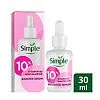 Simple Booster Serum 10% Niacinamide | 82% | ≈ $6.60 | |
 Luzern Laboratories Luzern WE3 Triple Action Serum Wrinkle Corrector | 82% | ≈ $224.75 | |
 Alpha-H Vitamin B | 81% | $65.00 |
Key Actives
Is proven to be effective in reducing blemishes, evening out skin tone and helping to improve lines and wrinkles. It helps the skin to repair sun damage, calm down inflammation and keep maintain good levels of moisture. The concentration of about 2% is effective for supporting the skin barrier and evening out the skin tone. Concentration of 4-6% is better for helping with acne and balancing the sebum production
An exfoliating and moisturizing alpha-hydroxy acid (AHA). Typically causes less irritation than other AHAs, for example, glycolic acid. At high concentrations (about 15%), lactic acid can help reduce lines and wrinkles. Recent studies show that lactic acid can support the "good" bacteria living on skin's surface (healthy skin microbiome)
Helps attract water to the upper layer of the skin and can help improve skin barrier function
One of the best moisturizing ingredients. Naturally present in skin. It attracts water to the upper layer of the skin working as a humectant
A good mix of fatty acids that forms a protective layer on the skin. Improves the shelf life of products. Derived from coconut and glycerin
Help attract water to the upper layer of the skin
A typically plant-derived compound that is supposed mimic human collagen. Cannot penetrate the skin barrier so is not particularly useful in skincare products beyond attracting water to the upper layer of the skin
An amino-acid that helps attract water to the upper layer of the skin
One of the best moisturizing ingredients. Attracts water into the upper layer of the skin
Naturally present in skin and helps to attract water to its upper layer
Potential irritants
A drying alcohol. Can increase skin's sensitivity and cause dryness and irritation
Traditionally used to treat sunburns, dermatitis and inflammation, but evidence for its effectiveness is lacking. The extract can contain humectants that help attract water into the skin
A good mix of fatty acids that forms a protective layer on the skin. Improves the shelf life of products. Derived from coconut and glycerin
An emollient that helps to soften the skin. It has a high contetn of oleic acid that might weaken the skin barrier. Might have some anti-oxidant properties. It might be somewhat helpful against hyperpigmentation.
A gelling agent that thickens the product consistency and leaves the skin with a velvety finish
A plant extract that might have some antioxidant properties, but mostly used in cosmetics for its color
Can have some moisturizing properties due to its sugar content
A plant extract that can contain an antioxidant compound
A fruit extract that might help to attract water to the upper layer of the skin, but there is no evidence for any other benefits to the skin
An exfoliating and moisturizing alpha-hydroxy acid (AHA). Typically causes less irritation than other AHAs, for example, glycolic acid. At high concentrations (about 15%), lactic acid can help reduce lines and wrinkles. Recent studies show that lactic acid can support the "good" bacteria living on skin's surface (healthy skin microbiome)
Can work as an exfoliant but is typically used to adjust the product pH
Comedogenic ingredients
All ingredients
Traditionally used to treat sunburns, dermatitis and inflammation, but evidence for its effectiveness is lacking. The extract can contain humectants that help attract water into the skin
One of the best moisturizing ingredients. Naturally present in skin. It attracts water to the upper layer of the skin working as a humectant
A good mix of fatty acids that forms a protective layer on the skin. Improves the shelf life of products. Derived from coconut and glycerin
An emollient that helps to soften the skin. It has a high contetn of oleic acid that might weaken the skin barrier. Might have some anti-oxidant properties. It might be somewhat helpful against hyperpigmentation.
A gelling agent that thickens the product consistency and leaves the skin with a velvety finish
A typically plant-derived compound that is supposed mimic human collagen. Cannot penetrate the skin barrier so is not particularly useful in skincare products beyond attracting water to the upper layer of the skin
A plant extract that might have some antioxidant properties, but mostly used in cosmetics for its color
Can have some moisturizing properties due to its sugar content
A plant extract that can contain an antioxidant compound
A fruit extract that might help to attract water to the upper layer of the skin, but there is no evidence for any other benefits to the skin
An amino-acid that helps attract water to the upper layer of the skin
Helps attract water to the upper layer of the skin and can help improve skin barrier function
An exfoliating and moisturizing alpha-hydroxy acid (AHA). Typically causes less irritation than other AHAs, for example, glycolic acid. At high concentrations (about 15%), lactic acid can help reduce lines and wrinkles. Recent studies show that lactic acid can support the "good" bacteria living on skin's surface (healthy skin microbiome)
Can work as an exfoliant but is typically used to adjust the product pH
Helps to soften the upper layer of the skin without creating a greasy texture
One of the best moisturizing ingredients. Attracts water into the upper layer of the skin
Used mostly for creating emulsions - helping oil and water mix together. Helps soften the upper layer of the skin
Naturally present in skin and helps to attract water to its upper layer
Is proven to be effective in reducing blemishes, evening out skin tone and helping to improve lines and wrinkles. It helps the skin to repair sun damage, calm down inflammation and keep maintain good levels of moisture. The concentration of about 2% is effective for supporting the skin barrier and evening out the skin tone. Concentration of 4-6% is better for helping with acne and balancing the sebum production
A preservative. It helps prevent bacterial growth in cosmetic products
A drying alcohol. Can increase skin's sensitivity and cause dryness and irritation
Ingredient list view
Water, Aloe barbadensis leaf juice, Glycerin, Coconut alkanes, Caprylic/capric triglyceride, Sclerocarya birrea seed oil, Hydroxyethyl acrylate/sodium acryloyldimethyl taurate copolymer, Fructooligosaccharides, Hydrolyzed collagen, Beta vulgaris root extract, Pyrus malus fruit extract, Avena strigosa seed extract, Citrullus lanatus fruit extract, Ananas sativus fruit extract, Chlorella vulgaris/lupinus albus protein ferment, Citrulline, Panthenol, Lactic acid, Citric acid, Coco-caprylate/caprate, Potassium lactate, Potassium sorbate, Sodium hyaluronate, Sodium hydroxide, Sodium benzoate, Sodium hyaluronate crosspolymer-3, Lecithin, Sorbitan isostearate, Dehydroacetic acid, Sodium pca, Niacinamide, Pectin, Ethylhexylglycerin, Benzoic acid, Phenoxyethanol, Isopropyl alcohol
- Glycerol and the skin: holistic approach to its origin and functions
- Anti-aging potential of extracts from Sclerocarya birrea (A. Rich.) Hochst and its chemical profiling by UPLC-Q-TOF-MS
- Physico-chemical composition and characterisation of the seed and seed oil of Sclerocarya birrea
- Assessment of the potential irritancy of oleic acid on human skin: Evaluation in vitro and in vivo
- Analyzing Lycopene Content in Fruits
- Dermatologic compositions comprising pyrrolidone-5-carboxylic acid and at least one entity chosen from citrulline, arginine and asparagine, and uses thereof in the treatment of atopic dermatitis
- Skin moisturizing effects of panthenol-based formulations
- Safety Assessment of Panthenol, Pantothenic Acid, and Derivatives as Used in Cosmetics
- Epidermal and dermal effects of topical lactic acid
- Dual Effects of Alpha-Hydroxy Acids on the Skin
- Safety Assessment of Alkyl Esters as Used in Cosmetics
- Hyaluronic acid: A key molecule in skin aging
- Hyaluronan (Hyaluronic Acid): a natural moisturizer for skin care
- 4 Final Report on the Safety Assessment of Sodium Dehydroacetate and Dehydroacetic Acid
- Niacinamide - mechanisms of action and its topical use in dermatology
- Gehring, W. (2004). Nicotinic acid/niacinamide and the skin. Journal of Cosmetic Dermatology, 3(2), 88–93. doi:10.1111/j.1473-2130.2004.00115.x