Works for
1 of 2 advertised claims delivered
Moisturizing25 ingredients credited for this claimStrong support
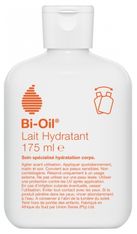
“Moisturizing Milk”
This product can help improve hydration of the skin with the two types of ingredients.
The first type is called “humectants”:
these ingredients help attract water.
When humectants are on the surface of the skin, they “pull in” the moisture from the outside environment, or from
within deeper layers of the skin. The following ingredients in this product do the job:
glycerin, sodium hyaluronate.
This product also contains ingredients called “occlusives”. They help reduce the speed with which our skin loses moisture to the outside environment. These ingredients also help soften the upper layer of the skin, so it feels less tight and nicer to the touch. The following ingredients in this product do the job: dimethicone, helianthus annuus seed oil.
The following ingredients in this product are especially good for supporting the skin barrier and helping with the hydration level: urea
Anti-aging5 ingredients credited for this claimLimited support
“Bi-Oil is also effective against the ageing signs and of dehydration of the skin.”
This product does not contain ingredients that are able to reduce fine lines and wrinkles or help with skin elasticity, but it can improve the look of the skin temporarily through moisturization. Well-moisturized skin might also be able to repair the sun damage better.
Can it cause trouble?
Irritancy1 strong irritant: Retinyl palmitateMedium risk
Comedogenic6 ingredients rated 2 or more on the 0–5 pore-clogging scale6 flagged
User reviews
Be the first — your take helps the next person decide.
Ingredients
Filter by role to see what each ingredient is doing.
Water~45–55%
Dimethicone~6.5–7.9%
- Irritation risk
- Low
A silicone that helps to reduce water loss from the surface of the skin. Can temporarily "fill in" lines and wrinkles, absorb oil, and create a nice product finish
More about DimethiconeIsopropyl palmitate~4.4–5.4%
- Irritation risk
- Medium
- Comedogenicity
- 3/5
Helps soften the upper layer of the skin and create a thicker product consistency
More about Isopropyl palmitateEthylhexyl cocoate~3.2–3.9%
- Irritation risk
- Low
Helps soften the upper layer of the skin
More about Ethylhexyl cocoateIsododecane~2.4–3%
- Irritation risk
- Low
An emollient that helps soften the skin and can decrease moisture loss. Helps create a nice product texture
More about IsododecaneIsopropyl myristate~2–2.5%
- Irritation risk
- Low
- Comedogenicity
- 3/5
An emollient that helps soften the skin. Could be comedogenic
More about Isopropyl myristateUrea~1.6–2%
- Irritation risk
- Low
Naturally present in skin (urea makes up about 7% of natural moisturizing factors in skin). Attracts water to the upper layer of the skin. Also has a positive effect on the skin barrier beyond the humectant action. Can enhance penetration of other ingredients. Is an exfoliating ingredient when used in high concentrations
More about UreaPolyglyceryl-2 dipolyhydroxystearate~1.5–1.8%
- Irritation risk
- Low
Helps to soften the upper layer of the skin
More about Polyglyceryl-2 dipolyhydroxystearateGlycerin~1.3–1.6%
- Irritation risk
- Low
One of the best moisturizing ingredients. Naturally present in skin. It attracts water to the upper layer of the skin working as a humectant
More about GlycerinPentylene glycol~1–1.3%
- Irritation risk
- Medium
Used to preserve products, dissolve other ingredients and create a nice product texture
More about Pentylene glycolDicaprylyl carbonate~0.75–1.1%
- Irritation risk
- Low
Helps products spread more easily and works as an emollient to soften skin
More about Dicaprylyl carbonatePolyglyceryl-3 diisostearate~0.6–0.9%
- Irritation risk
- Medium
- Comedogenicity
- 3/5
Helps oil and water mix together
More about Polyglyceryl-3 diisostearateSodium lactate~0.5–0.8%
- Irritation risk
- Medium
Helps attract water to the upper layer of the skin. Is often used to adjust the pH level of the product
More about Sodium lactateDipentaerythrityl hexacaprylate/hexacaprate~0.5–0.75%
- Irritation risk
- Low
Gluconolactone~0.45–0.65%
- Irritation risk
- Medium
A polyhydroxy acid (PHA) that helps shed the dead cells from the skin surface revealing smoother skin. Is believed to be genter than AHAs. It helps attract water to the upper layer of the skin and can stimulate production of skin's own hyaluronic acid resulting in improved hydration levels. It has been shown to be helpful against acne and clogged pores if used consistently (e.g over a period of 12 weeks) in high enough concentration. It can help reduce fine lines and wrinkles and improve skin tone with long-term application. Can help neutralize free radicals
More about GluconolactoneRosa canina fruit oil~0.5–0.7%
- Irritation risk
- Medium
A great emollient. Contains vitamin E (tocopherol) which may give it some anti-oxidant properties. Can contain volatile compounds and can be irritating
More about Rosa canina fruit oilSimmondsia chinensis seed oil~0.5–0.7%
- Irritation risk
- Medium
Softens the upper layer of skin and helps restore the healthy skin barrier. Has shown to help calm down inflammation in skin. It is a stable oil, meaning that it retains its properties even when exposed to air.
More about Simmondsia chinensis seed oilCalendula officinalis extract~0.35–0.6%
- Irritation risk
- High
A plant extract that might help neutralize free radicals in skin
More about Calendula officinalis extractButyrospermum parkii oil~0.35–0.65%
- Irritation risk
- Low
- Comedogenicity
- 3/5
Helianthus annuus seed oil~0.35–0.6%
- Irritation risk
- Low
A great emollient due to its high linoleic acid content. One of the most effective plant oils in helping skin hydration and repairing skin barrier function
More about Helianthus annuus seed oilGlycine soja oil~0.3–0.55%
- Irritation risk
- Medium
- Comedogenicity
- 2/5
A good emollient that helps soften the skin and helps repair its barrier function. It can clog pores if used in high concentrations.
More about Glycine soja oilIsostearyl isostearate~0.3–0.55%
- Irritation risk
- Medium
- Comedogenicity
- 3/5
Helps soften the upper layer of the skin and improve the product texture. It can be comedogenic
More about Isostearyl isostearateBisabolol~0.25–0.45%
- Irritation risk
- Low
An active component of chamomile plant that historically has been used to calm down irritated skin. A recent study shows that bisabolol indeed can have some anti-inflammatory effect on skin, even though conclusive data is lacking. Bisabolol has a sweet floral scent and can be added to products for its aromatic properties
More about BisabololOctyldodecyl pca~0.3–0.55%
- Irritation risk
- Low
Retinyl palmitate~0.25–0.45%
- Irritation risk
- High
Three steps removed from the active form of vitamin A - retinoic acid. To have an effect in the skin, it first needs to be converted twice to become the retinoic acid. This means it is less potent than retinol, but could also be less irritating. Once converted to the retinoic acid in the skin, it helps against all signs of aging, improves skin cell turnover and helps fight blemishes and clogged pores. However, in many cosmetic formulations, it is used in a concentration that is too low to have the full effect
More about Retinyl palmitateTocopheryl acetate~0.25–0.45%
- Irritation risk
- Medium
A more stable but less bio-available form of vitamin E compared to Tocopherol. Might help moisturize and protect the skin from free radicals, but mostly used in low concentrations to stabilize other ingredients.
More about Tocopheryl acetateLinoleic acid~0.35–0.65%
- Irritation risk
- Low
An excellent emollient. Helps soften the skin, restore its barrier function, and can help to calm down inflammation. It can be helpful to prevent blemishes and clogged pores
More about Linoleic acidLinolenic acid~0.3–0.55%
- Irritation risk
- Medium
An emollient that helps soften the skin and calm down inflammation
More about Linolenic acidTocopherol~0.2–0.35%
- Irritation risk
- Low
Pure form of vitamin E. Can help moisturise and protect the skin from free radicals. Often used to help stabilise other ingredients or the formula itself
More about TocopherolSodium pca~0.2–0.35%
- Irritation risk
- Low
Naturally present in skin and helps to attract water to its upper layer
More about Sodium pcaSodium hyaluronate~0.15–0.3%
- Irritation risk
- Low
One of the best moisturizing ingredients. Attracts water into the upper layer of the skin
More about Sodium hyaluronateLactic acid~0.15–0.25%
- Irritation risk
- Medium
An exfoliating and moisturizing alpha-hydroxy acid (AHA). Typically causes less irritation than other AHAs, for example, glycolic acid. At high concentrations (about 15%), lactic acid can help reduce lines and wrinkles. Recent studies show that lactic acid can support the "good" bacteria living on skin's surface (healthy skin microbiome)
More about Lactic acidStearalkonium hectorite~0.1–0.2%
Propylene carbonate~0.15–0.25%
- Irritation risk
- Low
Is used to dissolve other ingredients and create nice product texture
More about Propylene carbonateIngredient list view
Water, Dimethicone, Isopropyl palmitate, Ethylhexyl cocoate, Isododecane, Isopropyl myristate, Urea, Polyglyceryl-2 dipolyhydroxystearate, Glycerin, Pentylene glycol, Dicaprylyl carbonate, Polyglyceryl-3 diisostearate, Sodium lactate, Dipentaerythrityl hexacaprylate/hexacaprate, Gluconolactone, Rosa canina fruit oil, Simmondsia chinensis seed oil, Calendula officinalis extract, Butyrospermum parkii oil, Helianthus annuus seed oil, Glycine soja oil, Isostearyl isostearate, Bisabolol, Octyldodecyl pca, Retinyl palmitate, Tocopheryl acetate, Linoleic acid, Linolenic acid, Tocopherol, Sodium pca, Sodium hyaluronate, Lactic acid, Stearalkonium hectorite, Propylene carbonate
Compare prices
Retailers ranked by price — lowest first.

Affiliate links · prices updated regularly
Product summary
Based on the ingredients included, "Bi-Oil - Moisturizing Milk" works well for moisturizing the skin. To work well, any moisturizer needs to include a combination of water-binding and emollient ingredients. Bi-Oil - Moisturizing Milk ticks this box. Urea, glycerin, sodium hyaluronate, sodium lactate and sodium pca in this product (humectants) attract water molecules to the upper layer of the skin (the water comes from the outside air or from the deeper layers of the skin if the air is dry). Emollients in this formulation (butyrospermum parkii oil, glycine soja oil, isopropyl myristate, linolenic acid and dimethicone) help to reduce the moisture loss from the skin. They also soften the skin surface and relieve the feeling of dryness and tightness.
Ingredient callouts
- this moisturizer includes a form of Retinoids (vitamin A) - retinyl palmitate 0.25% - 0.45%, but this type of vitamin A is not very effective. It could in theory help with fine lines and wrinkles, but the effect is most likely minimal.
Irritation risk
There are actives in this product that can be irritating. We assess the overall irritancy of this moisturizer to be medium. For a detailed overview of all potential irritants: click here
You can see the detailed formula review with the breakdown of all actives in the product and the full ingredient list with estimated concentrations in the tables below.
Price
The product retails for 10.40£ in the United Kingdom.
For a detailed price comparison: click here.
Sources cited in this review
Every concentration estimate and effectiveness label is anchored to one of these 31 studies and safety reviews.
- 1
- 2Final Report on the Safety Assessment of Dimethicone Copolyoljournals.sagepub.com
- 3Final Report on the Safety Assessment of Isopropyl Isostearatejournals.sagepub.com
- 4
- 5Topical urea in skincare: A reviewpubmed.ncbi.nlm.nih.gov
- 6

Affiliate links · As an Amazon Associate, WIMJ earns from qualifying purchases.